Dining Safely With Food Allergies on a World Cruise
A world cruise can last months, cross dozens of borders, and turn dining into part of your daily routine. For travelers managing cruise food allergies , that makes preparation more important than on a short sailing.
The right ship and dining team can reduce risk, but no cruise line can promise an allergen-free kitchen. Policies, menu options, and galley procedures differ by line, ship, itinerary, and allergy severity. Start the conversation before you pay a deposit, then repeat it once you are onboard.
Cruise food allergies: Start Before You Book
Don't wait until online check-in to mention an allergy. A world cruise has a long planning window, and the ship needs time to assess requests, note your reservation, and arrange workable dining routines.
Tell the cruise line about every food allergy that affects your meals, especially if exposure could cause a severe reaction. Include the allergen, the level of concern, whether airborne exposure is a concern, and any ingredients or food forms you avoid.
Give the cruise line usable details
A note that says "allergic to nuts" leaves room for error. Instead, state whether you avoid peanuts, tree nuts, nut oils, nut flours, shared fryers, or all of those items.
Ask direct questions before booking:
- Can the ship accommodate your stated allergy on the full itinerary, including specialty venues and long sea-day stretches?
- What advance form, medical information, or written notice does the line require?
- Who handles your needs once onboard, the dining room manager, maître d', head waiter, or a special-diet coordinator?
- Can you review menus and pre-order meals in advance?
- How does the galley handle shared grills, fryers, utensils, sauces, garnishes, and buffet serving tools?
A thoughtful answer should describe procedures, not simply say, "We can accommodate that."
Get the answer in writing
Save emails, forms, confirmation numbers, and the name of each representative. Ask whether your allergy note attaches to every segment of a full voyage, particularly if you board late, leave early, or change cabins.
Travelers comparing a full sailing with a shorter segment should also look at the differences between a world voyage and a cruise sector. A shorter itinerary can help you test a line's dining process before committing to several months at sea.
Compare Allergy Procedures, Not Just Menus
A polished menu tells you little about cross-contact controls. Ask how a line communicates from reservations to shipboard dining staff, then confirm those details again shortly before departure.
Holland America Line asks guests with life-threatening food allergies to submit its Special Requirements Information form to the Guest Accessibility Department. The line also instructs guests to speak with the Dining Room Manager after boarding. Its published guidance says multiple preparation areas can reduce cross-contamination, yet meals are made in large quantities and exposure cannot be guaranteed.
Cunard requests dietary information at booking or at least ten weeks before sailing. It advises guests with severe allergies to use the main dining room, where staff can provide next-day menus and arrange pre-orders. Cunard also states that its kitchens are not allergen-free and that it cannot guarantee dishes are free of trace allergens.
| Cruise line | Published planning detail | Onboard dining approach |
|---|---|---|
| Holland America Line | Life-threatening allergies use the Special Requirements Information form | Meet the Dining Room Manager after boarding |
| Cunard | Notify at booking or at least 10 weeks before sailing | Main dining room menus and advance orders help reduce uncertainty |
| Princess Cruises | Dietary requests have itinerary-based notice windows, often 35 or 65 days | Speak with the maître d' and coordinate selections with the head waiter |
Princess Cruises also asks guests to declare dietary needs before sailing and make themselves known to the maître d' once onboard. Its guidance describes next-day menu review with the head waiter, which can be more reliable than making a quick decision at dinner.
A line's willingness to accommodate an allergy is different from a guarantee that food contains no traces of that allergen.
For Viking, Regent Seven Seas, Oceania, and other operators, request current written information for your exact ship and departure. A policy that applied last season may not reflect the galley setup or restaurant program on your sailing.
Build a Dining Plan for the Whole Voyage
A safe routine should work on embarkation day, formal nights, long port days, and late dinners after an excursion. The main dining room is often the best foundation because the team can learn your needs over time.
Choose consistency over variety at first
For the first few days, eat in the same main dining venue and ask for the same server team where possible. Familiar staff are more likely to recognize your allergy profile and know how meals reach the table.
That does not mean eating the same dish every night. It means building trust in a process before expanding to buffets, pool grills, room service, or specialty restaurants.
Request the next day's menu each evening. Then choose dishes early and ask staff to confirm ingredients, substitutions, sauces, cooking surfaces, and garnishes with the galley. Keep your own record of meals that worked well.
Treat buffets as a higher-risk setting
Buffets create obvious cross-contact points. Guests use shared tongs, serving spoons move between dishes, and crumbs can travel across counters. Labels may be incomplete or change after a replacement tray arrives.
If you decide to use a buffet, ask a supervisor whether the galley can prepare and deliver a meal directly to you. Don't rely on a dish being placed near a label, or on its appearance.
Specialty restaurants can be wonderful on a long voyage, but book them only after speaking with the venue manager. On Cunard, guests can arrange alternative-dining pre-orders 24 hours ahead, a useful model to ask about on any ship.
Speak Clearly With Your Dining Team
Your reservation note begins the process. It doesn't replace a face-to-face conversation on embarkation day. Find the dining room manager or maître d' before your first meal, ideally when the restaurant is quiet.
Bring a short written card in English with your allergens, foods you avoid, and a plain statement about cross-contact. For a world cruise, carry translations for major languages used in ports if you plan to eat ashore.
Use a direct, repeatable script
Try this at your first onboard meeting:
"I have a severe allergy to [allergen]. I need to avoid it as an ingredient and avoid cross-contact from shared equipment, fryers, utensils, sauces, and garnishes. Can you tell me how meals will be ordered, prepared, and identified for me?"
At each meal, keep it brief:
"My allergy is noted on my reservation. Please confirm this meal was prepared for my allergy and that the sauce and garnish are safe for me."
The staff member may need to check with the kitchen. Give them time. A delayed plate is preferable to a rushed assumption.
Clarify meal delivery and changes
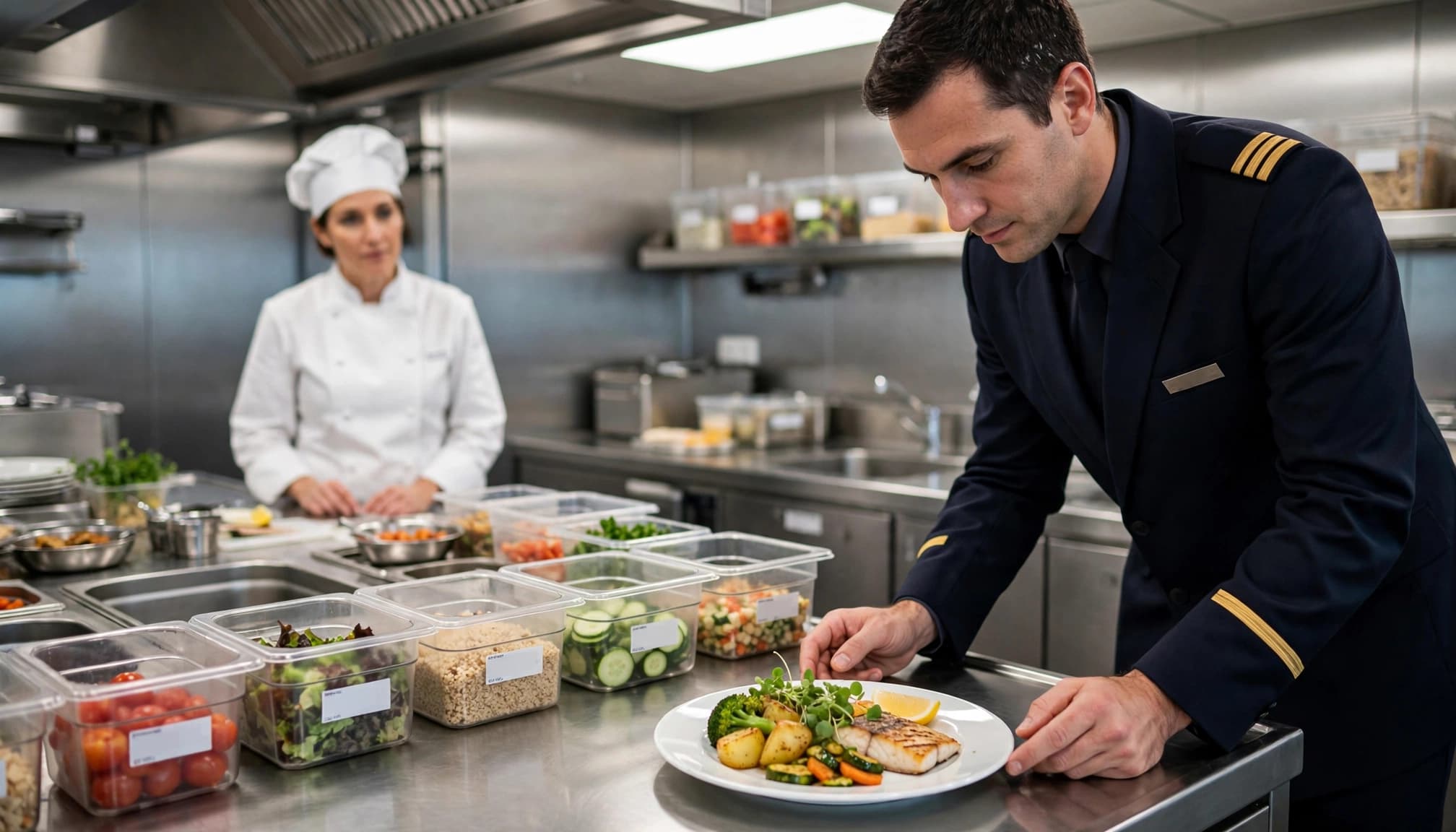
Ask how your order will be marked and who will deliver it. In a busy dining room, another server may bring the plate. A clear process reduces the chance that a substitute meal arrives without the allergy information attached.
Also mention changes. If you switch from a main dining room meal to room service or a specialty restaurant, repeat your allergy details. Different venue teams may not see the same notes.
Pack for Food Safety Beyond the Ship
A world cruise may include overnight stays, long tours, remote ports, and days when dining ashore is more practical. Your plan needs to travel with you.
Carry your prescribed supplies in your hand luggage
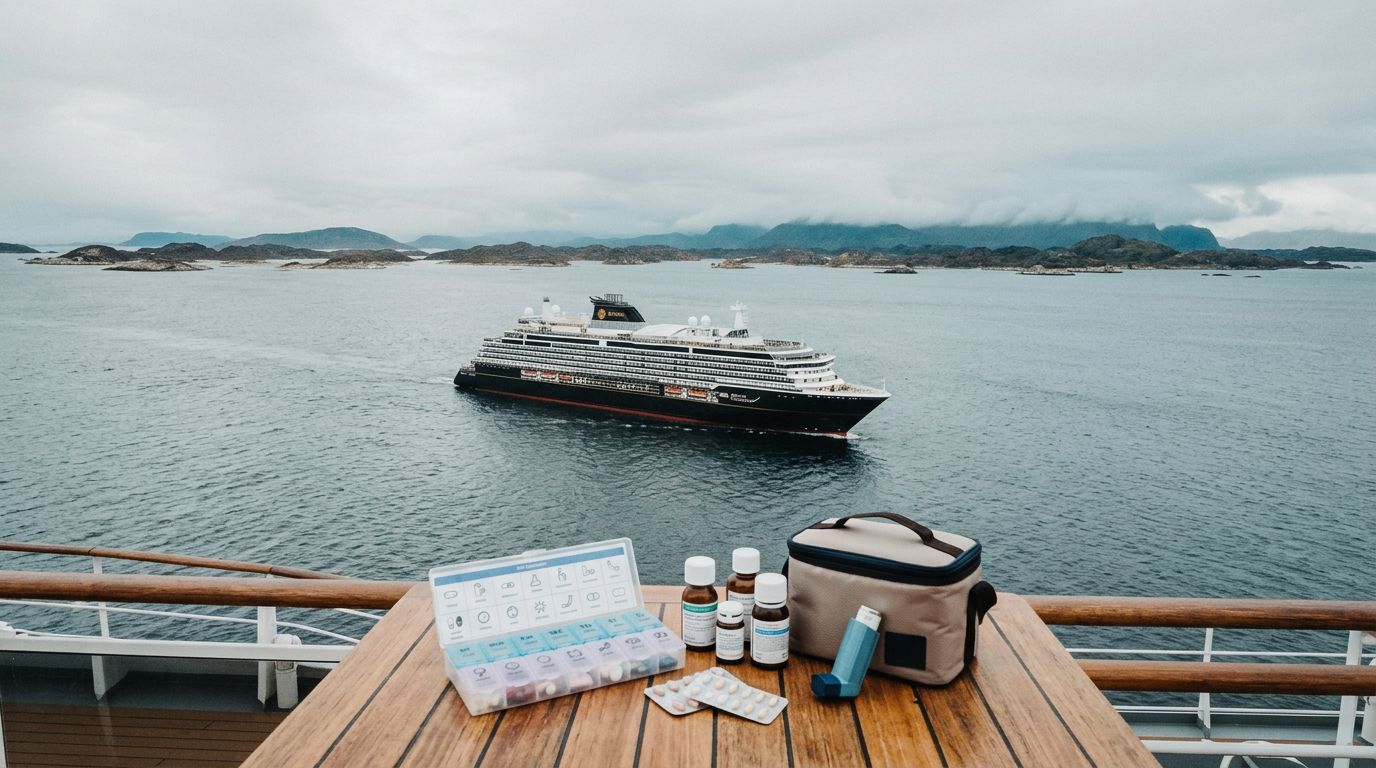
Keep prescribed emergency medication, copies of prescriptions, a physician's letter if you use one, and any allergy cards in your carry-on. Checked bags can be delayed, while your need for supplies begins before embarkation.
Pack shelf-stable foods that suit your diet for flights, transfer days, and excursions. Choose items that can handle heat and travel well. Check destination import rules before bringing food across borders, because some countries restrict meat, produce, seeds, or other items.
Make shore days less uncertain
Book an early ship breakfast if you have a long excursion. Bring permitted snacks and water, then research restaurants near the port before you leave the ship.
Tell guides about your allergy before a food-focused tour. If a tour includes lunch, ask for the restaurant name and contact details in advance. You can then confirm ingredients directly rather than hoping the request reaches the kitchen.
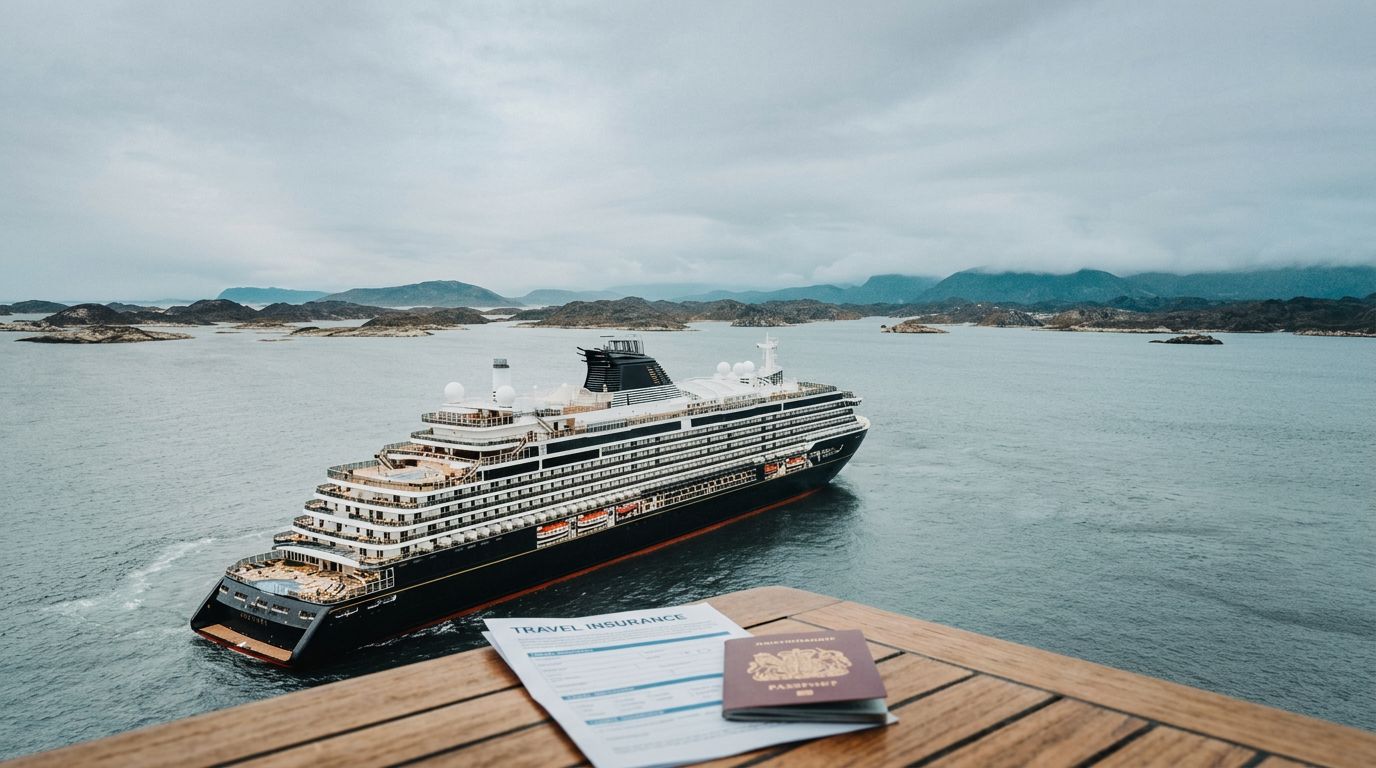
Travel insurance is also worth reviewing before final payment. Check its medical, trip-interruption, evacuation, and pre-existing-condition terms, rather than assuming an insurance policy covers every allergy-related situation.
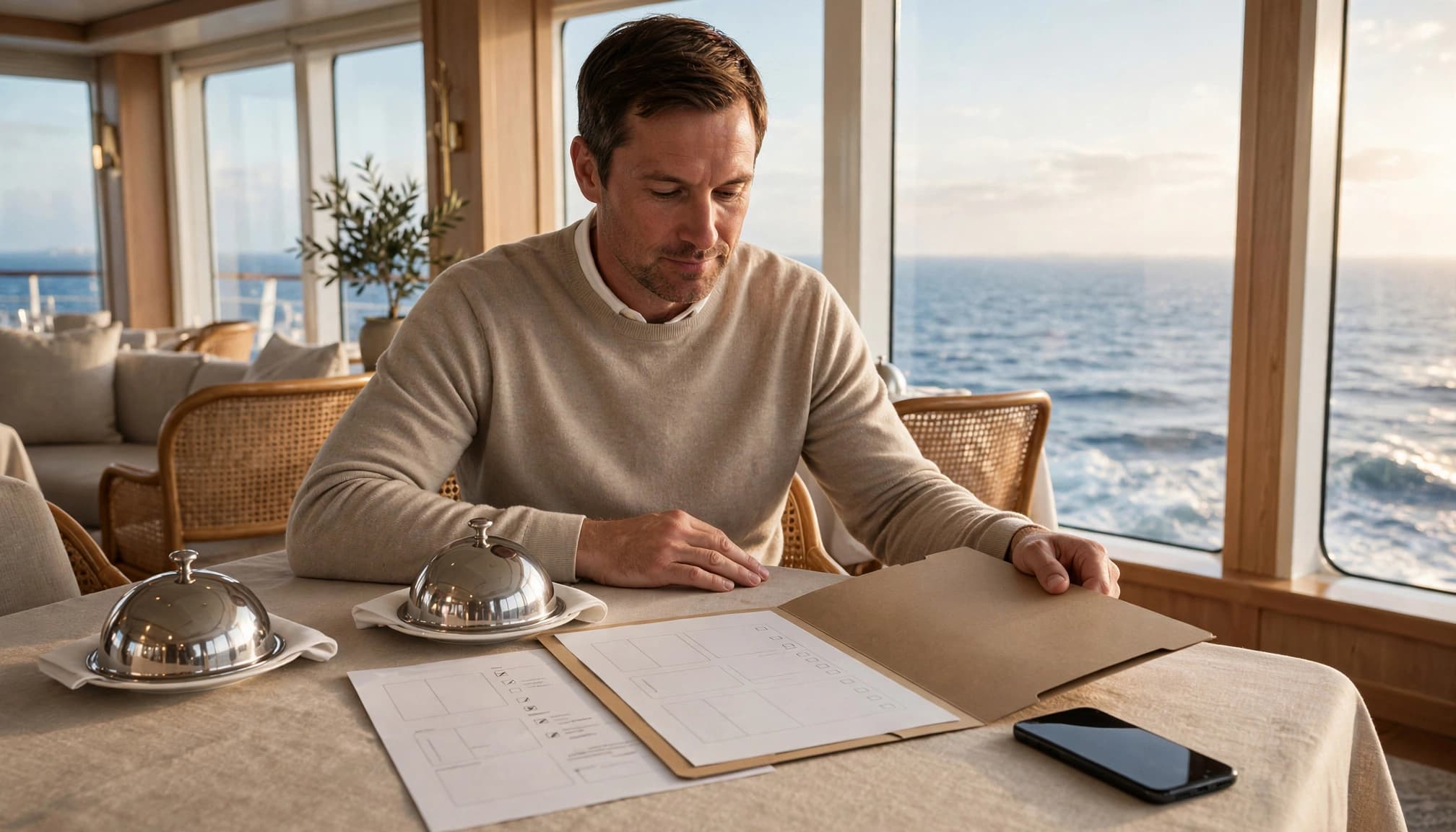
A Practical Allergy Checklist for a World Cruise
A few written steps can prevent important details from getting lost among cabin choices, airfare, visas, excursions, and packing lists.
Before you make final payment
- Tell the cruise line about your allergy and submit every required form within its deadline.
- Ask for written confirmation of the ship's dining procedures and any venues it cannot support.
- Read the dining policy for cross-contact language. Do not treat "special dietary request" as a guarantee.
- Check cancellation deadlines and insurance terms before you commit to a nonrefundable fare.
- Pack translated allergy cards and approved shelf-stable snacks for travel days and port calls.
During embarkation and the first meal
- Meet the dining room manager or maître d' and confirm the note on your reservation.
- Ask how to review menus, pre-order meals, and identify allergy-aware plates.
- Choose a consistent main dining venue until you understand the onboard routine.
- Confirm every meal, including drinks, sauces, desserts, and garnishes.
- Carry prescribed medication whenever you leave your cabin or go ashore.
If the reply from staff feels unclear, ask for a manager. You are not being difficult by requesting a precise answer about food preparation.
Plan the Booking Conversation Around Your Needs
Dining support should influence the cruise line, cabin, itinerary, and travel arrangements you choose. A ship with a responsive dining manager and accessible main restaurant may suit you better than a more elaborate dining program with vague answers.
Long voyages also have strict financial timelines. Some world-cruise cancellation schedules begin charging fees well before final payment, so confirm what happens if a dining accommodation cannot be supported. Ask whether the penalty applies only to cruise fare or to flights, hotels, transfers, and other items attached to the booking.
A travel advisor who understands long itineraries can help organize those questions before your deposit becomes less flexible. Schedule a Consultation to discuss a cruise plan that accounts for your dining needs, preferred destinations, insurance questions, and travel days before boarding.
You can also Subscribe to Our YouTube Channel for more practical guidance on planning a world cruise.
Final Thoughts on Dining With Food Allergies at Sea
Food allergies do not automatically rule out a world cruise. They do require early disclosure, written confirmation, consistent onboard communication, and realistic expectations about cross-contact.
The strongest plan is built around clear communication , not menu promises. When the cruise line, dining team, and traveler share the same detailed information, every meal becomes easier to manage over a long voyage.
Recent Posts