Small vs Large Ship for a World Cruise

World Cruise by Design • September 12, 2026

Share this article

Choosing between a small vs large ship affects nearly every part of a world cruise, not only the number of passengers onboard. Your ship becomes your hotel, dining room, transport, social setting, and daily routine for weeks or months.

A large vessel may offer more restaurants, pools, entertainment, and public spaces. A smaller ship may provide a quieter atmosphere and access to ports that cannot accommodate the largest vessels. The right choice depends on how you want to spend long sea days and how much onboard variety you need.

Small vs large ship: what are you comparing?

Ship categories aren't fixed across the cruise industry. In current examples, vessels range from around 30 guests to more than 7,600 at full occupancy. That makes a 900-passenger ship feel small beside an Icon-class vessel, yet large beside a 100-guest expedition ship.

Size is relative

Royal Caribbean's Icon-class ships measure about 248,663 gross tons and carry approximately 5,610 passengers at double occupancy, with capacity for up to 7,600 guests. MSC World Asia is listed at about 215,863 gross tons and 6,758 guests.

At the other end, Aqua Lares carries only 30 guests on voyages around East Africa and the Seychelles. Other newer small-ship examples range from roughly 110 to 458 guests.

Factor Smaller ship Larger ship
Atmosphere Quieter and more personal Busier and more energetic
Dining Fewer venues, often more intimate More restaurants and specialty choices
Public areas Easier to feel uncrowded More space, but more passengers
Port access May suit smaller harbors Often needs larger berths
Sea-day activities More limited Broad range of scheduled options
Movement onboard Shorter distances Longer walks between venues

These are useful tendencies, not guarantees. A well-designed large ship can have calm lounges, while a small ship can feel lively when nearly every passenger gathers in one area.

Why months onboard changes the decision

A feature that feels exciting for seven nights may feel tiring after several months. A large ship's entertainment schedule can prevent boredom, but queues and crowded popular venues may become frustrating. A small ship can make it easier to recognize fellow passengers and settle into a familiar routine, yet the narrower choice of activities may matter during repeated sea days.

Review the deck plan as carefully as the itinerary. Note the location of quiet lounges, outdoor seating, fitness areas, libraries, laundry facilities, and your likely walking routes.

Long sea days reveal the real difference

Every world cruise includes stretches without a port. Your preferred ship should make those days comfortable rather than merely help you reach the next destination.

Large ships offer more ways to fill the day

Large vessels usually provide several pools, fitness areas, restaurants, lounges, theaters, and activity spaces. You may find lectures, live performances, craft sessions, fitness classes, games, and specialty events running at the same time.

That variety helps couples and families with different interests. One person can attend a class while another reads by the pool or visits a restaurant. It also gives solo travelers more chances to find compatible social groups.

The trade-off is scale. Popular shows, dining times, and activities may require reservations or early arrival. Crossing the ship can take longer, especially when your cabin sits far from the theater, dining room, or gangway.

Smaller ships support a calmer routine

Smaller vessels often focus on conversation, destination talks, observation areas, and a slower daily pace. You may spend more time in shared spaces because there are fewer alternatives, which can suit travelers who enjoy a close-knit community.

The limits become clearer on consecutive sea days. A smaller ship may have one main dining room, a compact fitness area, and fewer evening programs. If you need constant activity, check the enrichment schedule before booking.

On a long voyage, the question isn't whether a ship looks impressive on boarding day. Ask whether its daily rhythm will still suit you in the sixth or tenth week.

Your preferred pace also matters. A world cruise can include humid tropical weather, cool southern waters, changing daylight hours, and several time zones. Outdoor space, shaded seating, indoor lounges, and flexible activities become more useful than a short-term vacation brochure may suggest.

Ports, tender boats, and daily logistics

Ship size affects port access, but it doesn't determine every port call. Berth availability, local infrastructure, weather, and harbor rules also influence whether a ship docks or anchors offshore.

Embarkation and disembarkation require planning

A smaller passenger count may reduce the number of people moving through terminals, but embarkation and disembarkation times depend on the port, ship procedures, baggage handling, customs, and transfer arrangements.

For a long voyage, the departure city matters more than many travelers expect. Check the terminal address, flight connections, pre-cruise hotel options, luggage process, and boarding deadline. Arriving at least one day early gives you protection against flight delays, lost luggage, and exhaustion after an international journey.

Disembarkation deserves equal attention. Ask when luggage must be placed outside the cabin, how early transfers begin, and whether your onward flight leaves enough time for customs and airport travel.

Tender ports can change the shore experience

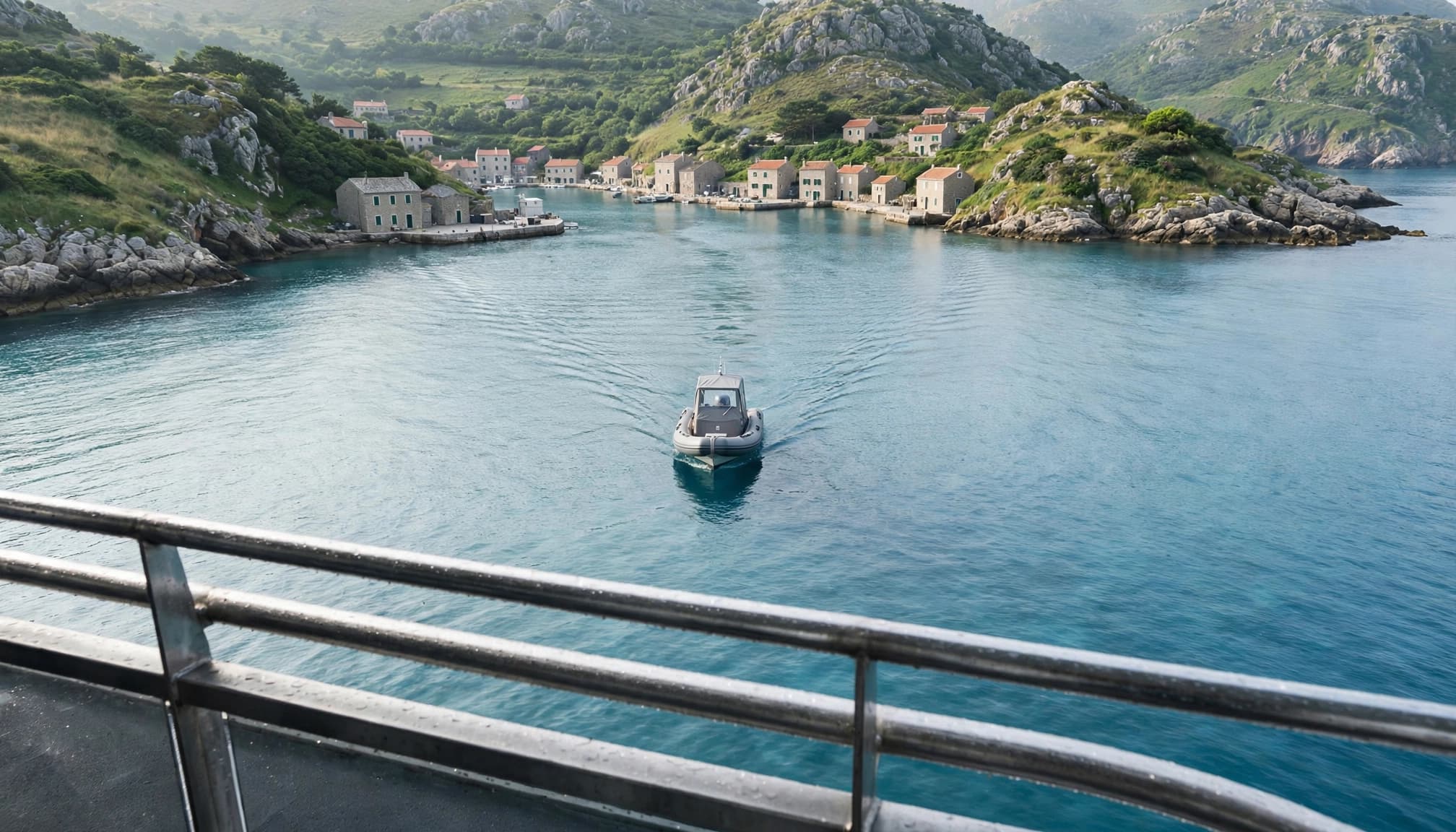
When a ship anchors offshore, passengers travel to land in smaller boats called tenders. The process can take longer than walking directly from a pier, especially when many passengers want to go ashore at once. Wind and sea conditions can also interrupt tender service.

Smaller vessels may reach harbors that cannot accept the largest ships, but don't assume that every small ship docks or that every large ship tenders. Confirm the port plan in the current itinerary and ask whether any destination uses a tender.

If accessibility matters, request written details about gangways, tender boarding, mobility-device storage, and shore excursions. A cabin can meet accessibility standards while the route ashore remains difficult.

Review more than the port names. Check arrival and departure times, overnight calls, consecutive sea days, substitute ports, and the distance between the pier and the attraction you want to visit. A port advertised near a major city may still require a long transfer.

Cabins, storage, and connectivity

Your cabin becomes your private room for much longer than it would on a typical cruise. Layout and storage may affect comfort more than the ship's gross tonnage.

Cabin details matter more than ship size

Large ships don't automatically have better storage, and small ships don't automatically have less. Compare the exact cabin category, not only the ship class. Look at closet dimensions, drawer space, under-bed storage, bathroom layout, balcony furniture, outlets, and the position of the bed.

Ask whether the cabin has a sofa, a refrigerator, a safe large enough for your documents, and room for medical equipment. Read recent passenger feedback for practical details, but confirm important features directly with the cruise line.

Laundry access also matters. A laundry room or included laundry service can reduce the amount you need to pack. Plan for layers because a single route may include several climates.

Internet is a ship-specific service

Connectivity can affect work, banking, family contact, telemedicine, and travel updates. Don't assume that a smaller ship has better internet or that a larger ship has reliable coverage everywhere.

Ask which packages are available, whether they support video calls, whether internet works at sea and in port, and how the service handles interruptions. Disney Cruise Line, for example, sells onboard internet packages through its Navigator App. Other operators may use different plans and restrictions.

Download essential documents before sailing. Keep offline copies of passports, insurance details, prescriptions, reservations, and emergency contacts. Satellite connectivity can vary as the ship changes region.

Medical support and accessibility

Medical planning becomes more important when you're far from home for months. Review the ship's medical department before paying a final balance, especially if you manage a chronic condition or need regular treatment.

Compare onboard care honestly

Cruise medical centers are designed for onboard assessment and urgent care, not every type of specialist treatment. Ask what the ship can handle, how appointments work, how prescriptions are managed, and what happens if you need shore-side care or an urgent disembarkation.

Policies vary by operator. Holland America Line states that medical staff are available 24/7 for urgent or emergency care. Disney Cruise Line publishes regular clinic hours on debarkation day and says a doctor and nurse are on call around the clock for emergencies.

Arrange prescription refills early and carry extra medication for delays. Keep copies of prescriptions and medical records in your carry-on luggage. If medication needs refrigeration, oxygen, mobility equipment, or other support, obtain written confirmation before sailing.

Accessibility extends beyond the cabin

Ask about doorway widths, bathroom configurations, shower thresholds, scooter storage, transfer assistance, and accessible transportation on excursions. Tender ports deserve special attention because boarding a small boat may be difficult or impossible in certain conditions.

A large ship may provide more accessible public spaces, while a smaller ship may offer shorter distances between the cabin, dining room, and gangway. Neither advantage is universal. Match the ship and itinerary to your actual mobility needs.

Travel insurance should also cover the length and geography of the voyage. Check medical evacuation, trip interruption, pre-existing conditions, missed ports, and the cost of returning home early.

Key takeaways for choosing your ship

Use these questions to narrow the decision:

  • Choose a smaller ship if a quiet atmosphere, personal service, and access to compact harbors matter more than extensive entertainment.
  • Choose a larger ship if you want multiple restaurants, pools, shows, fitness spaces, and activities during long sea days.
  • Treat tendering as an itinerary question, not a simple ship-size rule.
  • Compare cabin storage and layout by category, because gross tonnage tells you little about your living space.
  • Review medical facilities, medication procedures, accessibility, and emergency arrangements before booking.
  • Examine overnights, late departures, arrival times, and consecutive sea days instead of relying on the total port count.
  • Read recent passenger feedback, then verify important details with the cruise operator in writing.

A detailed itinerary and cabin comparison can prevent an expensive mismatch. If you want help weighing route, cabin, and onboard lifestyle, you can Schedule a Consultation. For additional planning guidance, Subscribe to Our YouTube Channel.

FAQ: small ship vs large ship for a world cruise

Is a small ship better for a world cruise?

A small ship can be better for travelers who value quieter public areas, a familiar passenger community, shorter distances onboard, and access to smaller ports. It may be less suitable if you need a wide choice of restaurants, entertainment, pools, or daily activities.

The best choice depends on your tolerance for repetition. Review the sea-day schedule and public spaces before deciding.

Is a large ship too crowded for several months?

It can feel busy, especially around popular dining venues, theaters, pools, and embarkation areas. However, large ships also offer more room and more ways to avoid crowds. Look for multiple lounges, outdoor decks, alternative restaurants, and activity areas.

Recent passenger feedback can reveal whether the ship feels crowded in practice. Pay attention to comments about elevators, dining reservations, sun loungers, and show seating.

Which ship size is easier for older travelers or passengers with mobility needs?

Neither size automatically wins. A large ship may offer more accessible facilities, elevators, and transportation options. A smaller ship may reduce walking distances and simplify navigation.

Ask detailed questions about the cabin, gangways, tenders, shore excursions, scooter storage, and emergency procedures. The itinerary matters as much as the vessel because a difficult tender port or steep landing can limit an otherwise suitable trip.

What should I check before booking?

Request the latest itinerary and booking terms. Confirm the port count, overnight calls, tender requirements, arrival and departure times, substitute-port policy, medical support, internet options, laundry arrangements, and accessibility details.

Then compare the complete cost, including flights, hotels, insurance, visas, medications, excursions, laundry, and spending ashore. A ship that fits your daily life is usually more valuable than one with the longest list of headline features.

Conclusion: choose a ship you can live on

The small vs large ship decision is really a decision about daily life. Smaller vessels often suit travelers who want calm, intimacy, and destination access. Larger ships suit those who want choice, activity, and more facilities during long stretches at sea.

Review the deck plan, cabin details, sea-day schedule, medical support, tender ports, and current itinerary before you commit. The best world cruise ship is the one that remains comfortable after the destinations stop feeling new.

Recent Posts

By World Cruise by Design September 11, 2026
A six-month voyage can feel freeing, but the lack of ordinary structure can wear on you after the first few weeks. A sustainable daily routine at sea gives your days shape without turning a world cruise into a job. The goal isn't to fill every hour with activities or see every...
By World Cruise by Design September 10, 2026
A missed wake-up call can cost you a long-planned day ashore. On a voyage that circles the globe, cruise time zones affect breakfast, tours, dining reservations, medication routines, and contact with home. The good news is that a six-month world cruise gives you time to build...
By World Cruise by Design September 9, 2026
Book a 2027 world cruise as early as possible, ideally when your preferred itinerary opens for sale. Full-voyage reservations and sought-after cabin categories have limited inventory, so waiting can mean fewer choices in location, size, and fare type. Flexible travelers may st...
By World Cruise by Design September 8, 2026
A world cruise can last months, cross dozens of borders, and turn dining into part of your daily routine. For travelers managing cruise food allergies , that makes preparation more important than on a short sailing. The right ship and dining team can reduce risk, but no cruise...
By World Cruise by Design September 7, 2026
A missed ship can turn a wonderful port day into an expensive and stressful problem. That is why the choice between ship excursions versus independent tours deserves more thought on a world cruise than it might on a short sailing. Cruise excursions booked through the ship offe...
By World Cruise by Design September 6, 2026
A daily charge that looks modest can become a four-figure expense on a 120-night sailing. World cruise gratuities deserve the same attention as airfare, insurance, and shore excursions before you pay a deposit. The confusing part is that cruise lines use different names for th...
By World Cruise by Design September 5, 2026
A world cruise can give you months of remarkable places, but its direction changes how the journey feels day to day. The choice between eastbound westbound cruises affects your clock, seasonal weather, flight plans, and the order in which major regions appear. Neither directio...
By World Cruise by Design September 4, 2026
A missed flight can turn the first days of a world cruise airfare plan into an expensive scramble. Because these voyages often begin far from home and may sail for months, the cheapest ticket isn't always the lowest-risk choice. Cruise-line air packages and self-booked flights...
By World Cruise by Design September 3, 2026
A world cruise can circle the globe, yet your booking doesn't have to cover every mile. The right choice depends on your available time, budget, travel style, and the ports that matter most to you. A full voyage booking gives you the complete itinerary on one ship, while a seg...
By World Cruise by Design September 2, 2026
The first day of a long voyage can feel effortless or exhausting, and much of that comes down to where you begin. A world cruise embarkation port shapes your flights, hotel plans, baggage transfers, document checks, and even how rested you feel when you step aboard. There is n...
Show More