What Life Is Like During Long Stretches at Sea
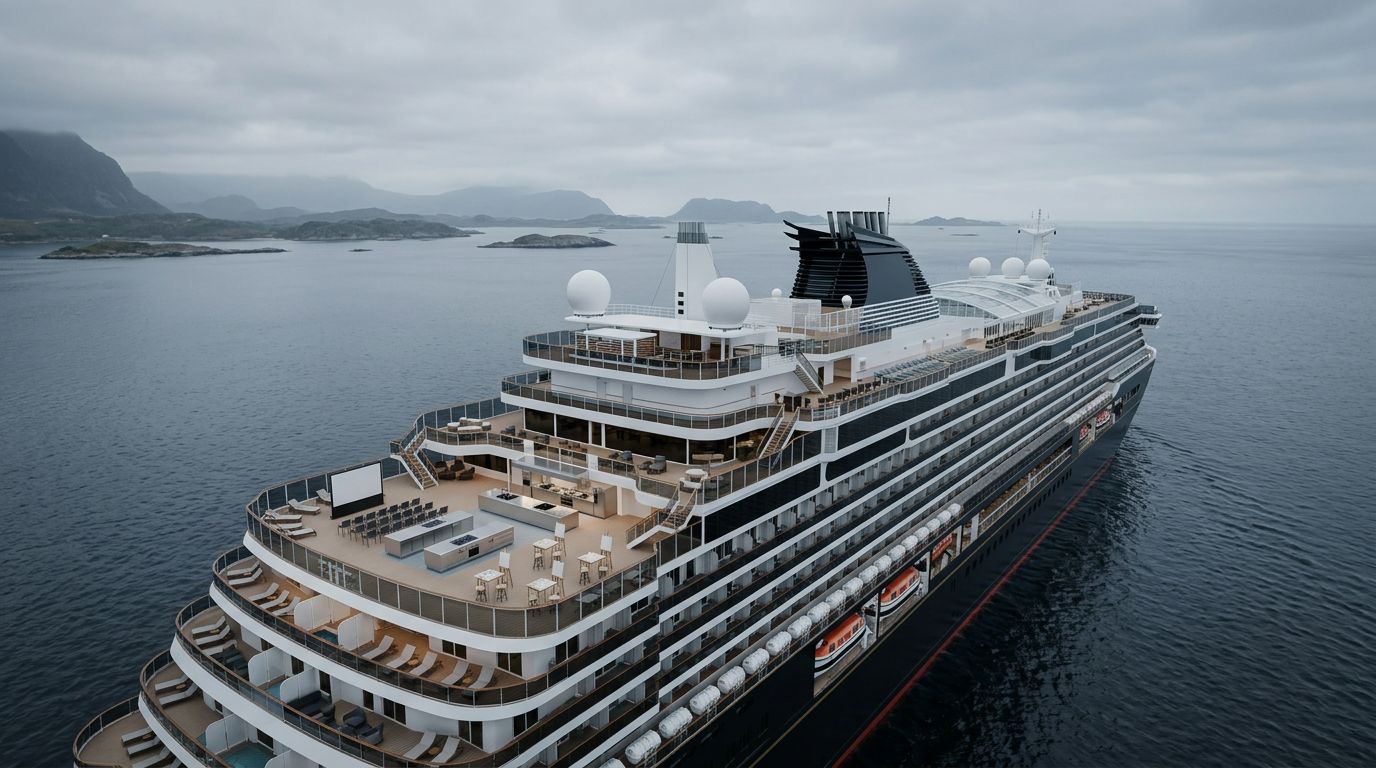
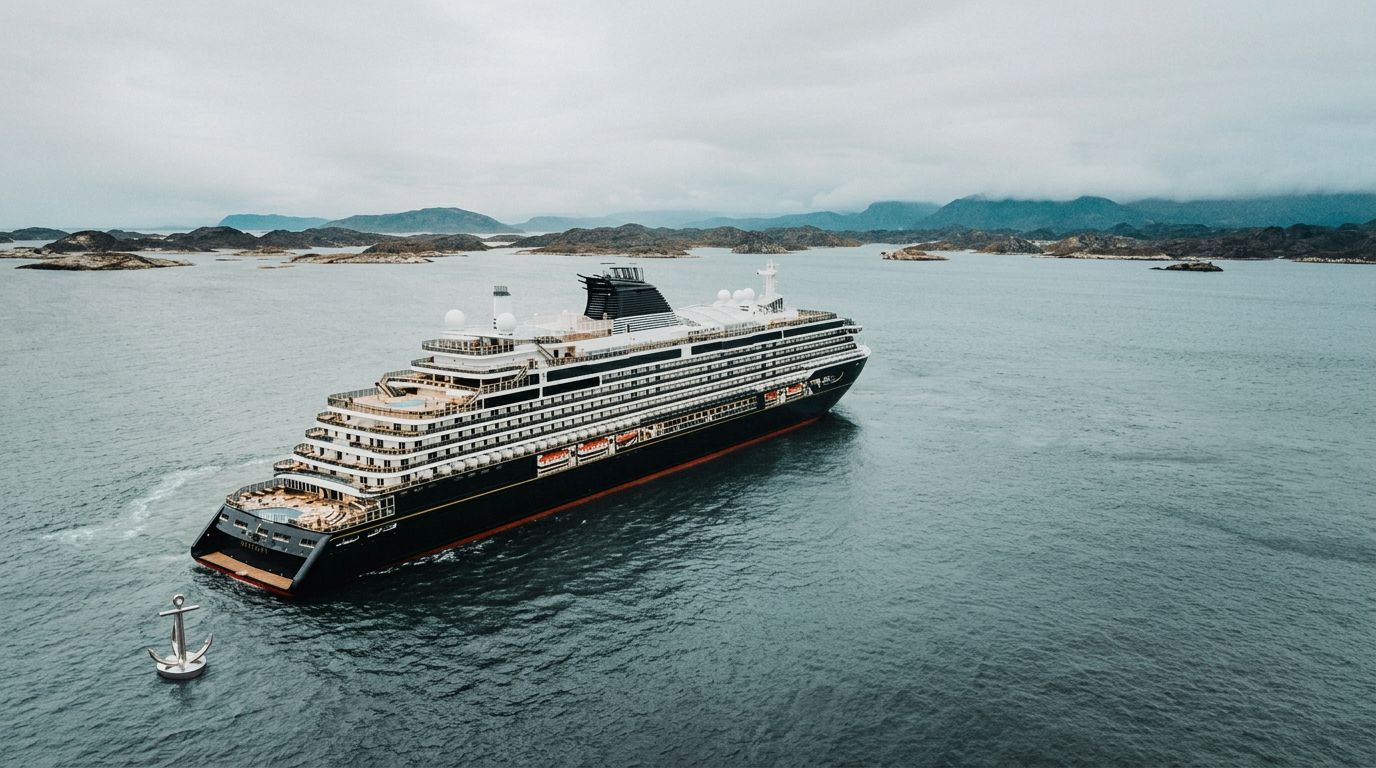
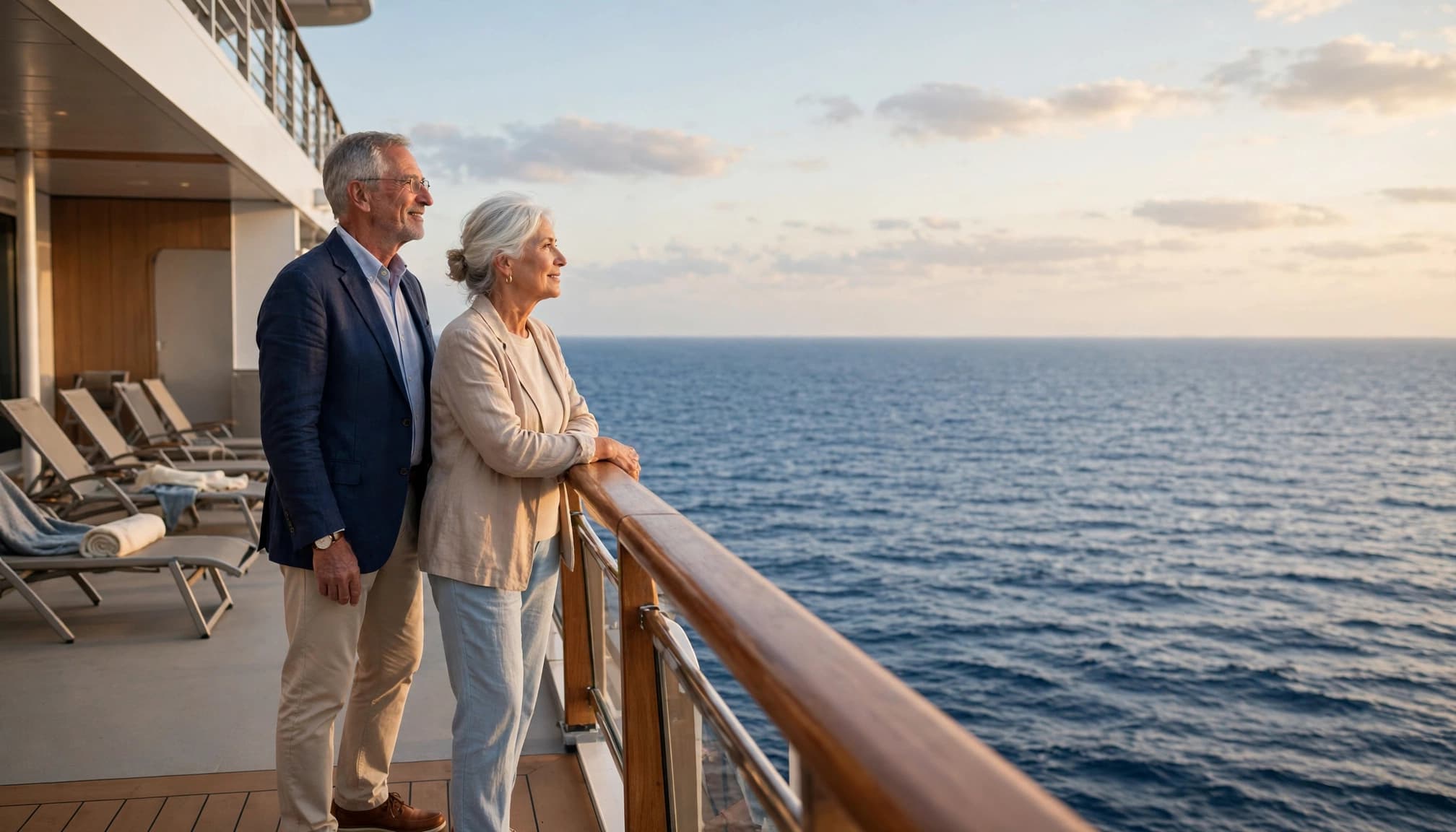
Life at sea changes when a voyage lasts weeks instead of days. The ocean becomes part of your daily view, while meals, movement, entertainment, and rest settle into a familiar rhythm.
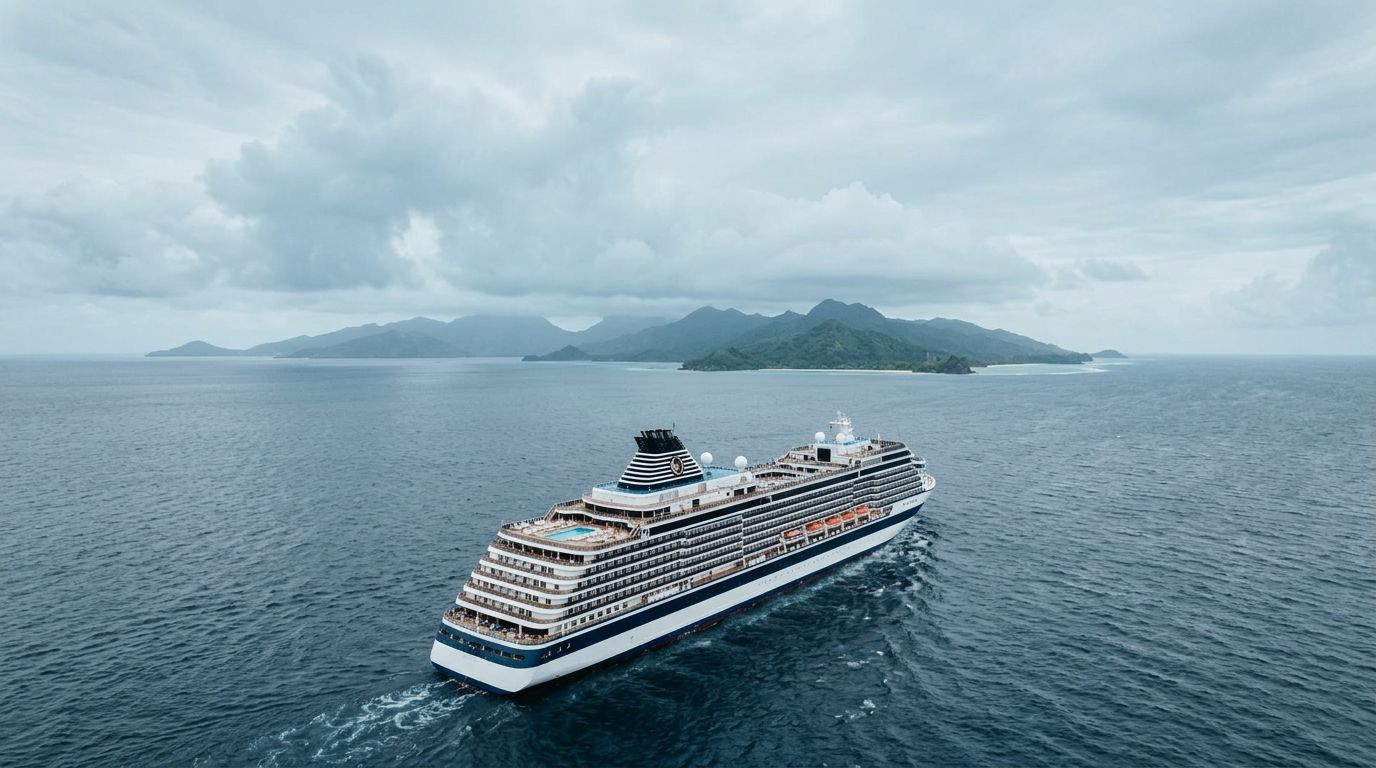
A world cruise offers the comfort of keeping one cabin while visiting several continents, but the experience depends on more than the destination list. Your ship, cabin, route, weather, health, and tolerance for unstructured time all shape how the journey feels. Here's what prolonged time onboard can be like when the excitement of departure gives way to ordinary days.
The First Week of Life at Sea
The opening days often feel full. You unpack, learn the ship's layout, review the daily schedule, meet fellow passengers, and adjust to a new view outside your window. Even simple errands can take time while you learn where the dining rooms, elevators, fitness areas, lounges, and medical facilities are located.
After that first burst of discovery, the voyage becomes less about finding something new and more about choosing how you want to spend an ordinary day.
The novelty gives way to a steady rhythm
A long crossing can make time feel less segmented. On a short cruise, each day may be attached to a port, an excursion, or a countdown to disembarkation. During a longer voyage, Monday and Thursday may look surprisingly similar.
That repetition can be soothing. You may find a preferred breakfast table, attend the same morning lecture, walk the deck after lunch, and recognize familiar faces in the lounge. You don't have to rebuild your routine every few days.
The adjustment can take longer for travelers who prefer constant activity. A beautiful view doesn't remove the need to decide how you'll fill a quiet afternoon.
Sea days become part of the destination
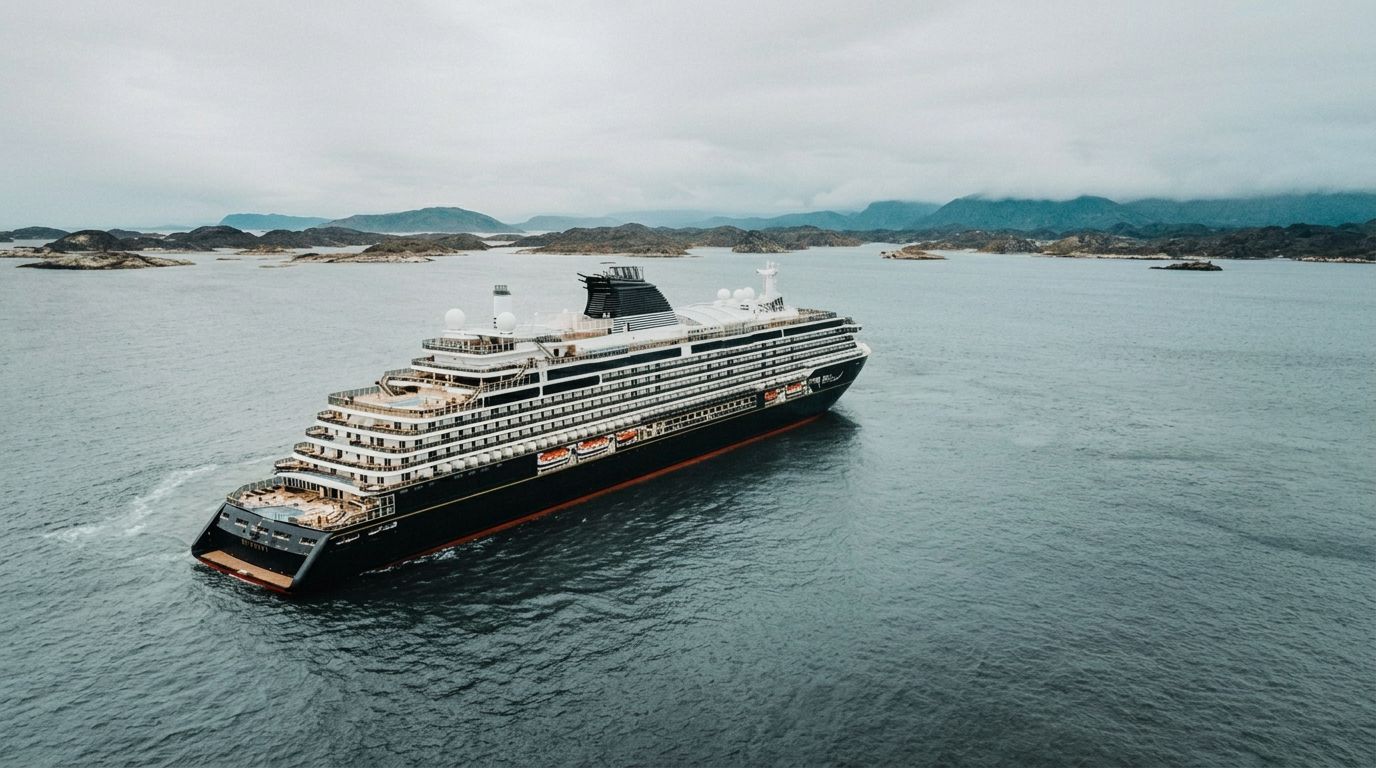
Many travelers initially focus on famous ports, but consecutive sea days can become some of the most memorable parts of a long voyage. They provide time to recover after demanding tours, read without rushing, or attend an enrichment program from beginning to end.
A full-voyage booking also creates continuity. You keep the same cabin, crew, shipboard routines, and often many of the same fellow passengers. That familiarity can make a long trip feel less like a series of separate holidays.
A Typical Day During a Long Crossing
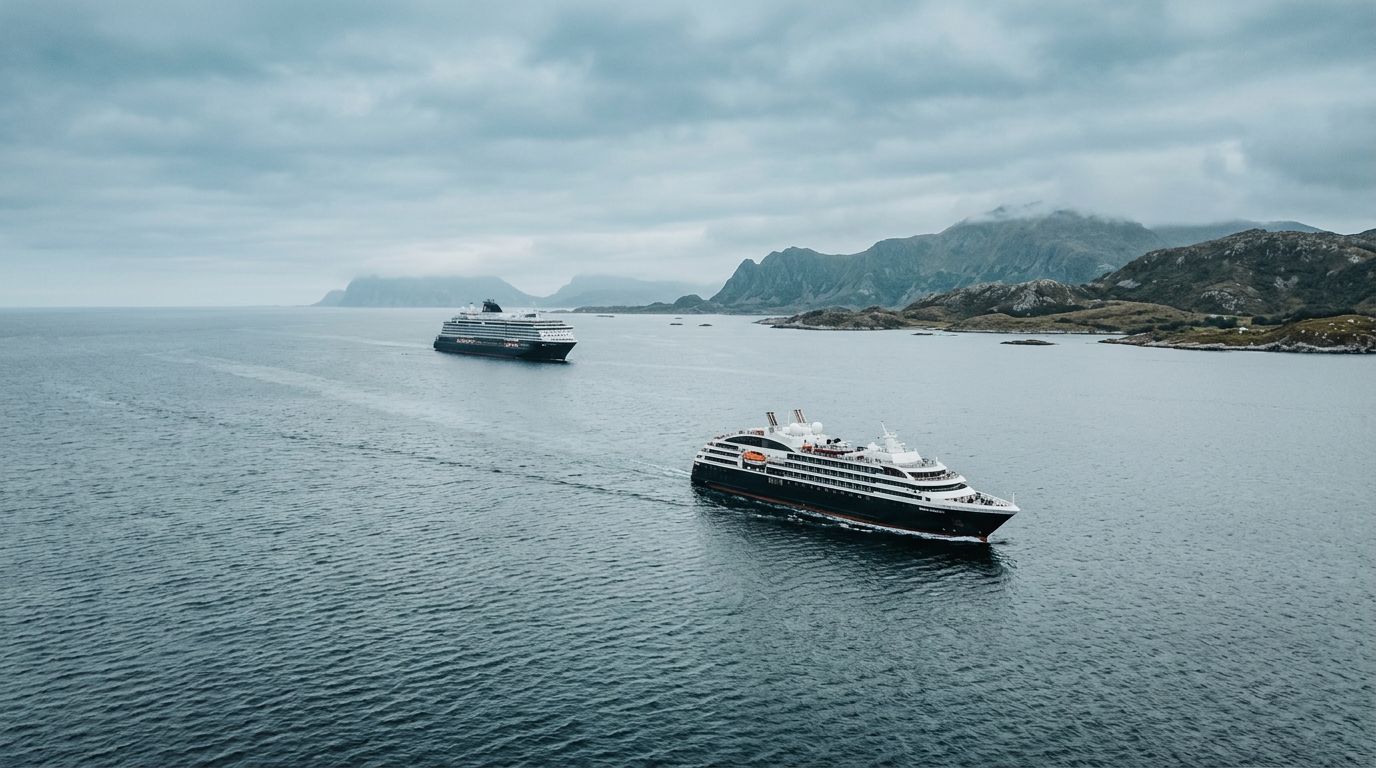
There is no universal schedule because ships vary in size, service style, passenger mix, and programming. A larger ship may offer more entertainment formats, while a smaller luxury vessel may feel calmer and more personal.
Still, most long-voyage passengers benefit from creating a loose structure rather than treating every sea day as completely open.
Mornings often set the pace
A morning walk, exercise class, breakfast with friends, or lecture can give the day a useful starting point. Some travelers prefer a slow coffee and a book, while others want to be active before the decks become busier.
The ship's official time may change as the itinerary crosses time zones. Clock changes can affect sleep and appointments, so keeping meals and bedtime reasonably consistent can make the transition easier. Morning daylight and regular movement may also help you feel oriented after overnight time changes.
You don't need to attend every scheduled event. The most sustainable routine usually leaves room for both planned activities and unclaimed time.
Afternoons create space for ordinary habits
Long afternoons are when the practical side of life onboard becomes visible. You may read, do laundry, write, exercise, attend a language class, play cards, or return to your cabin for privacy.
Some passengers use sea days to organize photographs, call family, or catch up on correspondence. Internet access can vary by ship, fare, package, device count, and location, so it may not feel identical to your home connection. Travelers who rely on video calls or streaming should confirm the details before booking.
A regular table in the dining room or a favorite outdoor seat can become part of your daily pattern. Those small preferences often matter more after several weeks than the novelty of a single special event.
When the Ship Becomes Your Home
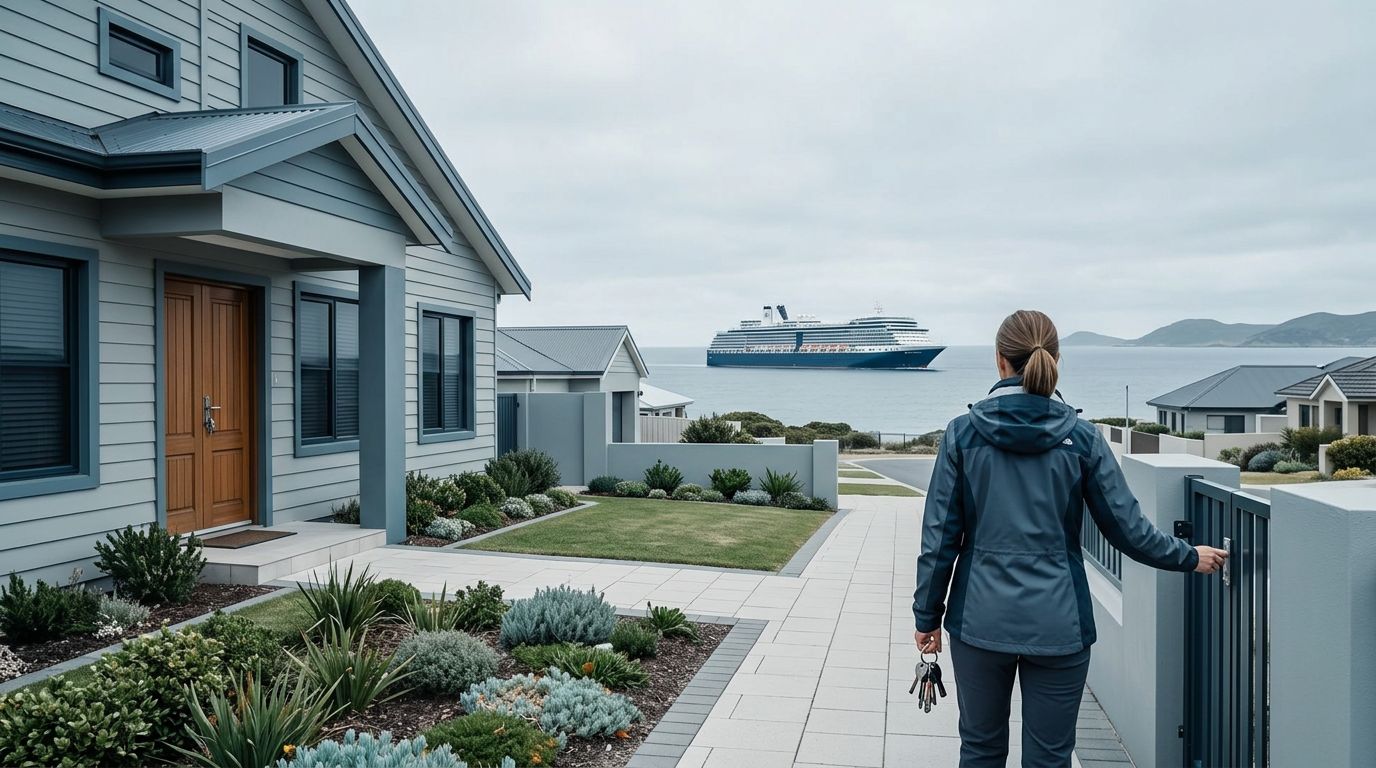
On a voyage lasting 100 nights or more, the ship is your hotel, restaurant, social setting, transportation, and personal retreat. Features that seem minor during a seven-night cruise can become daily comforts or daily annoyances.
Cabin comfort matters more each week
A compact cabin may work well when you spend most days ashore. During a long voyage, you may read, nap, recover from an excursion, manage changing weather, or spend an entire day indoors. Storage, natural light, seating, desk space, bathroom design, and closet access all become more important.
Look beyond staged photographs. Check the actual cabin size, bed configuration, location, noise exposure, and distance from elevators or entertainment areas. Midship cabins on lower decks often experience less movement, although ship design and weather conditions make every sailing different.
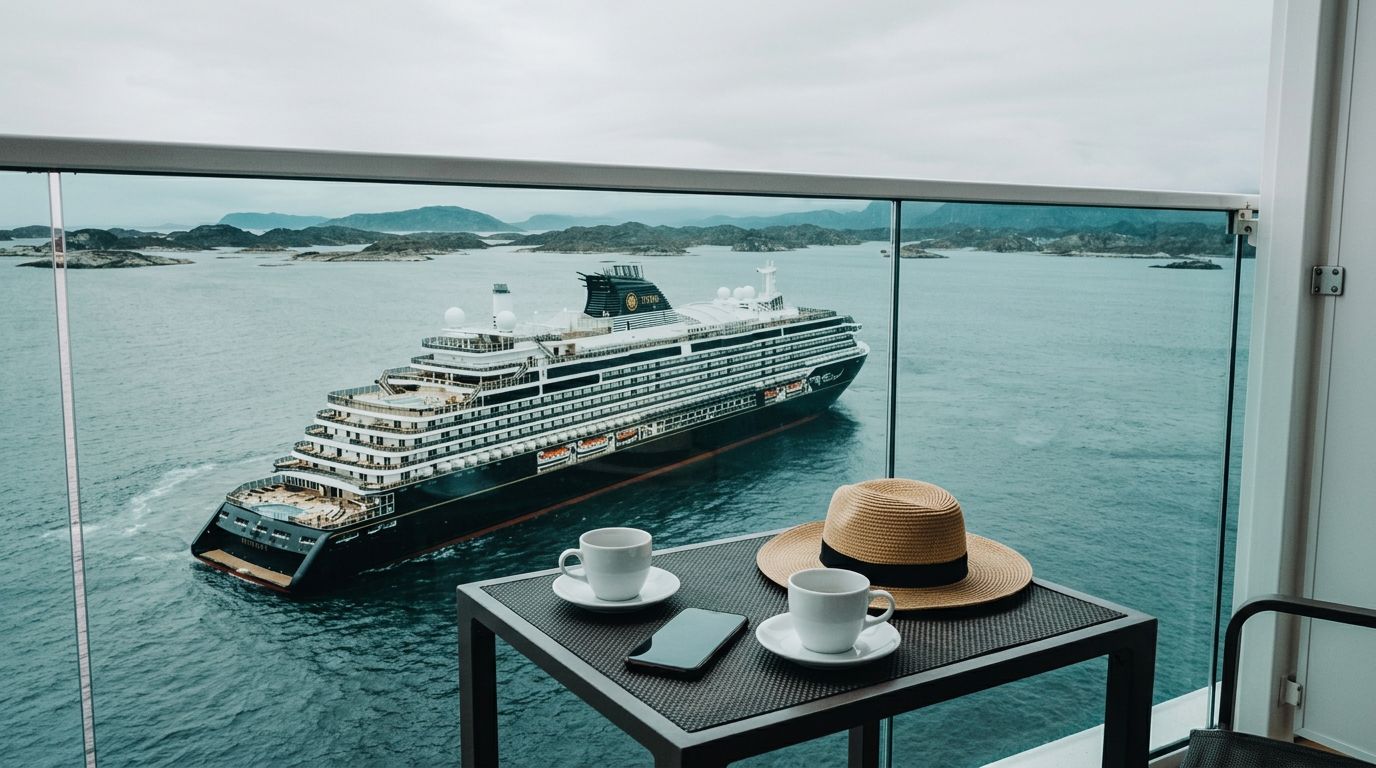
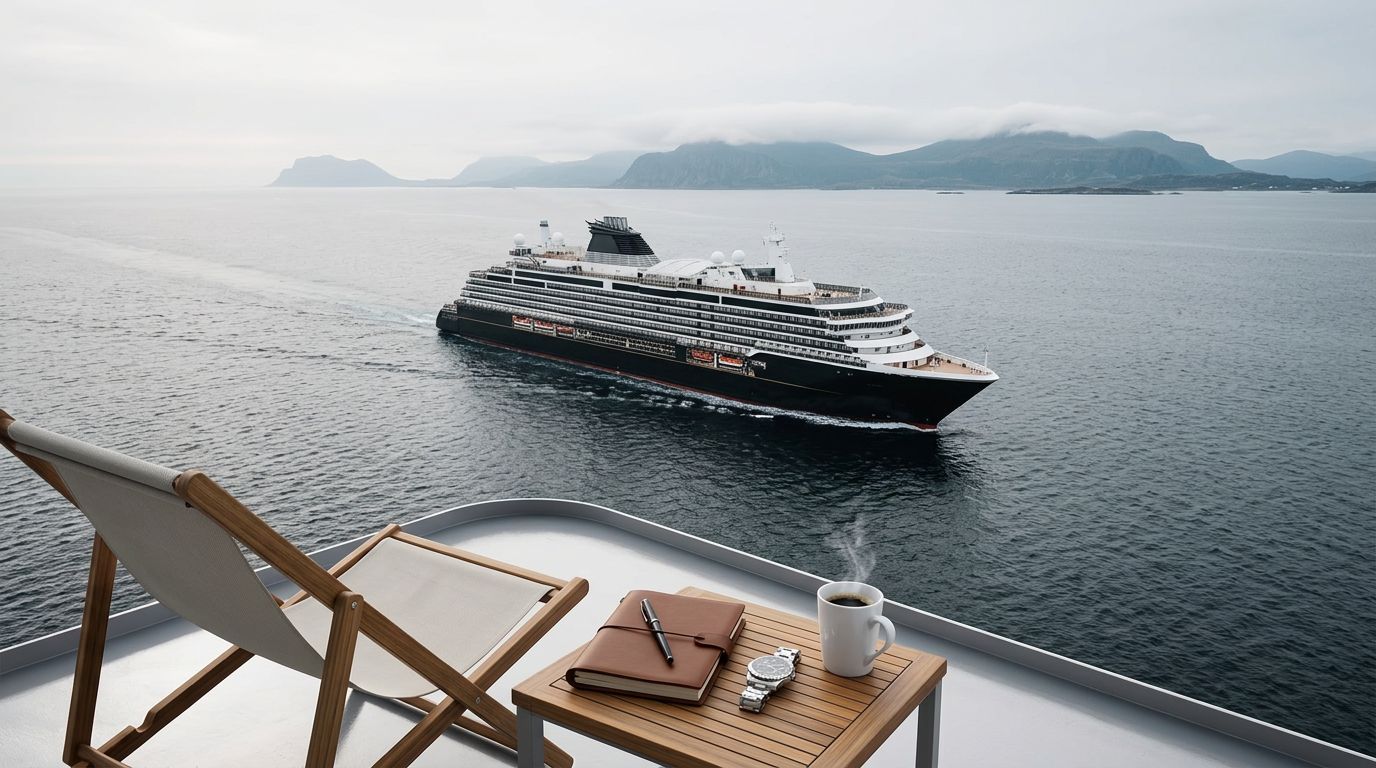
A balcony can provide fresh air and private outdoor space, but it also costs more and may not suit travelers who prefer shaded indoor areas. The right cabin is the one that remains comfortable on an ordinary sea day, not only on embarkation evening.
Shared spaces shape your social life
Long-voyage passengers often see the same people repeatedly. That makes it easier to form friendships, join regular dining groups, or follow a lecture series with others. Couples may also appreciate the flexibility of spending part of the day separately before meeting for dinner.
Privacy still matters. Look for quiet lounges, outdoor areas, varied dining spaces, and enough room to step away from scheduled activities. A ship that feels lively and exciting for a week may feel crowded after several months.
The balance also depends on your travel style. Some passengers enjoy live music, stage productions, dancing, themed events, guest performers, and formal evenings. Others want a calm deck, a good library, or a comfortable place to read without conversation.
What Feels Rewarding, and What Can Wear You Down
Prolonged life at sea offers a rare sense of continuity. You can watch regions change without repeatedly packing, flying, checking into hotels, and adjusting to a new room. The ship handles transportation while you carry on with familiar routines.
The rewards are cumulative
The pleasure of a long voyage often builds gradually. You learn the names of crew members, recognize returning passengers, and develop a sense of ownership over small daily choices. A favorite coffee spot or walking route can make the ship feel familiar.
Long crossings also create time for interests that short vacations crowd out. You might follow a history lecture series, practice a language, attend fitness classes, read several books, or spend an afternoon watching the sea change under different weather conditions.
The itinerary feels different when you experience the spaces between destinations. A sailing through the Panama Canal, across the South Pacific, and onward to Asia becomes a connected journey rather than a collection of unrelated port visits.
Small frustrations become more noticeable
The main challenge usually isn't one difficult day. It's the cumulative effect of living in a compact space while following a fixed route for months.
Limited storage, an uncomfortable mattress, weak internet, poor sleep, noise near elevators, or inconvenient laundry access can become persistent irritations. Frequent early arrivals and long excursions may also leave you tired, even when the itinerary looks impressive.
Weather can alter outdoor plans, port calls, and how much time you spend inside. Some travelers enjoy the motion and changing conditions, while others find repeated sea days physically or emotionally demanding. A two-week trial cruise can offer useful insight into your tolerance before you commit to a much longer sailing.
The Route Shapes Your Experience
The map tells only part of the story. Port hours, sea-day sequences, overnight calls, tender operations, climate, and excursion pace can determine whether a voyage feels rich or rushed.
More ports don't always mean more enjoyment
A long itinerary with many destinations may look attractive, but short calls can leave little time to experience a place. Six hours in port may allow a brief tour, while an overnight stay can make dinner ashore or a slower independent visit possible.
Consecutive sea days can be welcome after a full-day excursion, long bus transfer, or demanding city visit. They give you time to recover before the next destination.
Review the day-by-day schedule before paying a deposit. Count the consecutive sea days, examine port hours, and identify overnight calls. A route with fewer destinations may suit you better if it leaves room to enjoy each one.
Climate changes affect daily comfort
A global route may move from cool weather to tropical heat and then back to cooler southern waters. Clothing, cabin comfort, shore excursions, and outdoor plans all change with the seasons.
Pack layers rather than assuming one climate will dominate the voyage. You may need warm clothing, lightweight fabrics, formalwear, comfortable walking shoes, and rain protection during the same trip.
The timing and direction of travel also affect jet lag and weather. Ask for the expected seasonal sequence rather than judging an itinerary only by its country count.
Practical Details That Matter After a Month
Long-voyage planning includes more than choosing destinations. The details that seem minor before departure can have a major effect once you are onboard.
Plan for health, documents, and delays
Arrange prescription medication well in advance and carry copies of prescriptions and relevant medical information. Policies and medical capabilities vary, so ask what the ship's medical center can handle and how urgent shore-side care works.
Travel insurance deserves careful review. A policy suitable for a two-week holiday may have limits involving trip duration, age, pre-existing conditions, evacuation, missed connections, or delays. Visa requirements also depend on your passport, residency, itinerary, and destination rules.
Arrive at least one day before departure, particularly after an international flight. Keep passports, medication, insurance information, charging cables, and a change of clothes in your carry-on because checked luggage may not reach your cabin immediately.
Compare the full cost, not only the fare
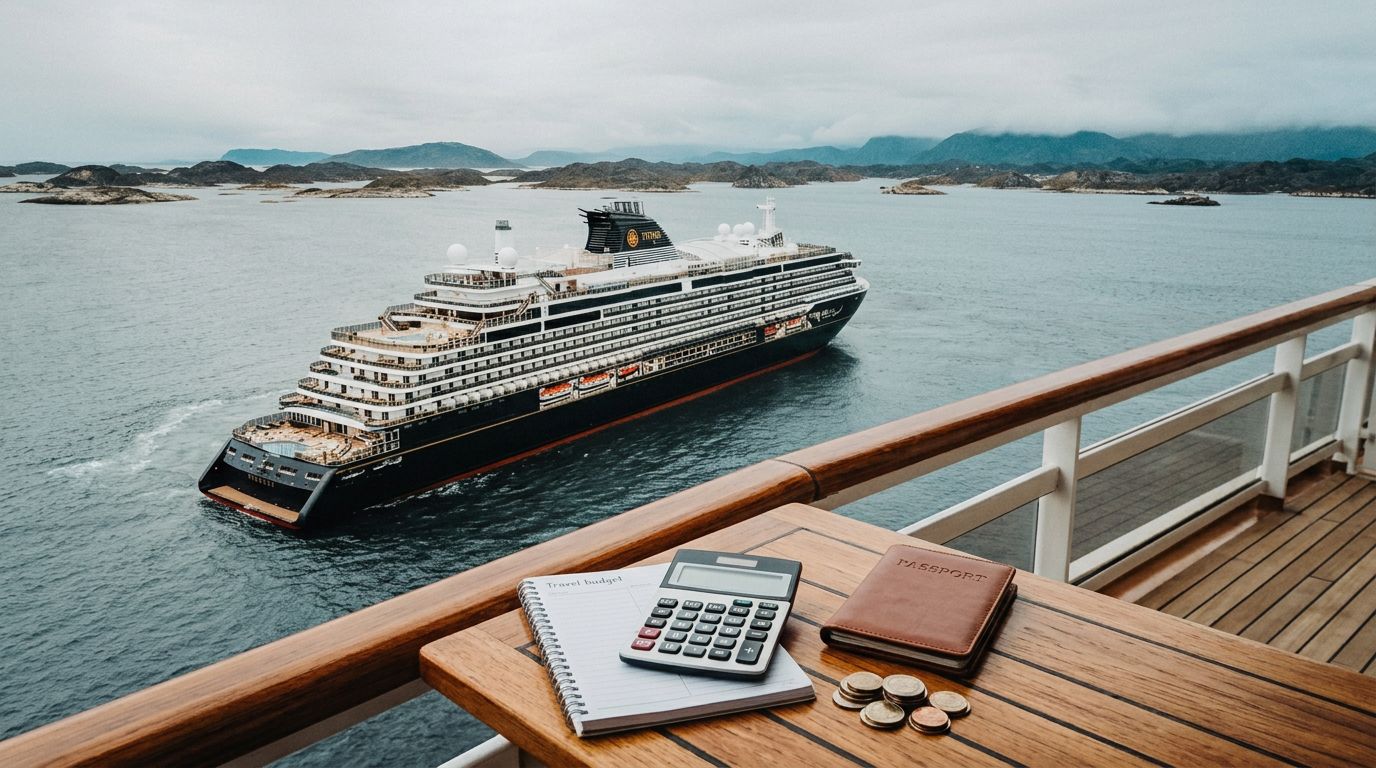
The advertised cruise price may not include every expense. Depending on the voyage, you may need to budget for flights, pre-cruise hotels, airport transfers, luggage fees, port taxes, gratuities, drinks, specialty dining, laundry, visas, insurance, medical care, prescriptions, excursions, meals ashore, and souvenirs.
A laundry package may matter more to you than a premium beverage package. Included tours are useful only when their pace and activity level match your abilities and interests.
If you're comparing ships, cabins, and full-voyage costs, you can Schedule a Consultation to discuss how the options fit your preferred daily routine.
Key Takeaways
- Long stretches at sea become easier when you create a flexible daily rhythm.
- The ship matters as much as the itinerary because you'll live there for weeks or months.
- Cabin storage, seating, laundry, quiet areas, internet, and medical access deserve close attention.
- A high port count can feel tiring if calls are short and sea days are scarce.
- Weather, time zones, excursions, and changing climates affect comfort throughout the voyage.
- The full cost includes much more than the cruise fare.
- A trial cruise can help you judge whether extended life at sea suits you.
For more visual guidance on ships, itineraries, and onboard routines, you can Subscribe to Our YouTube Channel.
FAQ About Long Stretches at Sea
Is life at sea boring on a world cruise?
It can feel repetitive if you need constant novelty or dislike unstructured time. Many passengers enjoy the slower pace because they can read, attend lectures, exercise, socialize, and rest without packing for the next hotel.
The experience depends heavily on the ship's programming and your own interests. Review the daily schedule and look for activities you would genuinely attend, not only those that sound impressive in a brochure.
How many sea days should a long voyage have?
There is no ideal number for everyone. Sea days are valuable when they provide recovery time between demanding ports, but too many can feel monotonous for travelers who prefer frequent exploration.
Look at the sequence rather than the total. Several sea days after a major excursion may feel restorative, while repeated long stretches without varied programming may require more patience.
What type of cabin works best for a long voyage?
Choose based on how you expect to spend ordinary days. A balcony offers private outdoor space, while an inside cabin may suit travelers who spend most of their time in public areas and want to direct more of their budget elsewhere.
Pay close attention to storage, seating, natural light, bed configuration, location, laundry access, and noise. A cabin that works for one week may not provide enough comfort for four months.
How can travelers decide if a world cruise suits them?
Consider whether you can be away from home for the full voyage and possible delays. Think about your response to repeated sea days, changing weather, fixed schedules, compact living space, and time away from family or familiar services.
A long voyage should fit your everyday preferences, not only your list of dream destinations.
Conclusion
Long stretches at sea offer a different kind of travel. You trade constant movement between hotels for continuity, familiar routines, and time to experience the ocean as part of the journey.
The strongest choice is a ship and route you can live with after the first month, when the excitement of departure has softened. If the cabin feels comfortable, the pace suits your energy, and the sea days offer activities you enjoy, the voyage can become more than a string of ports. It can feel like a well-supported temporary home moving through the world.
Recent Posts