


Are Cruise Land Extensions Worth the Cost?

World Cruise by Design • November 20, 2026

Share this article

A cruise land extension is worth the added cost when it gives you meaningful time in a destination, takes pressure off embarkation day, or makes a long journey easier to manage. For a world cruise, the decision matters because flights, hotels, transfers, and extra days ashore can add a substantial amount to an already major trip.

The right choice depends on what the extension includes and what you would arrange on your own. Compare the full cost, not just the package price, then weigh convenience against flexibility.

What a cruise land extension includes

A land extension adds time on shore before or after your cruise. Depending on the arrangement, it may include hotel nights, sightseeing, local transportation, and transfers to or from the ship. Cruise lines may offer extensions as optional additions, while independent arrangements let you choose each part yourself.

An extension is different from a simple overnight hotel stay. A hotel night near the port can provide breathing room before boarding, but it may not include guided sightseeing or other organized activities. Likewise, a post-cruise hotel stay can give you a place to rest without creating a full touring itinerary.

Read the details as separate components. A quoted package may cover a hotel but not meals, airport transfers, or excursions. For an independent stay, you'll need to coordinate those pieces yourself. The useful comparison is what you receive, what you still need to pay for, and how much planning you want to handle.

When a land extension adds real value

Extra days can turn a fast port visit into a fuller experience. They also provide a buffer around a long international journey, when arriving on the day of embarkation could leave little room for delays or rest.

A pre-cruise stay can protect boarding day

Arriving at least one night before departure is a practical buffer, especially after an international flight. If you want to see the departure city, adding another night or two can make the stay feel like a visit rather than a stopover.

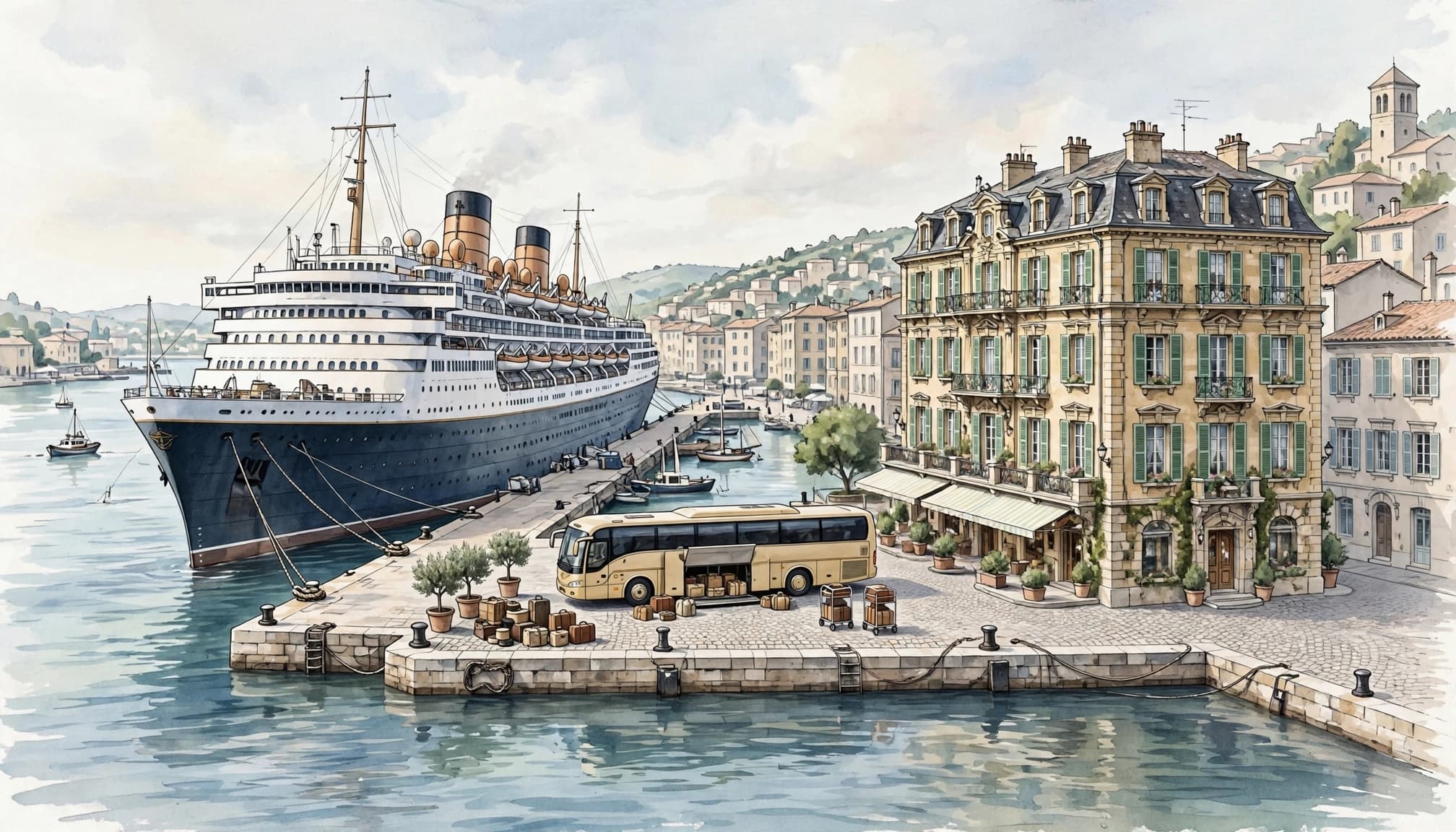
For example, a few days in Rome before sailing from Civitavecchia gives you time to explore the city without squeezing sightseeing into embarkation day. You can also recover from the flight and manage a delayed arrival without immediately facing the ship's boarding schedule.

Post-cruise days can ease the return home

A few nights after disembarkation can be especially useful when the cruise ends far from home or at a different port from where it began. Instead of going straight from the ship to a long-haul flight, you can rest and see the final city.

It's most valuable when you'd regret leaving the destination after a brief visit, or when flight schedules make a same-day departure awkward. However, if you're ready to return home and the extra days add little to your plans, a hotel night or direct transfer may be enough.

Cruise-line package or independent extension?

A cruise-line package can reduce coordination. An independent extension gives you more control over the hotel, schedule, and activities. Neither option is automatically cheaper or better, so compare the actual inclusions.

Factor Cruise-line package Independent extension
Hotel Selected by the cruise line or its program You choose the property
Transfers May be arranged with the package You arrange airport and port transport
Sightseeing May include scheduled tours You choose what to see and when
Planning Fewer separate bookings More research and coordination
Flexibility Usually follows a set schedule Easier to change the pace or length

The table shows the general trade-off, not a guarantee of what any particular package includes. Cruise-line extensions vary, so check the hotel nights, tour schedule, meals, and transfers in the offer. For an independent plan, add the costs of transport and sightseeing before comparing totals.

The cruise-line option favors coordination

A cruise-line package may suit you if you prefer having lodging and transport arranged through one itinerary. That can be useful in an unfamiliar city or when you don't want to manage separate bookings after a long flight. Still, a packaged tour can have a fixed pace and less room for unplanned time.

Independent plans offer choice, with more responsibility

Booking independently lets you select the hotel location, length of stay, and sightseeing. You can choose a slower schedule or spend extra time on a place that matters to you. In return, you'll coordinate the transfer to the ship and allow enough time to reach the terminal.

This same balance applies to flights. Choosing between cruise-line air and independent airfare means weighing coordination and disruption support against control over the itinerary.

Travel fatigue, flexibility, and delay risk

A land stay can create a gentler start to a long voyage, but adding too many activities can leave you tired before boarding. The goal is to make the travel days manageable, not to turn every free hour into a tour.

Build in time to rest

After a long flight, sleep and an unhurried meal may matter more than a packed sightseeing schedule. A pre-cruise extension can give you time to adjust to a new time zone, but its value falls if the itinerary leaves you rushing between attractions and the port.

The same applies after the cruise. If you have several consecutive days of travel ahead, a post-cruise stay can break up the journey. If you're already ready for home, an added hotel night may be all the rest you need.

A buffer helps, but it isn't delay protection

Arriving before embarkation reduces the chance that one late flight will put the whole trip at risk. A hotel stay itself, however, doesn't guarantee assistance if flights are disrupted. Travel insurance may cover reasonable expenses after a qualifying delay, but conditions can include a minimum delay time, a covered cause, or taking the next available transportation.

If you book flights separately, review how your policy handles a missed connection or cruise departure. This guide to coverage for missed connections and travel delays covers the policy terms that can affect your plans.

How to assess the total cost

An extension's price is only one part of the decision. Add the expenses you'd have either way, then compare the complete trip with and without the extension.

Add every travel component

For each option, total the flights, hotel nights, airport transfers, hotel-to-terminal transport, meals, sightseeing, and any local transportation. Include extra luggage charges if they apply to your flights. If you're comparing cruise-line and independent options, use the same number of nights and similar sightseeing plans.

A less expensive hotel may not save money if it's far from the port or requires costly transfers. Similarly, a tour that looks affordable may not include admission or the trip to the attraction. What a world cruise fare includes is a useful starting point for separating included travel from added expenses.

Compare the extension with your alternative

The relevant question isn't only whether the extension is expensive. It's whether the package costs more than a realistic independent plan, and whether the added coordination or activities are worth the difference to you.

For embarkation, price a comparable stay that includes two or three hotel nights, airport and port transfers, and meals. That makes it easier to see whether the package's convenience justifies its premium, or whether independent arrangements offer better value. This guide to planning flights and hotels around your embarkation port outlines the same kind of full-trip comparison.

Match the extension to your priorities

The most worthwhile extension is the one that solves a real travel need. Consider your energy, schedule, and interest in the destination before paying for extra nights or a guided itinerary.

A pre-cruise extension is a strong fit if you're crossing several time zones, want to explore the departure city, or would feel uneasy flying in on embarkation day. It may also suit travelers who prefer a set hotel and transfer arrangement over handling multiple bookings.

A post-cruise extension makes sense when you want more time in the final port, when onward flights are difficult to coordinate, or when a rest day would make the trip home easier. On the other hand, it may be unnecessary if you've already visited the city, have a straightforward flight, or would rather keep the budget for experiences during the voyage.

Your broader itinerary matters too. A long voyage may give you many port visits, but short calls can limit time in individual cities. Consider whether an extension adds a kind of experience you won't get during the sailing. For more planning context, see our guide to world cruise itineraries for first-time passengers.

Key takeaways

  • Add an extension when it buys useful destination time, rest, or a more comfortable arrival.
  • Compare cruise-line packages with an independent plan that includes equivalent hotel nights, transport, meals, and sightseeing.
  • A pre-cruise hotel creates a buffer, but it doesn't replace flight-delay insurance or guarantee help.
  • Choose a schedule that leaves room to recover, especially before boarding a long voyage.

Frequently asked questions

How many days should I add before a world cruise?

Arrive at least one day before the ship departs, particularly after an international flight. Two or three nights can provide more time to rest and explore, especially if the port requires a long transfer from the airport.

Are cruise-line land extensions always more expensive?

There's no single answer. Compare the package with an independent stay of similar length and quality, including transfers and sightseeing. A package may cost more but save planning time; an independent option may offer more control while requiring more coordination.

Is a post-cruise extension necessary?

No. It's most useful when you want more time in the final city, need a break before a long flight, or face limited same-day connections. If you're ready to travel home and the onward flight works well, you may not need extra nights.

Choose the extension that improves the journey

A land extension earns its cost when it gives you something you value: more time in a destination, a calmer boarding day, or a better-paced trip home. Compare the complete cost and the actual inclusions before choosing a cruise-line package or arranging the stay yourself.

If you'd like help weighing a route, travel days, and the costs around embarkation, you can Schedule a Consultation. For more planning guidance, Subscribe to Our YouTube Channel.

Recent Posts

By World Cruise by Design • November 26, 2026
A premium world cruise generally offers a lower starting fare and more choice over what you add, while a luxury voyage often bundles more services into a higher price. The right choice depends on what you'll use and how you want to live aboard for months. The total cost matter...
By World Cruise by Design • November 25, 2026
A good world cruise plan starts with five priorities you both agree on: budget, trip length, itinerary, cabin comfort, and daily life aboard. You don't need identical tastes, but you do need a shared definition of a good trip before comparing sailings. One of you may care most...

By World Cruise by Design • November 24, 2026
Yes, you can arrange power of attorney before a world cruise, and doing so can help someone handle matters at home while you're away. Complete the documents while you have the legal capacity to grant authority, with advice suited to your state or province. A months-long voyage...
By World Cruise by Design • November 23, 2026
A world cruise generally doesn't end your U.S. federal tax filing obligations or your home state's claim that you're a resident. For most travelers, several months aboard are a temporary absence , even when the itinerary circles the globe. The bigger questions arise if you're...
By World Cruise by Design • November 22, 2026
A cruise calling at Honolulu and Hilo gives you two different Hawaiian experiences: Oahu's capital-city sights and beaches, followed by the Big Island's waterfalls and volcanic terrain. A short visit can deliver a rewarding introduction to each, provided you choose one main pr...
By World Cruise by Design • November 21, 2026
Yes, U.S. citizens can vote absentee while traveling on a world cruise, but the rules of their state or territory of voting residence control the process. Start before sailing: request your ballot early, choose a return method your state accepts, and allow extra time for mail...
By World Cruise by Design • November 19, 2026
You can sometimes get a world cruise price adjustment after booking, but a lower advertised fare doesn't automatically change your reservation. Your options depend on the cruise line's terms, your fare type, the promotion, and when you request the change. For a voyage lasting...
By World Cruise by Design • November 18, 2026
Yes, credit card rewards can help pay for a world cruise by reducing the fare, covering flights, or offsetting eligible expenses. For most travelers, though, rewards will cover part of the trip , with cash paying the balance. The right choice depends on where your points have...
By World Cruise by Design • November 17, 2026
A cabin problem during a world cruise starts with a report to the ship's crew. Give them a clear description of what's wrong, explain how it affects your stay, and mention any safety or medical concerns. Over a voyage that can last more than 100 nights, your cabin is much more...
By World Cruise by Design • November 16, 2026
After a world cruise, the customs allowance that matters is the one granted by the country where you enter, not the amount advertised by a duty-free shop. For returning U.S. residents, the usual personal exemption is US$800; for Canadian residents, it's CAN$800 after an absenc...

Show More