
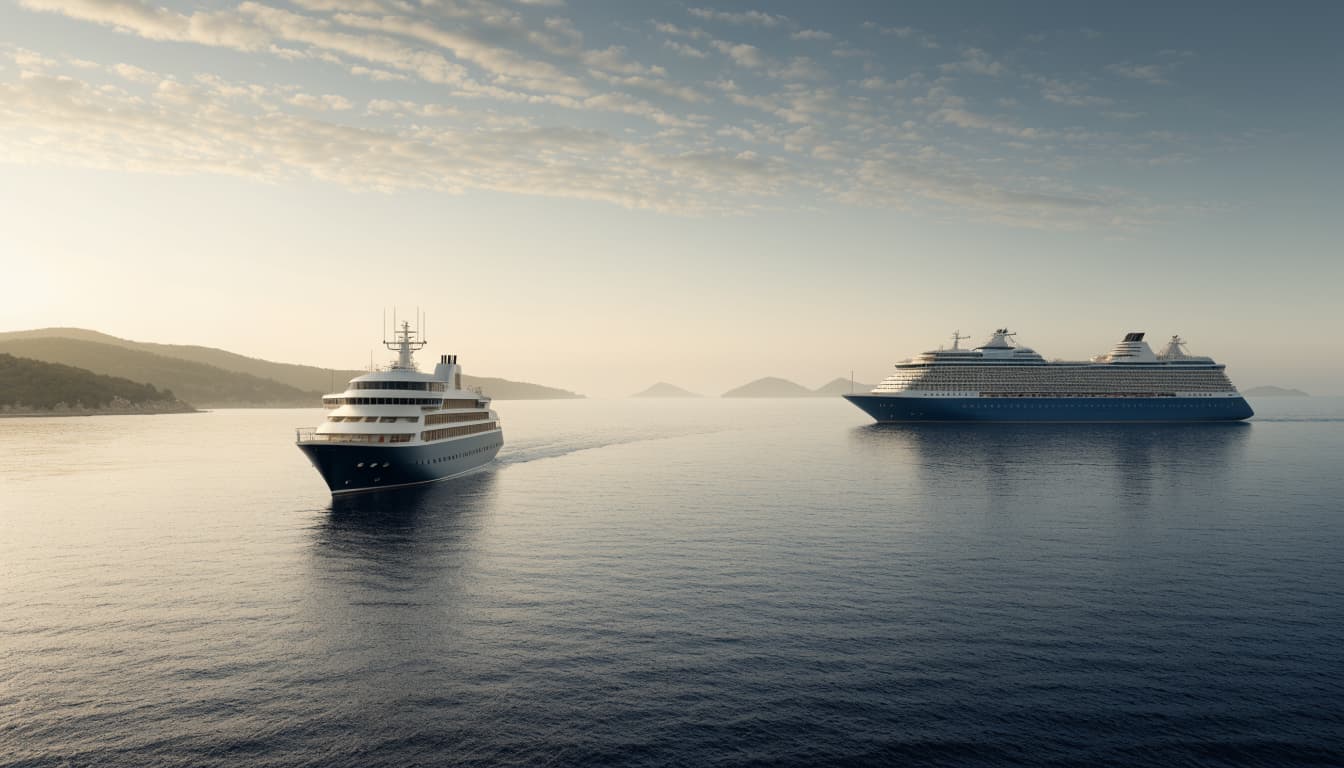

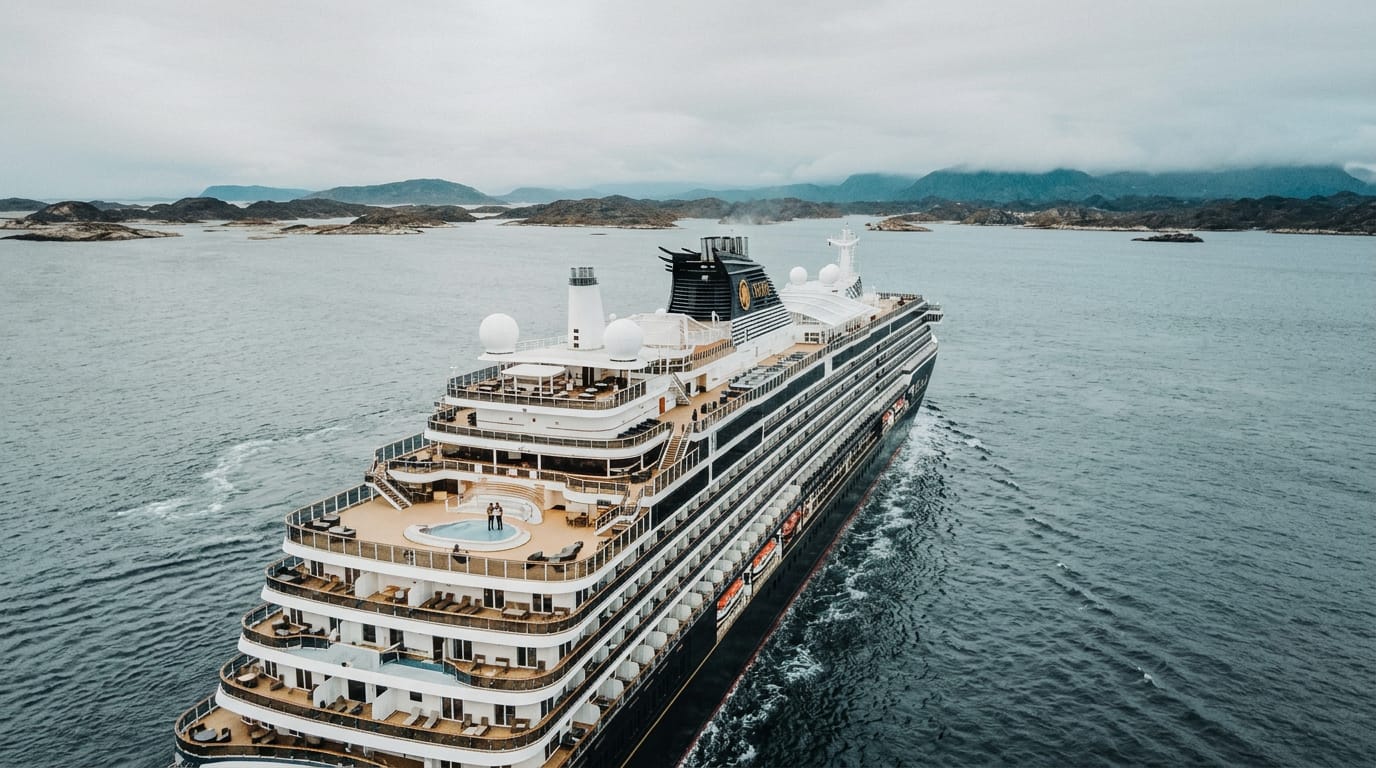
Premium vs Luxury World Cruises: Which Fits You?

World Cruise by Design • November 26, 2026

Share this article

A premium world cruise generally offers a lower starting fare and more choice over what you add, while a luxury voyage often bundles more services into a higher price. The right choice depends on what you'll use and how you want to live aboard for months.

The total cost matters more than the label. Cabin comfort, time ashore, dining, and the ship's atmosphere can all influence whether a voyage feels worth its price.

Key Takeaways

  • Premium fares can leave more room in your budget, especially if you're comfortable paying separately for selected extras.
  • Luxury voyages often include more amenities and attentive service, although their packages differ by line and sailing.
  • A smaller ship can feel more intimate, but it doesn't always have the broadest choice of entertainment or dining venues.
  • Compare the complete trip for everyone in your cabin, including expenses before departure and after disembarkation.

How Premium and Luxury World Cruises Compare

Cruise lines don't use premium and luxury as uniform pricing categories. They are useful starting points, but the ship and fare matter more than the label.

Consideration Premium style Luxury style
Starting fare Often lower, with a wider range of cabin prices Often higher, with more suites and bundled services
Inclusions May offer packages or credits alongside the base fare Often includes more drinks, gratuities, dining, or tours
Atmosphere Can range from sociable and casual to traditional Often quieter, more intimate, and service-focused
Dining Included venues plus possible extra-charge restaurants Often more dining included, though exceptions remain
Shore time Tours may be purchased individually or through a package Selected tours may be included, with paid upgrades

The distinction isn't absolute. A premium fare with a generous package may include more than another line's luxury offer. Likewise, a small ship can belong to either category.

What World Cruise Fares Can Look Like

Use published prices as a starting point

World cruise prices vary widely. Published 2026 examples included a Princess voyage starting at $19,999 per guest and a Holland America Grand World Voyage starting at $30,354 per person. A published Regent Seven Seas Mariner example was about $94,999 per person.

These are historical reference points , not live offers. They involved different ships, cabins, routes, and fare arrangements, so they don't establish a standard price difference between premium and luxury travel. Princess and Holland America also sit closer to the mainstream end of the market than some small-ship premium brands.

Our guide to world cruise costs per person explains the expenses that can sit beyond an advertised fare.

Account for cabin and occupancy

An inside cabin often costs less than a balcony or suite. Over a voyage lasting months, that choice can have a substantial effect on your budget and comfort.

Also look at the occupancy basis. At $19,999 per person based on two sharing, a cabin would total $39,998 before any excluded expenses. Solo pricing can follow a different structure and may include a supplement.

What's Included in the Fare?

A standard cruise fare generally covers your cabin, transportation between scheduled ports, meals in designated venues, and access to common areas. It doesn't automatically cover every drink, restaurant, tour, or service on board.

Everyday expenses

Wi-Fi, gratuities, laundry, specialty coffee, and alcoholic drinks can add up over a long sailing. Luxury fares often include more of these, but coverage can have limits. For example, an included internet plan may not provide the connection or number of devices you need.

Premium travelers may be able to add a package or pay only for what they use. If you rarely drink alcohol and prefer independent sightseeing, that flexibility could be worth more than a bundled offer.

Our breakdown of what world cruise fares include separates common base-fare benefits from potential extras.

Flights, hotels, and credits

Airfare, transfers, and hotel stays can make a higher fare more useful, particularly when a voyage begins and ends in different cities. However, an air benefit may apply only to certain gateways, flight classes, or routing arrangements.

Treat onboard and excursion credits as money you can use for eligible purchases, rather than an automatic cash discount. A credit has less value to you if it covers a service you wouldn't otherwise buy.

Ship Size, Service, and Life on Board

The daily atmosphere

The ship is your home on sea days and your base between ports. Larger ships may offer more public spaces and entertainment, while smaller vessels often feel easier to get around and more intimate. Smaller doesn't necessarily mean less social, and it may come with fewer venues.

Our comparison of Seabourn and Azamara voyage styles illustrates the distinction. Seabourn emphasizes an all-suite luxury experience, while Azamara offers a sociable small-ship atmosphere with a strong focus on time ashore.

Service and cabin comfort

Luxury lines often emphasize attentive, personalized service. On a long voyage, that might matter most in ordinary moments, such as dining preferences or the ease of getting help. Premium ships can offer warm, capable service too, although the experience varies.

Cabin layout deserves as much attention as the service description. Storage, bathroom space, noise, and access to a balcony can influence your routine for weeks. Our guide to choosing a cabin for a six-month cruise covers those practical decisions.

Dining Over Several Months

A special dinner is easy to appreciate on any cruise. On a world voyage, the more important question is whether the everyday food and dining routine will suit you.

Premium ships may offer a main dining room, casual venues, and specialty restaurants that cost extra or are available through a package. Luxury lines often include more specialty dining, but a reservation, limited availability, or a charge for a particular experience can still apply.

Consider the pace you prefer. Some travelers enjoy a long dinner with familiar tablemates; others want a quick meal after a full day ashore. Menu variety and flexible dining hours can matter more than the number of restaurants listed.

Dietary needs also belong in the comparison. A ship that can accommodate your preferences consistently may be a better fit than one with a more impressive-sounding restaurant list.

Shore Excursions and Time Ashore

Included tours versus independent plans

A port call doesn't automatically include a guided visit. Some fares include selected excursions, while others provide a credit or leave tours to your own budget.

Viking's World Voyage III material, for example, describes a 170-day voyage with 82 guided tours. That organized approach may appeal if you want an introduction to each destination. However, an included overview tour may not match your interests in every port, and premium excursions can cost extra.

Independent plans offer more choice over pace and activities. They also leave you responsible for local logistics and returning before the ship's all-aboard time.

Port days have different costs

A fare that includes a tour may still leave you paying for a taxi, lunch ashore, admission, or an evening out. In other ports, you may prefer to explore independently or stay aboard.

Build a shore budget around what you'd choose to do, rather than assigning full value to every included tour. If you prefer private guides, add those costs to both options where they aren't included.

Itinerary Choices Matter as Much as the Ship

A world voyage doesn't have to follow one standard route. Cruise lines use different names for long itineraries, and a sailing doesn't need to complete a full circumnavigation to offer months of travel across several regions.

Look beyond the number of ports. An overnight stay gives you different options than a short daytime call, while several consecutive sea days create a different rhythm from a port-heavy schedule. Some ships may reach smaller ports that larger vessels can't easily visit, although access depends on the individual itinerary.

Embarkation and disembarkation cities matter, too. A round-trip voyage may simplify flights, while a journey between different cities can offer a route you prefer. Either can be worthwhile when its schedule fits your available time.

For more on the day-to-day commitment, see our guide to deciding whether a world cruise suits you.

How to Choose Based on Your Priorities

Choose premium for flexibility and a lower entry price

A premium-style voyage may suit you if the route comes first and you'd rather direct your budget toward a balcony, private tours, or extra travel. Paying separately can work well when you won't use every bundled benefit.

It can also appeal if you enjoy a sociable ship with varied activities. Compare the fare with your expected spending, rather than assuming the lower starting price will remain the lower total.

Choose luxury for inclusions and onboard comfort

A luxury voyage may suit you if you value a suite, a quieter setting, and services included in the fare. The higher price can be easier to assess when it covers things you'd otherwise buy, such as selected excursions, gratuities, or drinks.

Even within luxury, experiences differ. Our Regent and Silversea comparison looks at how their ships, inclusions, and dining compare on long voyages.

Compare the full trip on the same basis

For each option, start with the total cabin price for everyone traveling. Add taxes and fees if excluded, then add the flights, hotels, transfers, excursions, drinks, internet, and laundry you expect to use. Include insurance, visas, medical expenses, and costs that continue at home.

Use the same assumptions for both voyages. A lower fare may remain the better value, or a more inclusive fare may narrow the gap. The answer depends on your actual plans.

You can also Subscribe to Our YouTube Channel for more discussions about world cruise ships and planning.

Find the Voyage You'll Enjoy Every Day

The best choice is the one that fits your budget and the way you want to spend your time aboard. A premium fare may give you more freedom to select extras, while a luxury fare may make more sense when you value its included services.

Compare the complete trip , then give the ship and itinerary equal attention. You'll be living with both long after the initial fare becomes a memory.

If you'd like help comparing options, Schedule a Consultation to discuss your priorities with us.

Recent Posts

By World Cruise by Design • November 25, 2026
A good world cruise plan starts with five priorities you both agree on: budget, trip length, itinerary, cabin comfort, and daily life aboard. You don't need identical tastes, but you do need a shared definition of a good trip before comparing sailings. One of you may care most...
By World Cruise by Design • November 24, 2026
Yes, you can arrange power of attorney before a world cruise, and doing so can help someone handle matters at home while you're away. Complete the documents while you have the legal capacity to grant authority, with advice suited to your state or province. A months-long voyage...
By World Cruise by Design • November 23, 2026
A world cruise generally doesn't end your U.S. federal tax filing obligations or your home state's claim that you're a resident. For most travelers, several months aboard are a temporary absence , even when the itinerary circles the globe. The bigger questions arise if you're...
By World Cruise by Design • November 22, 2026
A cruise calling at Honolulu and Hilo gives you two different Hawaiian experiences: Oahu's capital-city sights and beaches, followed by the Big Island's waterfalls and volcanic terrain. A short visit can deliver a rewarding introduction to each, provided you choose one main pr...
By World Cruise by Design • November 21, 2026
Yes, U.S. citizens can vote absentee while traveling on a world cruise, but the rules of their state or territory of voting residence control the process. Start before sailing: request your ballot early, choose a return method your state accepts, and allow extra time for mail...
By World Cruise by Design • November 20, 2026
A cruise land extension is worth the added cost when it gives you meaningful time in a destination, takes pressure off embarkation day, or makes a long journey easier to manage. For a world cruise, the decision matters because flights, hotels, transfers, and extra days ashore...
By World Cruise by Design • November 19, 2026
You can sometimes get a world cruise price adjustment after booking, but a lower advertised fare doesn't automatically change your reservation. Your options depend on the cruise line's terms, your fare type, the promotion, and when you request the change. For a voyage lasting...
By World Cruise by Design • November 18, 2026
Yes, credit card rewards can help pay for a world cruise by reducing the fare, covering flights, or offsetting eligible expenses. For most travelers, though, rewards will cover part of the trip , with cash paying the balance. The right choice depends on where your points have...
By World Cruise by Design • November 17, 2026
A cabin problem during a world cruise starts with a report to the ship's crew. Give them a clear description of what's wrong, explain how it affects your stay, and mention any safety or medical concerns. Over a voyage that can last more than 100 nights, your cabin is much more...
By World Cruise by Design • November 16, 2026
After a world cruise, the customs allowance that matters is the one granted by the country where you enter, not the amount advertised by a duty-free shop. For returning U.S. residents, the usual personal exemption is US$800; for Canadian residents, it's CAN$800 after an absenc...

Show More