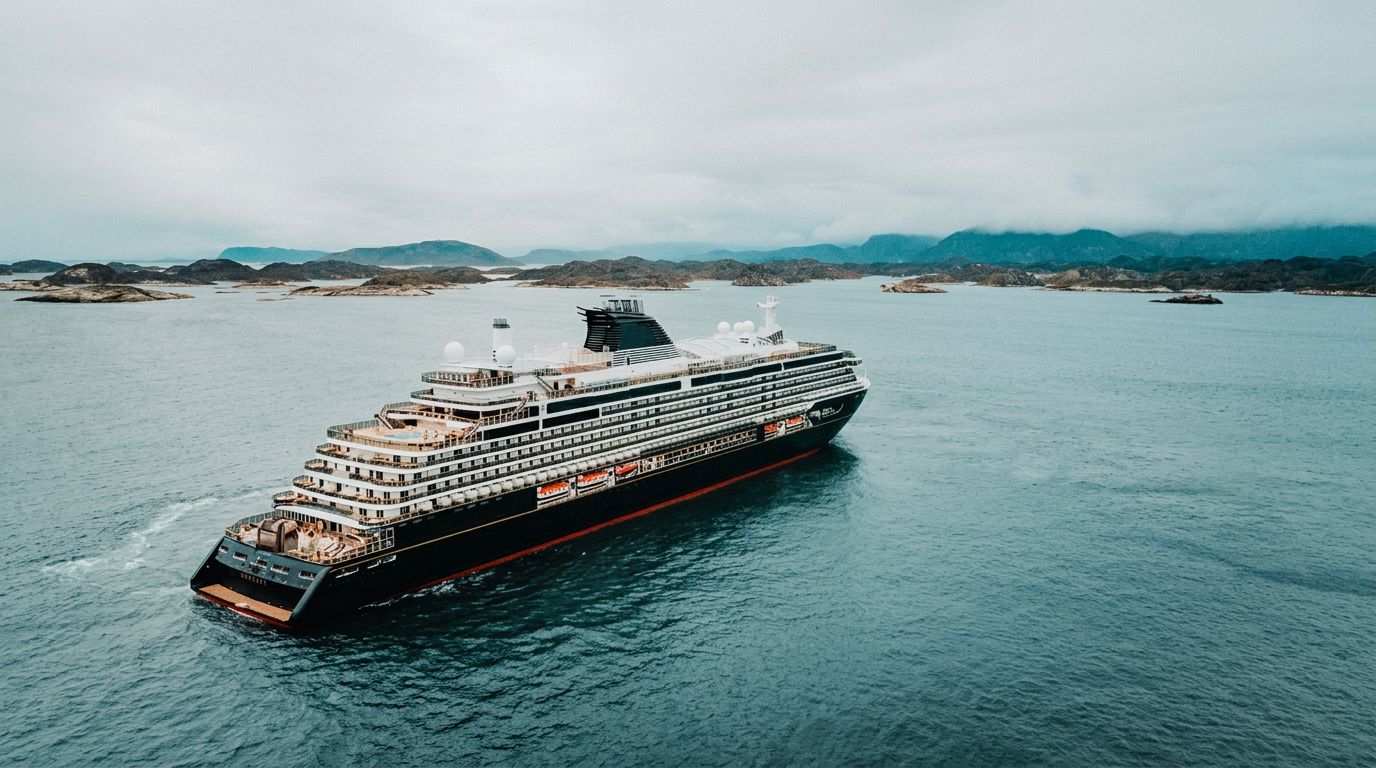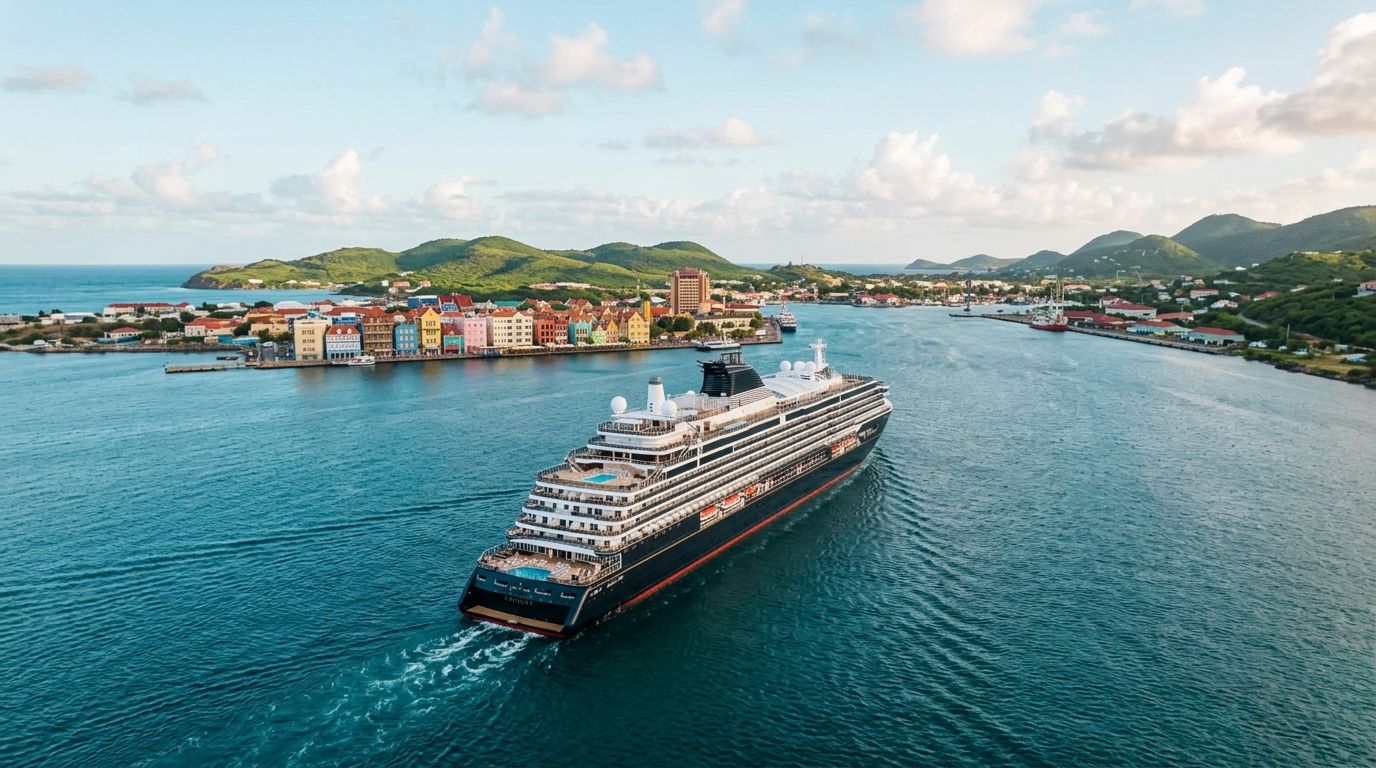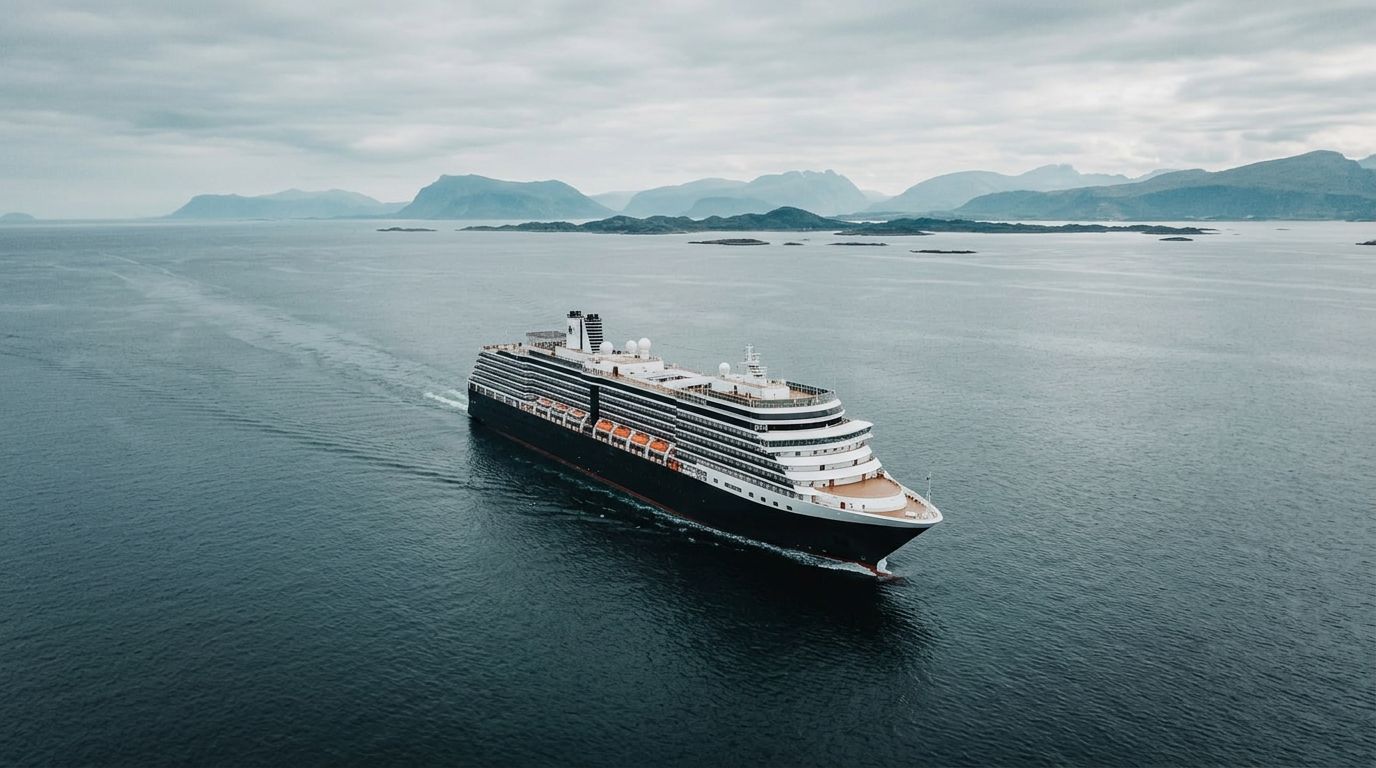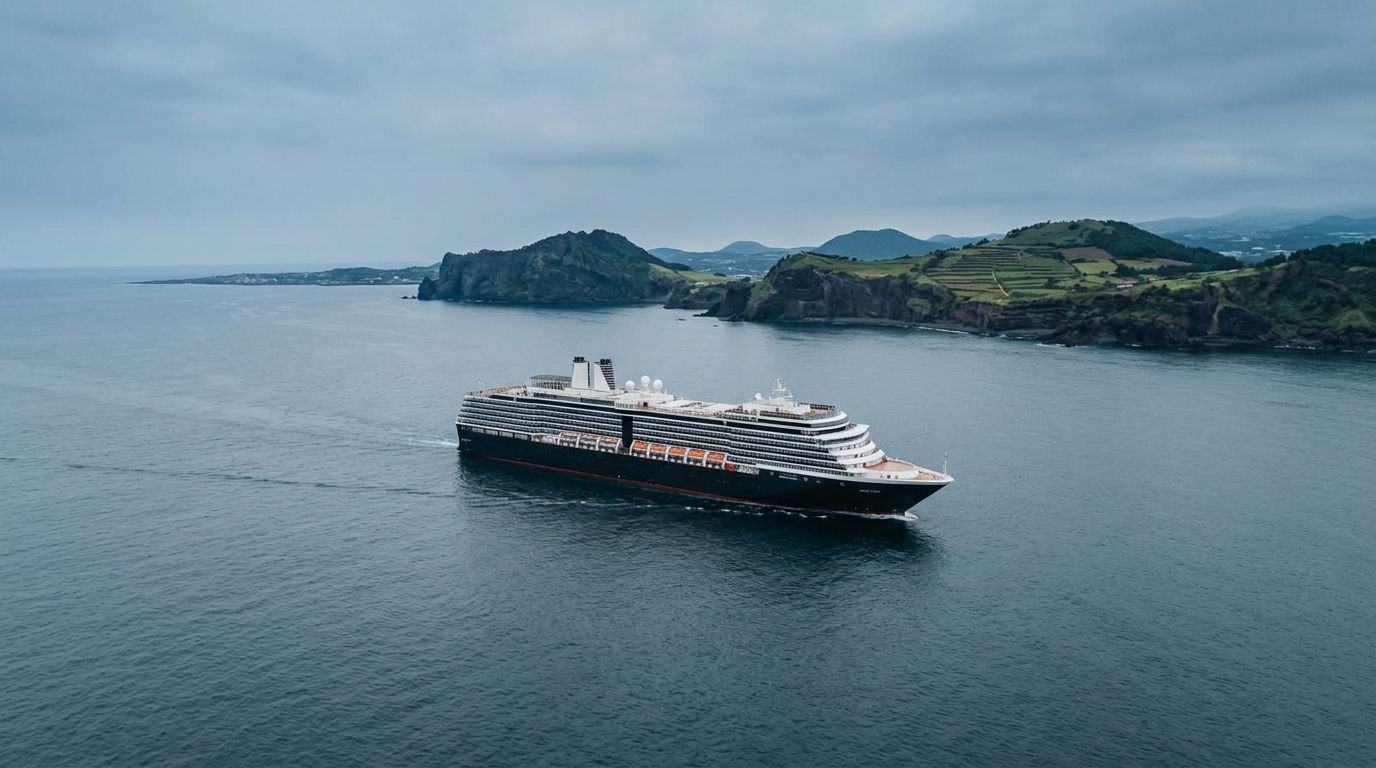
World Cruise Cost Per Person in 2026
A six-month sailing can cost less than some luxury vacations, or more than a house. In 2026, a realistic world cruise cost is about $30,000 to $65,000 per person for an inside, ocean-view, or balcony cabin, while premium suites can exceed $200,000.
Those prices usually assume two people share a cabin. The final amount depends on the cruise line, itinerary, sailing date, cabin type, promotions, included services, and the expenses you add before, during, and after the voyage.
How Much Does a World Cruise Cost Per Person?
Current 2026 pricing shows a broad range. The figures below are planning estimates based on published examples, not guaranteed quotes.
| Cabin type | Realistic 2026 planning range per person | Published example |
|---|---|---|
| Inside | $30,000 to $40,000 | Holland America, $30,354 |
| Ocean-view | $32,000 to $45,000 | Holland America, $32,554 |
| Balcony | $40,000 to $70,000 | Category and line vary |
| Suite | $55,000 to $250,000 or more | Holland America and Oceania examples |
Holland America listed its 132-night 2026 Grand World Voyage at $30,354 per person for an inside cabin and $32,554 for an ocean-view cabin. The advertised fare included taxes and fees and assumed double occupancy.
Prices can move significantly when a promotion ends or a sailing fills. One comparison listing showed a lower inside-cabin figure of $26,799 for the same general voyage, which shows why you should compare the current booking quote rather than rely on one published number.
Inside and ocean-view cabins
Inside cabins usually provide the lowest entry price. They have no window, but they can work well for travelers who spend most of the day ashore or in public areas.
An ocean-view cabin adds natural light and an outside window. The price increase may feel reasonable on a long itinerary, especially when you spend several consecutive sea days onboard. However, ocean-view cabins don't always have more floor space than inside cabins.
Balcony cabins and suites
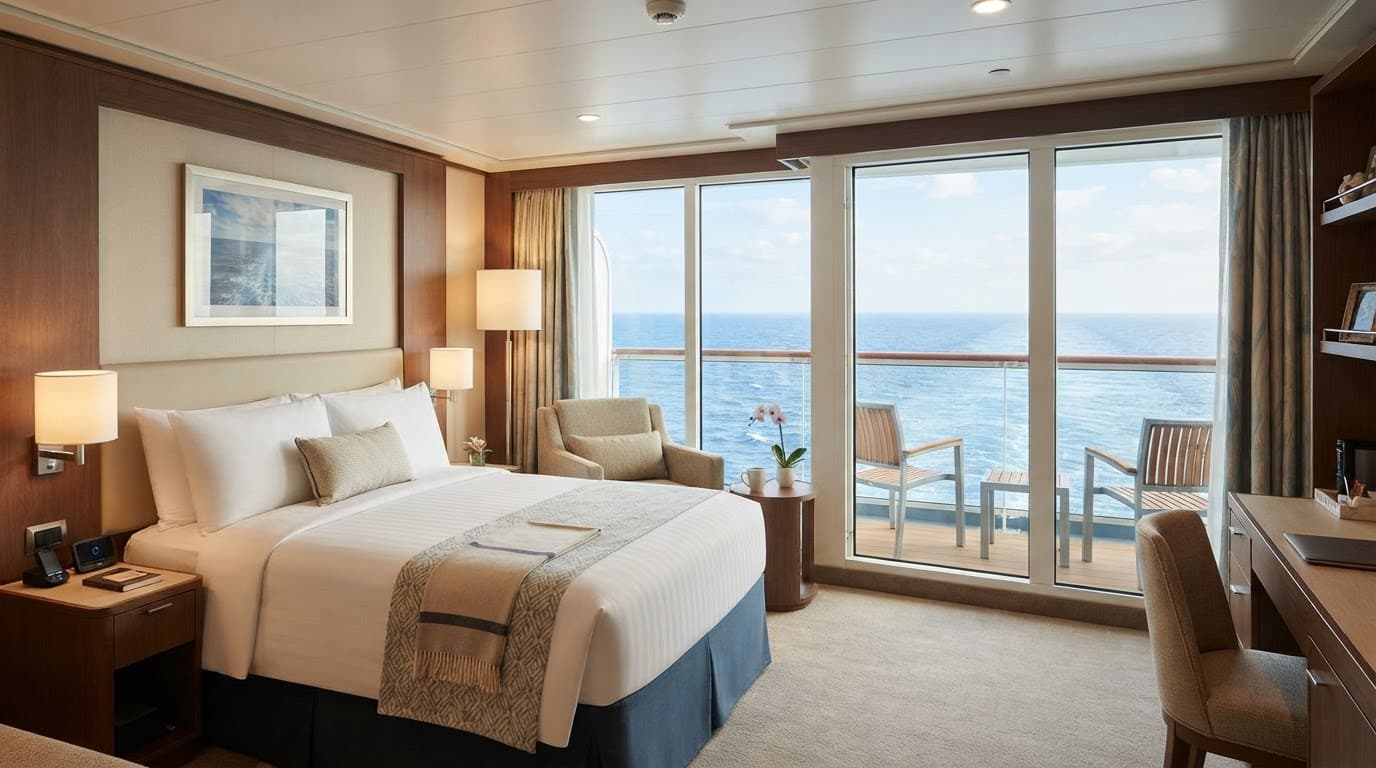
Balcony cabins cost more because they provide private outdoor space. On some ships, the category may be called a veranda, terrace, or lanai. Holland America's published example listed a Lanai cabin at $47,954 per person, although it isn't identical to a standard private balcony.
Suites raise the fare much faster. Holland America's 2026 examples included Vista Suites at $55,954, Neptune Suites at $99,654, and Pinnacle Suites at $235,054 per person. Oceania showed an Owner's Suite at $246,299 per person.
2026 World Cruise Prices by Cruise Line
Cruise lines price long voyages very differently. Comparing the fare alone can be misleading because an entry-level premium fare may exclude costs that a luxury line includes.
Holland America offers a lower starting fare
Holland America's 2026 Grand World Voyage lasted 132 nights. The published price range ran from $30,354 per person for an inside cabin to $235,054 for a Pinnacle Suite.
The fare is described as cruise-only, although the voyage planner includes practical benefits such as Surf Wi-Fi, luggage delivery, an air credit, group transportation on certain travel days, and onboard credits that vary by category. It isn't an all-inclusive luxury fare, so travelers need to check the exact package attached to their booking.
For a couple sharing an inside cabin, the quoted cruise fare would be about $60,708 before optional expenses. That figure covers the two cruise fares, not the complete travel budget.
Oceania and Regent charge more but include more
A 180-night Oceania 2026 Around the World sailing was listed at $56,637 per person. Its package included round-trip first-class airfare, airport transfers, prepaid gratuities, specialty dining, unlimited Starlink Wi-Fi, drinks such as champagne and wine with meals, laundry services, and shore-excursion credit.
Regent Seven Seas sat at a much higher luxury price point. Its 2026 brochure showed fares between €186,119 and €245,369 per person for the suite categories shown. Regent's fare included unlimited shore excursions, drinks, specialty restaurants, prepaid gratuities, laundry, Wi-Fi, and transfers between the airport, hotel, and ship.
Cunard confirms that breakfast, lunch, and dinner in the main dining venue are included in its standard cruise fare. However, a comparable 2026 full-voyage price wasn't available in the current fare information, so avoid treating a generic Cunard figure as a verified world cruise price.
What a World Cruise Fare Usually Includes
A base fare normally covers your cabin, the ship's transportation between ports, main dining, and scheduled entertainment. The details change by line and fare type.
Core cruise inclusions
Most fares include:
- Accommodation for the full itinerary
- Breakfast, lunch, and dinner in designated dining venues
- Access to pools, fitness areas, lectures, and scheduled entertainment
- Transportation between the listed ports
- Port taxes and fees when the fare states that they are included
- Basic room service or in-room dining, depending on the line
The word "basic" matters. A meal in the main dining room may be included while a premium steakhouse carries an extra charge. Similarly, a limited Wi-Fi plan may be included without covering high-speed streaming.
Luxury packages can change the calculation
Oceania and Regent include more services than a typical cruise-only fare. Airfare, transfers, Wi-Fi, drinks, laundry, gratuities, and excursions can add thousands of dollars when purchased separately, so their higher advertised prices don't tell the whole story.
Holland America includes useful credits and travel benefits, but travelers should still check charges for gratuities, drinks, excursions, and internet. The booking confirmation should state whether each item is included, discounted, credited, or excluded.
A lower fare isn't always the lower trip cost. Compare the services inside each package before comparing prices.
Costs Commonly Excluded From the Advertised Fare
A world cruise can cover your room and meals while leaving several major expenses outside the headline price.
Flights, hotels, insurance, and visas
Airfare is often separate on traditional cruise fares. Holland America's air credit can reduce the cost, while Oceania's 2026 package lists first-class round-trip airfare as included. Confirm the air terms, because included flights may have routing rules, departure windows, or limits.
You may also need a hotel before the ship leaves and another after it returns. Add travel insurance, medical coverage, cancellation protection, and visa fees for the countries on your itinerary. Visa requirements depend on your passport, the number of days in each country, and whether the ship uses transit or entry permissions.
Gratuities, excursions, drinks, and internet
Daily gratuities become a major line item on a four- to six-month voyage. If a line charges $20 per person per day, 132 nights would create a $2,640 charge per person. The actual rate depends on the line, cabin category, and booking package.
Shore excursions can cost little for a walking tour or hundreds of dollars for a private experience. Popular ports may also require transportation, meals ashore, or overnight hotel arrangements.
Drinks and Wi-Fi create smaller daily charges that accumulate over time. A coffee, cocktail, premium beverage package, or faster internet plan may seem manageable for one week, but the total changes over 132 or 180 nights. Personal shopping, laundry outside the included allowance, medical care, casino spending, and phone charges belong in the same budget.
Double Occupancy Versus Solo Pricing
Cruise fares are usually advertised per person based on double occupancy . That means the listed price applies to each of two guests sharing one cabin.
For example, two travelers booking a $30,354 inside cabin would pay $60,708 in cruise fare. A solo traveler doesn't normally pay only $30,354 because the cruise line loses the second guest's fare while still selling one cabin.
How solo pricing works
Many cruise lines apply a single supplement. Depending on the sailing and cabin, a solo guest may pay 50% to 100% more than the double-occupancy per-person price, or even more for limited categories.
Using the $30,354 example, a 50% supplement would produce an estimated cabin fare of $45,531. A 100% supplement would bring the total to $60,708. These calculations illustrate the pricing structure, not a guaranteed solo quote.
Solo discounts can reduce the supplement
Oceania advertises savings of up to 50% for solo travelers on select sailings and categories. Its brochure also separates single-occupancy fares from standard double-occupancy pricing.
Holland America's voyage planner lists solo-specific onboard credit amounts. For example, the Pinnacle Suite benefit showed $1,000 per solo guest, compared with $4,000 per guest for a double-occupancy booking. Ask for the full solo fare, included credits, and cancellation terms before comparing it with a shared cabin.
How to Estimate Your Total World Cruise Budget
Start with the cruise fare, then add every service that the fare doesn't include. A useful calculation is:
Total budget = cruise fare + travel before and after the voyage + onboard charges + shore expenses + insurance and visas + personal spending
For a couple in Holland America's quoted inside cabin, begin with $60,708. A practical planning reserve of $10,000 to $25,000 for flights, hotels, gratuities, excursions, drinks, internet, insurance, visas, and miscellaneous spending produces a rough total of $70,708 to $85,708.
That reserve can be lower when airfare, gratuities, Wi-Fi, drinks, and excursions are included. It can also rise sharply if you choose private tours, premium beverages, multiple hotel nights, business-class flights, or a suite.
Before paying a deposit, request an itemized quote showing the fare, taxes, fees, included credits, gratuities, airfare, transfers, cancellation rules, and payment schedule. Then price the excluded items separately for every traveler.
Conclusion
A realistic 2026 world cruise cost starts around $30,000 per person for an inside cabin on a premium line. Ocean-view and balcony cabins commonly move into the $30,000 to $70,000 range, while luxury suites can exceed $200,000.
The quoted fare is only the starting point unless the cruise line clearly includes airfare, excursions, drinks, Wi-Fi, gratuities, and transfers. Compare the full package, then add your own travel and spending costs so the final budget reflects the voyage you actually want.
Recent Posts