European Cruise Ports: Lisbon, Barcelona and Greek Isles
A memorable port name doesn't guarantee a memorable day ashore. When comparing European cruise ports on a world cruise, the strongest itinerary gives you usable time , manageable transfers, and room to enjoy each destination.
Lisbon and Barcelona offer city days, while the Greek Isles introduce several distinct island experiences. Their appeal depends on how your ship arrives and how much time remains after getting ashore.
Start with those differences before deciding which route deserves your booking.
What makes these European calls different on a world cruise?
Lisbon, Barcelona, and the Greek islands offer different rewards. Lisbon combines a river arrival with historic neighborhoods. Barcelona invites a day of architecture and city life. Greek island calls can emphasize volcanic scenery, medieval streets, or waterfront towns.
However, a regional label such as "Greek Isles" tells you less than an individual port name. Santorini, Rhodes, and Corfu occupy different island groups and have different shore-access arrangements.
These distinctions help frame your choice:
| Destination | Main appeal | Port-day planning priority |
|---|---|---|
| Lisbon | Riverfront squares and historic streets | Match your walking route to the terminal |
| Barcelona | Architecture and urban exploration | Allow for the terminal-to-city connection |
| Greek Isles | Varied island scenery and culture | Plan each island separately |
Choose the itinerary that gives your preferred experiences enough time. A longer destination list can disappoint when most calls require hurried transfers.
Our guide to first-time world cruise planning puts port hours, sea days, and personal interests alongside the headline route.
Lisbon: historic sights from two central cruise terminals
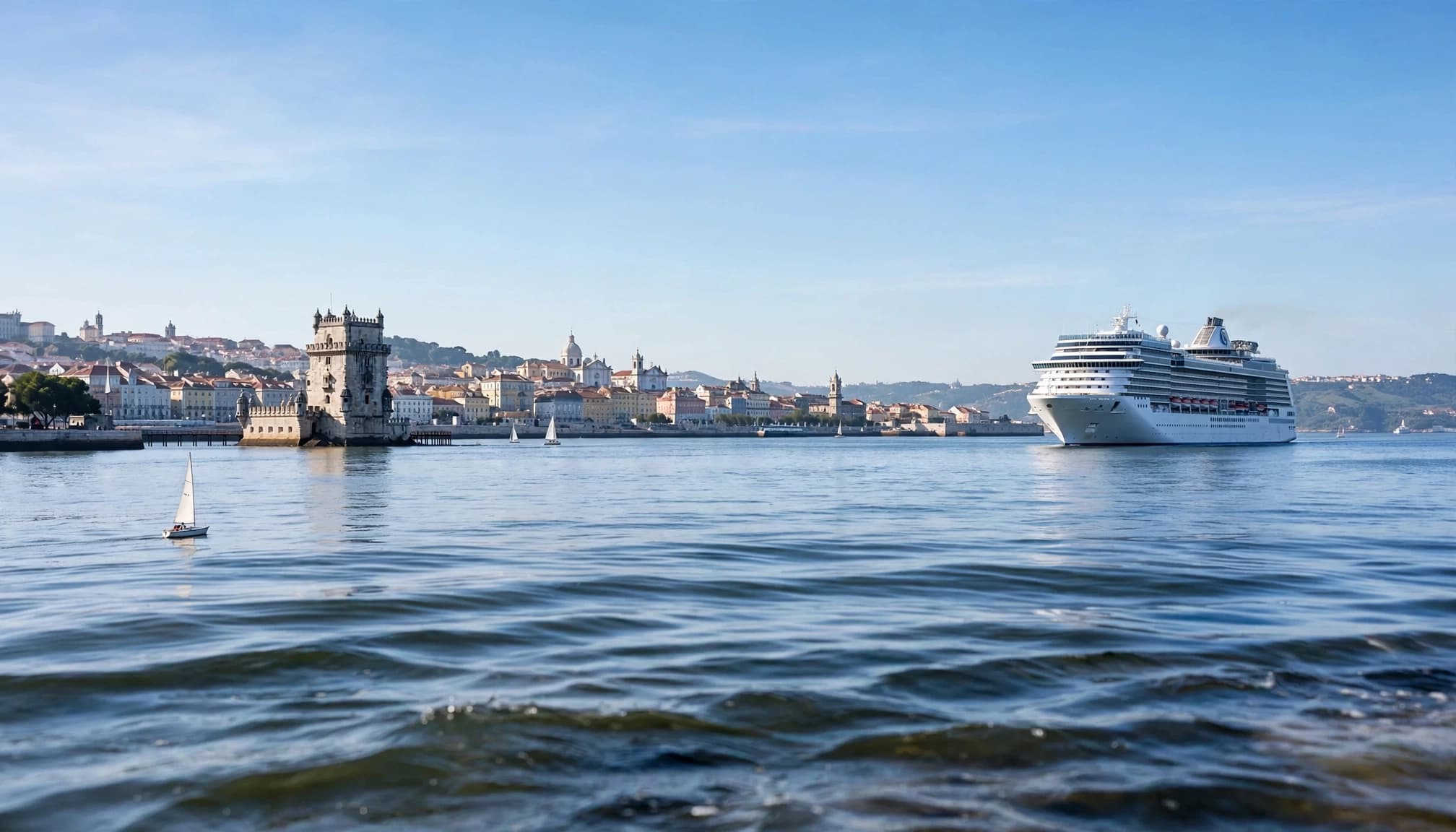
Lisbon's position on the Tagus makes the approach part of the experience. Once ashore, the waterfront provides a starting point, although uphill sightseeing requires more effort.
Santa Apolónia and Jardim do Tabaco
Lisbon Cruise Port identifies Terminal de Cruzeiros de Lisboa at Doca Jardim do Tabaco and Terminal de Passageiros de Santa Apolónia. The two terminal buildings are within walking distance of each other.
Santa Apolónia railway station sits across the avenue from its passenger terminal. Nearby Blue Line metro stations include Santa Apolónia and Terreiro do Paço.
These connections support independent exploration from those terminals. However, central access doesn't make every sightseeing route easy. Lisbon's hills and uneven paving matter when choosing footwear, tour activity levels, and how far to walk.
A vehicle-supported outing can reduce climbing while preserving time for a short walk.
Pick a few central sights
Praça do Comércio is a waterfront starting point, with its broad square, statue, and monumental arch. Rua Augusta Arch adds another historic focal point nearby.
For a different perspective, the Carmo Archaeological Museum occupies the remains of a Gothic church damaged in the 1755 earthquake. Its roofless nave offers a striking contrast to the open riverfront.
Choose a compact route rather than combining every landmark. A waterfront walk and one museum can leave room for lunch without turning the day into a race.
The museum visit adds an uphill component, so it suits a different pace than a largely waterfront outing.
Barcelona: distinguish the terminal before planning the day
Barcelona offers enough variety for several visits. On a single port day, the terminal connection should shape your plans before the sightseeing list does.
World Trade Center or Moll Adossat
The Port of Barcelona distinguishes the World Trade Center terminals from those at Moll Adossat. Its passenger information describes World Trade Center terminals as close to public transport, while Moll Adossat has a cruise-bus connection toward the city.
That distinction affects how quickly your independent day can begin. A berth in Barcelona doesn't automatically place you beside the streets you want to explore.
For a short call, concentrate on one area and one main experience. A longer stay gives you more scope to combine architecture with an unhurried meal.
Avoid treating the terminal transfer as time you can also spend sightseeing.
Portbus connections
Barcelona's T-3 Portbus connects the cruise terminals with city transport. Connections include Drassanes metro station on Line 3, alongside several city bus routes.
For confident transit users, that creates a way into Barcelona's wider transport network. However, changing vehicles still consumes time and requires more walking than a direct transfer.
A private vehicle or organized excursion may better suit travelers who want fewer transitions or have limited stamina. Independent transport offers more freedom to linger once you reach your chosen neighborhood.
Whichever approach you choose, build the day around the return journey as well as the outbound trip. Keep the final activity close enough to your return connection that a delay remains manageable.
The Greek Isles: plan by island, not by region
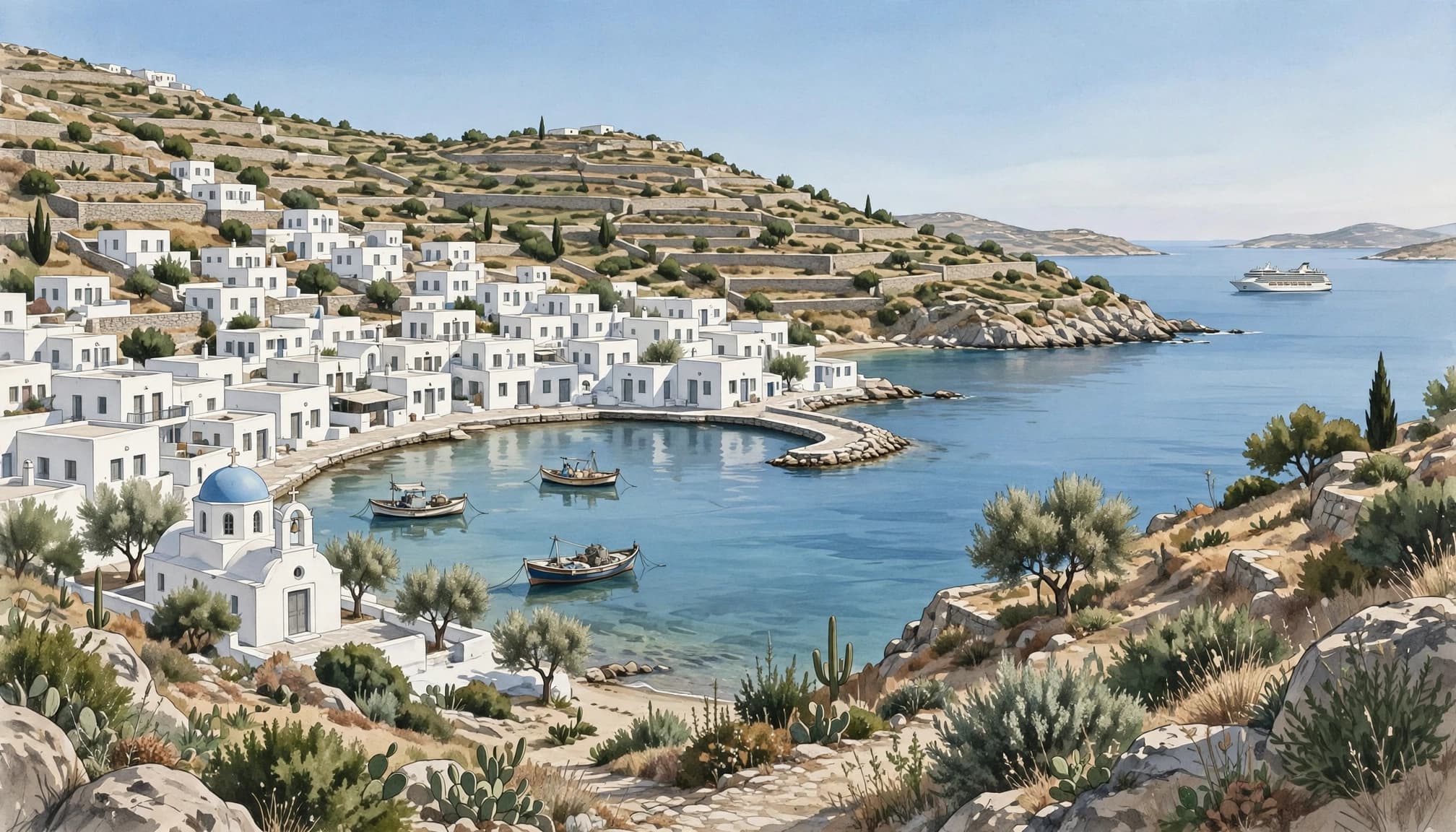
The Greek Isles are a region of varied ports, not one destination. Santorini belongs to the Cyclades, Rhodes to the Dodecanese, and Corfu lies in the Ionian Sea.
Santorini's caldera access
Santorini combines volcanic scenery with more involved shore access. Cruise ships anchor in the caldera, so getting ashore differs from stepping directly onto a city pier.
Fira access can involve a cable car or a steep route of 587 steps. That climb makes walking ability and heat tolerance important considerations.
Tender operations and queues can reduce sightseeing time. Therefore, a short call favors a focused plan rather than several widely separated stops. The views may be the day's priority, with less ground covered than in a conventional city port.
Rhodes and its historic character
Rhodes offers a different setting, with medieval streets rather than Santorini's cliff-top scenery. Its Tourist Port has a passenger terminal, and the Hellenic Ports Association lists a taxi station 30 meters away.
That nearby taxi access is useful when a vehicle-supported day fits your needs. However, proximity to transport doesn't define an excursion's total walking requirements.
Choose between a history-focused outing and a broader island drive. Combining both can leave less time to appreciate the streets and buildings that make Rhodes distinctive.
Corfu's city connection
Corfu brings an Ionian setting and a town shaped by Venetian influence. Corfu City Bus Line 15 connects the port with the city center at San Rocco Square.
The route also serves the airport and intercity bus station. For a town-focused visit, it provides an established public-transport option.
Corfu deserves its own shore plan, rather than a repeat of Santorini's priorities.
Compare port time, transfers and sea days
The best route for you depends on more than whether these names appear on the map. Read each call as a complete day, including transport and recovery time.
Measure time you can use
Published arrival and departure times aren't the same as sightseeing hours. Disembarkation, transfers, tender queues, and the ship's all-aboard deadline reduce the available window.
A late departure can support a continuous day ashore, including dinner. An overnight offers more flexibility, but returning aboard and heading out again means repeating the transfer.
An overnight gives you more potential shore time, but repeated terminal-to-city journeys can consume part of that advantage.
Our comparison of overnight calls and late departures explains how those arrangements affect the day you can enjoy.
Protect your energy across consecutive calls
Several consecutive port days can become demanding, especially with hills, summer heat, and early excursion departures. An itinerary with occasional sea days gives you time to recover.
That matters on a months-long voyage. You may enjoy an ambitious guided visit in Barcelona, then prefer a shorter town walk on an island call.
Avoid booking every day at the same intensity. Reserve your longest excursions for the destinations that matter most.
Our guidance on balancing sightseeing and rest helps turn an appealing route into a comfortable daily rhythm.
Choose shore excursions for the day you want
A luxury voyage should leave room for enjoyment ashore. The right touring format depends on the destination, access arrangements, and your preferred pace.
Guided touring versus independent exploring
An organized excursion combines transport and sightseeing within a planned schedule. That can be helpful when the day's main experience requires several transfers.
Independent exploration suits compact plans, such as a Lisbon waterfront walk or a Barcelona neighborhood visit. It also gives you control over meal times and rest stops.
Private touring adds another option when you want fewer companions or a more tailored pace. However, a vehicle doesn't eliminate walking at historic sites.
Compare the actual activity description with your abilities. Steps, slopes, standing time, and uneven surfaces matter more than a tour's luxury label.
Leave room for lunch and local life
Lunch can be part of the destination rather than a hurried break between attractions. A slower meal also provides relief during a demanding walking day.
Our guide to food-focused Mediterranean port days offers another way to choose your priorities.
Across several European calls, vary the emphasis. Architecture in one city and a relaxed island afternoon can create a more satisfying sequence than repeating a full-day sightseeing marathon.
Leave some time uncommitted so the port day can breathe.
Key Takeaways
- Lisbon's Jardim do Tabaco and Santa Apolónia terminals offer access to central sightseeing and public transport.
- Barcelona's terminal location affects the start of your day, with Moll Adossat served by a cruise-bus connection.
- Santorini, Rhodes, and Corfu require separate plans because their shore access and experiences differ.
- Overnight stays, transfer time, and sea-day spacing deserve as much attention as the destination list.
Frequently Asked Questions
Can you explore these ports independently?
Yes, focused independent plans are possible. Lisbon's central terminals have public-transport connections, Barcelona's Portbus links terminals with city transport, and Corfu's Line 15 serves the port and city center.
However, Santorini's anchored arrival adds tender and hillside-access considerations. Choose a manageable route rather than assuming every island offers the same easy walk ashore.
Does a world cruise include all three destinations?
It depends on the itinerary. A voyage may include Lisbon, Barcelona, selected Greek islands, or a different European sequence.
Even when all three appear, their value depends on call length and access arrangements. A route with fewer European stops may suit you better if it provides longer stays in the places you most want to experience.
Choose the Route That Gives You Time Ashore
Lisbon, Barcelona, and the Greek Isles can bring rewarding variety to a long voyage. Their value grows when the itinerary gives you time and energy to enjoy them.
Choose city calls and island stops for the experiences they make possible. Give terminal access and daily pace the same weight as famous names.
We can help you compare those trade-offs. Schedule a Consultation to discuss a route that fits your interests and preferred pace.
Recent Posts