
Overnight Calls vs Late Departures: Usable Time Ashore

World Cruise by Design • October 3, 2026

Share this article

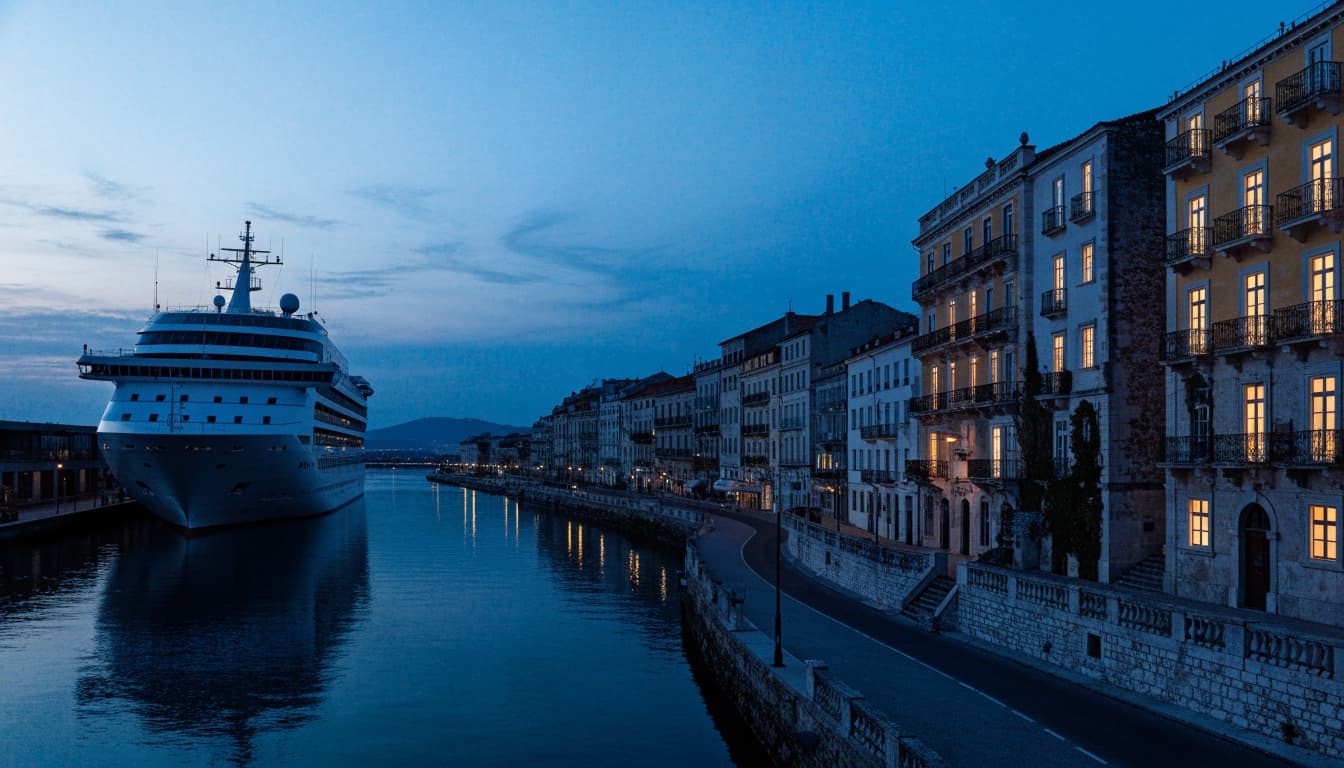
A ship can stay in port all night without giving you another full day to explore. Overnight cruise calls often create more flexibility, but a well-timed late departure may suit your plans better.

For a world cruise, the useful comparison is usable time ashore , after clearance, transfers, return deadlines, and rest. That matters more than the number of overnight stays advertised in a brochure.

Start with the actual arrival and departure times, then examine what you can comfortably do between them.

What Overnight Cruise Calls and Late Departures Mean

Neither label establishes how much sightseeing time you'll have. Both need to be read alongside the detailed port schedule.

Overnight calls cross a night

An overnight call means the ship remains in port overnight. However, arriving in the evening and leaving early the following morning creates a different experience from arriving early and departing the next evening.

The first pattern may offer dinner ashore with little additional sightseeing. The second may support separate excursions, an evening performance, and a more relaxed return.

Also, two dates on an itinerary don't necessarily mean two full days ashore. Check both dates and their times before treating an overnight as an extended city stay.

Late departures extend one visit

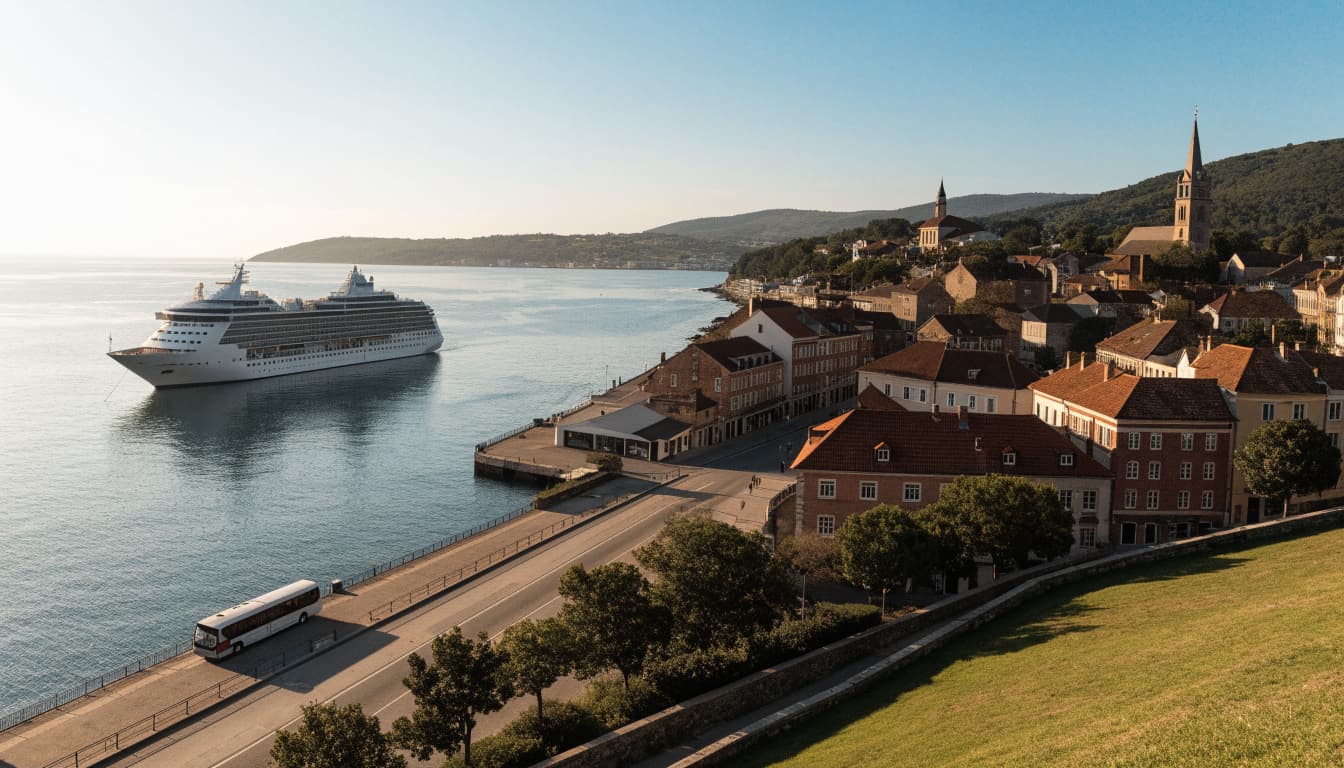
A late departure keeps the ship in port into the evening before it sails onward. Depending on your arrival time, it may allow daytime sightseeing followed by a restaurant meal or evening activity.

This can be a strong fit when your priorities are close to the berth. You enjoy the destination after dark, then sleep aboard while the ship travels.

However, "late" doesn't guarantee enough time for a particular event. Compare its finishing time with your return journey and the ship's boarding deadline.

Calculate Time Ashore, Not Time Alongside

Published port hours are the outer limits of a visit. Your personal exploring window sits inside them.

Arrival time isn't your first sightseeing appointment

Before guests leave, the ship may need clearance from local authorities. Disembarkation arrangements, excursion departures, and tender operations can also affect when you reach land.

Therefore, avoid placing a prepaid independent activity immediately after the scheduled arrival. Ask about expected guest access, then allow time to leave the terminal and reach your meeting point.

Opening hours matter too. An early arrival adds little museum time if the attraction opens later. Meanwhile, an afternoon arrival may leave limited daylight for an outdoor visit.

Departure time isn't the return deadline

The all-aboard deadline comes before sailing. Follow the deadline issued for your ship and port, rather than assuming a standard allowance.

At an anchorage, the last tender may create an earlier practical cutoff. You must reach its departure point on time, even if the ship remains nearby afterward.

Subtract the journey back, terminal procedures, and a sensible disruption buffer from your plans. Independent travelers also need to understand the consequences of returning late.

A late sailing time helps only if your activity finishes early enough to reach the ship before all aboard.

Port Location Can Change the Winner

A central berth can make a modest extension valuable. A distant terminal can consume much of a longer stay.

Civitavecchia is the cruise gateway to Rome, rather than a berth in central Rome. Similarly, Laem Chabang is a gateway for Bangkok visits. In either case, reaching the city and returning are substantial parts of the day's plan.

Compare the actual terminal, rather than relying on the destination name printed in large type. Ask about shuttle routes, taxi availability, accessible transport, and evening return options.

An overnight can reduce pressure on a distant excursion because the ship isn't sailing that evening. However, sleeping aboard and returning to the city the next morning means repeating the transfer.

A late departure may be more efficient when you can spend one continuous day ashore. Conversely, a hotel near your attractions may make an overnight more useful, provided the line and local authorities permit your arrangements.

Check transport at the times you'll use it. A shuttle available during daytime touring may not run after dinner. Walking access can also differ between a waterfront berth and a restricted industrial terminal.

Confirm Overnight Access Before Making Plans

The ship's presence doesn't automatically mean unrestricted movement throughout the night. Access depends on the port, ship arrangements, and local rules.

Returning after dark needs a confirmed route

Ask whether the gangway remains open, whether terminal access changes, and whether you can return at your intended time. At tender ports, request the operating schedule for both evenings and mornings.

Security arrangements may require identification beyond your cruise card. Keep the ship's local contact details and confirm which entrance to use.

Also, check whether the berth changes during the stay. Don't assume the same terminal or pickup point will apply throughout an overnight call.

Sleeping ashore needs separate checks

If you want a hotel stay or an overnight land excursion, ask the cruise line about notification or approval requirements before booking. Confirm when and where you must rejoin.

Entry permission can depend on your passport nationality and your activities ashore. A same-day cruise visit and an independent hotel stay may involve different requirements.

Review official immigration guidance for your particular circumstances. Also, check insurance terms for prepaid arrangements if a port call changes or disappears.

Overnight cruise calls can make longer land visits possible, but the itinerary label alone doesn't establish permission to stay ashore.

Match the Call to Your Reason for Visiting

Extra time is valuable when it fits something you want to do. Start with your priority, then test whether the schedule supports it.

Use these conditions to compare the options.

Your priority A late departure may suit you when An overnight may suit you when
Dinner or a performance You can return comfortably before all aboard The event ends too late for a same-day sailing
A distant attraction One uninterrupted visit allows the full return journey More time or an approved hotel stay improves the plan
Several major sights Your priorities fit one day's opening hours The following morning offers useful visiting time
A relaxed pace You prefer one outing without another early start You can divide activities across separate outings

The stronger option is the one that supports your plans with room for delays.

Before booking a performance or private tour, check its actual schedule. Museums may close on particular weekdays, while restaurants and attractions can have seasonal hours.

Also, distinguish less pressure from unlimited time. Even with an overnight stay, timed admission, transport departures, and the next day's sailing still shape your visit.

Balance Extra Freedom Against Cost and Fatigue

An extended call can improve a destination visit while adding expenses or physical demands. On a months-long voyage, those trade-offs accumulate.

Shore spending changes the value

Dinner ashore is an additional expense when your cruise fare already covers meals aboard. Taxis, private guides, evening tickets, and hotels can add further costs.

Returning aboard for dinner may save money, but it can interrupt your visit and require another transfer. Compare the expense with the time and effort involved.

Before assuming an excursion is covered, check your fare's inclusions and the individual tour listing. An included daytime excursion doesn't automatically cover independent evening arrangements or an overnight land program.

Rest is part of usable time

A long sightseeing day followed by a late night may leave little energy for the following morning. Heat, extensive walking, and repeated transfers can make that second outing less appealing.

An overnight can also help you pace yourself. If access and transport allow, you may return for a break before going ashore again.

Review the surrounding itinerary too. Several consecutive port days can be demanding, while a sea day afterward may offer recovery time.

You don't need to fill every available hour. A call that lets you enjoy one meaningful visit comfortably may be more valuable than a longer stay you find exhausting.

How to Compare Two Itineraries Before Booking

Request the latest detailed itinerary rather than judging a voyage by its headline port count. Then examine the destinations that would most disappoint you to miss.

Use the same process for each important call:

  1. Record the arrival date and time, departure date and time, and whether the ship docks or tenders.
  2. Identify the actual terminal and check the transport needed for your preferred activities.
  3. Ask about expected shore access, all-aboard deadlines, overnight restrictions, and any plans to sleep ashore.
  4. Compare realistic activities, extra spending, and recovery time across the surrounding port days.

This produces a more useful comparison than counting overnight symbols in a brochure. It also highlights calls where a longer published stay still offers limited independent access.

Keep expectations flexible. Weather, operational issues, and local restrictions can change port arrangements. Reconfirm important details before making final reservations, then follow the ship's current instructions during the voyage.

If a destination matters greatly, examine shore excursion descriptions before committing. Travel time, walking requirements, and departure schedules can reveal whether the call fits your needs.

For more guidance on evaluating long voyages, Subscribe to Our YouTube Channel. Compare those planning ideas against the current itinerary and conditions for your chosen sailing.

Key Takeaways

The better call is the one that gives you practical access to your priorities.

  • An overnight may offer evening freedom and another useful morning, but its arrival and departure times determine the opportunity.
  • A late departure may provide an efficient, continuous visit when transport and return deadlines fit your plans.
  • Clearance, tender schedules, terminal location, access rules, costs, and fatigue all reduce or reshape the time you can enjoy ashore.

Treat every extended stay as an individual planning decision rather than an automatic advantage.

Choose the Call That Fits Your Plans

An overnight label alone doesn't guarantee another full day of exploring. Compare usable time against the experiences you want, then account for access and the return journey.

If you're weighing several voyages, Schedule a Consultation to discuss the port schedules that fit your interests and pace.

The stronger itinerary gives you enough breathing room to enjoy the destinations that matter most.

Recent Posts

By World Cruise by Design • October 2, 2026
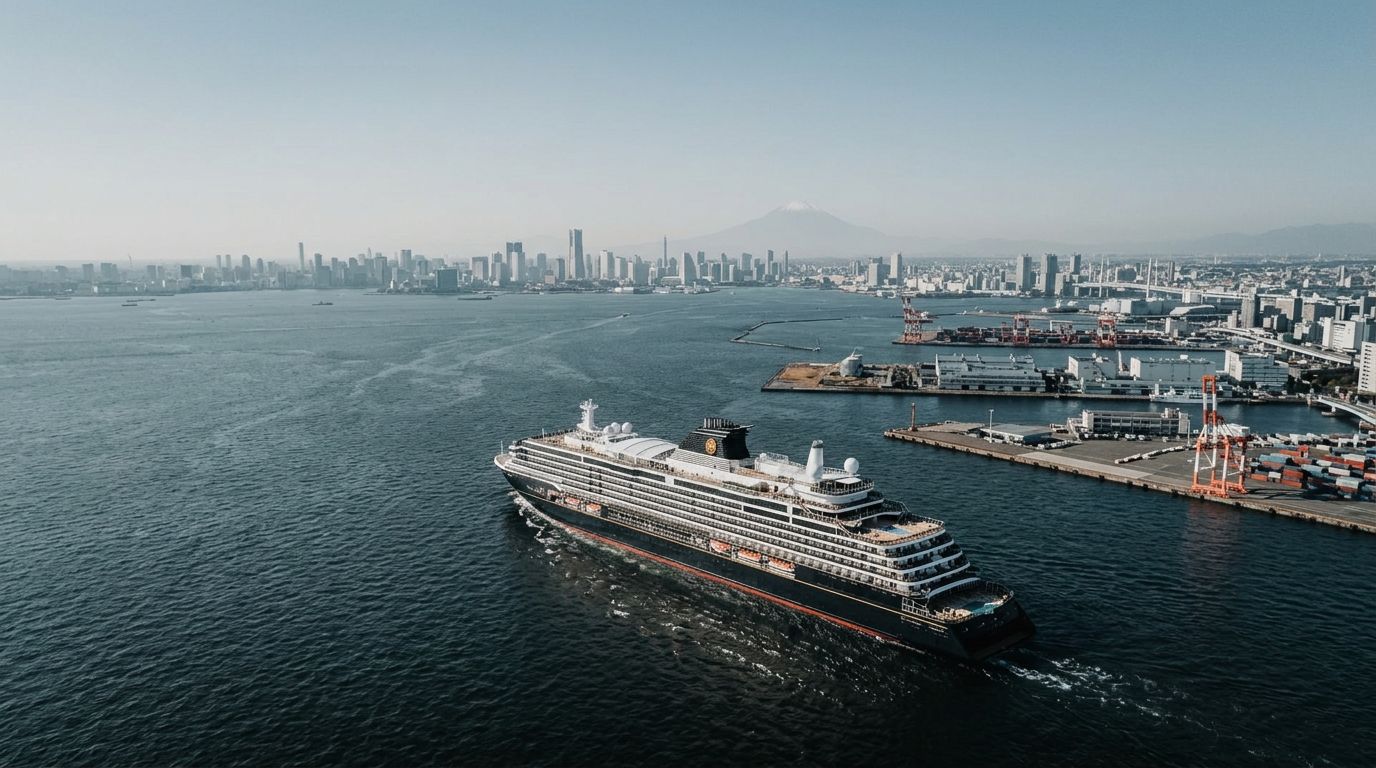
A "Tokyo" port call can leave you stepping ashore in a different city. When comparing Japan cruise ports, the exact berth matters as much as the destination printed in the brochure. For a world cruise, Japan offers headline cities, historic neighborhoods, and volcanic scenery...
By World Cruise by Design • October 1, 2026
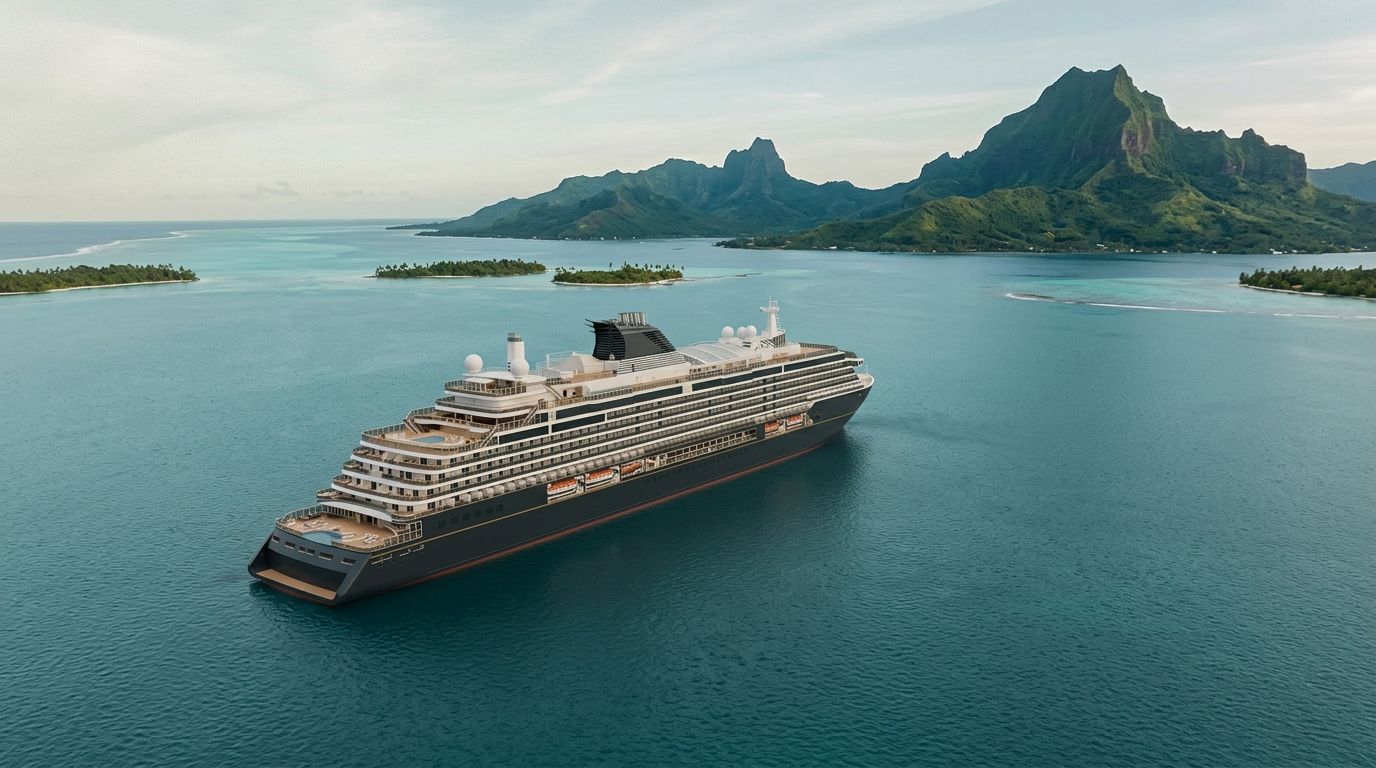
A turquoise lagoon looks inviting on any itinerary, but the hours ashore determine how much you'll experience. When comparing South Pacific cruise ports, look for a mix of dramatic scenery, local history, and enough time to enjoy both. For a world cruise, port depth matters mo...
By World Cruise by Design • September 30, 2026
After 100 days at sea, the busiest part of your journey may begin when you leave the ship. Cruise disembarkation deserves advance planning, especially when you're tired, carrying several bags, and facing a flight home. A world cruise gives you months without repeatedly changin...
By World Cruise by Design • September 29, 2026
Your suitcase may travel with you for 100 days, yet you probably won't handle it much after boarding. The important moments for cruise ship luggage are the handoffs: at the terminal, when you settle into your cabin, and when you leave the ship. If you're considering a world cr...
By World Cruise by Design • September 28, 2026
A sudden illness feels different when the nearest hospital is across open water. If you're considering a months-long voyage, you need to know how cruise ship medical emergencies are handled before choosing a ship and itinerary. Most ships can assess and treat many problems onb...
By World Cruise by Design • September 27, 2026
A memorable food day can disappear from your plans if the ship leaves before dinner. The best world cruise destinations for food lovers offer something worth eating during the hours you actually have ashore , whether that's a market breakfast, a long lunch, or a neighborhood s...
By World Cruise by Design • September 26, 2026
Five months aboard a ship can make a small difference in daily comfort feel enormous. If you're comparing Silversea and Seabourn, the route matters as much as the service: their announced 2027 world voyages spend similar lengths of time at sea but visit different parts of the...
By World Cruise by Design • September 25, 2026
A cruise that lasts five months changes the meaning of a good cabin, a satisfying dinner, and a comfortable day at sea. If you're weighing Viking vs Oceania for a longer world voyage, compare the life you'll lead aboard as carefully as the ports you'll visit. Viking offers a c...
By World Cruise by Design • September 24, 2026
A world cruise can take you through tropical rain, cool ocean crossings, and summer heat within a few months. If you're comparing routes, the weather at each port matters more than the weather on departure day. Good world cruise weather planning weighs regional seasons against...
By World Cruise by Design • September 23, 2026
You may choose a world cruise for one particular stop, only to wake up and hear that the ship won't call there. A missed port on a cruise is disappointing, but it doesn't necessarily disrupt the rest of your voyage. What happens next depends on why the call was canceled, how m...

Show More