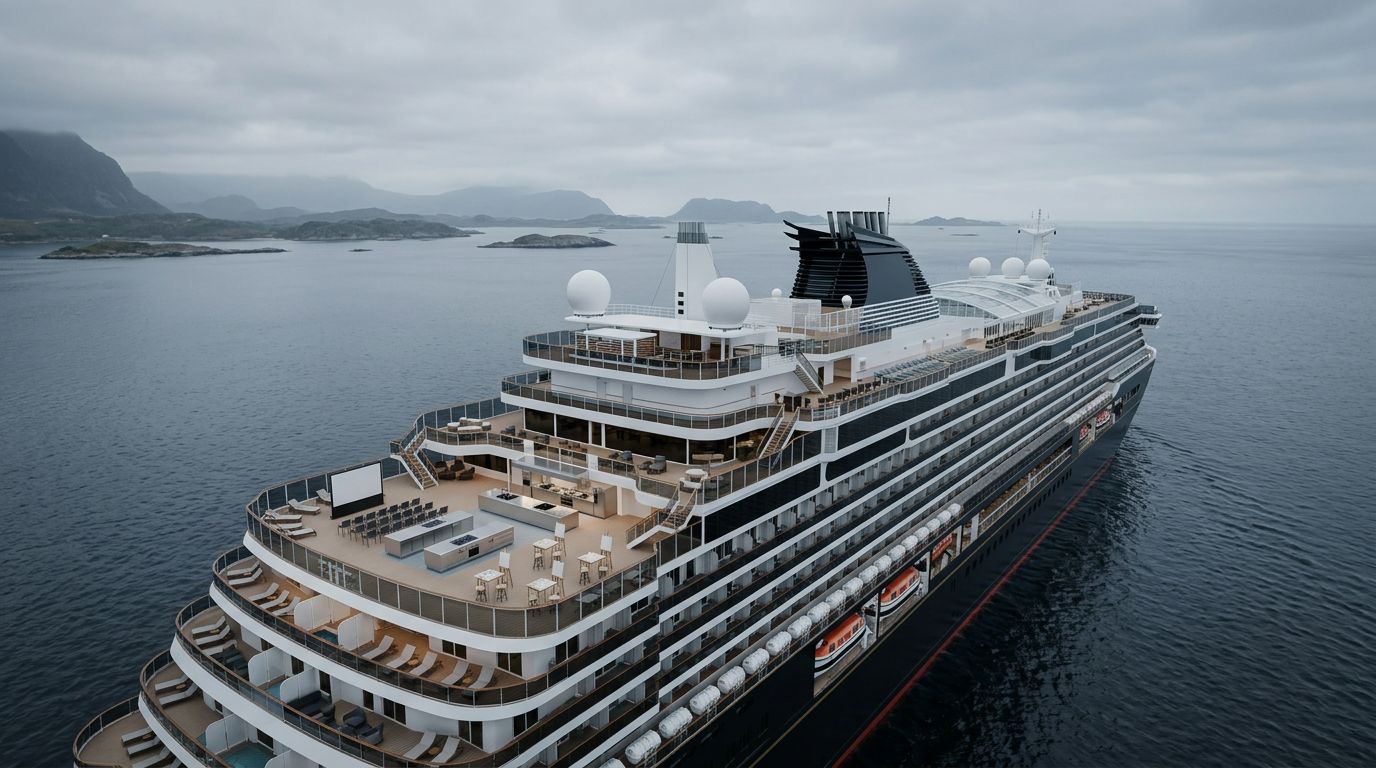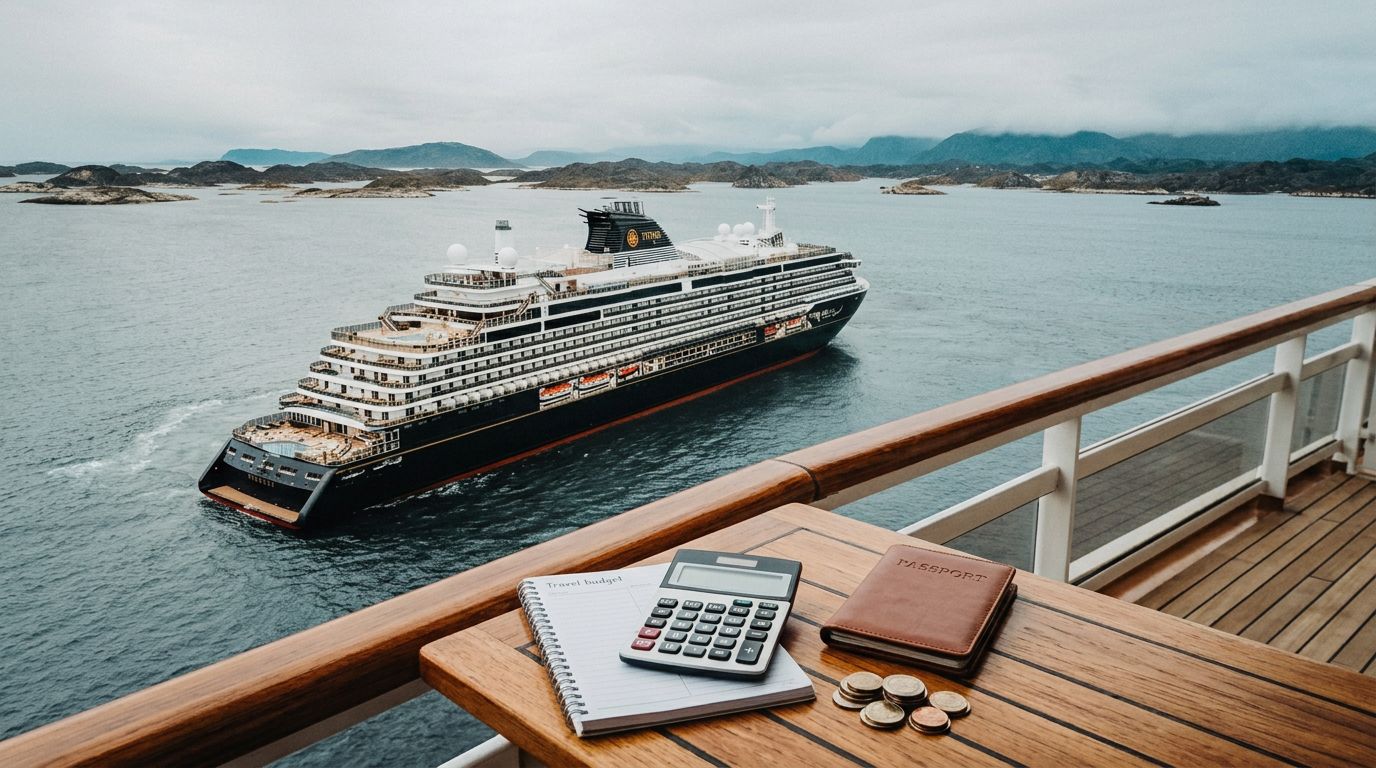

What Happens When Your World Cruise Misses a Port?
You may choose a world cruise for one particular stop, only to wake up and hear that the ship won't call there. A missed port on a cruise is disappointing, but it doesn't necessarily disrupt the rest of your voyage. What happens next depends on why the call was canceled, how much time the ship has, and your booking terms.
The most useful preparation is to know which parts of a port day are flexible and which expenses need separate protection.
Why a World Cruise May Miss a Port
Weather can make arrival or landing unsafe
Strong winds, heavy swells, or poor visibility can prevent a ship from entering a harbor or using its tenders. A tender port needs workable conditions for the smaller boats that carry passengers ashore. The ship may reach the area and still be unable to land anyone safely.
Conditions can also change during a scheduled call. In that case, the captain may shorten the visit or stop tender operations after some guests have returned aboard. Follow the crew's instructions rather than assuming the original departure time still applies.
Conditions ashore can change the plan
Port congestion, mechanical issues, public health measures, and regional events can also affect a call. Local authorities control access to their ports, while the ship's officers must consider the safety of passengers and crew.
A world voyage crosses many jurisdictions over several months. That creates more chances for an unexpected change than a short itinerary, even when the line has planned carefully. The reason matters because it may affect how the cruise contract, excursion provider, or insurer handles a claim.
How the Ship and Itinerary Typically Respond
The captain and cruise line decide whether to wait, revise the route, substitute another port, or continue toward the next scheduled stop. A replacement isn't always practical. Berth availability, sailing distance, weather, clearance requirements, and the remaining timetable all limit the options.
A sea day may replace the port call
If the ship continues sailing, guests generally keep access to onboard dining and other facilities. The crew may adjust activities or dining hours, but don't count on a full new program immediately. An announcement made early in the morning can leave staff little time to rearrange the day.
A canceled call may also affect the next arrival. Ships have schedules to meet and cannot always recover lost time by sailing faster. Watch for updated arrival and departure times, especially if you've booked plans independently at the following port.
A substitute port changes more than the map
An unplanned stop may require different entry documents, transfers, and excursion arrangements. Don't assume permission to visit the original country covers the substitute destination. Requirements can depend on your passport and whether you leave the ship.
Cruise lines usually communicate confirmed changes through onboard announcements, the daily program, or guest services. Early information may be provisional while officers work with port authorities. Use the latest official update before changing a private booking or making onward travel plans.
What Passengers Should Expect on the Day
A missed call affects people differently. If you had a quiet day planned aboard, you may have little to rearrange. If you booked a private guide, timed museum entry, or a flight connected to that port, you may need to act quickly.
First, confirm whether the call is canceled or delayed . A later arrival can sometimes leave a shorter window ashore; a cancellation means your tour cannot operate as planned. Then check how the excursion was booked. Ship-operated and independently booked tours follow different terms.
Keep the announcement or written itinerary update, along with your receipts and booking confirmations. If you need to contact a tour provider, use its stated cancellation process and save the reply. Ask guest services for clarification when the change affects your plans, but expect financial claims to be reviewed against written terms rather than settled by an onboard announcement.
For a months-long voyage, look beyond that day's outing. A changed call can affect a planned meeting ashore, medication pickup, or arrangements with someone joining you later. Tell the relevant provider promptly so there is time to find another option.
Are Refunds or Compensation Available for a Missed Port?
There is no universal missed-port refund . The cruise contract, the cause of the change, the charges involved, and applicable law all matter. An advertised itinerary describes the planned voyage, but the line's current terms govern its right to alter the route and any remedy it offers.
Cunard's passage contract, for example, gives the line discretion to change routes and ports. That doesn't tell you what another line will do, or settle a claim under the terms for your particular sailing. Read the contract attached to your reservation and ask for a written explanation of any adjustment.
Separate the fare from port-related charges
Your cruise fare pays for a long voyage, not a separately priced ticket to each destination. A missed call therefore doesn't automatically entitle you to a proportional refund of the fare. Some lines may offer an onboard credit or another goodwill gesture, but you shouldn't budget around receiving one.
Ask whether any port taxes or fees charged for that call will be adjusted. The answer depends on how those charges were assessed and billed. Request an itemized account statement rather than assuming a fare credit and a fee adjustment are the same thing.
Check who sold the excursion
If you bought an excursion through the cruise line, ask how it will handle the canceled outing and when any applicable credit will appear. Check the tour terms, particularly if the port visit was shortened rather than canceled outright.
For a private guide or independently purchased ticket, the provider's policy controls its refund. A nonrefundable reservation doesn't automatically become refundable because the ship couldn't arrive. Contact the provider promptly, explain the change, and keep its response for a possible insurance claim.
A canceled port call, a canceled shore excursion, and a changed cruise itinerary can produce three different financial outcomes under three different sets of terms.
What Travel Insurance May Cover
Travel insurance and a cruise-line refund answer different questions. An insurer pays only when your policy covers the event and you meet its conditions. Some policies offer a missed-port benefit; others focus on trip delay, interruption, or prepaid excursions. A policy with trip-interruption coverage doesn't necessarily pay because the ship skipped one call while your voyage continued.
Before purchase, check the exact wording for missed ports and itinerary changes . Ask whether bad weather qualifies, whether a substitute port changes eligibility, and what proof the insurer requires. Also confirm whether independently booked, nonrefundable tours are included in the insured trip cost.
Duration matters, too. A policy must cover your full sailing dates and any connected travel you want insured. World cruise insurance deserves a careful review because a voyage can include costly flights, multiple countries, and a long period away from home.
If a claim arises, keep the cruise line's notice, your itinerary, receipts, proof of payment, and the provider's refund decision. Don't cancel a booking or incur replacement costs on the assumption that an insurer will reimburse them. Check its claim instructions first.
How to Assess Port Risk Before You Book
The itinerary deserves more attention than its destination count. Princess's announced 2028 world cruise lists 49 destinations in 24 countries. That's useful for comparing routes, but a headline total can't tell you how much time you'll have in a place or how a particular call might change.
Identify the stops that matter most
Mark the ports that would strongly influence your decision. Then look at arrival and departure times, overnight stays, tender calls, and the distance between the pier and the attraction you want to visit. A six-hour call with a long transfer offers less flexibility than an overnight stay.
If one destination is essential, consider an independent visit before or after the voyage instead of relying on a single ship call. That requires extra planning and expense, but it separates your must-see experience from one scheduled arrival.
Compare terms, not only itineraries
Ask each cruise line how it treats line-booked excursions, private tour losses, port charges, and goodwill credits when a call is missed. Request the current passage contract for the specific sailing. Policies and offers can differ by line, fare, and booking market.
Review entry requirements for the published route as well. If you might join or leave the ship at a different port, don't assume the documents needed for a cruise visit are enough for an independent arrival by air. Confirm the rules with the relevant authorities before making changes.
What to Do When Your Port Is Canceled
Once the crew confirms the change, a short sequence helps you avoid unnecessary losses:
- Save the official announcement or request written confirmation of the canceled call.
- Check your next port's arrival time before changing any onward arrangements.
- Contact independently booked guides, venues, or transport providers through their required channels.
- Review your onboard account for excursion and port-charge adjustments.
- If you have a potential insurance claim, gather receipts and follow the insurer's instructions.
Don't rely on another passenger's account of a refund or credit. Their fare, excursion booking, or insurance policy may differ from yours. For an unresolved charge, ask the cruise line or provider for its decision in writing.
Key Takeaways
- Weather, harbor conditions, port access, and ship operations can change a scheduled call.
- The ship may substitute a port, spend the day at sea, or revise later timings.
- Refunds and compensation depend on the booking terms, circumstances, charges, and applicable law.
- Keep written records and review private excursions and insurance separately from the cruise fare.
Frequently Asked Questions
Will a world cruise add another port to replace a missed one?
It might, but a substitute isn't guaranteed. The ship needs enough time, a suitable berth, and the necessary port arrangements. It may instead continue to the next scheduled destination.
Do I get my cruise fare back if a port is skipped?
Don't assume so. The contract and applicable law determine your rights, while the line's handling of port charges or goodwill offers may differ. Ask for an itemized explanation of any credit or refund.
What happens to a private tour booked for that port?
The tour operator's cancellation terms apply. Contact it as soon as the call is canceled, then keep its written response. If the cost remains nonrefundable, check whether your insurance policy covers that type of loss.
A Missed Port Doesn't Have to Define the Voyage
Losing a long-awaited stop can sting, especially when that destination helped you choose the sailing. The best response is to confirm the ship's revised plan, protect any time-sensitive bookings, and check your rights against the terms you purchased.
Before booking, give your priority ports the same scrutiny as the ship and cabin. Flexibility backed by clear terms makes an itinerary change easier to manage, even when it remains disappointing.
Recent Posts