

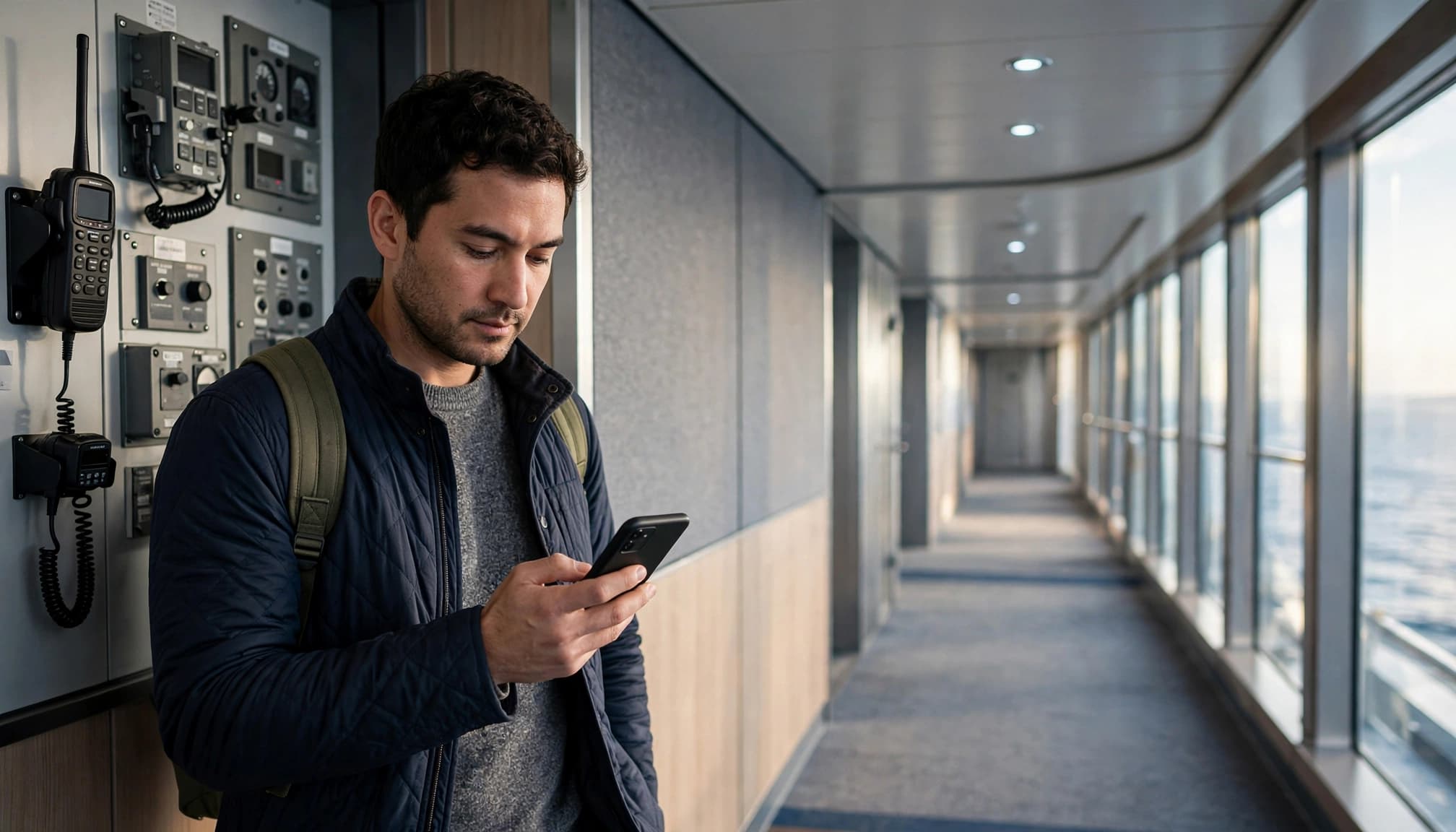

Managing Bills While Traveling on a Six-Month Voyage

World Cruise by Design • September 20, 2026

Share this article

A six-month voyage can simplify your daily life, but your bills still run on schedules back home. Managing bills while traveling requires more than turning on autopay. You need a system for mail, account access, security alerts, records, and unexpected expenses.

Before departure, assign every task to a person, account, or calendar reminder. Then build backup options for the days when internet access is slow, a card is declined, or a bank requests identity verification.

Why a Six-Month Voyage Needs a Financial Plan

A short holiday may allow you to check accounts casually. A long voyage creates more exposure to recurring charges, renewals, insurance payments, property expenses, and account security checks.

You may also move through many countries without changing hotels. That convenience can make it easy to overlook where important letters are sent, which phone number receives verification codes, or whether a card issuer treats a foreign login as suspicious.

Managing bills while traveling works best when you separate four responsibilities:

  • Receiving important mail and notices
  • Paying recurring obligations on time
  • Maintaining secure access to accounts
  • Responding to problems when you have limited connectivity

Your goal is not to monitor every account constantly. Instead, create a predictable routine that works during sea days and port calls.

Start Preparing Several Months Before Departure

Create a complete obligation list

Begin with a list of every regular payment. Include housing costs, utilities, insurance, taxes, subscriptions, memberships, medical expenses, storage, vehicle payments, and any household services.

Record the due date, usual amount, payment method, website, customer-service number, and the account used for payment. Note which charges vary from month to month. A property bill or utility payment may need manual review even if other accounts run automatically.

Also list annual renewals. These are easy to miss because they may fall outside your normal monthly routine.

At least three months before sailing, review the list with the person who will remain at home. Remove unused subscriptions, update expired payment details, and resolve any disputed balance before you leave.

Choose who will handle physical mail

Decide whether mail should go to a trusted person, a secure mail-forwarding arrangement, or another approved address. Ask the relevant providers how they handle statements, replacement cards, legal notices, and returned mail.

A trusted person should know which items require immediate attention. Routine advertisements can wait, while a fraud notice, tax letter, insurance request, or card replacement may need action within days.

Give that person written authority only where necessary. Confirm each provider's requirements in advance because some organizations may require their own authorization form or identity checks.

A forwarding plan is incomplete until someone knows how to identify urgent mail and how to reach you securely.

Build a Bill-Payment Workflow Before You Sail

Use autopay carefully

Autopay can reduce missed payments, but it should not replace oversight. Use it for stable, predictable bills after confirming the payment account has enough available funds throughout the voyage.

Keep a separate list of autopayments with their expected dates and amounts. Set account alerts for successful payments, failed payments, low balances, and unusual activity. If a payment changes substantially, investigate it rather than allowing repeated withdrawals.

Avoid placing every obligation on one card. A single expired card, fraud block, or failed bank transfer could affect multiple services at once. Where practical, divide essential payments between reliable payment sources.

Keep a manual backup

Create a payment calendar covering the full six months. Mark the dates that require review, even when autopay is active. Schedule reminders several days before each due date so you have time to act during a port day or stronger connection.

Retain confirmation numbers, receipts, and monthly statements. Save them in a secure folder that remains available offline. If a payment fails, you can show when it was submitted and contact the provider with accurate information.

Before departure, make one test payment or account review from the device you will carry. Confirm that the login works, alerts arrive, and the payment method remains valid.

Secure Your Devices, Documents, and Account Access

Prepare your phone and laptop

Install operating system and application updates before leaving. Use a screen lock, strong unique passwords, and an offline-capable password manager. An authenticator app can provide multi-factor authentication without depending entirely on text messages.

Turn off automatic connections to unfamiliar Wi-Fi networks. Disable file sharing, nearby-device discovery, and Bluetooth sharing when you do not need them. A VPN may add protection, but ship networks can slow it down or prevent it from connecting. Test it before departure and keep another way to access essential accounts.

Download banking records, insurance documents, account contacts, and travel paperwork to secure offline folders. Keep sensitive files encrypted when possible, and do not leave them in an unprotected shared folder.

Separate recovery information from your phone

Store recovery codes in a secure location separate from your primary phone. A printed copy can help if the phone is lost, but it should not travel loose in an outer pocket or remain beside your passport.

Carry a charging cable and a small power bank for long shore days. If your phone disappears, you will need a way to contact the issuer, use your backup device, or explain the problem to your trusted contact.

Keep paper copies of essential account numbers and assistance contacts in a protected document pouch. Do not write complete passwords on the same page.

Manage Banking During the Voyage

Set alerts and establish a review rhythm

Tell relevant providers about your extended international travel if their security systems may question logins from different countries. Ask how they handle travel notices, overseas transactions, replacement cards, and identity verification.

Choose alerts for transactions, payment failures, password changes, new devices, and address changes. Keep notifications limited to events that require attention. Too many low-value alerts can make an urgent message easier to miss.

A practical routine might include a brief account review once or twice each week. Use port days for tasks that need stronger connectivity, such as downloading statements, making large payments, or speaking with customer service.

Plan for limited internet access

Treat ship internet, maritime cellular service, and land-based mobile data as separate systems. A cruise Wi-Fi package may not provide the same performance as home internet, and satellite interruptions can occur.

Download statements and payment confirmations before leaving a reliable connection. A regional or global eSIM may help during port calls, but coverage and activation rules vary by country and phone. Confirm those details before relying on the eSIM for authentication or urgent banking work.

Keep photos and automatic cloud backups from consuming limited bandwidth. Download maps, translation tools, account records, and travel documents before sailing. Managing bills while traveling is much easier when the essential information is available without a live connection.

Create Contingency Plans Before You Leave

If a card is lost, declined, or locked

Carry more than one payment option, but do not keep every card in the same wallet. Store a backup card securely and keep its issuer's contact information offline.

If a card goes missing, freeze or cancel it through the official app or phone number. Ask about emergency replacement procedures, delivery limitations, and whether a temporary digital card is available. Do not assume a replacement can reach the next port in time.

A declined card may reflect a fraud block, an expired card, a daily limit, or a connection problem. Record the exact error, try the approved customer-service route, and use your backup payment method while the issue is resolved.

If autopay fails or identity verification is requested

A failed payment needs prompt attention because repeated attempts can create fees or service interruptions. Check whether the payment account had sufficient funds, whether the card expired, and whether the provider rejected an overseas login.

Identity verification requests deserve caution. Contact the organization through a known website or phone number, not through a link in an unexpected message. Ask what information is required and whether you can complete the process through a secure portal.

Your trusted contact should know how to tell you about an urgent request without sending sensitive documents through ordinary email. If you must provide records, use the provider's secure upload method whenever available.

Key Takeaways

  • Build a six-month payment calendar before departure.
  • Use autopay for predictable bills, but review alerts and statements.
  • Give a trusted person clear instructions for urgent physical mail.
  • Keep recovery codes, account contacts, and payment records offline.
  • Separate backup cards from your primary wallet.
  • Use port days for account tasks that require stronger internet.
  • Store sensitive documents securely and retain payment confirmations.
  • Test every login, alert, and backup plan before sailing.

FAQ: Managing Bills While Traveling

Should every bill be placed on autopay?

No. Autopay suits stable payments when the funding account is reliable and alerts are active. Variable bills, unfamiliar charges, and accounts with changing terms may still need manual review.

How often should I check my accounts?

A weekly review is a reasonable starting point for many travelers. Review more often if you expect large expenses, have variable household bills, or are waiting for a replacement card or identity-verification decision.

What should my trusted contact be allowed to do?

Give only the access or authority needed for specific tasks. That might include collecting mail, checking a property, forwarding a notice, or contacting a provider. Do not share more login information than necessary.

How much cash should I carry?

Carry enough for a modest emergency without carrying all your available funds. Keep payment cards separated, and confirm the ship's guidance for onboard charges and port-day payments before departure.

Keep Your Financial Life Ready for the Sea

A six-month voyage becomes easier when your home obligations continue without requiring daily attention. The strongest system combines cautious autopay, secure records, a reliable mail plan, and backup access for the moments when technology fails.

Managing bills while traveling is ultimately about reducing the number of decisions you must make at sea. Prepare the calendar, test the accounts, brief your trusted contact, and keep essential information available offline. Then you can focus on the voyage instead of wondering which payment may have been missed.

Recent Posts

By World Cruise by Design September 19, 2026
Life at sea changes when a voyage lasts weeks instead of days. The ocean becomes part of your daily view, while meals, movement, entertainment, and rest settle into a familiar rhythm. A world cruise offers the comfort of keeping one cabin while visiting several continents, but...

By World Cruise by Design September 18, 2026
Choosing between Oceania and Holland America affects more than your itinerary. It determines the ship you call home, the pace of port visits, the services included in your fare, and how comfortable daily life feels after several months at sea. The Oceania vs Holland America de...

By World Cruise by Design September 17, 2026
A long voyage needs more than attractive ports. The best world cruise enrichment programs give sea days a purpose through lectures, destination talks, cultural events, cooking instruction, creative activities, and wellness options. The right choice depends on how you want to s...
By World Cruise by Design September 16, 2026
A world cruise can be one of retirement's most memorable experiences, but the wrong budget can turn months at sea into a financial strain. World cruise retirement planning starts with the income you can spend safely, not the lowest fare shown in an advertisement. A cruise fare...

By World Cruise by Design September 15, 2026
A world cruise waitlist can help you pursue a preferred sailing after your cabin category becomes unavailable, but it isn't a booking or a guarantee. Cruise lines may handle waitlists differently, and some may offer alternative arrangements instead of a formal queue. Availabil...

By World Cruise by Design September 14, 2026
World cruise friendships often begin with a shared breakfast, a lecture, or a conversation about the next port. Since passengers see one another repeatedly over several weeks, connections can grow more naturally than they do on a short sailing. The same routine can also make p...

By World Cruise by Design September 13, 2026
A six-month world cruise requires more than packing clothes and checking passports. Your home must remain safe, accessible, and financially organized while you cross time zones, borders, and pharmacy systems. A practical home preparation world cruise plan reduces the risks of...

By World Cruise by Design September 12, 2026
Choosing between a small vs large ship affects nearly every part of a world cruise, not only the number of passengers onboard. Your ship becomes your hotel, dining room, transport, social setting, and daily routine for weeks or months. A large vessel may offer more restaurants...

By World Cruise by Design September 11, 2026
A six-month voyage can feel freeing, but the lack of ordinary structure can wear on you after the first few weeks. A sustainable daily routine at sea gives your days shape without turning a world cruise into a job. The goal isn't to fill every hour with activities or see every...
By World Cruise by Design September 10, 2026
A missed wake-up call can cost you a long-planned day ashore. On a voyage that circles the globe, cruise time zones affect breakfast, tours, dining reservations, medication routines, and contact with home. The good news is that a six-month world cruise gives you time to build...

Show More