Japan Cruise Ports: Tokyo, Osaka, and Beyond
A "Tokyo" port call can leave you stepping ashore in a different city. When comparing Japan cruise ports, the exact berth matters as much as the destination printed in the brochure.
For a world cruise, Japan offers headline cities, historic neighborhoods, and volcanic scenery without repeated hotel changes. However, a long port list means little if transfers consume your sightseeing time.
Start with the terminal and daily schedule, then decide which places deserve your longest days ashore.
How to Compare Japan Cruise Ports
Read each Japanese call as three separate decisions: where the ship docks, what you want to visit, and how much usable time remains.
The city label alone won't answer those questions. "Yokohama (Tokyo)" identifies a gateway to Tokyo, while Kobe can provide access to Osaka and other Kansai destinations. Neither label guarantees a convenient journey to your chosen attraction.
These distinctions help you read an itinerary accurately.
| Itinerary label | What to establish | Main planning issue |
|---|---|---|
| Tokyo | Whether the ship uses Tokyo International Cruise Terminal | Waterfront location versus your sightseeing neighborhood |
| Yokohama (Tokyo) | Osanbashi or Daikoku berth | Different access arrangements and onward travel |
| Osaka or Kobe | Exact terminal and available transfers | Choosing a local visit or an inland excursion |
| Regional Japanese port | Berth, transport, and attraction location | Whether the main experience is nearby or requires travel |
Port depth matters more than port count. An overnight near a priority city can be worth more than several brief calls.
Before booking, request the latest daily itinerary. Check arrival times, departures, overnights, tender arrangements, and possible substitutions rather than relying on an older route map.
Tokyo-Area Calls: Tokyo, Osanbashi, or Daikoku?
Tokyo rewards a focused plan. Asakusa's Senso-ji temple, Ginza, and Shibuya offer different experiences, but combining distant neighborhoods adds travel.
Your berth determines how easily that plan works.
Tokyo International Cruise Terminal
Tokyo International Cruise Terminal is in Odaiba, away from the city's central sightseeing districts. Tokyo's tourism authority lists an approximately eight-minute walk to Tokyo International Cruise Terminal Station.
Tokyo Teleport Station provides another connection. Official guidance lists roughly a 15-minute walk or a 10-minute bus ride, plus a free shuttle during cruise calls. Confirm operating arrangements for your ship's visit.
Those connections are useful, but reaching a station is only the first part of the journey. Allow for onward trains, transfers, and walking at your destination. Choose one main neighborhood before adding secondary stops.
Yokohama's Two Very Different Options
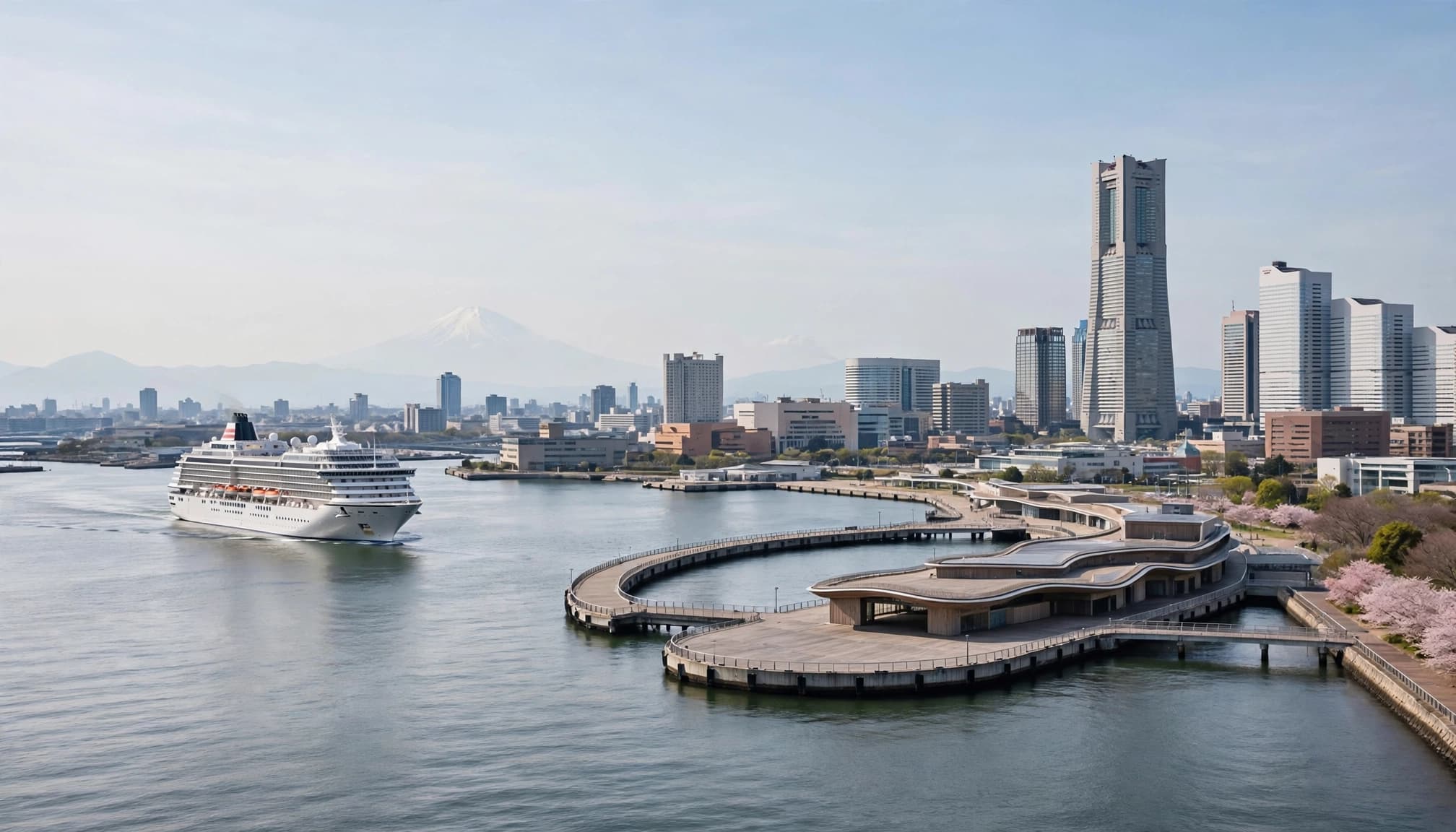
Osanbashi is on central Yokohama's waterfront. Official port guidance places Nihon-odori Station about five to seven minutes away on foot.
Daikoku Pier is on an industrial island without direct rail access. Yokohama lists Motomachi-Chukagai Station about 15 minutes away by car, subject to traffic.
Therefore, don't assume that a previous visitor's Osanbashi transport advice applies to your ship. Verify the berth, shuttle destination, and return arrangements.
Yokohama itself also deserves consideration. Its waterfront and Chinatown can make a satisfying day without the longer journey into Tokyo.
Osaka and Kobe: Choose Your Kansai Priority
An Osaka-area call creates a tempting choice: Osaka's food districts, Kyoto's temples, or Nara's historic sites. Trying to include all three usually sacrifices time at each place.
First, establish whether the ship actually calls at Osaka or Kobe. Then choose your priority.
Osaka Isn't the Same as Kyoto
Dotonbori and Osaka Castle belong to an Osaka visit. Kyoto's Kiyomizu-dera and Fushimi Inari Taisha require a separate inland plan.
Don't apply one transfer estimate to every Osaka call. Berth assignments, traffic, transport schedules, and the excursion's actual sightseeing stops affect the day.
For Kyoto, examine the tour description closely. A panoramic drive offers a different experience from meaningful time inside temple grounds. Also check walking distances, stairs, and whether lunch reduces an already limited sightseeing window.
An overnight can help, but only if the transport and shore-access arrangements support your plans.
Kobe Can Be a Destination, Too
Kobe has two cruise terminals: Kobe Port Terminal and Nakatottei Passenger Terminal.
Port Terminal Station sits beside Kobe Port Terminal. Kobe's official guidance lists the Port Liner journey to Sannomiya as two stops, taking approximately five minutes.
Nakatottei has different access. The city lists about a nine-minute walk to Minato Motomachi Station or 15 minutes to Motomachi Station.
These distinctions matter when comparing independent plans. Kobe's waterfront, Kitano district, and local dining also offer a less travel-heavy alternative to an inland excursion.
Regional Ports Reveal a Different Japan
Regional calls shouldn't automatically rank below Tokyo and Osaka. They can add experiences that the major gateways don't provide, often with a more manageable sightseeing plan.
However, smaller-city names don't guarantee central docking. Check each berth separately.
Gardens, Historic Districts, and Remembrance
Kanazawa offers Kenrokuen garden and the Higashi Chaya district. Its cruise terminal is five kilometers from JR Kanazawa Station, with an approximately 15-minute drive listed by the terminal operator.
That puts a useful number on the first transfer, but it doesn't describe the complete journey to your attraction. Confirm whether your cruise shuttle serves the station, a sightseeing area, or another drop-off point.
Nagasaki offers Peace Park, the Atomic Bomb Museum, and Glover Garden. Hiroshima offers the Peace Memorial Park and museum.
These are substantial visits rather than quick photo stops. In Hiroshima, adding Miyajima means another journey and less time for the city's memorial sites. Decide which experience matters most before booking.
Fuji Views and Volcanic Landscapes
Shimizu is a gateway to views of Mount Fuji and the surrounding region. However, clouds can hide the mountain even when your ship arrives as scheduled.
Choose an excursion with worthwhile stops beyond a promised view. Miho no Matsubara's coastal pine scenery offers an experience even when Fuji isn't visible.
Kagoshima brings Sakurajima into the itinerary. The volcano is a defining feature of the bay, but visiting its landscape requires a different plan from sightseeing within Kagoshima.
When comparing Japan cruise ports, regional variety can outweigh another major-city day. Match the call to your interests, then test the transport requirements.
Calculate Usable Shore Time Before Booking
A published arrival time isn't necessarily the moment you can leave the ship. Clearance, gangway opening, excursion assembly, and any tender process can shorten your day.
Likewise, the ship's departure time isn't your return deadline. Use the stated all-aboard time when planning.
For each priority call, establish:
- When passengers can reasonably expect to go ashore.
- How long the complete outbound journey takes, including terminal access and connections.
- How much time the excursion spends at its main attraction.
- What return margin covers traffic, delays, and unfamiliar station layouts.
A short train ride can still involve substantial walking at both ends. Meanwhile, a coach tour can spend much of its duration collecting passengers and traveling between stops.
An overnight only expands your options if shore access, return transport, and attraction opening hours line up.
Check museum closing days and ticket requirements before committing to an independent visit. Kyoto temples and major Tokyo attractions don't all follow the same hours.
For a distant inland destination, compare the actual excursion schedule with your independent plan. The advertised tour duration alone doesn't tell you how much sightseeing you'll receive.
Match Excursions to Your Budget and Energy
A Japan-heavy itinerary can involve consecutive days of walking, early departures, and transport. On a months-long voyage, sustainable pacing deserves the same attention as your wish list.
Build in a lighter local day after a demanding inland excursion. You don't need a full-day tour at every stop.
Ship Excursions or Independent Days?
A ship-organized excursion can simplify a distant Kyoto visit or a complicated transfer from an industrial berth. However, group size, walking pace, and time at each stop still matter.
Independent sightseeing can work well when transport is straightforward and your destination is nearby. Osanbashi's location, for example, makes a local Yokohama day easier to plan than an ambitious Tokyo circuit.
Private guides offer more control over pacing. Before booking, confirm the meeting point, vehicle access, language, cancellation policy, and return timing.
Compare the Full Shore Cost
When comparing Regent Seven Seas, Viking, Seabourn, or other lines, inspect the current sailing's excursion terms. An included excursion doesn't necessarily cover your preferred private tour or premium experience.
Budget for transport, admission tickets, meals, and any guide fees outside the fare. Also confirm the latest shuttle policy rather than assuming every port transfer is complimentary.
The meaningful comparison is the total cost of the Japan experience you want, not the headline cruise fare alone.
Check Seasons, Documents, and Joining Logistics
Japan's seasons can change the character of a port visit. Spring blossom timing varies by region and year, so a spring call doesn't guarantee peak flowers.
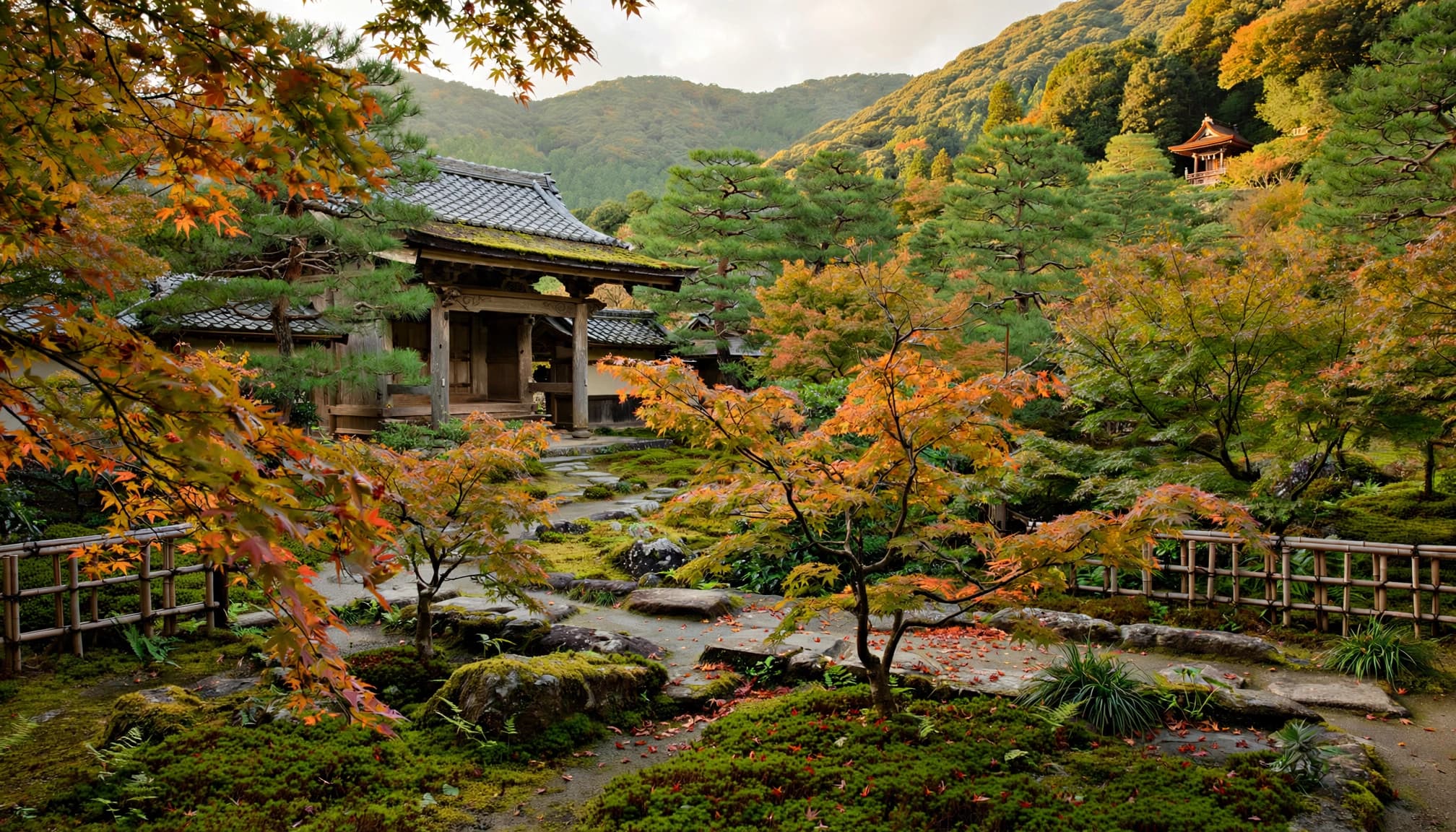
Summer heat and humidity can make long walking tours demanding. Typhoons can also affect sailings and shore plans. For autumn foliage, latitude and elevation matter as much as the calendar month.
Review your itinerary's actual dates before choosing excursions. Pack layers for a voyage that includes both warmer southern ports and cooler northern calls.
Entry requirements depend on your passport and complete journey. Verify current rules with Japan's authorities and your cruise line, including any hotel stays before or after sailing. Check medication import requirements well before departure, too.
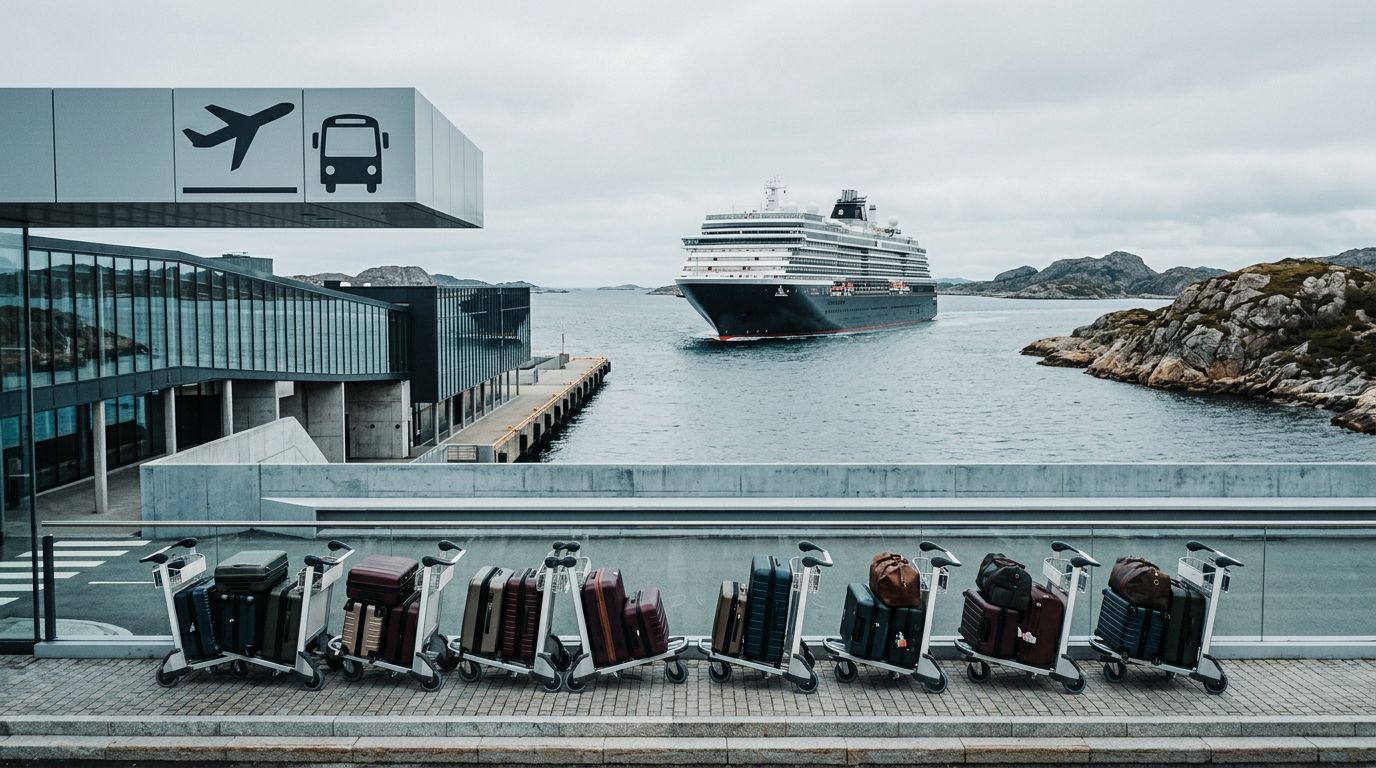
If you join a cruise segment in Japan, confirm the terminal before choosing your hotel. A central Tokyo stay can be appealing, but it doesn't place you beside a Yokohama pier. Arrange a luggage-suitable vehicle and follow the line's boarding window.
For ongoing ship and itinerary comparisons, Subscribe to Our YouTube Channel. Keep checking your booked voyage's official schedule as departure approaches.
Choose Japan for the Time You'll Have Ashore
The strongest Japan itinerary gives your priority destinations enough usable time . Tokyo and Kyoto can justify longer stays, while regional ports add rewarding variety without requiring another major-city checklist.
Compare exact terminals, realistic transfers, and daily pacing before choosing the voyage. A famous destination is most satisfying when you have time to enjoy it.
To discuss how Japan fits your wider route, Schedule a Consultation. The right balance leaves room for memorable visits and comfortable days between them.
Recent Posts