Best World Cruise Destinations for Food Lovers
A memorable food day can disappear from your plans if the ship leaves before dinner. The best world cruise destinations for food lovers offer something worth eating during the hours you actually have ashore , whether that's a market breakfast, a long lunch, or a neighborhood snack.
Onboard dining matters too, especially across a voyage lasting months. But regional menus at sea can't replace tasting a dish where it belongs. Start with the ports, their schedules, and the meals you can realistically enjoy.
How to judge world cruise destinations by their food
A famous food city isn't automatically a strong cruise stop. Check the ship's arrival and departure times, the distance between the berth and the neighborhood you want to visit, and whether passengers go ashore by tender. A short call may suit lunch close to the waterfront. An overnight stay gives you room for dinner without watching the clock.
Also consider how you prefer to eat. A guided tasting can simplify transport and introductions. Independent wandering gives you more choice, but you must allow time to return to the ship. Either way, the best port-day meal fits the schedule .
The destinations below reward different appetites. Treat each as a reason to examine an itinerary closely, not as a promise that every world voyage calls there. Confirm the actual port and time ashore before choosing a cruise around a particular meal.
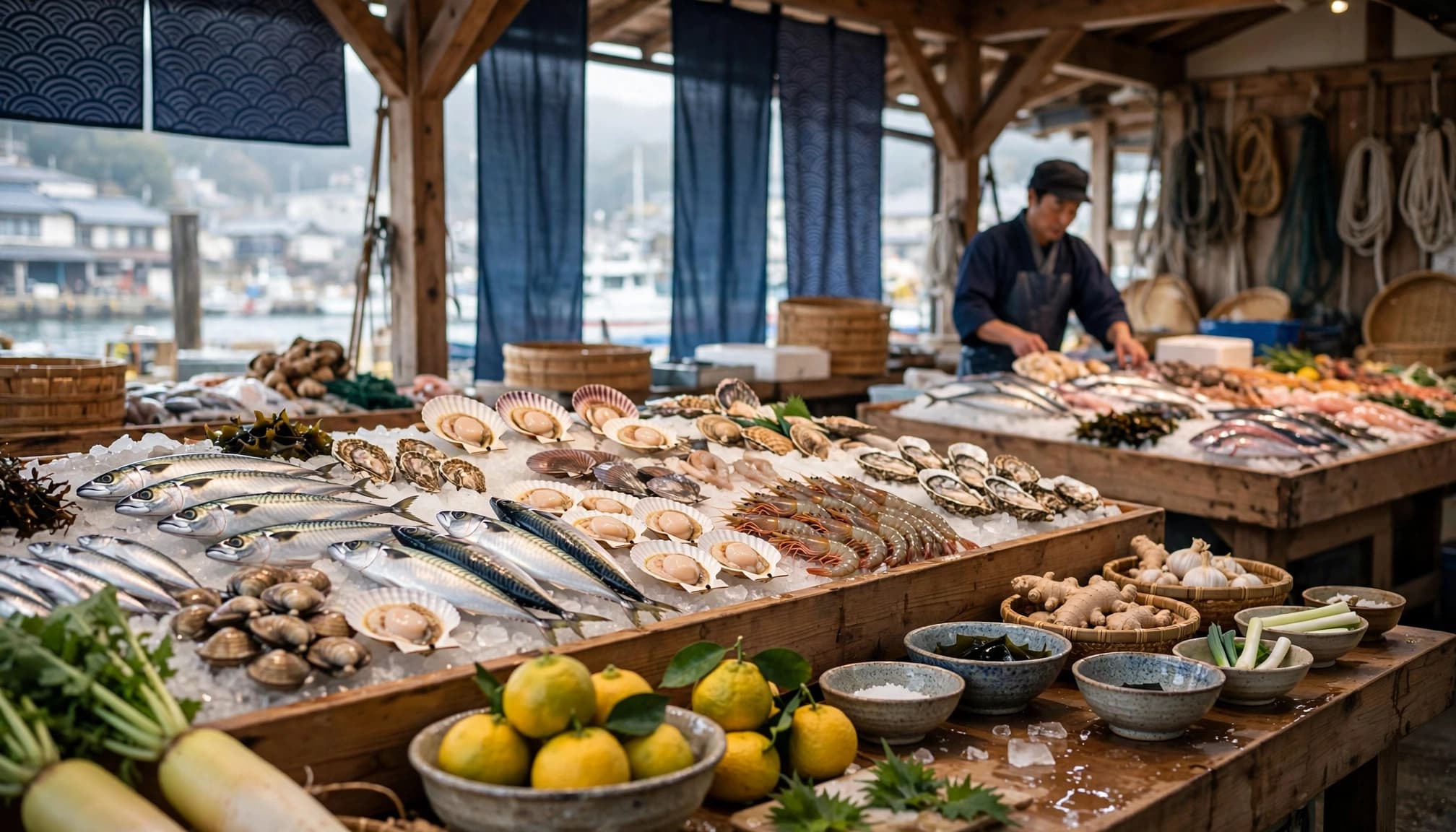
Japan: seafood markets and regional specialties
Japan is particularly rewarding when an itinerary includes more than one call. Its food changes meaningfully between cities, and a second stop lets you eat beyond the first dishes that come to mind.
Yokohama and Tokyo: make the transfer count
If your ship calls at Yokohama, check the time required to reach Tokyo before planning a meal there. Tokyo's Tsukiji Outer Market remains a well-known place to explore prepared foods and seafood shops, although the former inner wholesale market moved to Toyosu. Its appeal is greatest when you have enough time to browse rather than rush through.
A local meal closer to the ship may be the better choice on a short call. If Tokyo is your priority, settle transport and your return plan before deciding where to eat.
Kobe and Osaka: look beyond a single famous dish
Kobe is closely associated with its namesake beef, but a restaurant's use of the word "Kobe" isn't enough to establish what it's serving. If that meal is a priority, choose a restaurant that clearly identifies the beef it sells and check the price before ordering.
An Osaka call offers another approach: sample familiar local foods such as okonomiyaki or takoyaki. A casual lunch can leave more time to explore than a lengthy restaurant reservation.
The Mediterranean: choose the port, then the plate
Mediterranean world cruise destinations can offer excellent lunches ashore, but "Mediterranean food" is too broad to guide a day. Barcelona, Naples, and Piraeus each call for a different plan. Look for a route that gives you enough time to enjoy those differences.
Barcelona and Naples: two distinct lunch plans
In Barcelona, Catalan cooking gives you more to seek out than generic tapas. Pa amb tomàquet, bread rubbed with tomato and dressed with olive oil, is a simple place to start. La Boqueria is a recognizable market, but it draws many visitors. If you want a relaxed meal, check restaurant hours and reserve a table instead of relying on market browsing alone.
Naples invites a more focused stop: pizza. A margherita or marinara makes a satisfying port lunch without consuming the whole day. Allow for queues at popular pizzerias, and don't schedule a long excursion immediately after a tight restaurant booking.
Piraeus and Athens: leave time for a Greek table
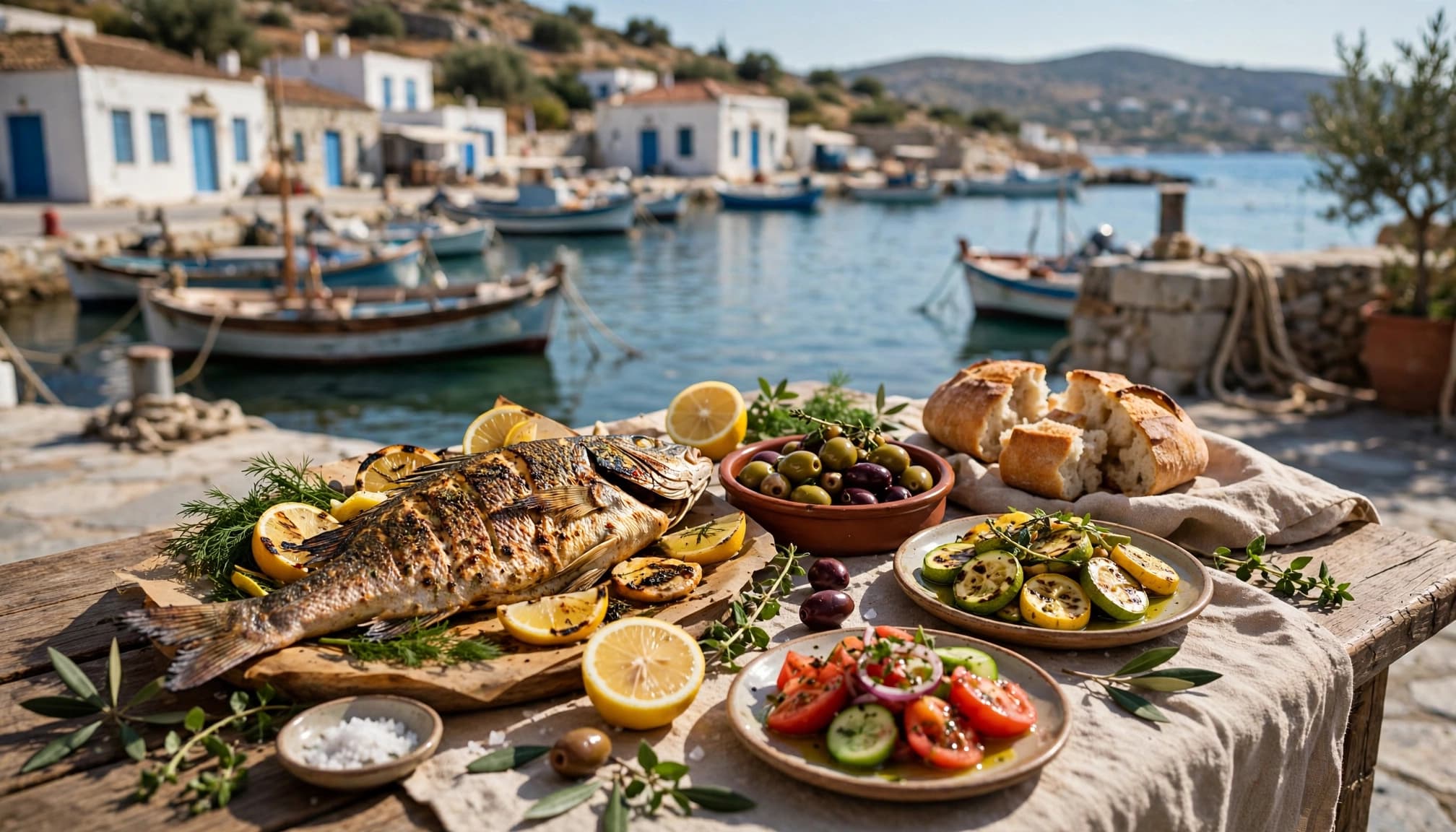
For ships calling at Piraeus, Athens may be part of the plan, but the transfer takes time out of the port day. If food matters more than fitting in every landmark, make space for a taverna lunch. Shared meze offers a way to try several preparations; grilled fish calls for one practical question first.
Ask whether the fish is priced by weight and confirm the expected total before ordering. That small check keeps a leisurely meal from ending with an unwelcome surprise.
Singapore and Penang: make room for hawker food
Southeast Asian calls can be especially appealing if you enjoy informal meals and want to sample several dishes without booking a formal restaurant. For these stops, the practical questions are where your ship berths and how much time you have between disembarkation and departure.
Singapore: pick a hawker centre with your route in mind
Singapore's hawker centres bring many independent food stalls together. Maxwell Food Centre is a well-known option if it fits your plans ashore. You might choose chicken rice for a complete lunch, then leave room for another dish or a drink.
Don't assume the best-known centre is the best choice for your port day. Check its location against your berth, opening hours, and any sightseeing you've scheduled. Arriving at an inconvenient time can matter more than a glowing recommendation.
Penang: let George Town set the pace
George Town is a compelling stop for travelers interested in Malaysian street food. Char kway teow, stir-fried flat rice noodles, and assam laksa, a tangy fish-based noodle soup, show how different two meals in one city can be.
If Penang appears on your itinerary, choose one area to explore rather than building a long list of stalls. Opening hours differ, and a leisurely tasting day still needs a firm return time. You can always eat more widely on an overnight call than on a brief visit.
South America: plan around lunch in Lima and Buenos Aires
South American ports reward travelers willing to look past the name on an itinerary. A listing for Lima may mean the ship berths in Callao. Your time in the city depends on transport and traffic, so confirm both before making a restaurant reservation.
Lima: give ceviche its own meal
Lima is known for ceviche, typically fish cured in citrus juice. If it's a priority, plan a proper lunch at a reputable restaurant rather than squeezing it between distant stops. Raw seafood deserves care: choose a place with sound food-handling practices, and follow your own medical advice if you need to avoid it.
Peruvian cooking extends well beyond ceviche. Lomo saltado, a stir-fry of beef, onions, and tomatoes, is a cooked option for travelers who prefer one.
Buenos Aires: allow time for a parrilla
A parrilla meal lets you experience Argentina's grilling traditions, but it can take longer than a quick port lunch. Book with the ship's schedule in mind and leave a generous buffer for the return journey. Empanadas offer a shorter, easier food stop if your day is crowded.
These are world cruise destinations worth weighing by time in port , not just by the appeal of the city name. A full day can support a sit-down meal; a short call may demand a smaller plan.
Cape Town and Sydney: two different coastal food days
These cities add variety to a food-focused itinerary, particularly if your route gives you enough time to get beyond the terminal.
Cape Town: seek out Cape Malay cooking
Cape Town offers a chance to try Cape Malay dishes, including bobotie, a spiced baked meat dish with an egg topping. Research a suitable restaurant before arriving rather than assuming you'll find it near the berth. If a wine-region excursion also appeals, check its travel time carefully; combining it with a city meal can make for a rushed day.
Sydney: save room for Australian seafood
Sydney suits a more flexible seafood lunch. Local oysters or a simply cooked fish dish can make good use of a daytime call, especially if you already plan to walk along the waterfront. Check where the ship berths before choosing a restaurant. Sydney has more than one cruise arrival point, and the easiest lunch plan depends on yours.
How to turn a port call into a good meal
Food plans work best when they're built around the ship's timetable. The published departure time isn't the time to reach the terminal: your cruise line will set an earlier all-aboard deadline. Tours, traffic, tender queues, and slow restaurant service can all erode the margin you thought you had.
A port name tells you where the ship calls, not how many hours you can spend eating in the city beside it.
Reserve selectively and protect your return
Book ahead for a restaurant that matters to you, especially when a short call offers only one realistic lunch window. For markets and casual stops, some flexibility is useful. Check local hours close to departure, since stalls and restaurants don't all operate on the same schedule.
Carry the ship's port contact details and know your way back. If you're venturing far from the berth, a ship-sponsored excursion may offer a simpler transport arrangement. Read its description closely, though: a "food tour" might mean tastings, a demonstration, or a full meal.
Budget for the meal ashore
An inclusive cruise fare doesn't usually pay for independent restaurant meals in port. Set aside money for food, local transport, tips where customary, and any tour charges. Check how readily your chosen places accept cards.
Dietary needs deserve advance planning as well. Review menus when possible, carry a translated allergy card if appropriate, and ask direct questions about ingredients. If a market purchase tempts you, check the ship's rules before bringing food back onboard.
Onboard dining still shapes the whole voyage
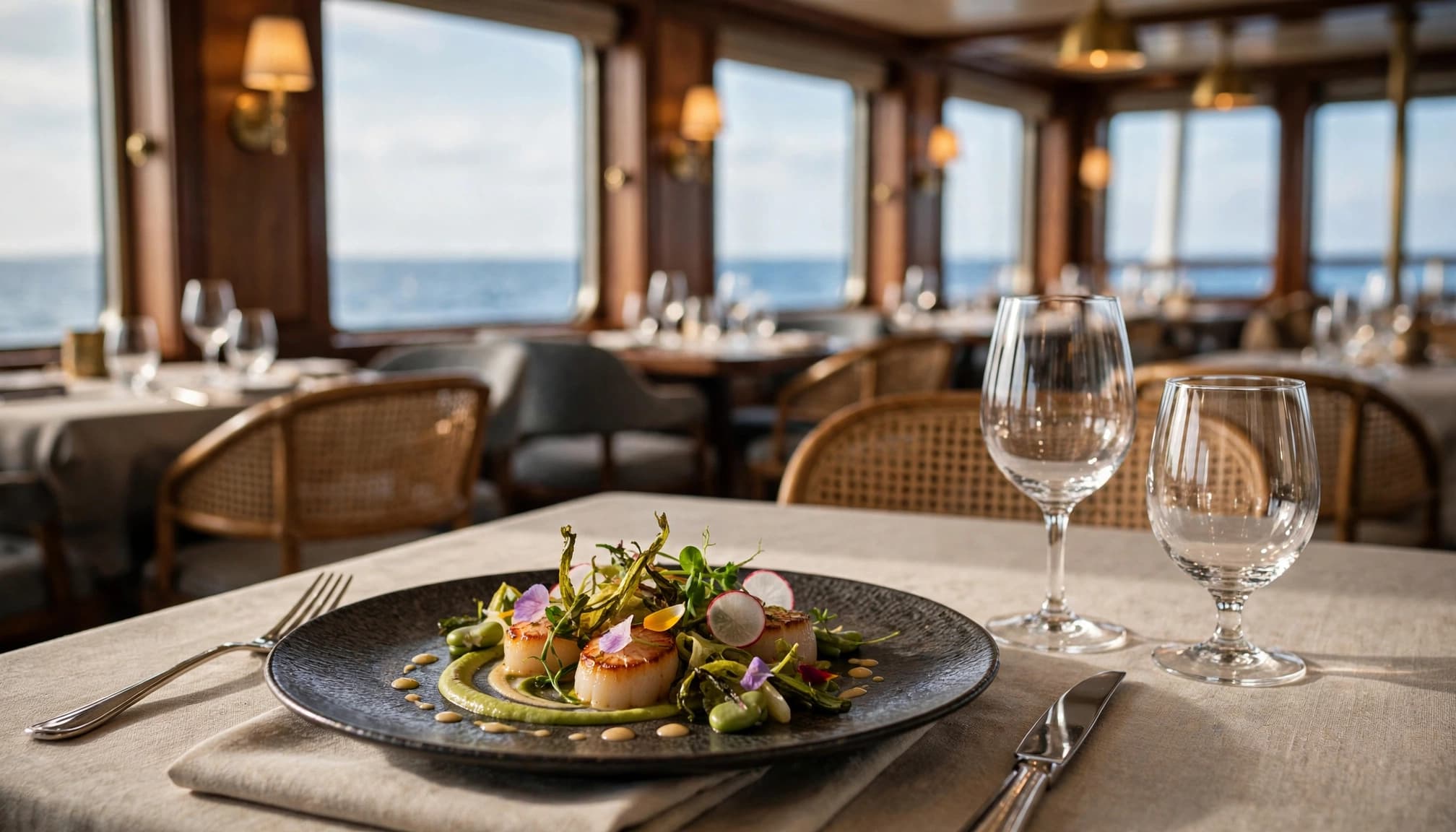
Shore meals may supply the standout memories, but you'll eat far more often aboard. Over months at sea, a dining program's ordinary details matter: breakfast hours, flexible lunch options, table arrangements, reservations, and how easily you can get a light dinner after an excursion.
Compare the everyday routine, not one dinner
Cunard's traditional, more formal approach may suit travelers who like dinner to feel like an occasion. Azamara's generally more casual style may appeal if you prefer less structure. Neither preference tells you what every venue on a particular ship will offer, so compare the ship and sailing before booking.
Ask how menus change over a long voyage and whether dining hours work on early excursion days. If you have allergies or a medically necessary diet, discuss how the culinary team will handle them across the full route.
Check what your fare covers
Review the terms for specialty restaurants, drinks, room service, gratuities, and reservations. Full-voyage benefits can differ from those attached to another fare or shorter sailing. A destination-inspired menu aboard can be enjoyable, but it shouldn't be your only plan for discovering local food.
If food is a major reason for taking the trip, Schedule a Consultation to compare actual port times alongside the dining terms of the ships you're considering.
Key Takeaways
- Favor port calls with enough time for a meal ashore, particularly when the food city lies beyond the berth.
- Match each stop to a realistic plan: a market visit, a casual lunch, or a reserved restaurant meal.
- Compare onboard dining for daily flexibility as well as special occasions. You'll live with those choices long after a single excellent port lunch.
Conclusion
The best food itinerary gives you time to taste a place without racing back to the ship. A celebrated port is less rewarding when the schedule leaves no room for lunch.
Choose your meals ashore with the same care you give the ship's dining routine. Together, those choices can make a long voyage satisfying well beyond its first week.
Recent Posts