
How World Cruise Itineraries Handle Seasonal Weather

World Cruise by Design • September 24, 2026

Share this article

A world cruise can take you through tropical rain, cool ocean crossings, and summer heat within a few months. If you're comparing routes, the weather at each port matters more than the weather on departure day.

Good world cruise weather planning weighs regional seasons against the ship's long route. It can reduce exposure to difficult conditions, but it can't promise sunshine or prevent a missed port. Start by reading the itinerary as a calendar, not just a map.

How seasonal patterns shape a world cruise route

A ship has to reach each region on a particular date. That makes timing a trade-off: favorable conditions in one place may coincide with heat, heavy rain, or rougher seas somewhere else. Port availability, sailing distances, and the time needed for ocean crossings also affect the schedule.

The broad patterns below are useful starting points, not forecasts for your sailing.

Region Seasonal pattern to consider What to check on the itinerary
Caribbean Atlantic hurricane season runs June through November. Dates and the importance of individual ports.
South Pacific Tropical cyclone season generally runs November through April. Island calls, tender ports, and sea days.
Indian Ocean Monsoon timing varies by coast and island. The exact month and side of an island visited.
Northern Europe Winter brings shorter daylight hours and colder conditions. Daylight for excursions and exposed crossings.

A January departure, common on long global voyages, doesn't place every stop in its ideal month. Follow the route week by week. A South Pacific call and a Mediterranean call on the same voyage face different seasonal questions.

Monsoons depend on which coast you're visiting

"Monsoon season" describes a seasonal shift in winds and rainfall. It doesn't mean every day is wet, or that an entire country shares one rainy season. For cruise planning, the coastline and month matter.

South and Southeast Asia

India's southwest monsoon typically develops around June and affects much of the country through September. On India's west coast, that can mean heavy rain and rougher nearshore conditions. The northeast monsoon brings a different rain pattern later in the year, including to parts of southeastern India.

Sri Lanka shows why a country-level weather label can mislead. Its southwest and northeast monsoons affect different coasts at different times. If Colombo is a priority, check conditions for the west coast during your scheduled month rather than relying on a general description of Sri Lanka.

Island timing isn't uniform

Bali often has a drier period from roughly May through October. That pattern shouldn't be applied without checking to every Indonesian island: the country stretches across a vast area, and local seasons differ.

A dry-season port call can still bring a downpour. Likewise, a wetter month may offer a pleasant day ashore. Treat seasonal averages as a way to judge the odds, then look at the current forecast when the visit approaches.

Hurricane and cyclone seasons influence risk

Tropical storms are a concern across several ocean basins, but their seasons don't line up. The Atlantic hurricane season officially runs from June 1 through November 30, according to the U.S. National Hurricane Center. The Australian Bureau of Meteorology defines Australia's tropical cyclone season as November through April.

The same month means different things at sea

A February world cruise may visit tropical waters during the South Pacific cyclone season while remaining well outside the Atlantic's official hurricane season. In East Asia, typhoons are more associated with summer and early autumn. The Bay of Bengal has another pattern, with cyclone risk around the transitions before and after the southwest monsoon.

These are basin-wide tendencies. They cannot tell you whether a storm will affect a particular port on a particular day. Nor does traveling outside an official season rule out severe weather.

A storm can affect a port without hitting it

Strong winds and swell can make a tender landing unsafe even when skies look clear. Heavy rain may disrupt an excursion or road access ashore. A ship's operators may need to revise arrival times or port calls as conditions develop, subject to the circumstances and the voyage terms.

A port can have pleasant weather while the water between ship and shore prevents a safe landing.

If a remote island is the main reason you're booking, find out whether the ship plans to dock or use tenders. A tender-dependent call deserves more flexibility in your expectations.

Ocean conditions matter between destinations

Weather at the next port tells you little about the crossing that gets you there. Wind can build seas near the ship, while swell generated far away can travel into an otherwise calm-looking area.

Swell changes the experience onboard

Open stretches of the Pacific, Atlantic, and Southern Ocean expose ships to different sea states throughout the year. The Tasman Sea between Australia and New Zealand can also be unsettled. Even in a favorable season, a low-pressure system may bring motion for a day or more.

If you're prone to seasickness, check the number and length of consecutive sea days. Discuss suitable prevention with a clinician before departure, especially if you take other medicines.

Conditions at anchor are different

Small-boat operations depend on wind, waves, and local harbor conditions. That matters in destinations where ships anchor offshore. A planned beach or island day carries a different weather risk from a call where the ship berths alongside a sheltered pier.

When comparing world cruise itineraries, mark the calls that use tenders. The distinction may matter more to you than a small difference in the total port count.

Temperature and daylight can change quickly

Travelers often picture a world voyage as an extended warm-weather escape. Some routes also include chilly mornings, cold sea days, or hot afternoons that make walking tours tiring.

Northern and Southern Hemisphere seasons

January is winter in Northern Europe and summer in Australia and New Zealand. In the Mediterranean, July and August can be hot for long days at archaeological sites. Spring or autumn may feel easier for sightseeing, although neither season guarantees calm seas.

A Southern Hemisphere summer visit to higher latitudes offers longer daylight than winter. It doesn't guarantee mild conditions. Wind and rain can still shape a day ashore.

Pack for the crossing, not only the port

A tropical afternoon may be followed by a windy evening on deck. Build a compact wardrobe around breathable clothes, a warm layer, and a light rain shell. Check the coldest part of the actual route before deciding whether you need heavier clothing.

As World Cruise by Design's packing advice suggests, clothes that dry easily and work in several combinations are more useful than separate outfits for every country. Cabin storage and laundry access matter over a voyage lasting months.

Seasonal averages aren't a sailing forecast

Climate describes typical conditions over many years. Weather describes what happens during your visit. The distinction matters when a brochure describes a region as "dry" or "warm."

Rainfall can arrive early or late. A dry season can contain unusually wet weeks, and a warmer-than-average month can still have a cold, windy day. Larger patterns such as El Niño can influence conditions across parts of the Pacific, but they don't produce a dependable forecast for one port call.

Long voyages add another complication: forecasts are useful only as each region draws closer. Conditions predicted before you leave home won't tell you what awaits a port several months later.

Use seasonal patterns to compare itineraries, then keep your plans adjustable. If one destination is indispensable, a single short call gives you less margin than an overnight visit. Even an overnight isn't a guarantee, but it gives you more time if weather affects part of the stay.

What to check before booking a weather-aware route

A good route for you depends on which weather trade-offs you'll accept. Some travelers would choose warmer ports despite a higher chance of rain. Others would prefer cooler walking weather or put a particular island above all other considerations.

Examine the dates behind the port list

Request the current itinerary and note the month for each region you care about. Then check scheduled time ashore, overnight stays, long crossings, and tender calls. A port name alone won't show how much opportunity you have to explore it.

Compare the same destination across possible sailings rather than assuming every visit has the same conditions. Also check your embarkation plans. If winter weather could delay flights to the departure port, arriving a day or two early gives you more room for disruption.

Read the terms for changes and expenses

Cruise itineraries can change for reasons beyond weather, including port congestion and operational issues. Read the voyage terms to understand how the line handles substituted or missed calls. Ask separately about shore excursions you've booked outside the cruise line.

Insurance deserves the same close reading. Check the policy's covered reasons, trip-interruption provisions, and limits for missed connections or excursions. Don't assume a change of port creates a claim. Keep important flights and independent plans as flexible as your budget allows.

Key Takeaways

  • Compare each important port by month and location , not by the departure season.
  • Monsoons and cyclone seasons differ across regions, and local coastlines can have different conditions.
  • Swell, wind, and tender conditions can disrupt a visit even without a storm at the port.
  • Seasonal planning reduces risk; forecasts and itinerary changes remain part of a long voyage.

Frequently Asked Questions

Do world cruises follow good weather around the globe?

They can be timed with seasonal conditions in mind, but no route can secure ideal weather everywhere. A ship covering several oceans must balance distances, port schedules, and regional seasons. Check the actual dates of the places you most want to visit.

Does a dry-season visit mean it won't rain?

No. A dry season describes a typical rainfall pattern, not a daily promise. Local showers and unusual weather remain possible. Look at seasonal averages before booking and short-range forecasts near the visit.

What happens if weather prevents a port call?

The ship may change its timing, call somewhere else, or spend the day at sea, depending on conditions and what is operationally possible. Your booking terms govern the line's obligations. Excursion refunds and insurance claims depend on how you booked and the applicable terms.

Conclusion

A world cruise can cross several weather systems before you unpack a second suitcase. The most useful question is where the ship will be when , especially at the ports you care about most.

Read the route alongside the seasons, allow for change, and choose an itinerary you'd still enjoy if a few days don't go to plan.

Recent Posts

By World Cruise by Design September 23, 2026
You may choose a world cruise for one particular stop, only to wake up and hear that the ship won't call there. A missed port on a cruise is disappointing, but it doesn't necessarily disrupt the rest of your voyage. What happens next depends on why the call was canceled, how m...
By World Cruise by Design September 22, 2026
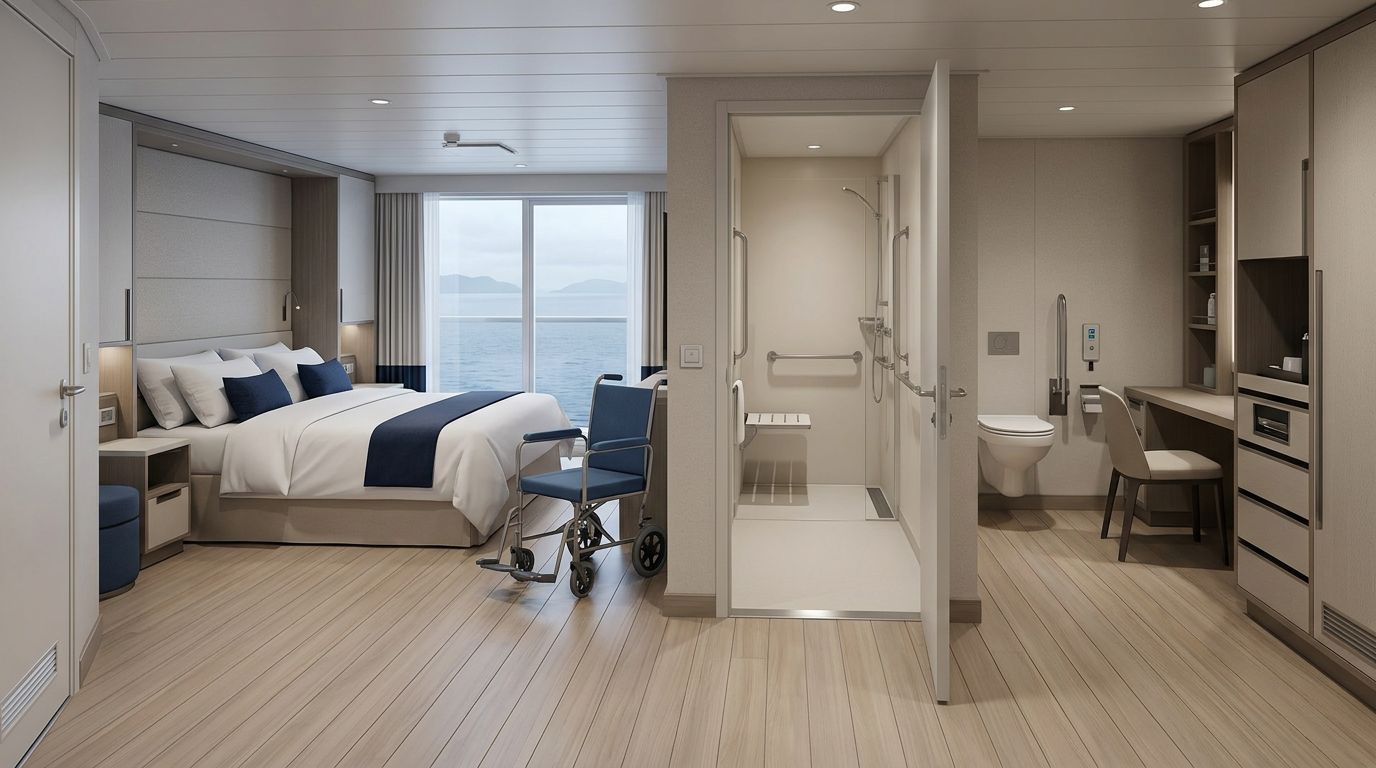
A six-month world voyage turns your cabin into a bedroom, office, dressing area, storage room, and recovery space. An accessible cruise cabin must support daily routines for months, not merely meet your needs for a seven-night holiday. Cabins with accessibility features are li...
By World Cruise by Design September 21, 2026
Working remotely during a world cruise is possible, but it requires more planning than taking a laptop on a short vacation. Ship Wi-Fi can handle email, documents, messaging, and some video calls, yet satellite service is shared and can slow down without warning. The best cand...
By World Cruise by Design September 20, 2026
A six-month voyage can simplify your daily life, but your bills still run on schedules back home. Managing bills while traveling requires more than turning on autopay. You need a system for mail, account access, security alerts, records, and unexpected expenses. Before departu...
By World Cruise by Design September 19, 2026
Life at sea changes when a voyage lasts weeks instead of days. The ocean becomes part of your daily view, while meals, movement, entertainment, and rest settle into a familiar rhythm. A world cruise offers the comfort of keeping one cabin while visiting several continents, but...
By World Cruise by Design September 18, 2026
Choosing between Oceania and Holland America affects more than your itinerary. It determines the ship you call home, the pace of port visits, the services included in your fare, and how comfortable daily life feels after several months at sea. The Oceania vs Holland America de...
By World Cruise by Design September 17, 2026
A long voyage needs more than attractive ports. The best world cruise enrichment programs give sea days a purpose through lectures, destination talks, cultural events, cooking instruction, creative activities, and wellness options. The right choice depends on how you want to s...
By World Cruise by Design September 16, 2026
A world cruise can be one of retirement's most memorable experiences, but the wrong budget can turn months at sea into a financial strain. World cruise retirement planning starts with the income you can spend safely, not the lowest fare shown in an advertisement. A cruise fare...
By World Cruise by Design September 15, 2026
A world cruise waitlist can help you pursue a preferred sailing after your cabin category becomes unavailable, but it isn't a booking or a guarantee. Cruise lines may handle waitlists differently, and some may offer alternative arrangements instead of a formal queue. Availabil...
By World Cruise by Design September 14, 2026
World cruise friendships often begin with a shared breakfast, a lecture, or a conversation about the next port. Since passengers see one another repeatedly over several weeks, connections can grow more naturally than they do on a short sailing. The same routine can also make p...

Show More