South Pacific Cruise Ports Worth Prioritizing
A turquoise lagoon looks inviting on any itinerary, but the hours ashore determine how much you'll experience. When comparing South Pacific cruise ports, look for a mix of dramatic scenery, local history, and enough time to enjoy both.
For a world cruise, port depth matters more than collecting island names. Moorea, Bora Bora, Rarotonga, and Pitcairn offer different reasons to go, along with different practical demands. Start by matching each call to the experience you want, then examine how the ship's schedule supports it.
Choose South Pacific Cruise Ports by Experience
The strongest Pacific itinerary gives you variety without turning every island day into an exhausting excursion. Before comparing cruise lines, identify which experiences would disappoint you to miss.
Match the island to your interests
Moorea combines volcanic scenery with archaeological sites. Bora Bora puts its lagoon at the center of the visit. Rarotonga offers a mountainous island setting with practical limitations on how larger ships bring passengers ashore. Pitcairn rewards travelers interested in remoteness and the history of the Bounty.
You don't need every call to justify the voyage. However, travelers who want both nature and history should look beyond itineraries dominated by beach outings. A scenic drive, a lagoon excursion, and a historical visit create a more varied Pacific passage.
Give the schedule equal weight
Arrival and departure times deserve the same attention as destination names. A brief visit can leave room for only one outing, particularly when tender transfers consume part of the day.
Meanwhile, an overnight may allow a less hurried excursion or a second experience ashore. Check the actual operating arrangements before assuming evening access. Long ocean distances also make substitutions difficult, so choose a route you'll enjoy even if weather changes one anticipated call.
Moorea: Prioritize Volcanic Scenery and Island History
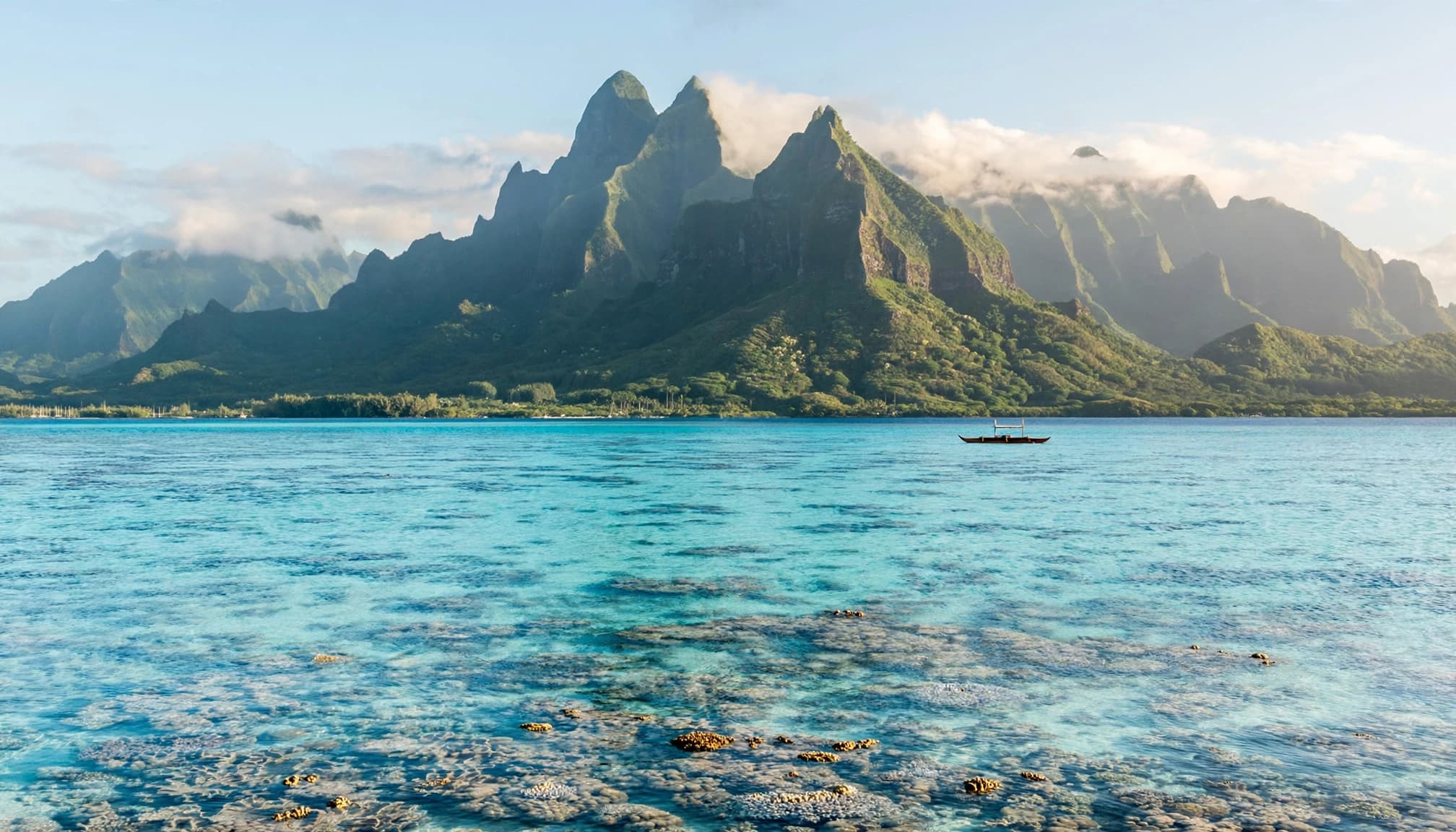
Moorea is a strong choice if you want more than a day on the water. Its steep green mountains, bays, and historical sites offer several ways to spend a call without treating the island as a beach stop.
Choose the mountains and bays for scenery
Tahiti Tourisme identifies Cook Bay, Opunohu Bay, and the Opunohu lookout among Moorea's visitor highlights. Together, they make the island especially appealing to photographers and travelers who prefer land-based sightseeing to swimming.
A guided island excursion can provide context while connecting several viewpoints. However, review the route rather than assuming every tour visits both bays. Walking distances, uneven ground, and vehicle access also matter. For guests conserving energy during a long voyage, a predominantly vehicle-based outing may suit better than a hiking itinerary.
Add cultural context beyond the viewpoints
Moorea's listed visitor interests also include the Opunohu marae, Papetoai Temple, and Ancestors' Trail. These give history-minded travelers alternatives to another lagoon excursion.
Ask whether a tour includes meaningful interpretation and time at the sites, rather than a quick photo stop. The island also has Te Fare Natura, another option to investigate when excursion programs become available. Confirm opening arrangements and transport for your date. Moorea's ferry connection with Tahiti doesn't establish how your cruise call will operate, so check the ship's landing plan separately.
Bora Bora: Make the Lagoon the Main Event
Bora Bora deserves priority for travelers whose Pacific wish list centers on water, motu, and views of Mount Otemanu. Its distinctive appeal is the relationship between the lagoon and the volcanic island rising behind it.
Select an outing that suits your comfort in the water
Tahiti Tourisme lists snorkeling, diving, boat trips, hiking, and guided 4×4 excursions among Bora Bora's activities. That range gives couples with different interests some flexibility.
For swimmers, compare how much time a lagoon tour spends in the water versus aboard the boat. Non-swimmers should look for sightseeing-focused departures and ask about boarding steps, seating, shade, and restroom access. Also confirm whether a motu stop involves wading ashore. Those details can determine whether a beautiful excursion feels comfortable, especially for travelers with limited mobility.
Favor time ashore over a famous name
Bora Bora is particularly attractive when the schedule allows an unhurried lagoon outing. Regent's published 2026 Seven Seas Mariner itinerary included an overnight here within its 154-night voyage, illustrating the value of examining port timing rather than total destination count.
However, an overnight doesn't automatically provide unrestricted evening tender service. Check the specific arrangements and excursion schedule. Vaitape is the island's administrative center, but reaching it isn't equivalent to having a lagoon experience arranged. Reserve the outing you want rather than expecting to organize everything immediately after landing.
Rarotonga: An Island Call for a Less Scripted Day
Rarotonga appeals to travelers who enjoy mountainous island scenery and prefer some flexibility over a tightly packed excursion schedule. As the Cook Islands' main island, it offers a different setting from Bora Bora's lagoon-focused experience.
The first planning issue is shore access . The Cook Islands Ports Authority states that Avatiu Harbour can accommodate cruise vessels up to 120 meters by arrangement with the Harbourmaster. Larger vessels normally anchor and tender passengers ashore.
That distinction matters when comparing ships. A smaller vessel's dimensions alone don't guarantee a berth, while a larger ship's advertised arrival time doesn't tell you when you'll step onto land.
For an independent day, confirm the landing point, available transport, and return arrangements before selecting an activity. Avoid building the day around a distant reservation with little margin for tender delays.
Rarotonga is therefore worth prioritizing if you value the island setting and can stay flexible. Travelers who need predictable, step-free access should obtain ship-specific guidance before making it a deciding factor. Ask about the tender itself, because a manageable activity ashore can still involve a difficult transfer getting there.
Pitcairn: Choose Remoteness With Realistic Expectations
Pitcairn is the most conditional choice on this shortlist. Its appeal lies in its isolation, small community, and connections to the Bounty story. It suits historically curious travelers who accept that a scheduled visit may not produce a landing.
Focus on history and the island's terrain
Pitcairn's official visitor information lists museum artifacts in Adamstown, John Adams's grave, Christian's Cave, and the Eco Trail among its interests. These provide concrete reasons to visit beyond the achievement of reaching a remote island.
However, different sites demand different levels of exertion. Ask which places your excursion actually reaches and how much climbing or uneven walking it involves. St. Paul's Pool also appears in the official visitor information, but swimming and snorkeling depend on sea and weather conditions. It shouldn't be treated as a guaranteed activity.
Treat landing as conditional
Official visitor information reports roughly 10 to 15 cruise ships booked per season. Visits require advance permission, and landing depends on favorable conditions. Ships generally anchor and transfer visitors toward Bounty Bay.
A Pitcairn call on the itinerary doesn't guarantee that passengers will reach the island.
If landing proves unsafe, a local lecture and craft market aboard the ship may be arranged. That offers another way to meet residents, but it remains conditional too. Prioritize Pitcairn for the possibility of a rare encounter, while choosing a broader itinerary that will still satisfy you if the captain cancels the landing.
Read the Port Schedule Before Choosing Excursions
The practical details of South Pacific cruise ports can change your experience as much as the scenery. Tendering, heat, transfer distances, and consecutive active days all deserve attention before you commit to a shore program.
Start with the daily itinerary, then ask four questions:
- How much usable shore time remains after landing and return transfers?
- Does the excursion involve swimming, wading, steep paths, or difficult vehicle access?
- What happens if weather prevents the ship from calling or delays tender service?
- Can you comfortably manage this outing after the previous day's activities?
These questions matter more than an excursion's marketing description. A short boat ride can involve awkward boarding, while a longer sightseeing drive may require little walking.
Also alternate demanding outings with easier days. Your enthusiasm at booking time won't always match your energy several weeks into the voyage. Moorea might justify a substantial land excursion, followed by a gentler sightseeing outing at the next call.
Finally, check the season for each island group rather than assuming one forecast applies across the Pacific. Tropical weather varies, and sea conditions can affect access even when the destination itself looks inviting. Keep independent reservations flexible where possible, and leave a generous return margin.
Compare the Pacific Passage, Not Just the Cruise Fare
When choosing between voyages, isolate the South Pacific portion of each itinerary. Compare the islands, hours in port, overnight stays, tender arrangements, and sea days surrounding them. Similar route maps can conceal very different experiences.
Then examine the excursion inclusions. An included shore program doesn't mean every preferred activity is available, suitable, or free of supplements. Check the actual tour description and booking conditions, especially for small-group lagoon outings and mobility-sensitive transfers.
Regent's published 2026 program listed 431 included excursions across the entire voyage. That figure describes the breadth of the program, rather than the choices available at any single island. It also doesn't establish what another season will include.
If the Pacific is your main interest, a segment may deserve consideration. Cunard's sector model allows travelers to join part of a longer global route. However, confirm that the available sector includes your priority calls, then compare its flights, hotel needs, and cabin availability with the full voyage.
For help comparing port timing and practical shore access, Schedule a Consultation to discuss the islands that matter most to you. You can also Subscribe to Our YouTube Channel for guidance on planning a long voyage.
Prioritize the Calls You'll Have Time to Enjoy
Moorea rewards travelers seeking mountain scenery and historical context. Bora Bora favors lagoon-focused days, while Rarotonga offers an island setting that calls for flexible planning. Pitcairn adds remoteness and history, with genuine uncertainty about landing.
Choose your must-see experiences first, then compare the schedule and shore arrangements that make them possible. A satisfying Pacific passage gives you enough time and energy to appreciate each island's character, rather than simply adding its name to your travel record.
Recent Posts