


Cruise Disembarkation After 100 Days: Planning Your Return

World Cruise by Design • September 30, 2026

Share this article

After 100 days at sea, the busiest part of your journey may begin when you leave the ship. Cruise disembarkation deserves advance planning, especially when you're tired, carrying several bags, and facing a flight home.

A world cruise gives you months without repeatedly changing hotels, but the final morning brings every travel task back together. Build in breathing room rather than squeezing the journey home into the shortest possible schedule.

Start with your onward travel, then work backward to the arrangements you'll need before leaving your cabin.

Plan Cruise Disembarkation Before Booking Your Flight

The ship's scheduled arrival is only one part of your departure timeline. Ask the cruise line when guests on your sailing can reasonably expect to reach onward transportation.

Then account for luggage collection, border formalities, the terminal exit, road travel, airline check-in, and security. Requirements and processing times depend on your route and circumstances.

Choose a flight with room for delays

Before ticketing, request the cruise line's recommended earliest flight departure for your sailing and airport. Treat that guidance as a planning reference, not a guarantee that everything will run on time.

Compare flights by the whole journey. A later departure with fewer connections may be easier than an early flight followed by a long layover.

Also review fare-change conditions before purchasing. After a months-long voyage, paying for flexibility may be worthwhile if a schedule change would otherwise create substantial expense.

Consider staying overnight ashore

An overnight hotel stay can separate leaving the ship from a demanding flight day. Consider it when the airport is distant, flights are limited, or you expect to need extra rest.

Choose the location around your next step. An airport hotel may simplify an early flight, while a hotel near the port may shorten the first transfer.

Confirm check-in arrangements before booking. Arriving in the morning doesn't automatically mean your room will be ready, so ask about early access and luggage storage.

Confirm Your Sailing's Final-Day Arrangements

During the final week, review the cruise line's departure instructions and resolve anything unclear. Save the relevant details offline because connectivity may change once you leave the ship.

Clarify luggage and departure procedures

Ask whether your sailing offers assisted luggage collection, self-carried departure, or other arrangements. Confirm any collection deadline, bag-tag instructions, cabin-vacating time, and assigned departure group.

Choose according to what you can comfortably manage. Carrying everything yourself may be unsuitable after 100 days of purchases and accumulated belongings.

If you need help with steps, long walks, or luggage, arrange it before the final morning. Ask where assistance begins and where responsibility passes to the next provider.

Check accounts and documents early

Review your onboard account while there's still time to question unfamiliar charges. Confirm how the cruise line will deliver your final statement, and save a copy for your records.

If the ship holds your passport, ask when and where you'll receive it. Check that you have every original document before departure.

Also request any medical records or receipts you need from onboard treatment. Sorting these out before the last morning reduces avoidable stops.

Keep Medication and Essentials Within Reach

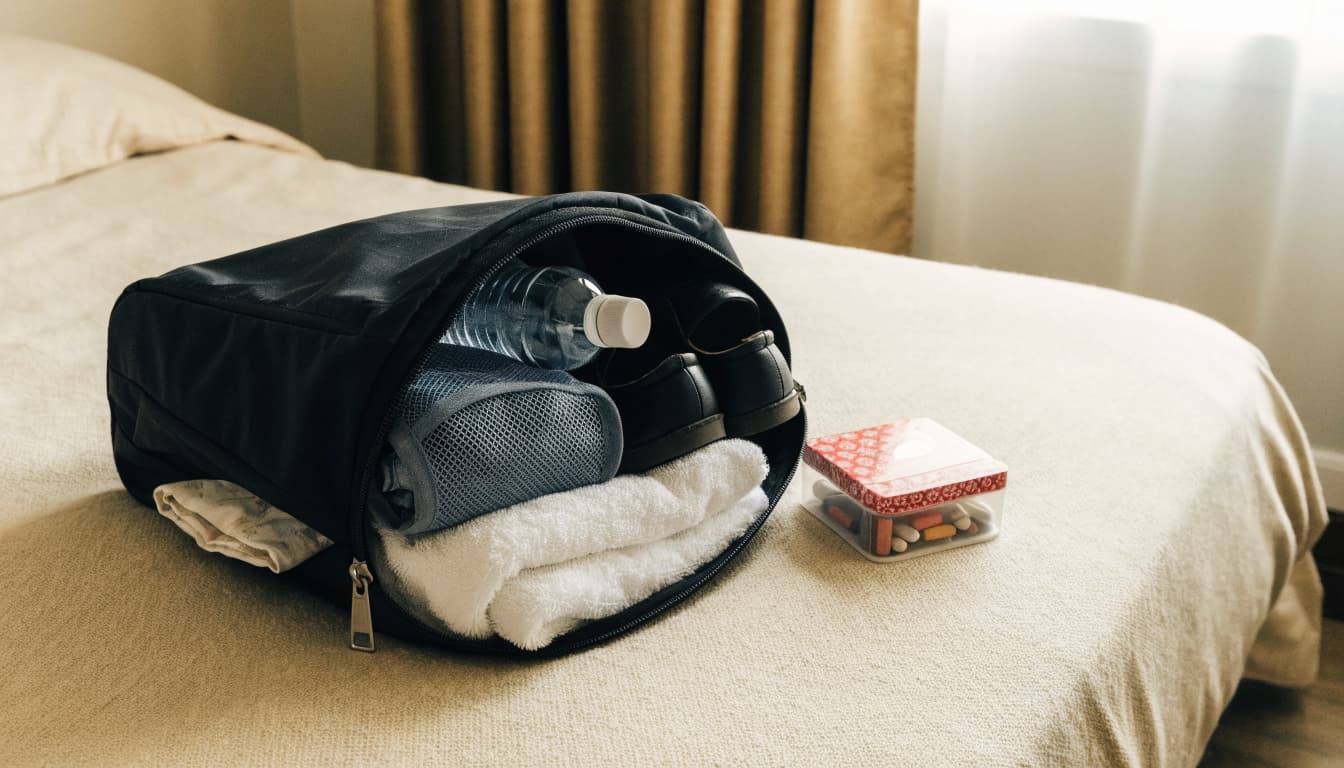
Your carry-on should support you through the journey home and an unexpected overnight delay. Pack it before preparing any luggage for collection.

Protect your medication supply

Keep prescription medicines in their original labeled packaging, together with prescriptions or supporting letters. Retain any clinician-recommended reserve in your personal luggage rather than sending it ahead.

Count what remains before the final week. If supplies are low, contact your clinician and pharmacy before reaching the departure terminal. Don't assume a port pharmacy stocks your usual medicine.

For temperature-sensitive medication, confirm storage arrangements across transfers, hotels, and flights. Ask your clinician how to handle dosing across time zones.

If an airline requires you to gate-check your bag, remove the medication kit first. Each traveler should carry their own essential supply and documentation.

Pack for a delayed suitcase

Keep the essentials compact enough to carry comfortably:

  • Carry passports, travel approvals, insurance information, and printed transport details.
  • Include glasses, medical-device supplies, chargers, and any equipment you depend on.
  • Pack a change of clothes, basic toiletries, and a layer for cool terminals.
  • Keep valuables and necessary payment methods with you throughout the journey.

Save document copies securely, but retain accessible offline backups. A flat phone battery shouldn't prevent you from finding your hotel address or showing a reservation.

Check airline rules for liquids, batteries, and medical equipment before packing. What worked onboard may need rearranging for the flight.

Repack for the Airline, Not the Ship

Your return luggage may look different from the bags you brought aboard. Souvenirs, gifts, and clothing purchases can change both weight and bag count.

Check the allowance for every flight segment, including any separately booked connection. Confirm whether your ticket includes checked bags and how excess baggage charges apply.

Weigh each suitcase while you still have time to redistribute belongings. Also make sure you can lift or move the bags wherever help isn't available.

If you're considering luggage shipping, confirm collection arrangements, delivery estimates, customs paperwork, insurance, and exclusions before committing. Keep anything needed during the journey out of that shipment.

Before handing over your bags, photograph them and check their identification tags. Put contact details inside as well, without displaying unnecessary personal information outside.

Finally, sweep the cabin systematically. Check the safe, drawers, bathroom shelves, wardrobe, bedside sockets, and the space beneath the bed. Keep departure clothes and shoes separate so they don't disappear into a collected suitcase.

Arrange Onward Transport Around Your Energy

After months of shipboard routines, a sequence of queues, lifts, and crowded transport can feel demanding. Choose the first transfer with your likely energy level in mind.

Compare the cruise line's transfer arrangements, a pre-booked private vehicle, and locally available transport. Ask each provider about pickup location, waiting time, luggage capacity, accessibility, and cancellation terms.

A cheaper transfer may involve more walking or handling bags yourself. Price the complete arrangement, including any luggage assistance you need.

For a private pickup, give the operator your ship, terminal details, contact number, and expected departure window. Ask what happens if clearance takes longer than expected and how waiting charges work.

If your plans include rail or public transport, check station access and the number of changes. Several suitcases can make an otherwise straightforward route uncomfortable.

Avoid making a long drive home the default after an overnight flight. Arrange a driver or overnight stop if tiredness could affect your ability to drive safely.

Recheck Entry Rules and Customs Requirements

Leaving the ship may involve entering a country before flying onward. Airport connections can add another jurisdiction, even when you intend to spend little time there.

Confirm requirements for your nationality, passport, residency, and actual route. Review the disembarkation country and every connecting country rather than relying on approvals used earlier in the voyage.

Check passport details against flight bookings, hotel reservations, and travel authorizations. Resolve discrepancies before departure day.

Medication rules also deserve another look. Your remaining supply may pass through borders with different restrictions, especially if your flights changed during the voyage. Keep any required approvals accessible.

Review customs guidance for purchases made over the past 100 days. Food, plants, animal products, and other souvenirs can require declarations or face restrictions.

Keep purchase receipts together and create a simple inventory of higher-value items. Don't assume that buying something aboard the ship changes the rules at your destination.

Once cruise disembarkation begins, having documents organized is more useful than having them scattered across several bags.

Prepare a Backup Plan for Delays

A workable return itinerary includes an alternative if the ship, transfer, or flight runs late. Decide whom you'll contact before you're standing in a terminal with limited battery power.

Save the cruise line's departure contact, transport provider, airline, hotel, travel advisor, and insurer details in more than one place. Confirm which contact can change each booking.

A transfer booking doesn't necessarily protect a separately booked flight. Ask who handles rebooking and who pays if the connection fails.

Review insurance coverage through the end of your journey, including any planned hotel stay. Ask about delay thresholds, covered causes, documentation, and authorization requirements.

Don't assume meals, accommodation, or replacement tickets qualify automatically. Also check whether independently booked flights form part of the insured trip.

Keep funds available for immediate expenses because reimbursement may come later. If disruption occurs, retain receipts and written explanations from the relevant provider.

Finally, contact the hotel if you'll arrive late. Confirm its late-arrival procedure rather than assuming the room will remain available without notice.

Give Yourself a Recovery Buffer at Home

Protect the first full day home where possible. After a long voyage and a demanding return trip, unpacking everything immediately can wait.

Before leaving the ship, confirm your home-arrival arrangements. Make sure you can access the property, your pickup person has updated flight details, and essential food will be available.

Plan medication continuity as carefully as the flight. Check when your next refill is due and whether your usual pharmacy needs advance notice.

During the first 48 hours, prioritize sleep, ordinary meals, and necessary household tasks. Leave space before major work commitments, long drives, or appointments that require sustained concentration.

If the ship's medical team changed your treatment, arrange follow-up with your usual clinician and share the relevant records. Don't adjust medication yourself to settle back into home time.

The emotional transition can take time too. After months of familiar crew, fellow passengers, and shared routines, a quiet house may feel unfamiliar. Keep the first few days lightly scheduled rather than filling them to compensate.

Bring the Voyage to a Comfortable Close

Good cruise disembarkation planning protects the final stretch of a long journey. Realistic flight timing, accessible essentials, and confirmed transfers give you fewer problems to solve when you're tired.

Build the journey home around rest and flexibility , with room for delays and a gentle return to everyday routines.

After 100 days at sea, reaching home comfortably belongs in the plan alongside every destination you've enjoyed.

Recent Posts

By World Cruise by Design • September 29, 2026
Your suitcase may travel with you for 100 days, yet you probably won't handle it much after boarding. The important moments for cruise ship luggage are the handoffs: at the terminal, when you settle into your cabin, and when you leave the ship. If you're considering a world cr...

By World Cruise by Design • September 28, 2026
A sudden illness feels different when the nearest hospital is across open water. If you're considering a months-long voyage, you need to know how cruise ship medical emergencies are handled before choosing a ship and itinerary. Most ships can assess and treat many problems onb...

By World Cruise by Design • September 27, 2026
A memorable food day can disappear from your plans if the ship leaves before dinner. The best world cruise destinations for food lovers offer something worth eating during the hours you actually have ashore , whether that's a market breakfast, a long lunch, or a neighborhood s...

By World Cruise by Design • September 26, 2026
Five months aboard a ship can make a small difference in daily comfort feel enormous. If you're comparing Silversea and Seabourn, the route matters as much as the service: their announced 2027 world voyages spend similar lengths of time at sea but visit different parts of the...

By World Cruise by Design • September 25, 2026
A cruise that lasts five months changes the meaning of a good cabin, a satisfying dinner, and a comfortable day at sea. If you're weighing Viking vs Oceania for a longer world voyage, compare the life you'll lead aboard as carefully as the ports you'll visit. Viking offers a c...

By World Cruise by Design • September 24, 2026
A world cruise can take you through tropical rain, cool ocean crossings, and summer heat within a few months. If you're comparing routes, the weather at each port matters more than the weather on departure day. Good world cruise weather planning weighs regional seasons against...

By World Cruise by Design • September 23, 2026
You may choose a world cruise for one particular stop, only to wake up and hear that the ship won't call there. A missed port on a cruise is disappointing, but it doesn't necessarily disrupt the rest of your voyage. What happens next depends on why the call was canceled, how m...

By World Cruise by Design • September 22, 2026
A six-month world voyage turns your cabin into a bedroom, office, dressing area, storage room, and recovery space. An accessible cruise cabin must support daily routines for months, not merely meet your needs for a seven-night holiday. Cabins with accessibility features are li...

By World Cruise by Design • September 21, 2026
Working remotely during a world cruise is possible, but it requires more planning than taking a laptop on a short vacation. Ship Wi-Fi can handle email, documents, messaging, and some video calls, yet satellite service is shared and can slow down without warning. The best cand...

By World Cruise by Design • September 20, 2026
A six-month voyage can simplify your daily life, but your bills still run on schedules back home. Managing bills while traveling requires more than turning on autopay. You need a system for mail, account access, security alerts, records, and unexpected expenses. Before departu...

Show More