
Is a World Cruise Right for You? A Practical Guide
A world cruise can turn one annual vacation into several months of changing coastlines, new cultures, and familiar faces onboard. It can also mean living out of one cabin, following a fixed schedule, and managing travel costs long after you pay the advertised fare.
The appeal is clear, but the decision needs more than a love of travel. Your budget, health, home responsibilities, tolerance for sea days, and preferred travel pace all matter. Start by understanding what a 2026 world cruise actually involves.
What a 2026 world cruise actually looks like
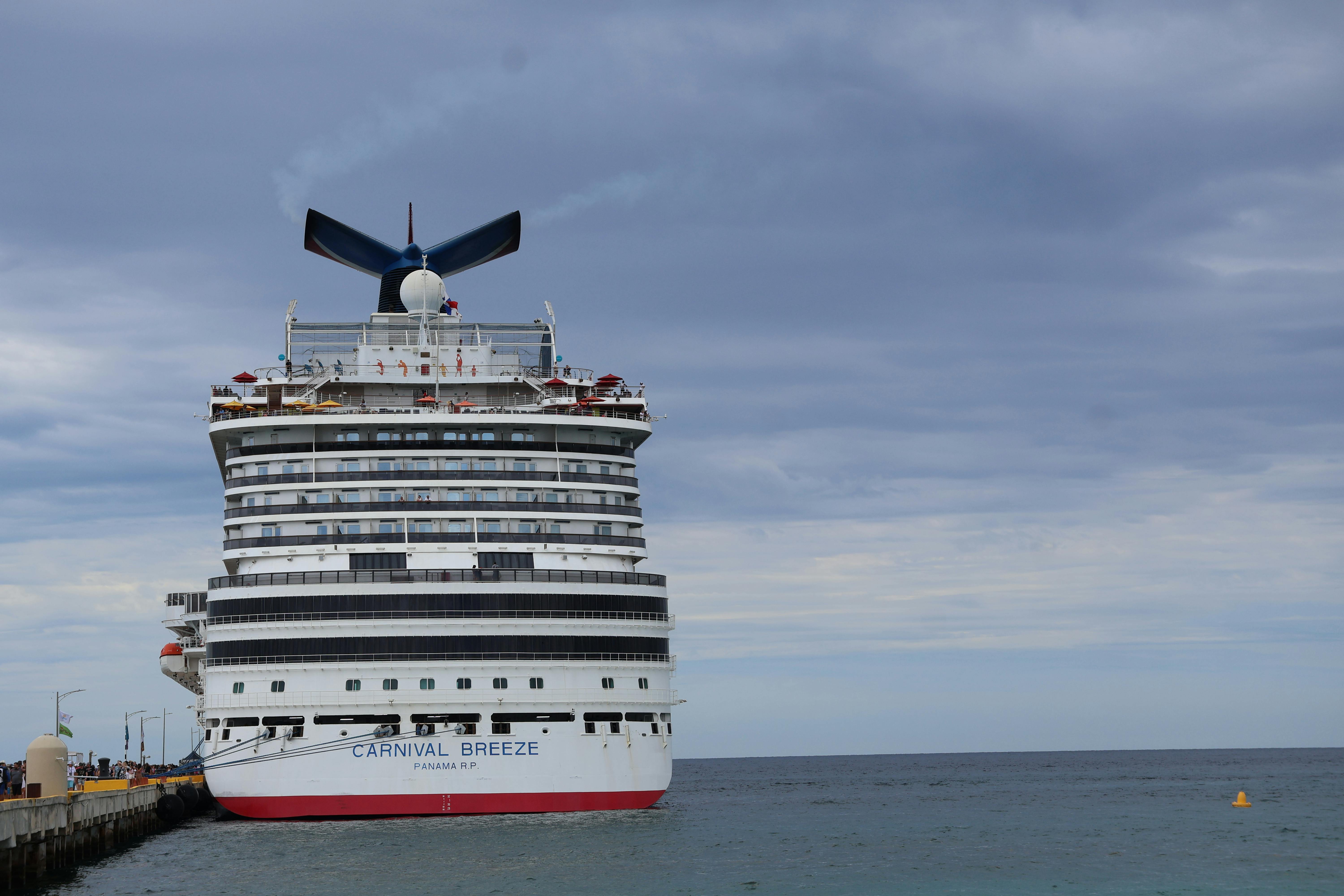
Most full world cruises last roughly three and a half to five months. Current 2026 examples include Holland America's 133-night sailing on Volendam , Cunard's 108-night Queen Mary 2 voyage, and an MSC Magnifica itinerary listed at about 119 days.
Regent Seven Seas scheduled its 2026 World Cruise aboard Seven Seas Mariner , departing January 10. Viking lists a Fort Lauderdale to London world itinerary, along with a December 22, 2026 departure for its 2026 to 2027 cycle. These dates and ships provide useful benchmarks, but availability and pricing change.
What happens between ports
A long itinerary includes many sea days. Those days may suit you if you enjoy reading, lectures, fitness classes, live performances, quiet mornings, or conversations with other passengers.
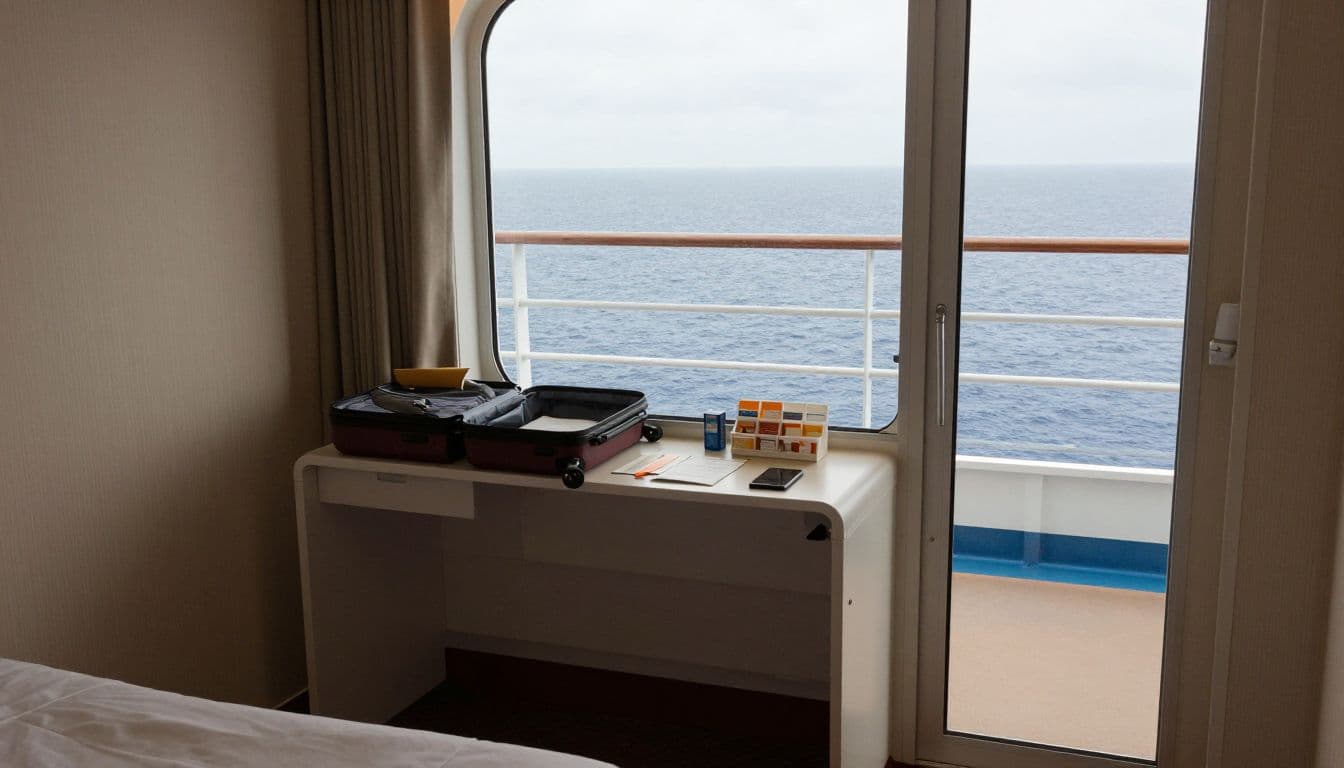
However, a ship's daily rhythm can feel repetitive after several weeks. You may need to create your own routine instead of expecting every day to feel like an excursion. A balcony, reliable laundry access, and enough storage can make the difference between feeling settled and feeling cramped.
A port call is not a full visit
World itineraries often include destinations that would take several days to experience independently. A single port call may give you only eight or ten hours ashore, including transport time and the need to return before departure.
That pace works for travelers who want a broad introduction to many places. It frustrates people who prefer slow mornings, local trains, extended stays, and spontaneous changes. Review each port carefully, including tender ports, overnight stays, and days when the ship remains at sea.
Why travelers choose the long version
A full voyage offers a rare sense of continuity. You unpack once, learn the ship, recognize crew members, and gradually build friendships with passengers who share much of your route.
The experience can feel less rushed than a series of flights. You avoid repeated airport transfers, hotel check-ins, luggage changes, and decisions about where to sleep next.
Photo by Hetvi Patel
The appeal of unpacking once
For many older travelers, reducing travel logistics is a major benefit. The ship handles transportation between regions while you keep the same cabin, dining arrangements, and onboard medical access.
That convenience also helps couples with different interests. One person can join a shore excursion while the other spends the day onboard. You can return to the ship for lunch, rest, or a familiar environment.
A ship can become your routine
Several months at sea give you time to settle into habits. You might attend a morning exercise class, eat with friends, practice a language, or follow a lecture series across multiple regions.
Social life is another strong point. Full-voyage passengers often see one another repeatedly, which makes conversation easier than on a short sailing. Still, you need private time. Choose a ship with quiet areas, varied dining spaces, and activities you genuinely enjoy.
Is a world cruise worth the time and money?
The fare alone doesn't tell you what the trip will cost. Public 2026 comparison listings placed full-voyage prices at very different levels, although these figures are indicative and not guaranteed quotes.
| Cruise line and example | Approximate public 2026 figure | Listed length |
|---|---|---|
| MSC Magnifica | From about $17,922 | 119 days |
| Cunard Queen Mary 2 | From about $18,789 | 108 nights |
| Holland America Volendam | From about $30,354 | 133 nights |
| Viking | About $54,995 | Long-haul world itinerary |
| Regent Seven Seas Mariner | About $94,999 inside, $133,499 balcony | Up to 154 nights |
These numbers show how much pricing depends on the ship, cabin, itinerary, and fare category. Confirm every figure on the cruise line's current booking page before making plans.
Compare fares carefully
Some lines include more in the base price than others. Viking's published 2026 offer, for example, included business-class airfare and transfers from selected gateway cities, Wi-Fi, a Silver Spirits beverage package, all onboard meals, one complimentary shore excursion in every port, and a $2,000-per-couple shore excursion credit.
The same offer listed shipboard credit, destination performances, lectures, and access to The Nordic Spa and Fitness Center. Its complimentary visa service applied only when passengers used Viking's recommended visa provider. Wi-Fi connection speed could also vary.
Other lines use a different structure. Cunard's world-voyage information, for instance, ties some hotel benefits to Grill Suite bookings. A suite inclusion shouldn't be treated as a benefit for every passenger.
Budget for life beyond the ship
Build a second budget for expenses outside the advertised fare. Depending on the line and fare, you may need to pay separately for:
- Airfare, airport hotels, transfers, and travel before or after the cruise
- Shore excursions, independent transportation, and meals in port
- Gratuities and service charges
- Medical consultations, prescriptions, or shore-side treatment
- Travel insurance, evacuation cover, and cancellation protection
- Specialty restaurants, premium drinks, laundry, and internet upgrades
- Visas, vaccinations, passport renewals, and required documents
A balcony upgrade can add thousands of dollars. So can frequent private tours, international flights, and medical insurance for a long trip. Ask for a full fare sheet, not only the headline price.
A low cruise fare can become an expensive trip when airfare, insurance, excursions, and months of daily spending remain outside the package.
Can your everyday life handle months at sea?
The main challenge isn't usually one difficult day. It's the cumulative effect of living in a small space while following someone else's route for months.
Test your tolerance for ship life
Look beyond the cabin's staged photography. Ask about square footage, storage, closet space, laundry facilities, noise near elevators, accessibility, and whether the bed configuration works for you.
Sea conditions can affect sleep, appetite, and mobility. A person who enjoys a weeklong cruise may still dislike repeated days at sea. A two-week trial cruise can reveal more than a brochure, especially if you choose a similar ship and cabin category.
Daily life also includes queues, scheduled dining, safety drills, changing weather, and occasional itinerary changes. Flexibility helps when a port is canceled or an excursion doesn't go as planned.
Plan medical and visa details early
Arrange enough prescription medication for the trip, with extra supply for delays. Carry copies of prescriptions, medical records, and your insurer's emergency instructions. Ask the cruise line what its onboard medical center can handle and how it manages urgent shore-side care.
Visa requirements depend on your passport, residency, itinerary, and the length of each port call. Some countries may require documentation even when you don't plan to leave the ship. Check each destination through the relevant government authority, then confirm requirements with the cruise line.
Travel insurance deserves special attention. Look for coverage of trip cancellation, interruptions, pre-existing conditions, medical treatment, evacuation, missed connections, and long periods outside your home country.
Consider the people and commitments at home
A long voyage requires a plan for property, pets, mail, finances, and family care. Remote workers also need dependable internet, private work time, and a realistic approach to time zones.
If you care for someone or need to attend important events, a full itinerary may create more pressure than pleasure. A shorter segment can give you the experience without requiring the same long absence.
Full voyage, shorter segment, or independent travel?
There are three sensible ways to see the world by sea. The right choice depends on how much structure and time you want.
Choose the full voyage when continuity matters
A full world cruise suits travelers with several months of flexibility, a stable budget, and genuine enjoyment of shipboard routines. It works well if you value unpacking once and prefer broad geographic coverage over long stays in individual cities.
You should also feel comfortable missing familiar routines. The best candidates are happy with sea days, organized port visits, and a social environment that changes slowly.
Choose a segment when you want a lower-risk test
Most world cruises sell shorter sections, such as a Mediterranean and Middle East leg or a Pacific crossing with stops in Asia. A segment can last a few weeks or cover one region.
This option reduces the total fare, time away, and number of visas to manage. It also lets you test the ship, cabin, dining, and sea-day routine before committing to a much longer voyage.
Choose independent travel when depth matters most
Independent travel gives you control over how long you stay, where you sleep, and when you change plans. You can spend ten days in Japan instead of one port day, or return home between regions.
That flexibility brings more work. You must arrange flights, hotels, transfers, luggage handling, visas, insurance, and local transport. It may also cost more in expensive cities, particularly during peak seasons. Choose this route if extended stays matter more to you than convenience.
A sensible way to make the decision
Before paying a deposit, write down the answers to these questions:
- Can you be away for the full itinerary without creating problems at home or work?
- What is your complete budget after adding excursions, insurance, gratuities, medical care, airfare, and daily spending?
- Does the itinerary include places you want to visit, or are you choosing the sailing mainly because of its length?
- Have you spent enough consecutive days at sea to understand how your body and mood respond?
- What happens if you need to cancel, leave the ship, or return home unexpectedly?
Read the payment schedule and cancellation terms for the exact sailing. For example, one Viking 2026 to 2027 offer required a 20% deposit within seven days and final payment by May 15, 2026. Holland America publishes a jurisdiction-specific cancellation policy, but penalties still depend on the booking and sailing terms.
Conclusion
A world cruise is a strong fit when you enjoy routine, long sea days, broad itineraries, and the comfort of keeping one cabin for months. It becomes a poor fit when you need flexible schedules, extended stays, or frequent access to home.
Compare the complete cost, inspect the itinerary port by port, and test your tolerance with a shorter sailing if you aren't sure. The best choice may be a full voyage, a regional segment, or independent travel, depending on whether convenience or freedom matters more to you.
Recent Posts