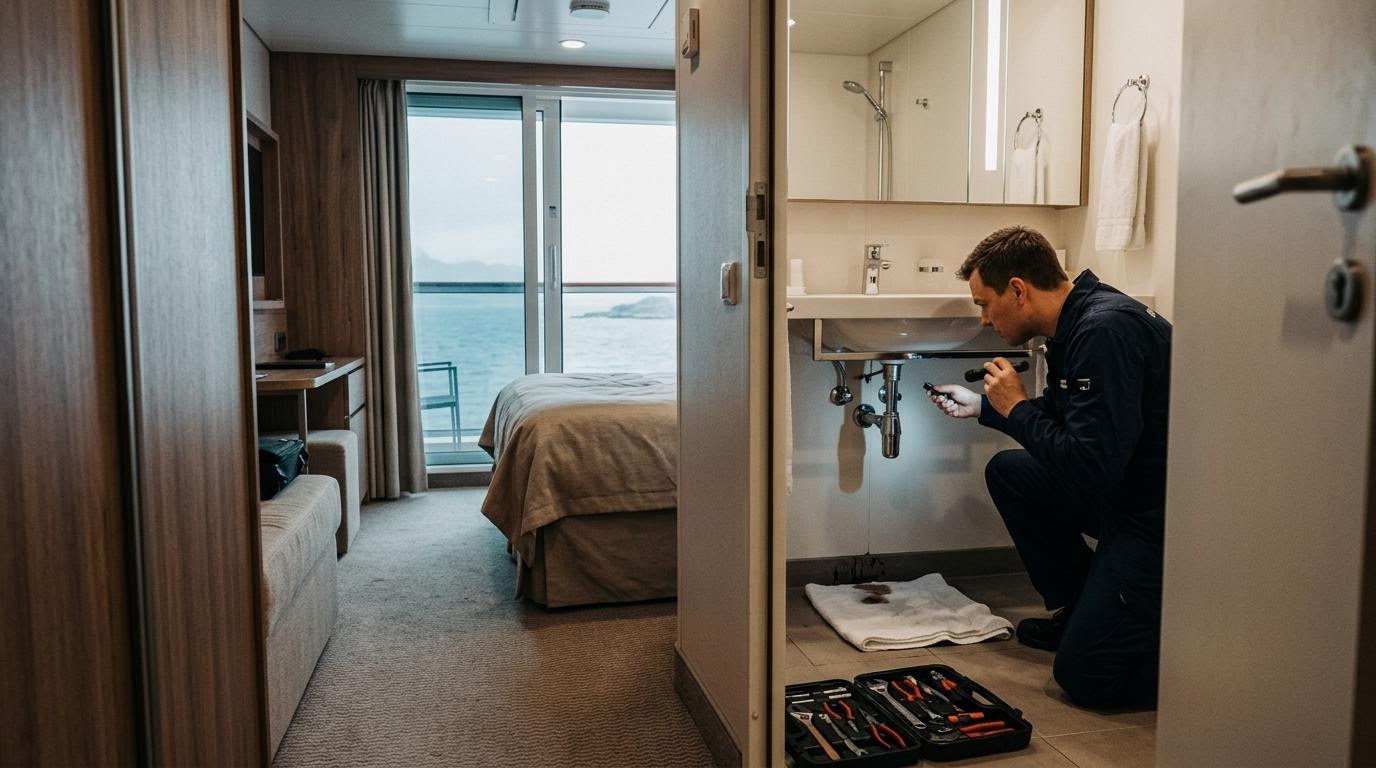
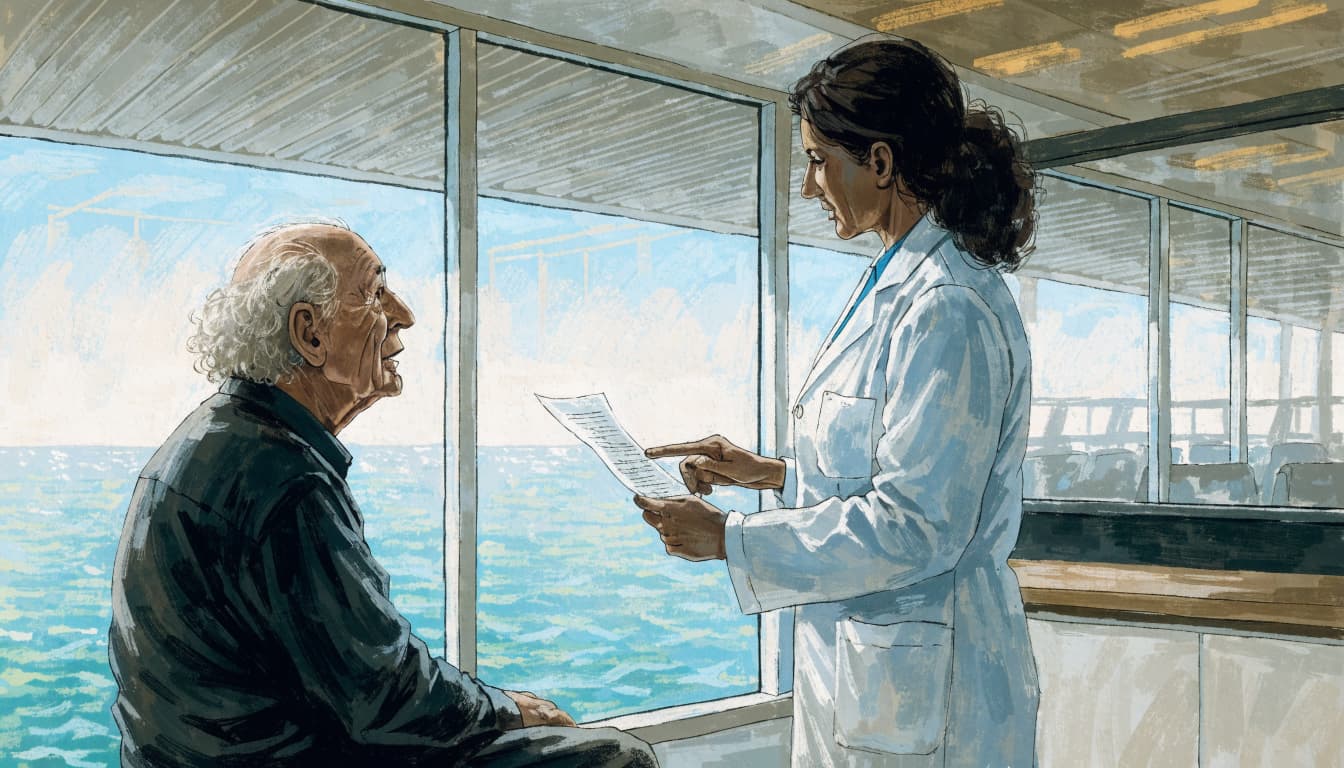
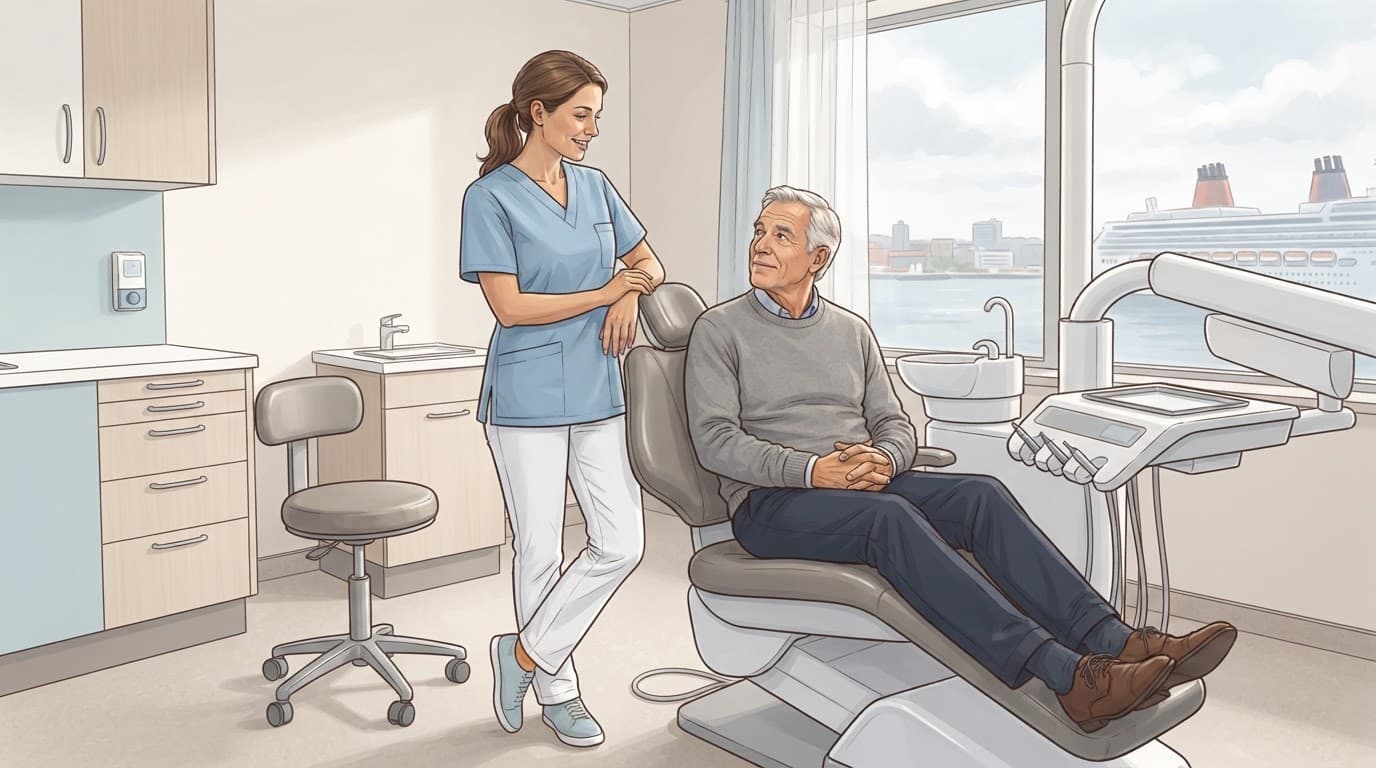

Can You Get Dental Care on a 100-Day World Cruise?
Yes, you can seek dental care during a 100-day world cruise, but you shouldn't assume your ship has a dentist. The practical plan is early preparation , access to onboard medical assessment, and room in your budget for unexpected treatment.
A long voyage makes a neglected tooth more inconvenient, especially during consecutive sea days. Start by understanding the difference between a ship's medical center and a dental practice.
Key Takeaways
- A staffed medical center doesn't guarantee onboard dentistry.
- Severe pain, swelling, or dental injuries need prompt professional attention.
- Treatment costs can sit outside your cruise fare.
- Insurance dates should cover your entire journey, including pre-cruise and post-cruise travel.
What Dental Care Can You Expect Onboard?
Medical support has defined limits
A medical center gives you somewhere to report symptoms and receive an assessment. However, its presence doesn't promise dental equipment or a dentist.
Cunard describes registered doctors and nurses, twice-daily office hours, and emergency availability around the clock. Its shipboard medical facilities aren't designed for extensive or continuing treatment. That distinction matters when you're spending more than three months away from your usual clinicians.
Cruise lines describe different services
Seabourn offers routine medical appointments twice daily and urgent or emergency care 24/7. Explora Journeys also describes twice-daily routine consultations and round-the-clock emergency availability.
Explora lists a complimentary initial consultation for non-complex conditions, while other medical services carry fees. That benefit doesn't establish complimentary dental treatment. Compare medical services separately from accommodation, dining, and other fare inclusions, even when considering a luxury sailing.
What to Do During a Dental Emergency
Contact the ship's medical center promptly for severe tooth pain, facial swelling, an injury, or persistent bleeding. Difficulty breathing or swallowing requires immediate emergency help.
Explain when symptoms started, whether they are worsening, and any recent dental work. Also provide your medication list, allergies, and relevant medical history.
Don't wait several sea days simply because a preferred port is coming up. A clinician should assess whether waiting is reasonable.
Temporary relief doesn't establish that the underlying dental problem has resolved.
Keep your dentist's contact information accessible so another clinician can request useful background.
How Port Days Affect Dental Care
For dental needs ashore, time matters as much as the port name. A short call leaves less flexibility than an overnight stay.
Allow for transportation, assessment, and the return journey before the ship's all-aboard time. Tender operations can add another timing constraint. Also, don't build your health plan around one particular stop, because itineraries can change.
Avoid scheduling elective dental work into a tightly packed sightseeing day. Decisions about treatment and recovery belong with a qualified dental professional, rather than your excursion calendar.
What Will Treatment Cost, and Will Insurance Pay?
Expect separate charges
Don't treat a high cruise fare as a healthcare allowance. Seabourn's medical billing policy lists charges for professional services, medication, tests, imaging, and supplies. It also says the line cannot bill insurance directly.
Passengers receive an itemized receipt and medical-record summary. Keep both for a claim. There isn't a supported, line-specific dental price to quote here, so a precise onboard treatment budget would be misleading. Maintain access to funds for unexpected expenses.
Coverage must fit a 100-day trip
Emergency medical insurance doesn't automatically make every dental expense reimbursable. Routine, preventive, and elective care may fall outside coverage. Original Medicare generally excludes routine dentistry and offers limited coverage abroad.
Trip-duration limits matter too. A policy covering 100 days may be too short once flights and hotel stays extend your journey.
Our world cruise insurance coverage guide explains medical benefits, evacuation provisions, and pre-existing-condition restrictions. Save assistance contacts and policy documents offline.
Prepare Your Teeth Before Departure
Arrange a dental appointment well before sailing, especially if you have pain, loose restorations, gum problems, or unfinished treatment. Leave enough time for recommended work and follow-up rather than squeezing everything into departure week.
Pack your usual toothbrush, fluoride toothpaste, floss or interdental cleaners, and any prescribed dental products. Bring denture supplies or appliance-care items you already use.
Carry a concise health summary with medication names, doses, allergies, and emergency contacts. Accessible copies of relevant dental records can also help if a problem develops.
Our guidance on managing prescriptions on a world cruise covers medication supplies and documentation for extended travel.
FAQ
Does a ship's doctor mean there's a dentist onboard?
No. A medical-center description establishes medical support, not a dedicated dental service.
Can I leave routine dental appointments until the voyage?
Completing routine care before departure avoids using limited port time for appointments and leaves room for follow-up at home.
Should I keep treatment receipts?
Yes. Retain itemized bills, clinical summaries, and payment records. These documents support insurance claims, although reimbursement depends on your policy.
Plan Dental Care Before You Sail
A 100-day voyage is easier to enjoy when dental preparation is complete and unexpected care won't derail your budget. Treat medical support and dental treatment as separate planning needs .
For help comparing ships, sea-day stretches, and itinerary pacing, Schedule a Consultation with us. Dental decisions belong with your clinician; choosing a voyage that fits your practical needs is where we can help.
Recent Posts