Fixed Seating or Open Dining on a World Cruise?
For most travelers, open dining offers more flexibility on a world cruise, while fixed seating suits those who enjoy a dependable evening routine and familiar tablemates. Neither is automatically better: the right choice depends on how you want to spend both busy port days and ordinary evenings at sea.
World cruise dining becomes part of your daily life for weeks or months. A schedule that sounds appealing on embarkation day needs to feel comfortable after the excitement of the first few ports has settled.
The distinction starts with how each arrangement handles your dinner time and table.
How Fixed Seating and Open Dining Differ
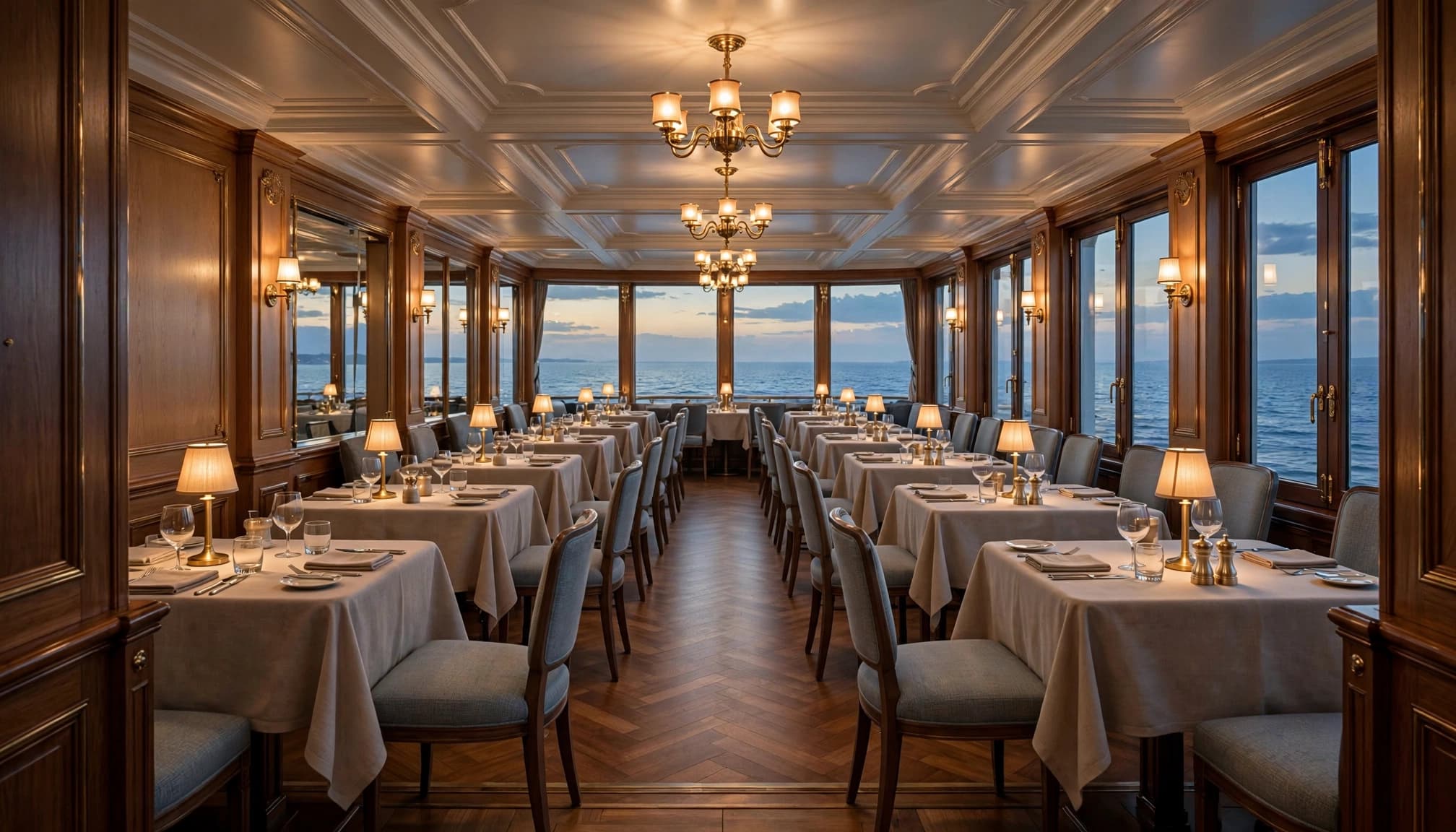
With fixed seating, you generally dine at an assigned time and table in the main dining room. Depending on the arrangement, you may also have the same dining companions and service team throughout the voyage.
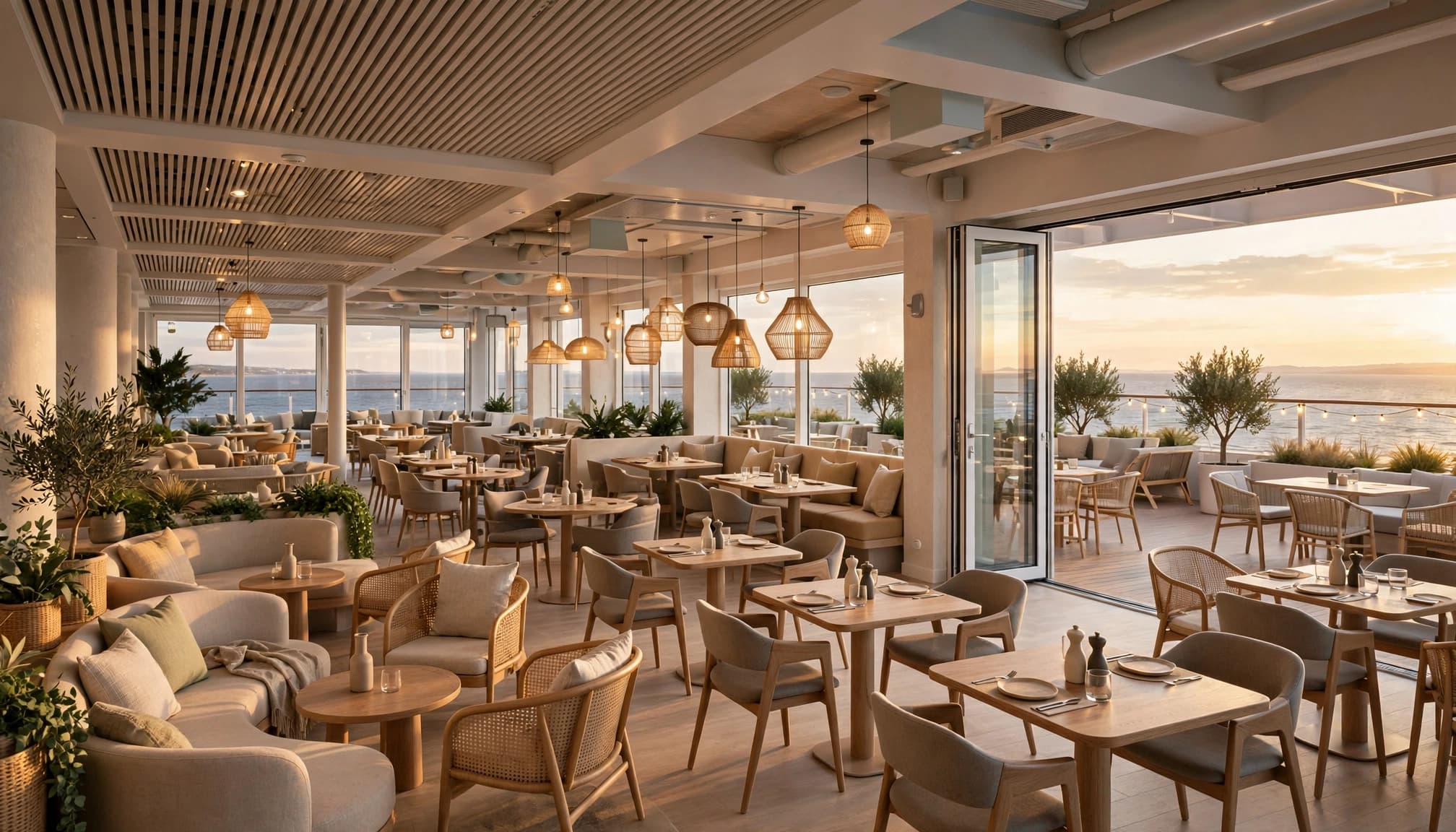
Open dining gives you more freedom to arrive during the restaurant's operating hours. You may be able to request a table for your party or share with other guests, although availability and reservation arrangements vary.
Here's how the two approaches usually compare.
| Consideration | Fixed seating | Open dining |
|---|---|---|
| Dinner schedule | A regular assigned time | Choice within operating hours |
| Table companions | Often the same people | May change from evening to evening |
| Port-day flexibility | Requires more planning | Easier to adjust around your day |
| Waiting | An assigned table offers predictability | A table may not be available immediately |
| Long-voyage rhythm | Familiar and consistent | Adaptable as preferences change |
The trade-off is between a settled routine and the freedom to make a fresh decision each evening. Neither arrangement determines every meal onboard. Alternative venues may offer different hours and styles of service.
How Fixed Seating Shapes a Long-Cruise Routine
Fixed seating gives the evening a natural starting point. You know when dinner begins and can arrange the rest of your day around it.
A Familiar Table Can Feel Like Home
On a long voyage, a regular table can provide a welcome sense of continuity. You may get to know your dining companions over time, rather than introducing yourself to someone new at every meal.
Familiar service can also make dinner feel more comfortable. When you see the same team often, you have opportunities to communicate preferences and discuss any dietary needs. A regular table doesn't replace a conversation with the dining team about food allergies or medically necessary restrictions.
The Schedule Can Shape Your Evenings
A fixed dinner time makes it easier to plan your afternoon and evening, but it also gives you less freedom to follow a changing appetite. A large lunch ashore, a late return from an excursion, or a quiet afternoon by the pool may leave you wanting dinner at a different time.
The arrangement tends to work best if you already enjoy a regular mealtime and consider dinner an event worth planning around.
When Open Dining Gives You Room to Adjust
Open dining lets you choose when to eat within the restaurant's service hours. That freedom can be especially welcome when a voyage includes both demanding port calls and unhurried sea days.
Your Appetite Can Set the Pace
Some evenings you'll want dinner soon after returning to the ship. On others, you may prefer time to rest, attend a talk, or enjoy a drink before eating. Open dining gives you more room to make that decision on the day.
This can also help couples with different habits. You can choose a time that suits both of you on a given evening, rather than commit to one schedule for the whole voyage.
Flexibility Still Has Limits
Open dining doesn't mean every table is available whenever you arrive. Restaurants have operating hours, and popular arrival periods can bring a wait. Some venues also use reservations, while specialty restaurants may follow different arrangements from the main dining room.
For travelers who dislike making daily decisions, the freedom can feel less appealing than an assigned table. You can still create a personal routine with open dining, but you may need to adjust it when your preferred time is busy.
Port Days Can Change Your Dinner Plans
The most useful test of a dining arrangement is a demanding day ashore. A world voyage may include early departures, long transfers, walking tours, and occasional overnight stays. Those days can change when you're hungry and how much energy you have for a sit-down meal.
Returning From an Excursion
Fixed seating works well when an excursion leaves enough time to return, change, and settle in before dinner. If you enjoy ending an active day with a familiar meal and conversation, that structure may be reassuring.
A late return can make the same schedule feel hurried. You may prefer a lighter meal, a casual venue, or room service instead of dressing for the dining room. The practical value of fixed seating depends partly on what other choices the ship offers when your assigned time doesn't suit you.
Staying Ashore Into the Evening
An overnight port can give you the chance to eat locally or attend an evening performance. Open dining offers more room to decide whether to return for dinner or stay out, provided the ship's dining hours fit your plans.
With fixed seating, you can treat an evening ashore as a change of pace rather than a reason to avoid the arrangement altogether. Letting your dining companions or the restaurant team know you won't be attending is a considerate way to manage an expected absence.
Dining Companions Matter More Over Several Weeks
A dinner conversation that feels pleasant on a short cruise may become an important part of your social life on a longer one. The reverse is also true: an arrangement that leaves you little privacy can become tiring over time.
Familiar Faces or New Conversations
Fixed seating can help solo travelers and sociable couples build friendships. Seeing the same people gives conversations room to grow beyond introductions, and a regular invitation to dinner can make the ship feel welcoming.
Open dining may suit you if you enjoy meeting different guests or want to vary the size of your party. You might share a table one evening and prefer a quiet dinner with your travel companion on another. Table choices depend on the venue and availability.
Make Space for Private Evenings
Even travelers who enjoy company may want an occasional break after a full day of tours and activities. Consider how often you want dinner to be social and how often you'd rather have a quieter meal.
If your assigned table isn't a comfortable fit, speak with the dining team about your options. On a long voyage, it's reasonable to seek an arrangement that feels enjoyable rather than spend weeks enduring one that doesn't.
What to Expect From Dining Room Waits
Fixed seating offers more predictability because your table and mealtime are part of the arrangement. You'll still need to arrive at the assigned time, and the pace of service can affect how your evening unfolds.
With open dining, demand can shift throughout the evening. If many guests arrive together, you may need to wait for a table, particularly if you prefer a table for two or a particular location. A shared table or a different arrival time may provide more options, depending on the restaurant.
Your tolerance for waiting matters more on a voyage measured in months. If you enjoy lingering over a drink before dinner, an occasional wait may be a small inconvenience. If you prefer to eat promptly and continue to an evening activity, the predictability of an assigned table may have greater appeal.
Open dining offers a choice of arrival time, but it doesn't guarantee immediate seating.
Your Preferences May Change During the Voyage
The dining style you want at the beginning of a trip may not be the one you want several weeks later. A run of busy ports can leave you craving quiet evenings, while a stretch of sea days may make a regular dinner gathering more appealing.
Build Variety Into Your Routine
A comfortable long-voyage routine leaves room for the occasional change. Even if you enjoy a formal dinner, a casual meal or an evening in your cabin can be welcome after a tiring day. Likewise, travelers who prefer open dining may find pleasure in arranging regular meals with friends.
Menus matter alongside seating. A changing menu can make a familiar venue feel fresh, while different restaurant styles give you a choice when you want a lighter or more leisurely meal.
Allow for Changes in Energy and Appetite
You may eat differently as the itinerary moves through climates, time zones, and consecutive port days. A substantial lunch ashore can change your dinner plans. Poor weather or an itinerary adjustment may mean more meals onboard than you expected.
Neither seating style needs to define every evening. What matters is whether the overall dining program gives you enough appealing choices when your usual plan doesn't fit.
Look Beyond the Seating Label
Two ships can both offer attractive dining yet feel quite different over a long voyage. Restaurant atmosphere, menu rotation, dress expectations, and the availability of casual meals all affect the experience.
Cunard's traditional style may appeal if you enjoy a more formal evening. Our Cunard and Viking comparison looks at how their broader onboard styles differ. A line's atmosphere alone doesn't establish the seating arrangement for a particular voyage.
Seabourn has a stronger fine-dining tone, while Azamara's approach is generally more casual. Both rotate menus, though venues and opening patterns vary by ship. Our Seabourn and Azamara comparison considers those differences for extended travel.
Cost matters, too. Regular dining venues listed as included are part of the base experience, but fare structures and other dining charges vary. Our guide to world cruise fare inclusions explains why the advertised fare deserves a closer look alongside your preferred dining style.
Which Dining Style Fits Your Travel Style?
Your choice should reflect the evenings you expect to enjoy most often, not only a special dinner in the first week.
Choose fixed seating if you like a regular schedule, value familiar company, and enjoy making dinner a planned part of the evening. It can be a good fit for solo travelers who want a consistent social setting, as well as couples who prefer knowing where they'll dine.
Choose open dining if you want to adjust meals around excursions, entertainment, or your appetite. It may also suit travelers who prefer some dinners alone and others with new acquaintances, or those who don't want to organize each afternoon around an assigned time.
If both appeal, give weight to the ship's other venues. A fixed table can feel less restrictive when a casual alternative suits an occasional late day. Open dining can feel more settled when you make a habit of eating at a similar time or with friends.
For more ideas about life aboard, you can Subscribe to Our YouTube Channel, where we discuss world cruise planning and ship choices.
Choose the Evening Routine You'll Enjoy
Open dining offers useful flexibility, while fixed seating can make a long voyage feel familiar and social. The better fit is the one that suits your ordinary evenings as well as your busiest port days.
If you'd like help comparing the daily experience on different voyages, Schedule a Consultation. We can discuss the kind of cruise that fits the way you want to travel.
Recent Posts