Balcony vs Inside Cabins for a World Cruise

World Cruise by Design • August 26, 2026

Share this article

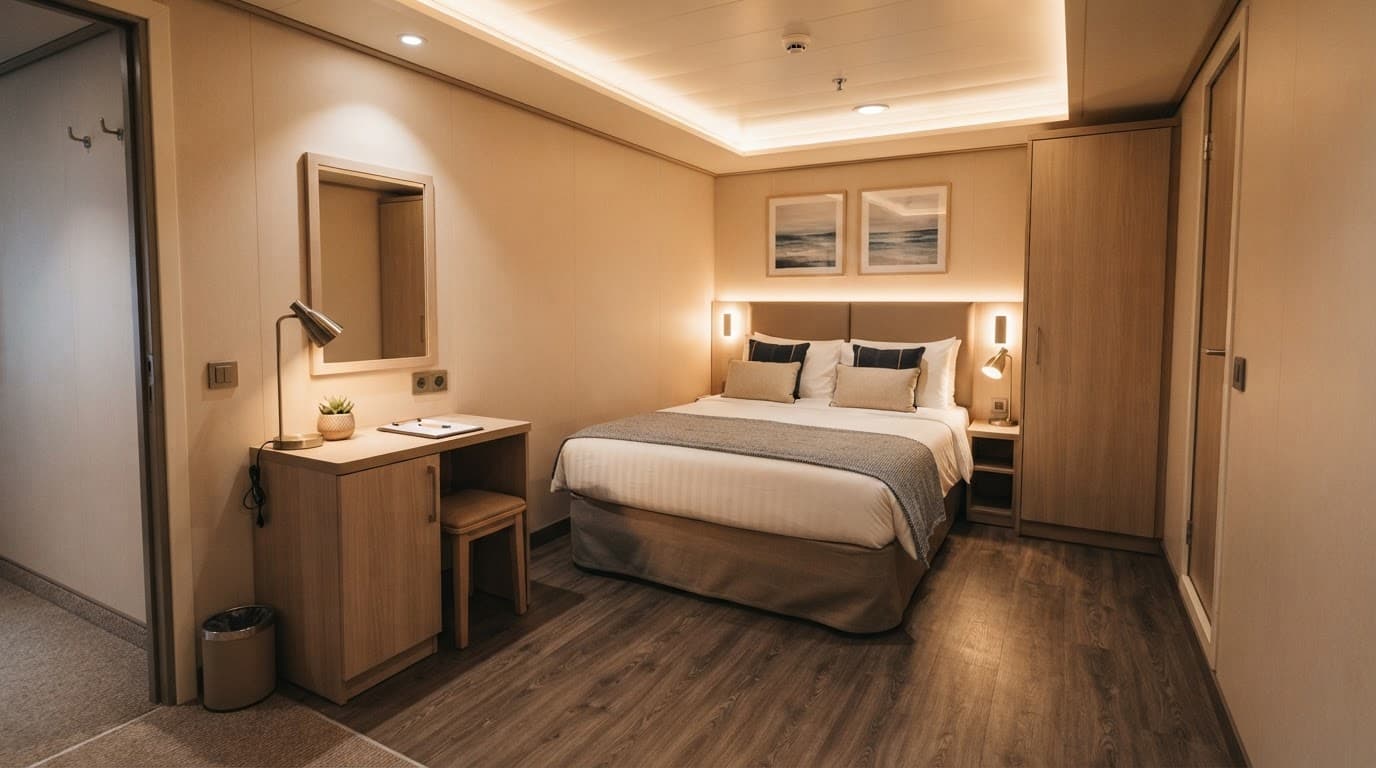
On a voyage measured in months, your cabin becomes more than a place to sleep. The balcony vs inside cabins choice shapes how you rest, reset between ports, and spend long sea days.

A balcony can feel like a private escape, while an inside cabin can protect a much larger travel budget. Neither is automatically right for every world cruise traveler. The useful question is how you expect to live onboard, not which cabin looks better in a brochure.

Balcony vs Inside Cabins: Begin With Your Days Onboard

Cabin type matters most when the ship is at sea. On port days, you may leave after breakfast and return tired after dinner. During crossings, however, your cabin can become your quiet corner of the ship.

Count the hours you will actually use the cabin

Start with your ordinary habits. If you enjoy slow mornings, afternoon reading, or early nights with fresh air, a balcony may get regular use. If you prefer lectures, the gym, lounges, live music, and the pool deck, you may spend little waking time in your room.

Consider how you recharge after busy days ashore. Some travelers want privacy before dinner. Others feel happier in public spaces and only return to shower and sleep. A longer sailing gives you time to settle into either pattern.

Separate the view from outdoor access

A window changes the feel of a room, but a balcony gives you a place to step outside. That distinction matters if sea air and personal outdoor space are priorities.

Still, a balcony is not the only way to enjoy the ocean. Public decks, observation lounges, and open-air promenades often offer broader views. An inside cabin has no daylight at all, which can be a drawback or a welcome break from bright mornings.

What a Balcony Adds on a World Cruise

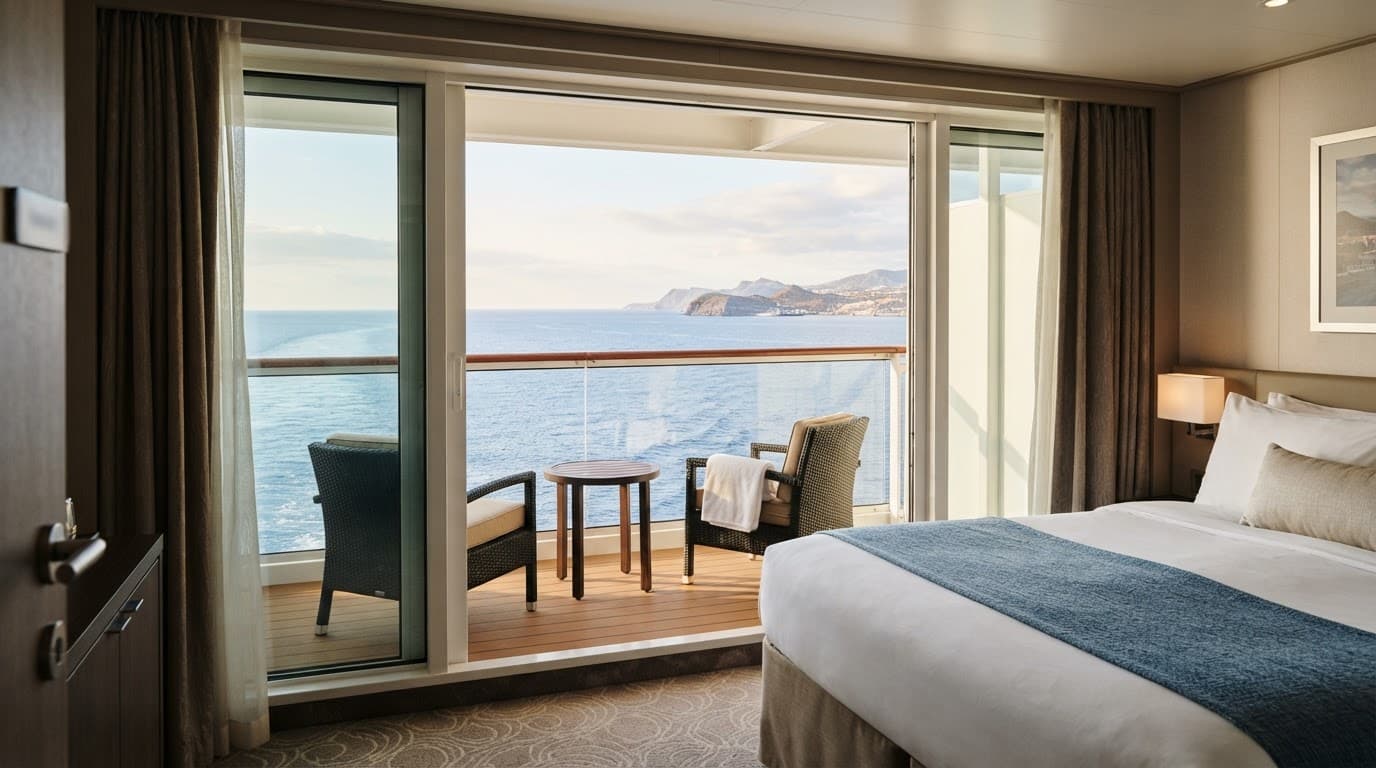
A private balcony can make a long itinerary feel less enclosed. It gives you a personal place to watch the ship arrive, leave port, or pass a changing coastline without claiming a lounge chair.

Private fresh air when the ship feels busy

On a full sea day, public outdoor areas can become crowded. A balcony lets you drink coffee in pajamas, read without background chatter, or sit outside after dinner. That privacy often matters more after several weeks onboard than it does on a seven-night cruise.

However, the space is usually compact. Two chairs and a small table suit quiet time, but not a gathering. Wind, rain, salt spray, and heat can also make it unusable for parts of the journey.

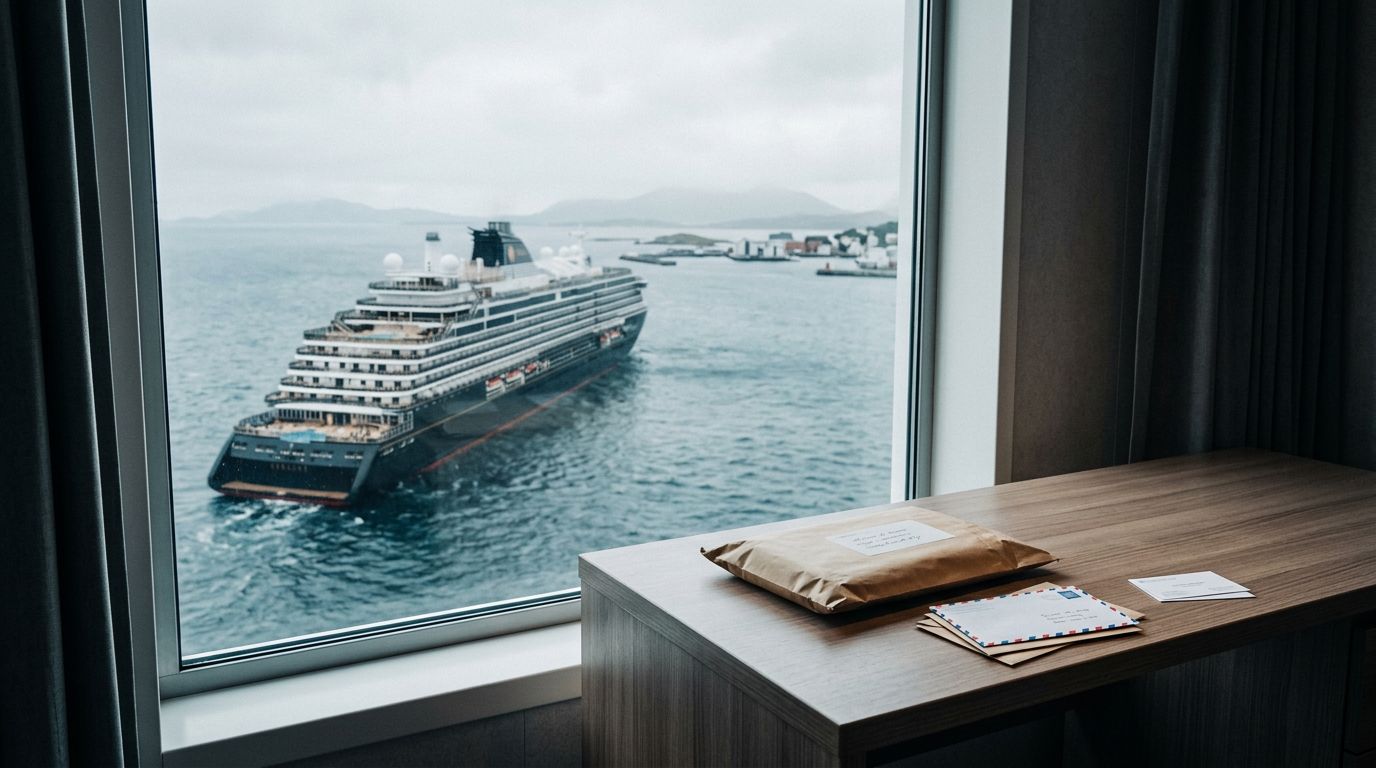
Dockside privacy varies, too. When another ship berths close by, your view may be cabins and balconies rather than open water.

Scenery has a timetable

A balcony has its strongest appeal during daylight scenic sailing. It can be wonderful when the route includes coastlines, islands, fjords, canals, or wildlife-rich waters. You can watch without rushing to find a public viewing spot.

Yet check the itinerary before paying for that privilege. A scenic passage may happen before sunrise, after dark, or during poor weather. Even warm destinations can have chilly or windy sea days. A balcony earns its keep through repeated use, not through a few ideal photos.

When an Inside Cabin Is the Better Buy

Inside cabins often get treated as a compromise. For many long-cruise travelers, they are a deliberate choice that frees funds for the rest of the trip.

Darkness can make sleep easier

After multiple time-zone changes, a dark cabin can be a relief. You can sleep late after an overnight crossing or take an afternoon nap without daylight pulling you awake. Travelers who are sensitive to light often appreciate the predictable darkness.

Set a reliable alarm and open your door to daylight early in the day. Without a window, it is easy to lose track of time after a long sleep. A bedside clock and a morning walk on deck can help establish a comfortable routine.

Spend the difference where it matters to you

An inside cabin may leave more money for flights, travel insurance, hotels before or after the cruise, specialty meals, laundry, or shore excursions. Those choices can shape your memories of a months-long trip more than an unused balcony.

Cabin layouts differ widely, so compare the published dimensions and storage details for the exact categories you are considering. Some inside cabins have extra berths or tighter configurations. A well-located inside cabin with sufficient storage can feel more comfortable than a poorly positioned balcony room.

Compare the Cost Beyond the Fare

The price gap between cabin categories changes with the sailing date, ship, deck, demand, and promotion. Compare exact cabin quotes rather than assuming the lowest inside fare or the cheapest balcony tells the full story.

Consideration Balcony cabin Inside cabin
Upfront fare Usually costs more Usually costs less
Daylight and views Private and immediate Available in public areas
Outdoor space Personal but limited None in the cabin
Sleep conditions Light may enter around curtains Naturally dark at any hour
Weather exposure Can be too hot, cold, windy, or wet Unaffected by outdoor conditions
Budget flexibility More money tied to the cabin More room for travel extras

The balcony vs inside cabins calculation gets clearer when you translate the fare difference into something meaningful. Ask what that amount would pay for during the full trip, then decide whether you would gladly give up those options for private outdoor space.

Protect the parts of the trip you value most

First, price the cabin categories after taxes, fees, and any fare inclusions. Next, list expenses that are important to you but not covered by your chosen fare. A balcony may still be the right choice if you have room for both.

Over several months, a cabin upgrade costs you every day, while many onboard and shore expenses remain choices you can make one at a time.

Avoid booking an inside room solely because it is cheaper if the lack of daylight will affect your mood. Likewise, don't stretch your budget for a balcony that you expect to use only occasionally.

Cabin Location Can Change the Answer

A good location can improve sleep, reduce motion, and make daily life easier. Those gains sometimes matter more than the distinction between a balcony and an inside cabin.

Prioritize motion and noise

Cabins near the middle of the ship and on lower decks usually feel less motion than rooms far forward, far aft, or high up. Sea conditions still matter, but location can make a noticeable difference for travelers prone to motion sickness.

Also look for nearby noise sources. Cabins below the pool deck, under a buffet, beside elevators, or near a theater can have early-morning or late-night sound. A quiet inside cabin often beats a balcony cabin under a busy public area.

Read the deck plan before you book

Check what sits above, below, and beside your cabin. On some ships, balcony views have obstructions, partial metal railings, or close sightlines to neighboring cabins. An inside cabin can also be near crew areas or service doors.

If a cruise line offers a guarantee category, it may save money but gives you less control over the final cabin assignment. For a long trip, choosing the actual cabin can be worth the added cost.

Weather, Itinerary, and Travel Habits

Your route should guide the decision. A balcony feels different during a temperate ocean crossing than it does on a warm, calm sailing near tropical islands.

Match the balcony to the conditions you enjoy

Balconies suit travelers who will use them in cool air, not only perfect beach weather. Morning coffee can be pleasant in a sweater, and a shaded balcony can offer relief from strong sun. Still, persistent wind or rain limits outdoor time.

Review the season and likely climate across the full route. A world cruise may pass through several weather zones, so no cabin choice will feel ideal every day. Public indoor observation areas become especially valuable during cold or rough stretches.

Agree on cabin habits before booking

Two people can experience the same cabin very differently. An early riser may want daylight and a place to sit outside, while a late sleeper may prefer a completely dark room. One traveler may love ocean views, while the other may spend each sea day in lectures and lounges.

Talk through morning routines, nap habits, reading time, and how much privacy each person needs. A balcony works best when both travelers see themselves using it. An inside cabin works well when both are content to seek daylight elsewhere.

A Practical Booking Framework

Use a simple process before paying a deposit. It keeps the decision tied to your plans rather than a cabin photo.

  1. Mark sea days, scenic passages, overnight ports, and long crossings on the itinerary.
  2. Write down three moments when you expect to use the cabin while awake.
  3. Compare the fare difference for actual available cabins, including their deck locations.
  4. Decide what you would give up to pay for a balcony, then judge whether that trade feels worthwhile.

Choose a balcony if private outdoor time will be part of your daily rhythm, the fare gap fits comfortably, and the route includes scenery you want to watch at your own pace. It is also a strong choice if you need a quiet retreat away from crowded decks.

Choose an inside cabin if you sleep best in darkness, plan to use the ship's shared spaces, or would rather direct the savings toward the wider journey. For balcony vs inside cabins, the better category is the one that fits your energy, budget, and habits for the full length of the voyage.

Match the Cabin to Your Travel Style

A cabin can support a great voyage, but it cannot replace an itinerary you can afford and enjoy. Private air and changing views make balconies appealing, while inside cabins offer darkness, value, and fewer weather-related disappointments.

The strongest choice is a well-matched cabin in a good location. Choose the room you will use with satisfaction on ordinary sea days, not only the one that looks most appealing on booking day.

Recent Posts

By World Cruise by Design August 27, 2026
A canal crossing can become one of the most memorable days of a long voyage, even though you may never step ashore. Panama Suez Canal transit planning helps you choose the itinerary, cabin, and pace that make those hours feel special rather than exhausting. Both canals shorten...
By World Cruise by Design August 25, 2026
A phone bill can become an unpleasant souvenir if it connects to a ship's cellular network without your notice. The safest approach is to treat ship internet, maritime roaming, and port-day service as three separate systems. For a long sailing, cruise Wi-Fi plans are usually t...
By World Cruise by Design August 24, 2026
Four months at sea sounds glamorous until you picture laundry, medication refills, jet lag, and dozens of unfamiliar ports. The strongest world cruise itineraries balance headline destinations with enough breathing room to enjoy them. For a first-time passenger, the right sail...
By World Cruise by Design August 23, 2026
A 129-day cruise is less a vacation than a temporary way of life. Your Holland America Princess World Cruise decision affects where you wake up, how often you unpack, and what fills the long stretches between ports. As of August 2026, Holland America Line and Princess Cruises...
By World Cruise by Design August 22, 2026
A luxury ship can feel perfect for a week and less comfortable after three months. Cabin storage, dining variety, internet limits, port intensity, and the true value of inclusions matter much more on a long sailing. If you're comparing Regent vs Silversea for a world cruise, t...
By World Cruise by Design August 22, 2026
A five-month voyage can feel very different depending on the ship, itinerary pace, and fare structure. This world cruise comparison looks at Regent Seven Seas and Silversea using their published 2026 programs, with attention to the details that affect daily life and total valu...
By World Cruise by Design August 21, 2026
A world cruise can be a three-month holiday or a nearly six-month commitment, depending on the line and itinerary. The choice between Cunard vs Viking affects how you spend sea days, what you wear to dinner, and how much you pay after the headline fare. Cunard favors tradition...
By World Cruise by Design August 21, 2026
A world cruise price can look like a single number, but that figure may cover only the voyage itself. When you compare world cruise fares , check what happens after the cabin, taxes, and port charges appear in the headline. Drinks, Wi-Fi, gratuities, flights, hotels, excursion...
By World Cruise by Design August 20, 2026
A world cruise can be a year-long financial commitment, but the cancellation window may start closing months before departure. Comparing world cruise cancellation policies before you pay a deposit can prevent an expensive surprise later. The rules depend on the cruise line, it...
By World Cruise by Design August 20, 2026
A six-month sailing can cost less than some luxury vacations, or more than a house. In 2026, a realistic world cruise cost is about $30,000 to $65,000 per person for an inside, ocean-view, or balcony cabin, while premium suites can exceed $200,000. Those prices usually assume...
Show More