
Can You Prevent Seasickness on a 100-Day World Cruise?
You can take steps to prevent seasickness on a 100-day world cruise, but no method guarantees you'll avoid it. The strongest approach combines a suitable cabin, habits that reduce discomfort, and a medication plan made with a healthcare professional.
Even travelers who feel fine on short cruises may find that an extended voyage brings different conditions. A route can include calm stretches, open-ocean crossings, and changing weather, so planning before departure matters.
Can you prevent seasickness on a world cruise?
Reduce the risk, but don't expect certainty
Seasickness happens when the motion your body senses conflicts with what your eyes see. Ship movement can affect people differently, and comfort may change with the weather, route, and where you spend time onboard.
Some travelers never feel ill; others notice symptoms during particular crossings. That's why it's more realistic to prepare to reduce the risk and manage symptoms than to expect a guaranteed cure. A plan also helps you respond sooner instead of losing several days to nausea.
Prepare before the first rough day
A 100-day sailing gives you many days to enjoy, but it also leaves more time for conditions to vary. You may feel well for weeks and then encounter a rougher passage. Planning ahead can make it easier to act promptly, rest, and keep up with meals and fluids.
For a useful overview of managing seasickness on a world cruise, include cabin location and comfort habits in your preparation, not only medication.
Why motion can feel different from day to day
The ship's movement isn't constant. Wind, waves, and the vessel's direction can change how much motion you feel, while your own sensitivity and activities matter too. Looking down at a book or screen may feel uncomfortable for some people when the ship is moving.
A long itinerary isn't necessarily 100 days of uninterrupted open water. It may include port calls and stretches at sea, with different conditions along the route. Still, a few comfortable days don't guarantee that every crossing will feel the same.
Published itineraries show the scale of these voyages: Cunard has offered sailings of 108, 110, and 117 nights, while Princess announced a 115-day 2028 voyage on Coral Princess. On a trip lasting that long, even intermittent discomfort can affect sleep, meals, and plans ashore. The goal is to make a plan that works across the whole itinerary.
Choose a cabin with motion comfort in mind
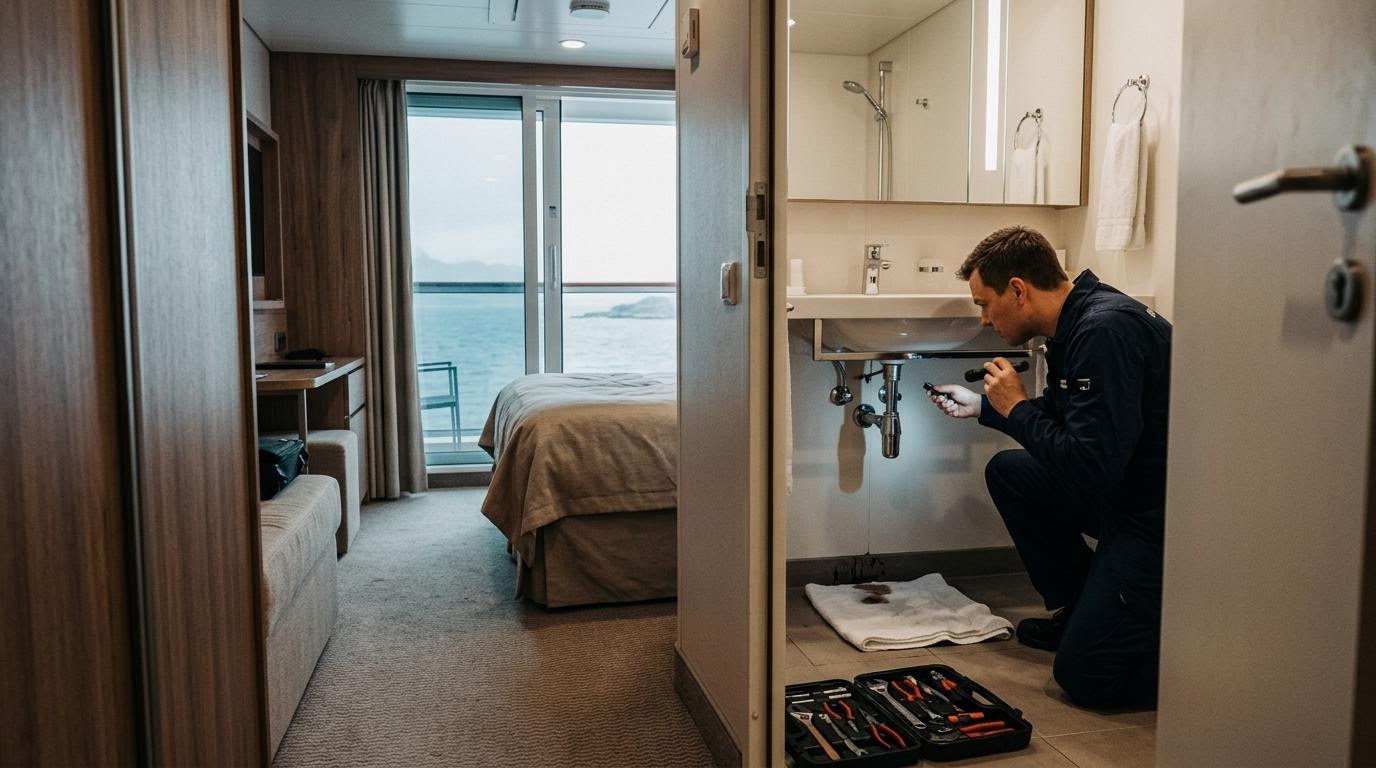
Consider midship and lower decks
Motion is often stronger near the bow, stern, and on higher decks. A cabin toward the middle of the ship on a lower deck may feel more comfortable for some travelers who are sensitive to movement.
That location can help, but it can't remove the effects of rough weather. Cabin availability, budget, accessibility, and your preferred onboard routine also matter. Compare the cabin's position with the itinerary and think about where you'll spend your time during sea days.
Factor in the rest of the cabin experience
A midship cabin may be useful, but it shouldn't be the only consideration. On a 100-day cruise, storage, bathroom layout, distance to elevators, and access to outdoor space can shape everyday comfort. A balcony may let you get fresh air without going far, though it isn't a treatment for seasickness.
Review the ship's deck plan and ask about cabin placement before booking. Our guide to choosing a world cruise cabin for motion comfort covers location considerations. We can also discuss how cabin options fit your priorities in a Schedule a Consultation.
Build your prevention plan before departure
Discuss medication with a healthcare professional
Ask a doctor or pharmacist which motion-sickness options may suit you and how to use them. Some medicines can cause drowsiness or interact with other medications. That conversation is especially important if you have a medical condition, take prescription drugs, or have had side effects from motion-sickness treatments before.
Don't wait until you're onboard and feeling ill to think through medication choices. Ask about possible side effects, whether a product fits your health history, and what to do if symptoms continue. Keep the instructions accessible during the voyage. Our article on cruise medication and seasickness preparation offers additional guidance for extended travel.
Pack a practical supply
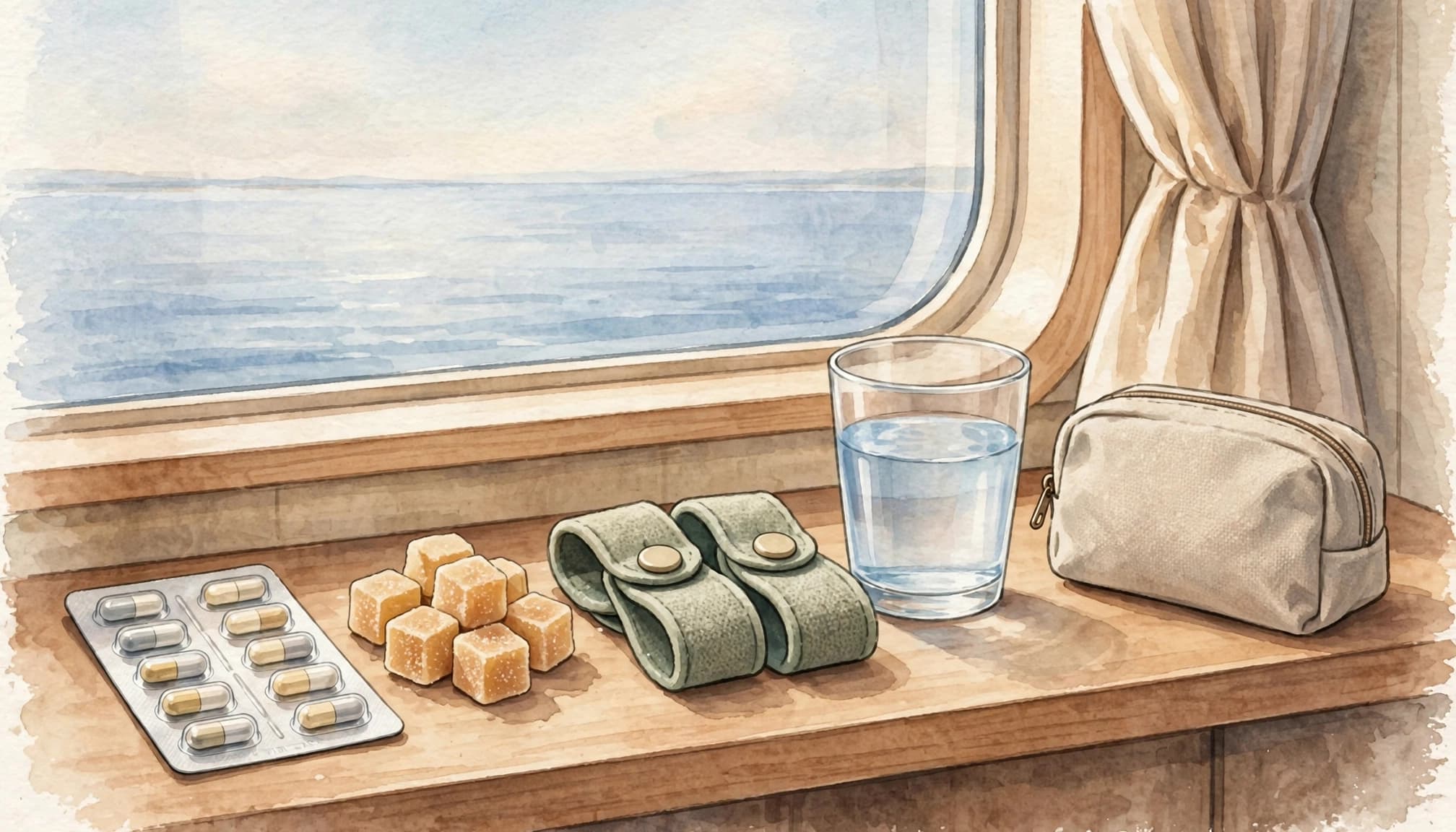
Bring the treatment recommended for you, along with any supplies you'll need to take it as directed. Keep medicines in their labeled packaging and pack them in your carry-on rather than checked luggage. For a long trip, discuss the appropriate quantity and reserve with your healthcare professional and pharmacy.
You may also want to bring familiar ginger products if you already know they suit you. Ginger helps some travelers, but it isn't a substitute for medical advice or a guarantee of relief. A written list of your medicines, allergies, and relevant health information can also be useful if you need to speak with the ship's medical staff.
Use simple comfort habits during the voyage
Try fresh air, a steady horizon, and light meals
When you start to feel unsettled, move to fresh air if it's safe and comfortable. Looking at the horizon may help some people feel more oriented. Light meals can be easier to manage than heavy or rich food, and regular water intake helps you stay hydrated.
These measures are simple, but they don't work for everyone. If fresh air or a particular food makes you feel worse, change course. Follow the treatment plan you discussed with your clinician rather than relying on comfort measures alone.
Set a manageable routine for sea days
On long voyages, a steady daily rhythm can help you notice what supports your comfort. Eat at regular times, drink water throughout the day, and take breaks from reading or screens if they worsen symptoms. Gentle movement may suit you, but rest when you need it.
Avoid packing every sea day with activities. Build in time to sit somewhere comfortable and get fresh air. If you wake up feeling unwell, adjust the day's plans rather than pushing through an excursion or a busy schedule.
What to do if seasickness starts onboard
Respond early and keep track of symptoms
If you notice nausea or dizziness, try the comfort measures in your plan and take any medication only as directed. Rest in a comfortable place, drink fluids as you can, and avoid activities that make symptoms worse.
Pay attention to whether symptoms are improving or continuing. On a long voyage, early action can help you avoid losing more time to discomfort. If you're unsure whether a symptom is related to motion or a medicine, contact the ship's medical center for advice.
Know when to seek medical help
Contact the ship's medical staff if symptoms are persistent, you can't keep fluids or regular medicines down, or you have a concerning reaction to a treatment. A ship's medical center can address some onboard health problems, but it isn't a substitute for a full hospital.
Before you sail, include the onboard medical center in your health planning. Keep your medication details and relevant health information easy to reach. For a 100-day journey, a clear response plan matters as much as the steps you take to prevent discomfort.
Key takeaways for a 100-day cruise
- No cabin, medication, or home remedy can guarantee that you won't become seasick.
- A midship cabin on a lower deck may reduce motion for some passengers.
- Ask a healthcare professional about medication choices and side effects well before departure, especially if you have a medical condition or take other medicines.
- Pack an appropriate supply in your carry-on and keep the instructions accessible.
- Fresh air, looking at the horizon, light meals, and hydration may help some travelers.
FAQ
Can you get seasick after several weeks at sea?
Yes. Your comfort can change with the weather, sea conditions, and ship movement. Feeling well earlier in the trip doesn't guarantee you'll feel the same on every crossing, so keep your plan and supplies accessible.
Is a midship cabin enough to prevent seasickness?
No cabin position guarantees prevention. A midship cabin on a lower deck may help reduce the sensation of movement, but weather and individual sensitivity still affect how you feel.
Should I wait until I feel sick to take medication?
Medication timing depends on the product and your health needs. Ask a healthcare professional how and when to use the option recommended for you, and follow those directions rather than waiting to make a decision once symptoms begin.
Are ginger and wristbands reliable treatments?
Ginger and other non-medication approaches help some travelers, but results vary. Treat them as possible parts of a broader plan, not as reliable protection or replacements for medical advice.
Make prevention part of your cruise planning
You can't control the sea, but you can prepare for the days when the ship's motion bothers you. Choose a cabin with comfort in mind, discuss medication early, and carry a practical plan for managing symptoms.
A thoughtful approach won't promise a symptom-free voyage. It can help you feel more prepared to enjoy the ports and sea days that make a world cruise special.
Recent Posts