Antarctica on World Cruises: Landing Rules and Timing

World Cruise by Design • October 23, 2026

Share this article

Yes, Antarctica appears on some world cruise routes, usually as scenic cruising rather than a visit ashore. If stepping onto Antarctic ground matters to you, a conventional global voyage and a landing-focused expedition offer different experiences.

The distinction is shore access : an Antarctic itinerary entry doesn't automatically include it. Routes, landing opportunities, and schedules depend on the operator, weather, ice, and applicable visitor rules, so start with the kind of Antarctic visit you want.

Key Takeaways

  • Some world cruises include Antarctic scenic cruising, but passengers remain aboard.
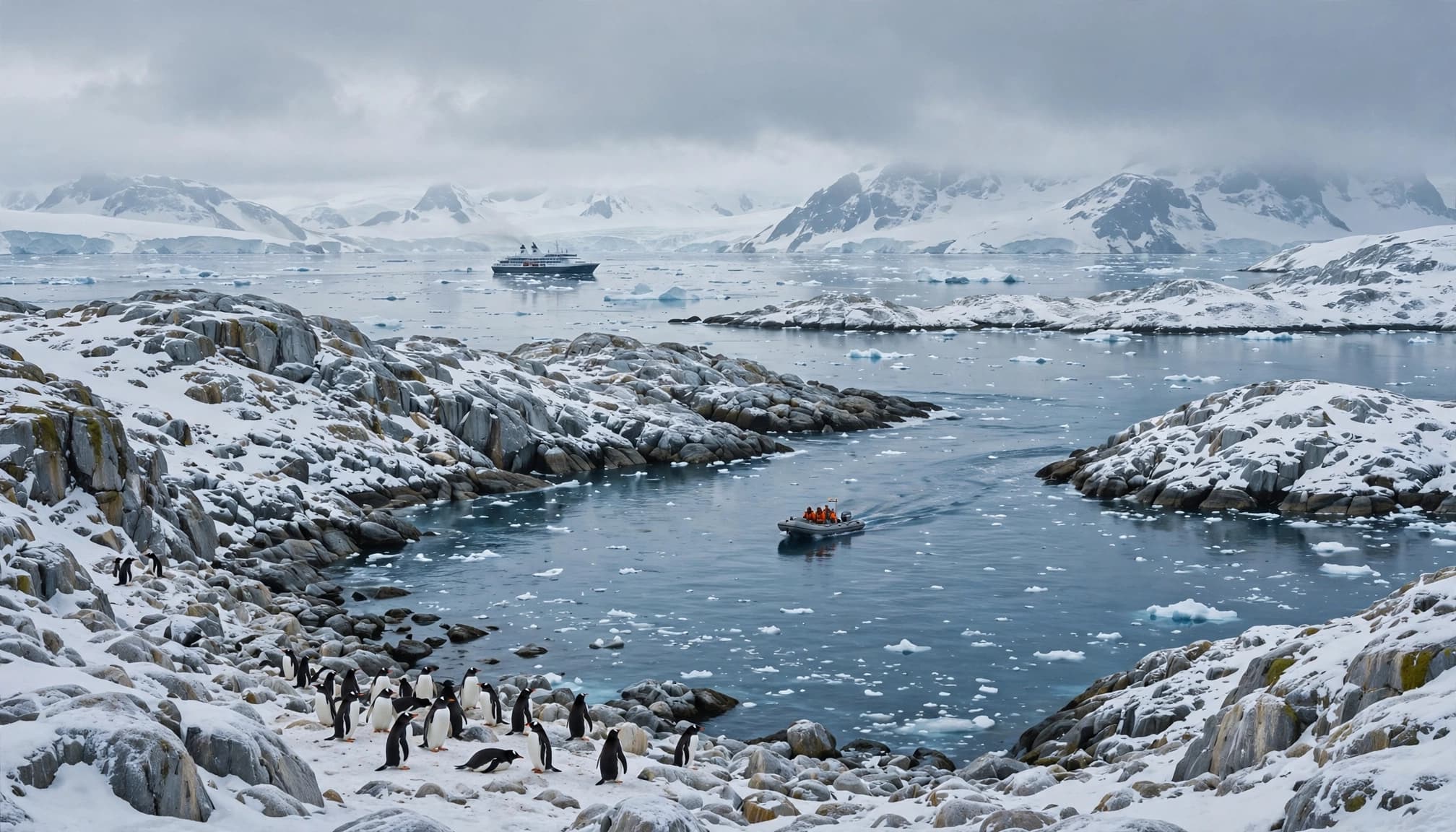
  • Expedition voyages can offer landings, subject to operating conditions and visitor rules.
  • Under IAATO standards, ships carrying more than 500 passengers don't land passengers.
  • The main Antarctic Peninsula cruising season runs from November through March.
  • Several scheduled Antarctic days provide more viewing opportunities, without guaranteeing a particular passage or landing.

How Antarctica Appears on World Cruise Routes

Antarctica can be part of a global voyage or the focus of a regional sailing. However, neither label establishes whether passengers go ashore. Published Holland America Line itineraries illustrate that distinction.

A world voyage with Antarctic scenic cruising

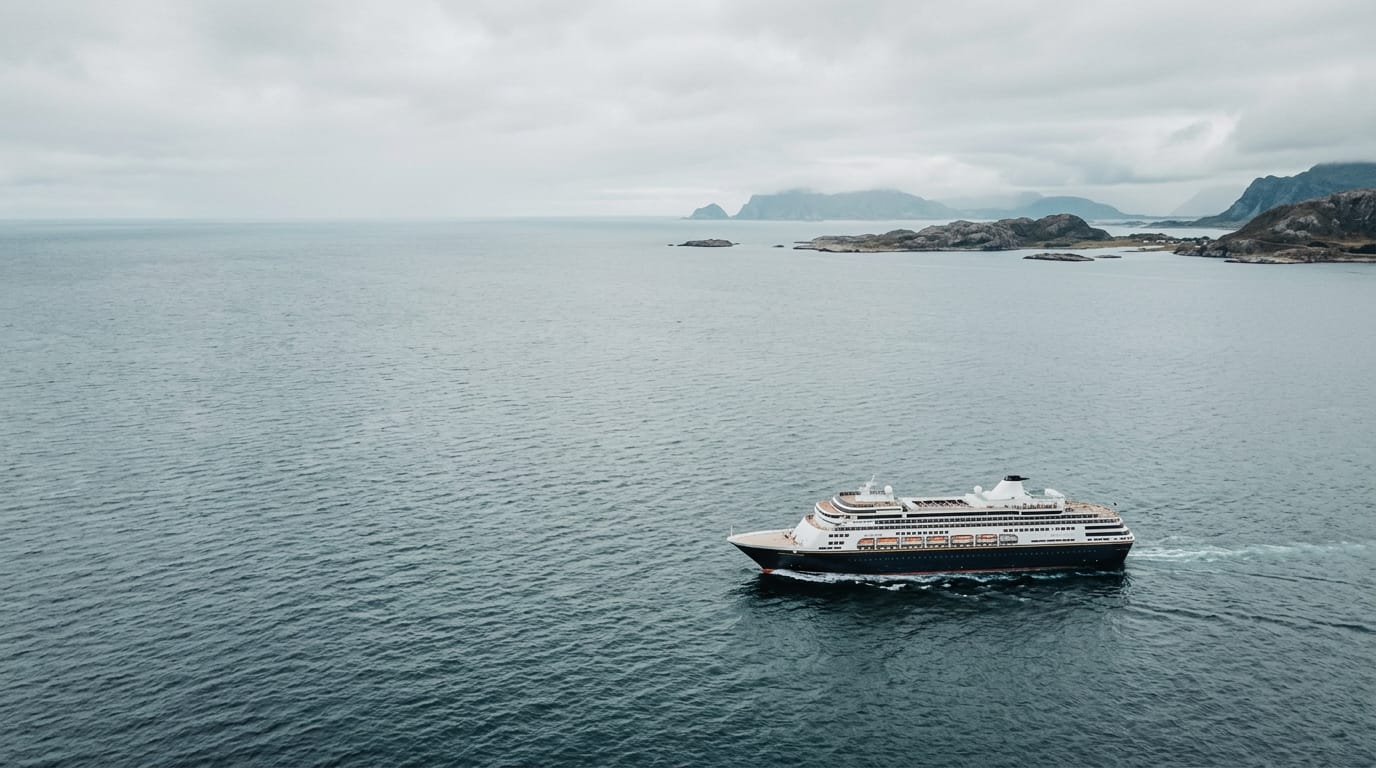
Holland America's 129-day 2027 Grand World Voyage aboard Volendam departs Fort Lauderdale on January 5, 2027. Its published schedule includes the "Holland America Antarctica Experience" from February 1 through February 4.

The itinerary then lists a sea day on February 5 and Port Stanley on February 6. Most importantly, the 2027 Grand Voyages planner explicitly states that there will be no Antarctic landings.

For passengers who want polar scenery within one long journey, that can be an appealing arrangement. You experience the region without changing ships or taking part in landing operations.

A regional voyage can offer the same viewing format

Holland America's separate 70-day 2027 Grand South America & Antarctica Voyage departs Fort Lauderdale on January 3 aboard Zaandam.

Its route includes the Panama Canal, South America's west coast, the Drake Passage, four days of Antarctic scenic cruising, and a return through the Falklands and South America's east coast.

That itinerary establishes scenic cruising, not a passenger landing. As our comparison of world cruises and grand voyages explains, the route and daily activities matter more than the voyage's name.

Where Antarctic Cruise Routes Usually Go

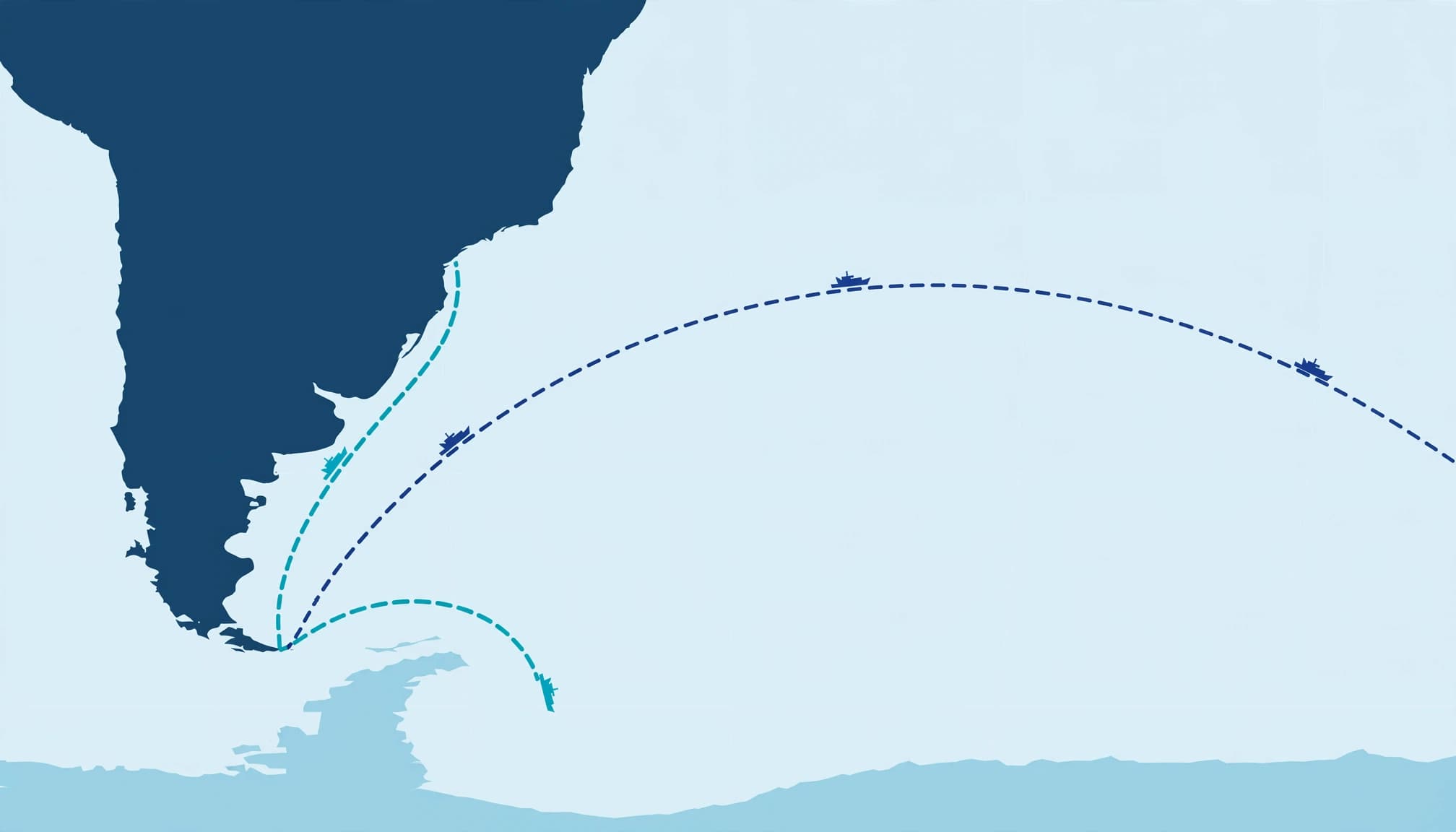
Most Antarctic tourism concentrates on the Antarctic Peninsula region, south of South America. Ushuaia, Argentina, is a common departure point for dedicated expeditions across the Drake Passage toward the South Shetland Islands and the peninsula.

A South American port call alone doesn't establish an Antarctic visit. Likewise, the Falkland Islands and Antarctica are separate destinations, even when both appear on one itinerary.

For a world voyage, reaching Antarctic waters requires time beyond the usual sequence of South American ports. The relevant measure is therefore the number of scheduled days in the region, rather than its appearance on a route map.

Several days offer more opportunities for scenery and wildlife observation than a brief passage. They also give the operator more room to adjust its movements when conditions change.

Our guide to choosing world cruise destinations puts that regional depth ahead of collecting the largest possible continent count.

Antarctic Landing Rules: Ship Size Matters

Antarctic shore access involves environmental safeguards and controlled operations. An expedition ship's ability to offer landings depends on more than carrying small boats.

Passenger limits affect access and time ashore

Under the International Association of Antarctica Tour Operators' standards, ships carrying more than 500 passengers don't land passengers.

For vessels conducting landings, no more than 100 passengers from a vessel may be ashore simultaneously, unless a site's rules impose a lower limit. Only one ship may visit a landing site at a time.

These restrictions help explain why an expedition's passenger count affects the daily experience. A ship carrying more than 100 guests may need to rotate groups ashore, rather than offer everyone the same landing window.

Ships carrying between 200 and 500 passengers also face restrictions on where and when they can land.

Guides, permissions, and site rules still apply

IAATO standards specify at least one guide for every 20 passengers during vessel landings, unless site guidance requires more supervision.

The IAATO visitor guidelines also address environmental assessment and authorization through the relevant national authority. These operating standards shouldn't be described as a single universal Antarctic visa rule.

Passengers must follow expedition instructions, including biosecurity procedures and wildlife protections. Boots and outdoor equipment can carry material between locations, so cleaning procedures are part of the visit.

A ship's eligibility to conduct landings doesn't guarantee access to a particular site on a particular day.

When Antarctic Cruises Operate

The main Antarctic Peninsula cruising season runs during the austral summer, typically November through March. That timing overlaps with the early months of many world voyages, which helps explain Antarctica's place on some January departures.

Early summer brings different constraints

November is within the normal operating season, but early-season ice can limit access. Conditions before mid-November can be unreliable, and the route may differ from one available later in summer.

For a traveler choosing a global voyage, the Antarctic arrival date matters more than the embarkation month. A January departure could reach the region weeks later, after several South American calls.

A scheduled visit in February, such as Volendam 's published 2027 program, falls within the main summer season.

Later dates don't eliminate uncertainty

January and February remain within the principal cruising window, but summer doesn't remove wind, swell, fog, or ice restrictions.

By mid-March, daylight decreases and weather generally deteriorates. Nevertheless, the season doesn't have one fixed opening or closing date shared by every operator.

Treat November through March as the broad planning window. Within it, actual access still depends on the ship, its planned activities, local conditions, and visitor rules.

How Weather and Ice Change the Experience

Antarctic itineraries require flexibility because a navigable route doesn't always provide a safe landing. Wind and swell can prevent small-boat operations even when passengers can comfortably watch the coast from the ship.

Ice creates another set of decisions. It can restrict a channel, block a landing approach, or require the ship to spend time elsewhere. Meanwhile, poor visibility can affect both navigation and what passengers see.

As a result, operators may change the order of activities, replace a planned site, shorten an outing, or cancel it entirely. A scheduled Antarctic day is an opportunity to explore, not a guaranteed appointment at a fixed attraction.

Multiple days give the operator more chances to work around conditions. They still don't promise a particular wildlife sighting or shore visit.

For world cruisers, scenic cruising can be a satisfying choice in its own right. It avoids the physical demands of landing operations while retaining the possibility of extensive coastal and iceberg views.

Choosing Between Scenic Cruising and an Expedition

The strongest choice starts with what would satisfy you. Seeing Antarctica from the ship and stepping ashore are different travel goals, and neither should be left to assumptions.

Scenic cruising suits travelers who want Antarctica within a longer voyage, with familiar dining, accommodation, and onboard routines. It also avoids repeated transfers into small boats and walking across uneven landing sites.

A landing-focused expedition suits travelers who place time ashore near the top of their priorities. However, that format brings waterproof clothing, small-boat transfers, variable footing, and a daily program that can change quickly.

The cruise line's name alone doesn't settle the question. A company can offer different experiences across its ocean and expedition programs, so the specific ship and itinerary format carry more weight.

Budget your energy as carefully as your time. Polar activities arrive within a journey that may already include weeks of sightseeing and sea days. Our guide to evaluating a world cruise itinerary considers that wider balance.

You can also Subscribe to Our YouTube Channel for our twice-weekly educational episodes about world cruises.

Frequently Asked Questions

Does an Antarctic island landing mean I've visited the mainland?

A landing in the South Shetland Islands takes you ashore in the Antarctic region, but it isn't a landing on the Antarctic mainland. Islands and mainland sites are distinct.

That distinction matters if your personal goal is to set foot on the continent itself. An expedition may use island sites, peninsula sites, or a combination, depending on its program and operating conditions.

Can an expedition cruise guarantee an Antarctic landing?

No expedition can guarantee that weather, ice, and site conditions will permit a landing. A voyage designed around shore visits provides the equipment and operating format for them, but safety and environmental requirements still govern access.

The same applies to individual activities. A planned Zodiac outing or landing can change even after the ship reaches Antarctic waters. Travelers need to be comfortable with that uncertainty throughout the voyage.

Choose the Antarctic Experience You Want

Antarctica can be a memorable part of a world voyage, but scenic cruising and landing expeditions offer different experiences. Choose around the visit you want, then weigh the season, ship size, and time allocated to the region.

If Antarctica will shape your entire journey, Schedule a Consultation to discuss your ideal cruise vacation.

The right itinerary makes that distinction clear before departure, while leaving room for the conditions Antarctica presents on arrival.

Recent Posts

By World Cruise by Design • November 26, 2026
A premium world cruise generally offers a lower starting fare and more choice over what you add, while a luxury voyage often bundles more services into a higher price. The right choice depends on what you'll use and how you want to live aboard for months. The total cost matter...
By World Cruise by Design • November 25, 2026
A good world cruise plan starts with five priorities you both agree on: budget, trip length, itinerary, cabin comfort, and daily life aboard. You don't need identical tastes, but you do need a shared definition of a good trip before comparing sailings. One of you may care most...
By World Cruise by Design • November 24, 2026
Yes, you can arrange power of attorney before a world cruise, and doing so can help someone handle matters at home while you're away. Complete the documents while you have the legal capacity to grant authority, with advice suited to your state or province. A months-long voyage...
By World Cruise by Design • November 23, 2026
A world cruise generally doesn't end your U.S. federal tax filing obligations or your home state's claim that you're a resident. For most travelers, several months aboard are a temporary absence , even when the itinerary circles the globe. The bigger questions arise if you're...
By World Cruise by Design • November 22, 2026
A cruise calling at Honolulu and Hilo gives you two different Hawaiian experiences: Oahu's capital-city sights and beaches, followed by the Big Island's waterfalls and volcanic terrain. A short visit can deliver a rewarding introduction to each, provided you choose one main pr...
By World Cruise by Design • November 21, 2026
Yes, U.S. citizens can vote absentee while traveling on a world cruise, but the rules of their state or territory of voting residence control the process. Start before sailing: request your ballot early, choose a return method your state accepts, and allow extra time for mail...
By World Cruise by Design • November 20, 2026
A cruise land extension is worth the added cost when it gives you meaningful time in a destination, takes pressure off embarkation day, or makes a long journey easier to manage. For a world cruise, the decision matters because flights, hotels, transfers, and extra days ashore...
By World Cruise by Design • November 19, 2026
You can sometimes get a world cruise price adjustment after booking, but a lower advertised fare doesn't automatically change your reservation. Your options depend on the cruise line's terms, your fare type, the promotion, and when you request the change. For a voyage lasting...
By World Cruise by Design • November 18, 2026
Yes, credit card rewards can help pay for a world cruise by reducing the fare, covering flights, or offsetting eligible expenses. For most travelers, though, rewards will cover part of the trip , with cash paying the balance. The right choice depends on where your points have...
By World Cruise by Design • November 17, 2026
A cabin problem during a world cruise starts with a report to the ship's crew. Give them a clear description of what's wrong, explain how it affects your stay, and mention any safety or medical concerns. Over a voyage that can last more than 100 nights, your cabin is much more...
Show More