Cruise Ship Tendering: Why Some Ports Use Boats
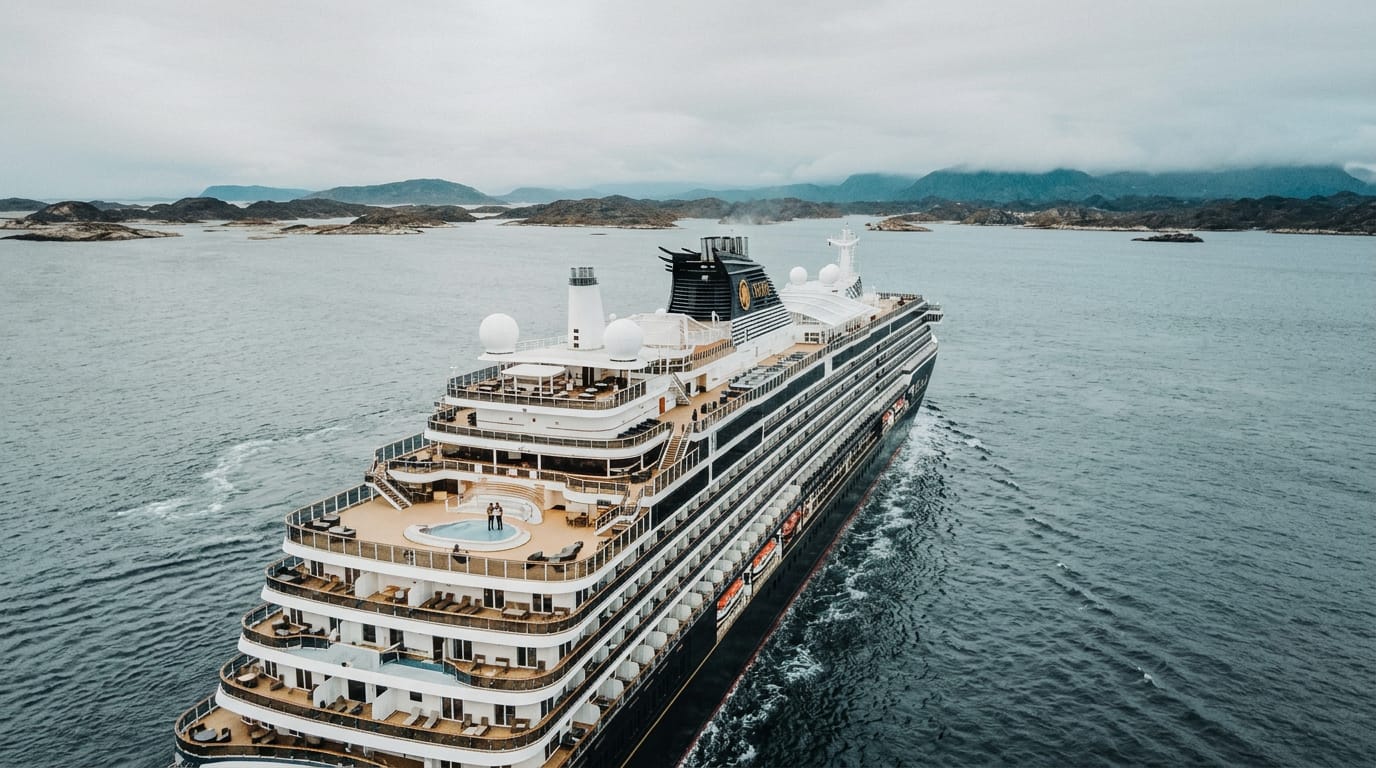
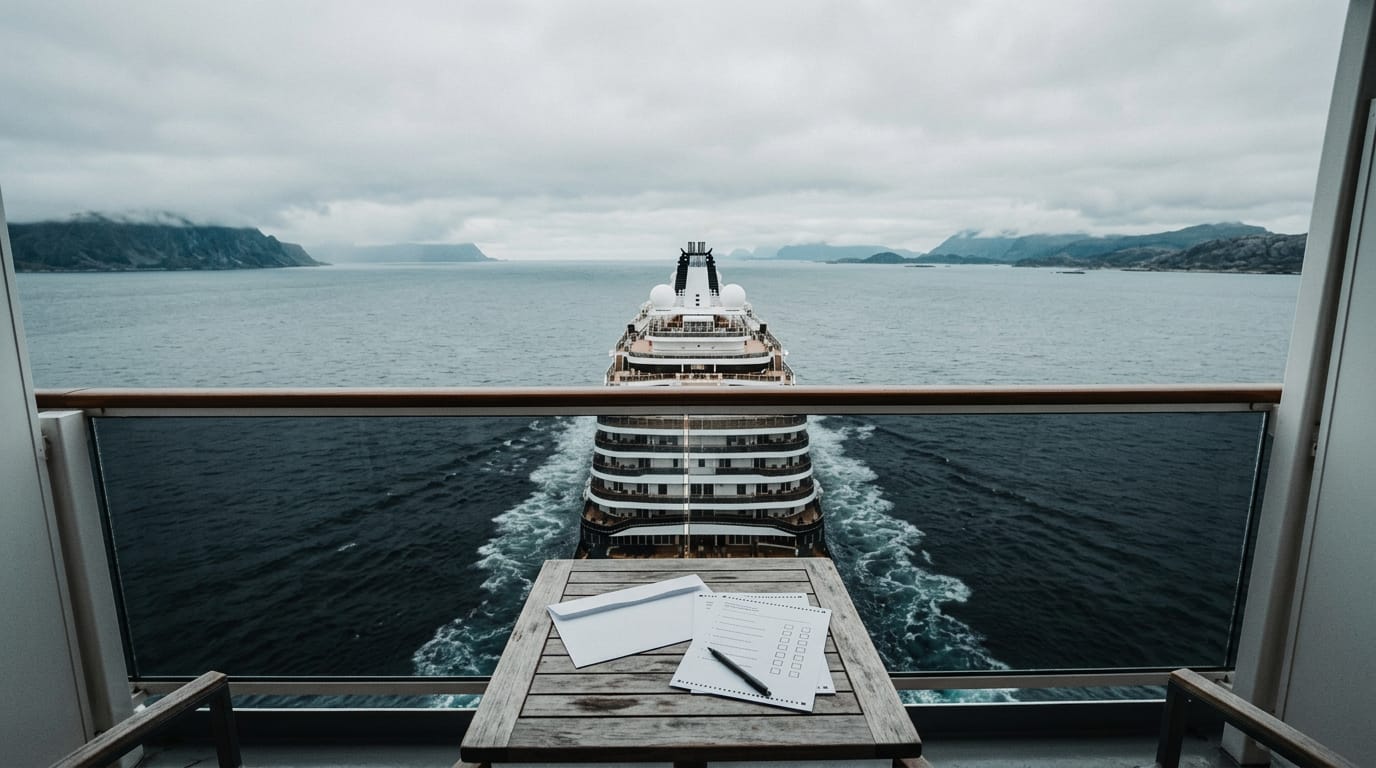
Cruise ship tendering means traveling between your ship and shore on a smaller boat instead of walking directly onto a pier. You'll encounter it on some world cruise itineraries when the ship stays offshore during a port call.
For travelers, the main difference is shore access . The boat transfer can add time to your day, and sea conditions may affect whether you can go ashore at all. Understanding how it works will help you compare itineraries with a clearer picture of each port visit.
What cruise ship tendering means
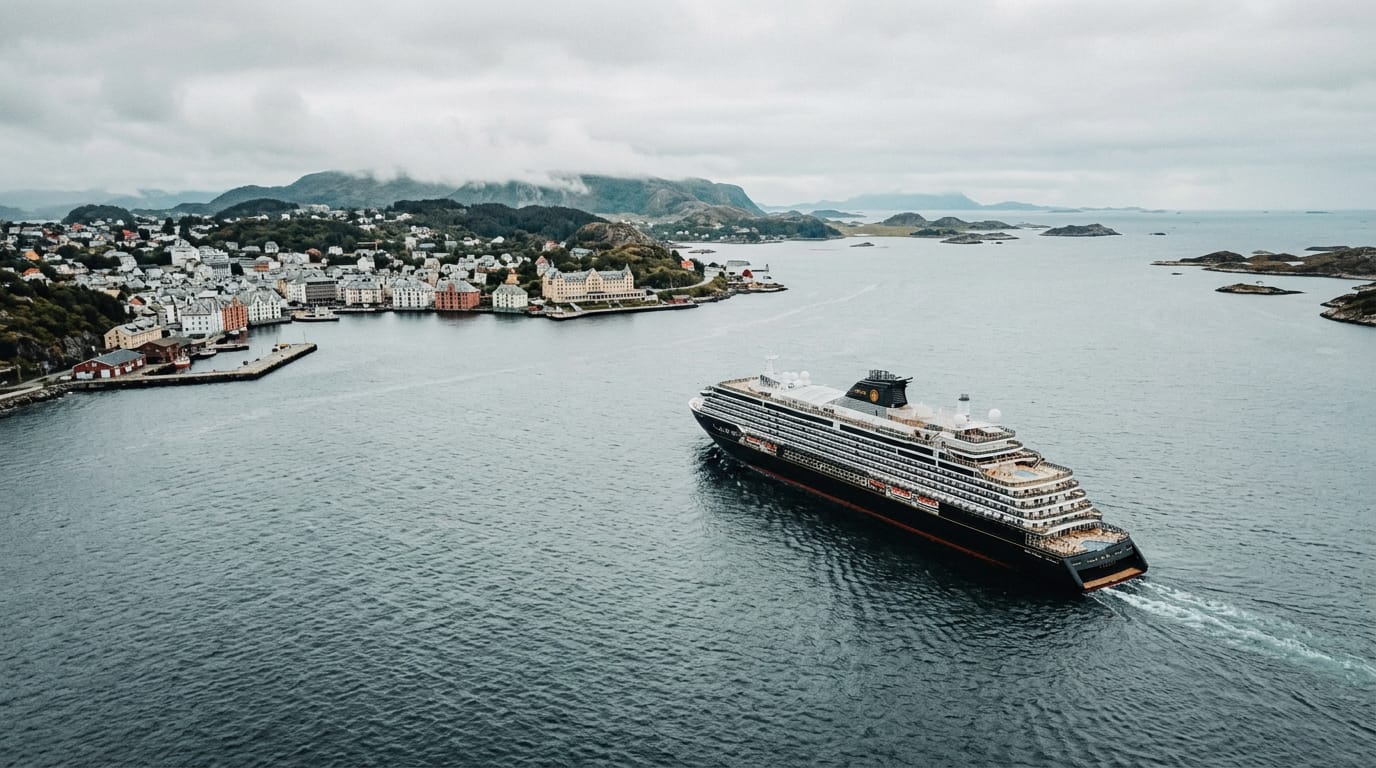
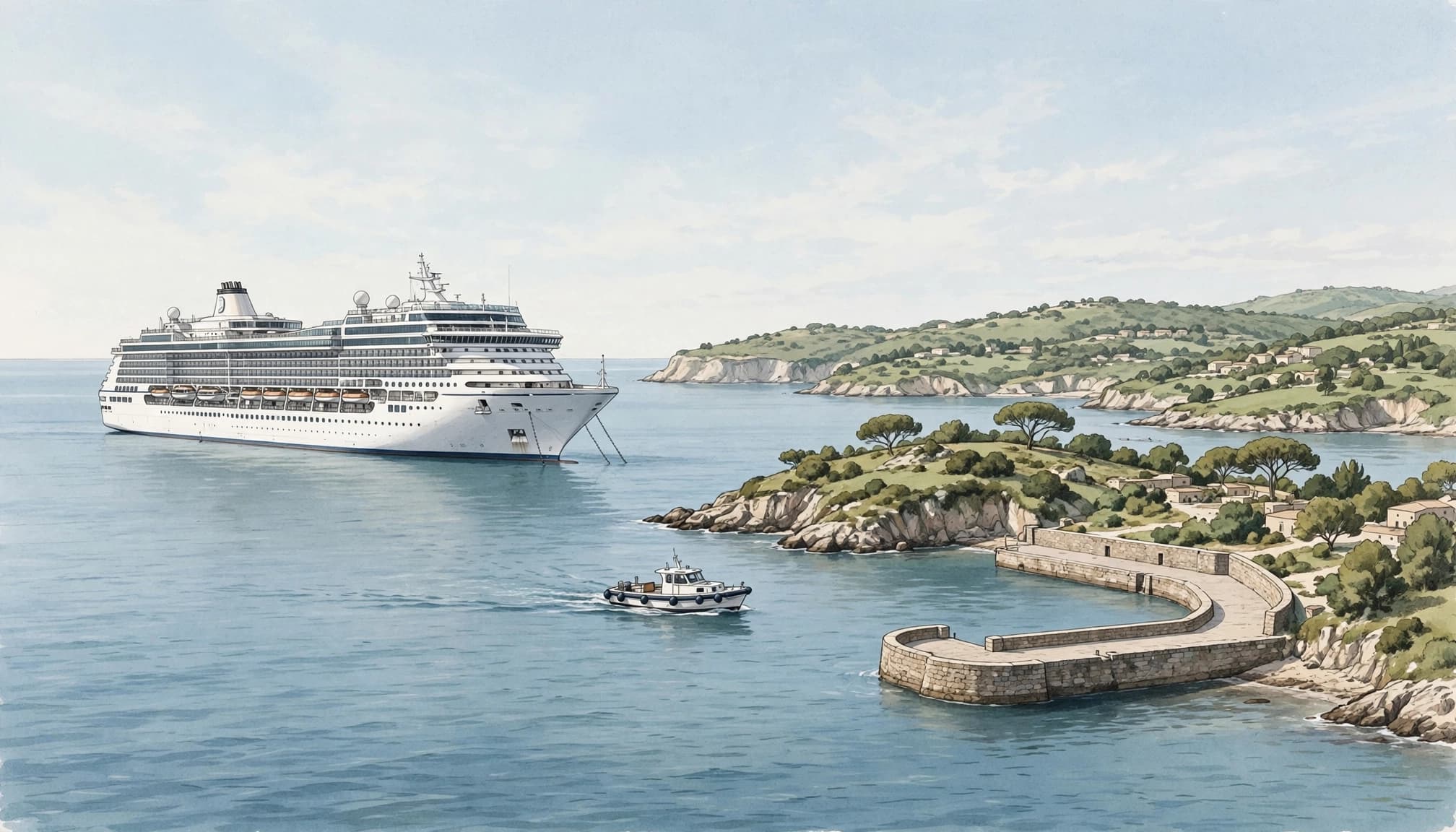
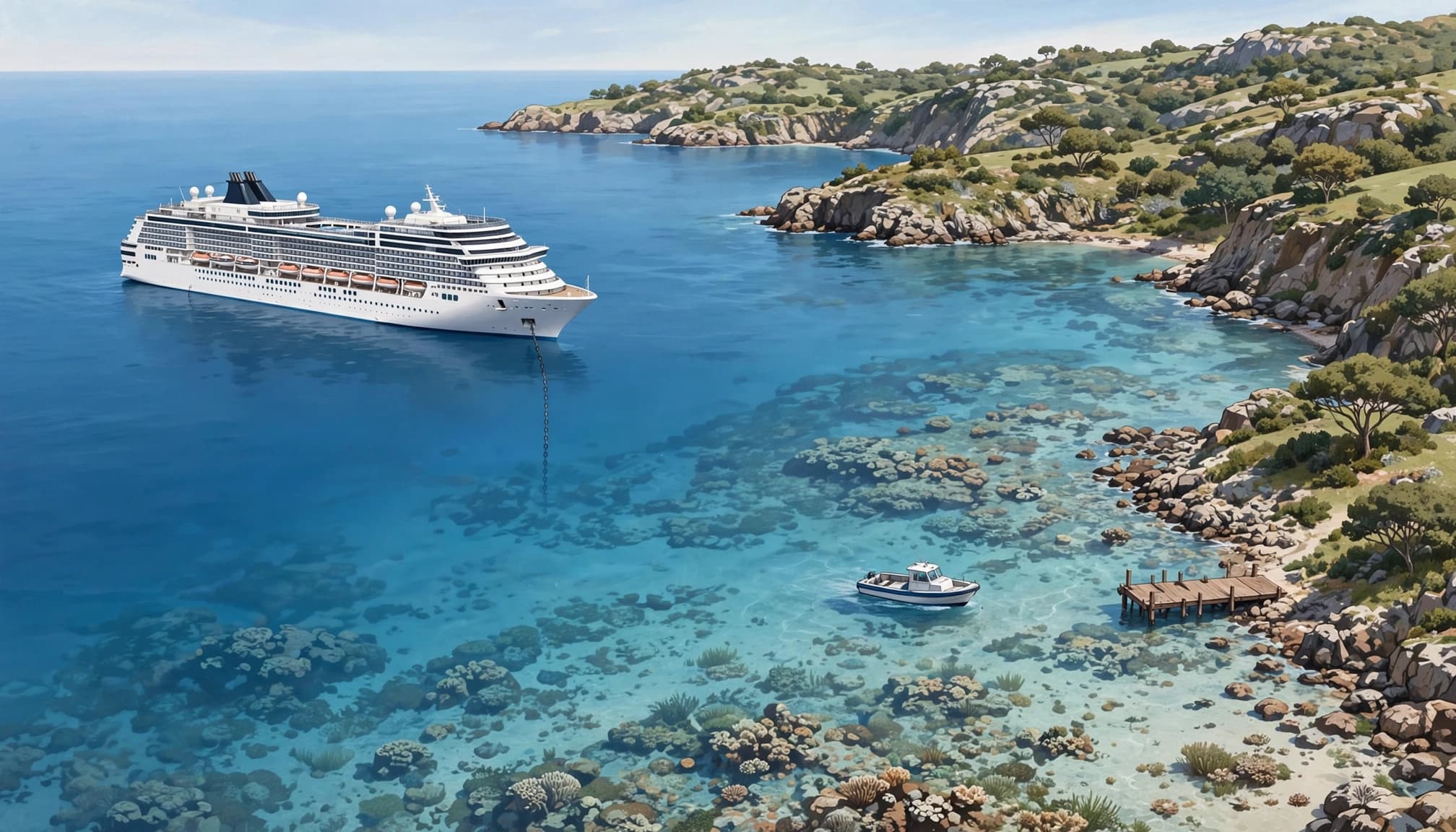
At a tender port, your ship remains offshore while smaller boats carry passengers to a landing point. The boats make return trips during the call, taking guests back to the ship as well.
A ship may use its own boats or boats supplied locally. The landing can be close to the center of a destination, but that's not guaranteed. You might need another transfer after stepping ashore.
Tendering differs from a shore excursion. The tender gets you between the ship and land. Once ashore, you can join a tour, explore independently, or return to the ship, subject to the day's operating schedule.
You may see a tender stop identified in an itinerary before booking. It's a planned way to visit a destination, although conditions on the day can still change the arrangements.
Why some port calls use tender boats
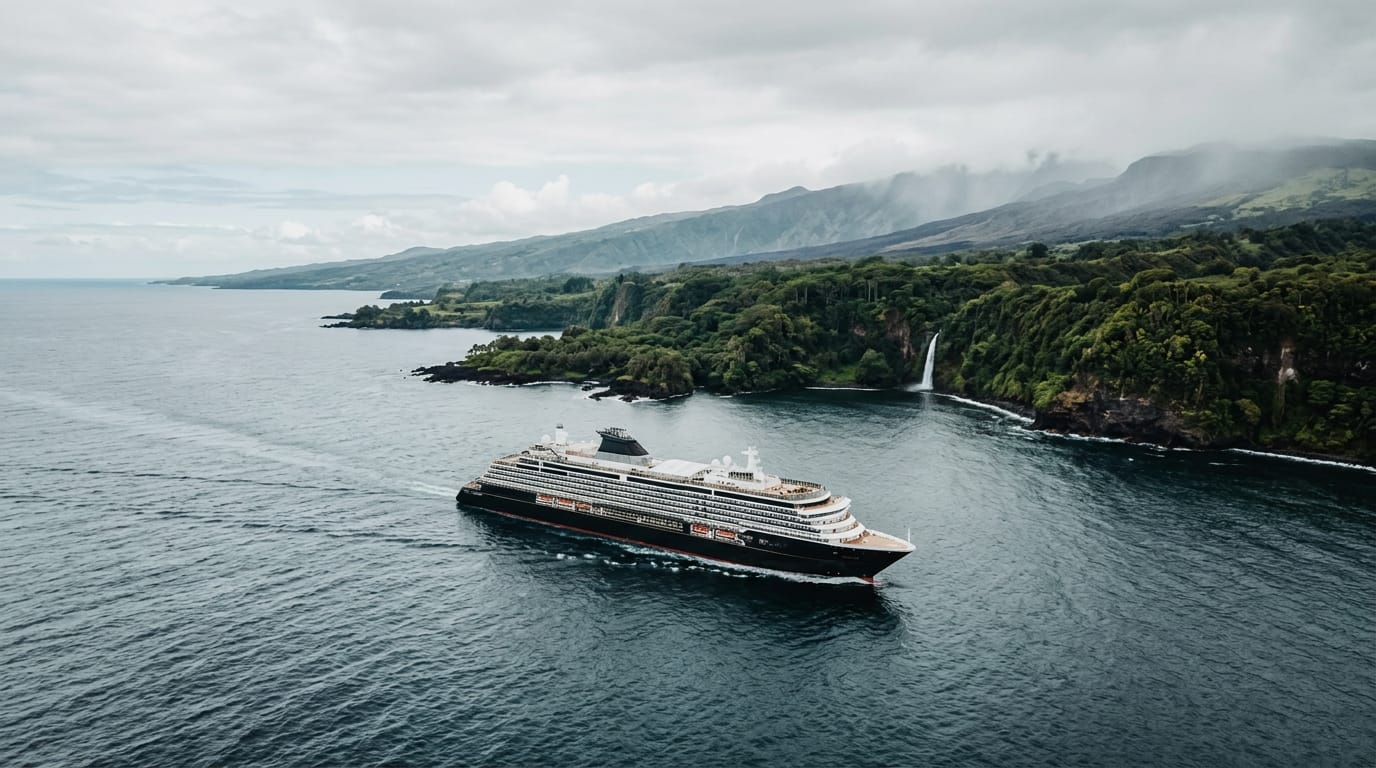
Some calls require tenders because the ship cannot dock directly at a pier for that visit. Instead, it stays offshore and uses the smaller boats to connect passengers with land.
The distinction matters when you compare two port days that look equally long on an itinerary. At a dock, passengers generally leave the ship via a gangway. At a tender stop, they also need a place on a boat in each direction.
The following comparison shows what changes for passengers.
| Port arrangement | How you reach shore | What can affect your day |
|---|---|---|
| Docked | Walk off the ship via a gangway | Clearance, walking distance, and onward transport |
| Tendered | Board a smaller boat to a landing | Boat schedules, sea conditions, and onward transport |
Both kinds of visit can involve queues and transfers. Tendering adds a water crossing, so the ship's arrival time isn't necessarily the time you'll be ready to explore.
How passengers get between ship and shore
Leaving the ship
After the ship arrives, the crew prepares the tender operation. Passengers may need to wait for clearance and for the boats and boarding area to be ready before going ashore.
The process varies by ship and port. On busy mornings, the cruise line may use a ticket or group system to organize departures. Guests on cruise-line excursions may have a designated meeting place and departure arrangement, while independent travelers follow the instructions for general tender service.
Crew members direct passengers to the boarding area. You'll move between the ship and the smaller boat with their guidance, then take a seat for the crossing. Because the boat and ship can move differently, pay attention to crew instructions at the transfer point.
Returning from shore
Tenders generally make repeated trips between the ship and the landing. On your way back, you'll go to the designated boarding point and wait for a boat if one isn't ready.
The last tender time matters more to your shore plans than the ship's advertised departure time. You need to be at the landing in time to board the final boat, not merely back in the destination before the ship sails.
Allow room for a queue, especially when many guests return near the end of the call. If you're arranging your own transport, remember that your driver needs to take you back to the tender landing rather than to the ship itself.
How weather and sea conditions affect tendering
Delays and interruptions
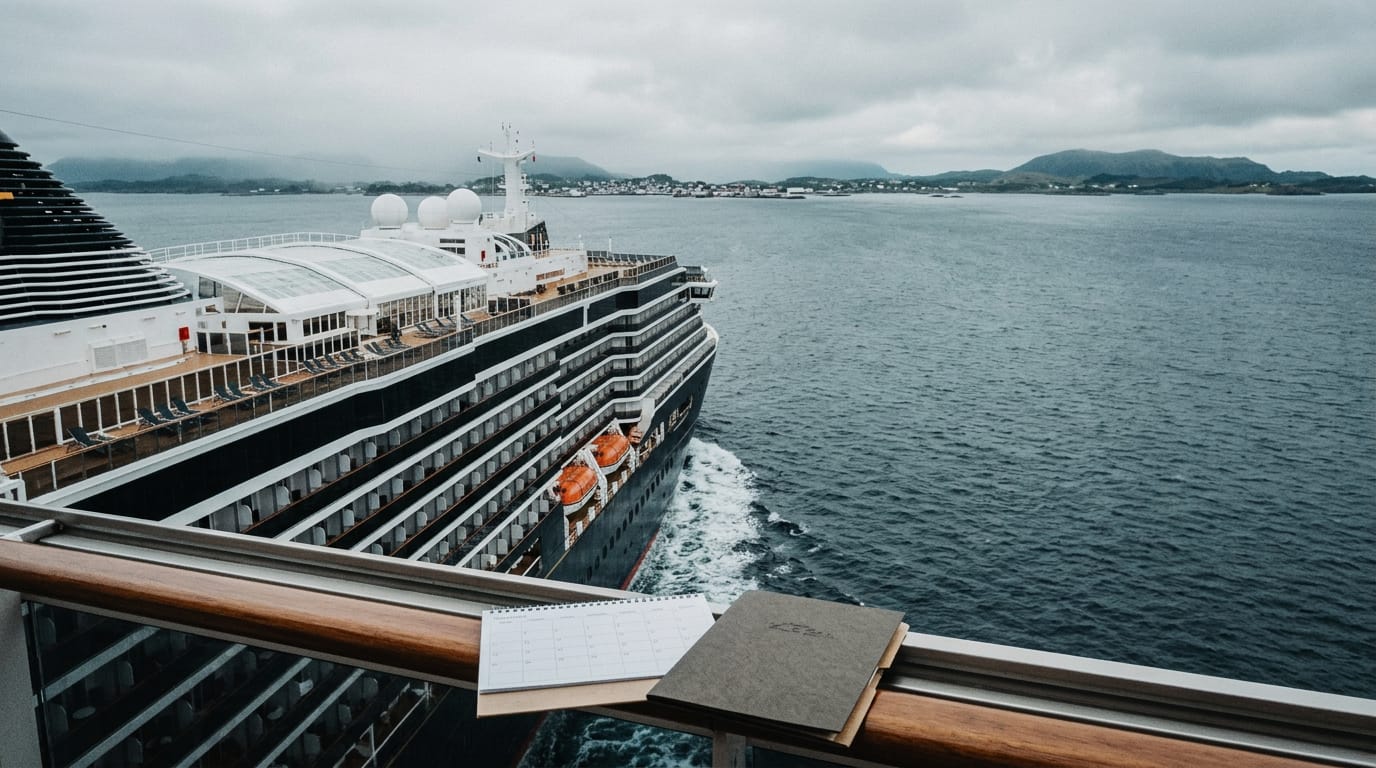
A tender transfer depends on safe conditions at both ends of the journey. Wind, waves, swell, and visibility can affect the ride or make it difficult for passengers to move between the ship, boat, and landing.
The water may look manageable from a high deck while movement at the boarding point makes transfers difficult. The captain and crew assess the conditions and may delay the start, pause service, or adjust the operation.
A delayed departure can shorten a tour or reduce independent sightseeing time. Conditions can also change during the day, so a smooth trip ashore doesn't guarantee the same crossing on the way back.
When a port visit is canceled
If safe tender service isn't possible, the ship may miss the port entirely. A call can also be cut short if conditions worsen after operations begin.
That can be disappointing when a destination is a major reason for choosing an itinerary. However, the decision protects passengers and crew during a transfer that requires two vessels to operate close together.
Cruise lines handle changes to their own excursions according to their terms. For independently booked activities, cancellation and refund conditions depend on the arrangement you made. On a long voyage, some flexibility in your plans and budget can make a missed call easier to absorb.
How tendering changes your time ashore
A port call's listed hours describe the ship's schedule, not a promise that every passenger can spend the entire period on land. Tender preparation, the crossing, and the return journey all take a share of that time.
Cruise-line excursions
A ship-organized tour usually has a meeting time and instructions for reaching shore. The cruise line coordinates its excursion arrangements with the day's operation, although a delayed or canceled tender service can still affect the tour.
The tour's description also matters after you reach land. A transfer by coach, a walk to a meeting point, or a journey to an attraction may take up part of the visit. Look at the time available at the attraction itself when comparing excursions.
Independent plans
Traveling independently gives you freedom to choose your pace, but you need to account for both tender journeys. A tour with a fixed start time can be difficult to reach if the morning transfer takes longer than expected.
The return deserves equal attention. Leave a comfortable margin between the end of your activity and the last tender, particularly if you're traveling beyond the landing area. Traffic, a delayed meal, or a transport problem can use up that margin quickly.
Our guide to full-voyage and segment bookings discusses why the hours in port matter alongside the destinations on a route.
Accessibility and mobility at tender ports
Tendering can be difficult or impossible for some travelers with mobility needs. Moving between the ship and boat may involve steps, gaps, or surfaces that shift with the water. Even when transfers operate, conditions can affect who can board safely.
Wheelchair and scooter arrangements vary by ship, boat, equipment, and conditions. An accessible cabin alone doesn't establish that a traveler can use every tender on the itinerary. Some guests may need to remain on board when a transfer isn't suitable for them.
A successful transfer ashore is only one part of an accessible port day. The landing, transport, and excursion also need to work for you.
For example, a shore tour may include stairs, uneven paths, or long stretches without seating. A bus transfer can present different requirements from the tender itself. Consider the entire journey, including how you'll return to the landing after an activity.
Our guide to choosing a first world cruise itinerary covers accessibility alongside other decisions that shape life on a long voyage.
Comfort on the tender ride
A tender is smaller than the ship, and you may notice its movement more during the crossing. If you're prone to motion sickness, include tender rides in your preparations for the voyage, even if you usually feel comfortable on a large ship.
Discuss medication with a medical professional before departure. Some products can cause drowsiness or interact with other medicines. Fresh air, looking toward the horizon, light meals, and hydration help some travelers, though none guarantees relief.
For the transfer itself, wear shoes that feel secure underfoot and keep a hand free for balance. A small bag is easier to manage than several loose items. Bring the essentials for your time ashore, including any medication you'll need during the visit.
Once seated, follow the crew's instructions and remain aware that movement may increase as the boat approaches the ship or landing. The goal is a comfortable transfer without rushing the people around you.
Compare tender ports when choosing an itinerary
A tender call can be a welcome part of a voyage, especially when the destination interests you. The useful question is how that call fits your priorities and your preferred pace.
Look beyond the port name
Compare arrival and departure times with the activities you want to do. A long call may leave room for a boat transfer and a relaxed lunch ashore. On a shorter day, the same transfer can take a larger share of your available time.
Also consider where your preferred activity begins. A landing near a town center offers a different day from one that requires a further drive. Consecutive port days can make that difference more noticeable over a long trip, particularly if you prefer a slower schedule.
Weigh the whole route
Tender ports are one part of choosing a voyage. Cabin comfort, time away, costs, and the balance of sea days and port days matter too. Our first-time world cruise planning guide covers those broader decisions.
If you'd like help comparing itineraries and the pace of their port calls, Schedule a Consultation with us. You can also Subscribe to Our YouTube Channel for more world cruise planning discussions.
Make the most of each port day
Tendering gives you access to shore when your ship stays offshore, with a boat transfer in each direction. The main considerations are the time those transfers take, your comfort boarding, and the possibility of changes in poor conditions.
When you compare voyages, focus on usable time ashore rather than the port list alone. That perspective makes it easier to choose an itinerary that fits the way you want to travel.
Recent Posts