


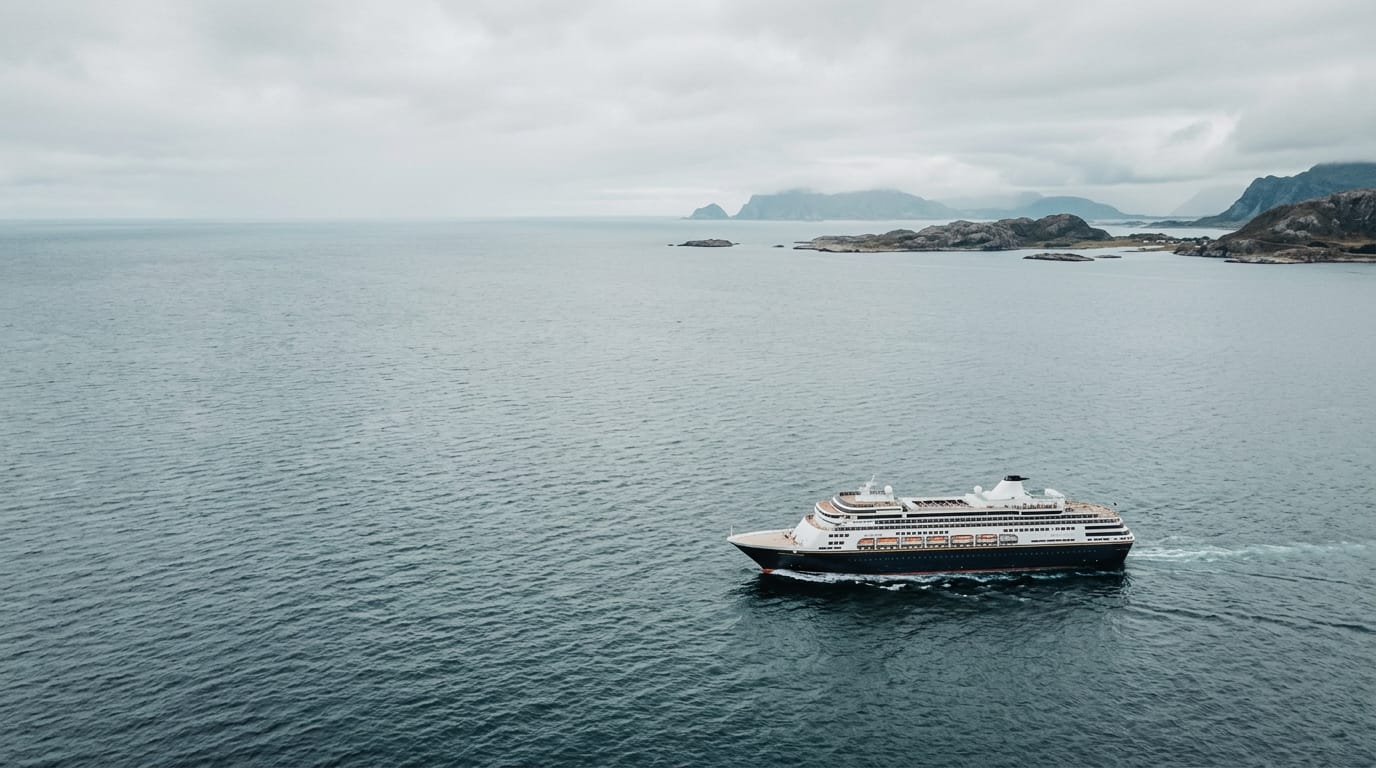
How the International Date Line Changes Your Cruise Calendar

World Cruise by Design • November 2, 2026

Share this article

Crossing the International Date Line can make your world cruise calendar skip a date or show the same date twice. Your ship continues sailing as usual, but the calendar label changes to match the region you're entering.

That distinction matters when you're arranging shore excursions, flights, calls home, and anything tied to a particular date. Once you understand how the ship presents its schedule, the change is easier to plan around.

What the International Date Line Means for Your Cruise

The International Date Line is an imaginary boundary in the Pacific Ocean where the calendar date changes. It runs roughly along the 180th meridian, with bends that account for the dates used by nearby countries and islands.

On a long Pacific crossing, the ship may adjust its calendar so that its date matches the destinations ahead. The cruise line's itinerary and onboard announcements show how that change fits into the voyage.

A skipped date doesn't shorten the voyage

When the calendar moves past a date, you don't lose the physical hours you've already spent traveling. Meals, entertainment, and time at sea continue, even though one date doesn't appear in the ship's sequence.

This can make an itinerary look unusual at first. A jump between consecutive entries may be a calendar adjustment rather than a missing sea day or canceled activity.

A repeated date doesn't add a free day

A repeated date gives two periods of the voyage the same calendar label. You still experience the actual time onboard, but the itinerary needs a way to distinguish the two occurrences.

For planning purposes, the ship's published voyage length and the sequence of port calls matter more than counting date labels yourself. Keep the full itinerary handy so you can see where each repeated date sits in the journey.

How Date Changes Differ From Clock Changes

A calendar adjustment and a clock adjustment are related, but they aren't the same thing. On a long voyage, your ship may change its clocks several times as it travels between time zones. The Date Line affects the date shown on the calendar.

Ship clocks shape your daily routine

Eastbound sailings tend to move clocks ahead as they cross time zones. Those adjustments can make individual days feel shorter, particularly when several occur during a busy stretch of ports.

Your cruise line communicates time changes onboard. The daily program, announcements, and shipboard clock displays help you keep dining reservations and meet excursion groups at the intended time.

The calendar tells you which day you're on

The date change has a different effect: it changes how days are named. Your itinerary may move past a date or list a date twice, while the ship continues its planned passage.

Both details matter when you book something outside the ship. A reservation needs the correct local date as well as a meeting time that works with the ship's schedule.

A clock change affects the time you read. A Date Line change affects the date attached to that time.

The comparison of eastbound and westbound routes also considers the order of destinations and seasonal weather. Those details can matter more to your enjoyment than the calendar adjustment alone.

Read the Itinerary as a Sequence, Not a Calendar Grid

A cruise itinerary is easiest to understand when you follow it in voyage order. Start at embarkation and read each sea day and port call in sequence, paying attention to the Date Line entry.

A sailing that visits Pacific islands and continues toward New Zealand may include several sea days between ports. The calendar change can fall within that stretch, so a date jump doesn't mean the ship has traveled an impossible distance overnight.

Look at the port calls around the crossing

The arrival date listed for a port is the date to use when arranging activities ashore. Also note the departure time, whether the call is overnight, and how much time you'll have for transportation.

A destination may appear attractive in a brochure, but a short call can limit what you can do. A port advertised as a gateway to a major city may also involve a long drive in each direction.

Keep voyage length and calendar dates separate

Cruise lines commonly describe long sailings by their number of nights or days. That figure describes the voyage sold, while the itinerary dates show the calendar used along the route.

Don't assume that subtracting one printed date from another will explain every part of a Pacific crossing. Instead, compare the full sequence of nights, sea days, and port calls. Our guide to choosing a first world cruise itinerary covers other details worth weighing alongside the date change.

Plan Shore Excursions Around the Ship's Date

A Date Line crossing is especially relevant if you arrange an independent excursion. Your guide, driver, or attraction will use the date in the destination, so the reservation should match the ship's published port call.

The same applies to restaurant bookings, performances, and any appointment you hope to make ashore. Keep the port name with each reservation: the date alone can be harder to interpret when a voyage includes a repeated calendar date.

Allow time to get ashore and return

Arrival time doesn't always mean you can leave the ship immediately. Depending on the port, clearance procedures or tender service may affect when passengers reach shore.

For an independent tour, allow room for those steps as well as the return journey. The ship's required return time is the important deadline, rather than the time shown on your tour's booking page.

Keep ship time and local time distinct

Ship time and local time can differ. That distinction matters if your phone updates automatically after you arrive or your tour confirmation uses local time.

Use the ship's stated time for returning onboard, and keep the excursion's local meeting time with its written confirmation. Recording both alongside the port name makes the reservation easier to interpret.

Understand What Happens to Onboard Activities

The ship doesn't pause its daily life at the Date Line. Restaurants, entertainment, fitness facilities, and other services continue, although their scheduled offerings depend on the voyage.

Your onboard program gives you the useful information: what is happening, which date the ship is using, and when you need to be there. When a date repeats, retain the program for each occurrence so a reservation or event doesn't get confused with one on the other occurrence.

Dining and reservations

A dining reservation belongs to a particular point in the voyage, even if a calendar date appears twice. The same principle applies to spa appointments and other booked activities.

Keep the ship's confirmation with the details of the reservation. If you've recorded it in a personal calendar, include its place in the voyage as well as the date and time.

Sea days and personal routines

A Date Line crossing often occurs during a stretch at sea. That can give you time to settle into the ship's daily rhythm before the next port, but it may also complicate routines tied to a home calendar.

Medication schedules deserve separate attention. If you take a medicine at a prescribed interval, discuss the travel schedule with your healthcare professional before departure. A skipped or repeated date shouldn't prompt you to change a dose on your own.

Coordinate Flights, Hotels, and Travel Documents

Flights and hotels use the local dates shown on their reservations. A calendar change at sea doesn't automatically update a separately booked flight, hotel stay, or transfer.

For a full voyage, start with the cruise's published embarkation and disembarkation dates. If you're joining or leaving a segment during the trip, use that segment's port and date rather than the dates for the full sailing.

Build in room before embarkation

A pre-cruise hotel stay can give you time to recover from a flight and accommodate travel disruptions. This matters when you're crossing several time zones to reach the departure port before boarding.

Our guide to choosing an embarkation port looks at departure cities, flights, and transfers. Compare the complete travel sequence, including the local arrival date of your flight and the nights you need a hotel.

Organize paperwork by destination

Visas and entry permissions depend on your passport and the places you visit. Keep each document with the relevant port call and any related flights or hotel stays, especially if you're entering a country before or after the cruise.

Travel insurance also deserves a place in your planning folder. The policy's coverage period and terms need to fit the actual trip, including time away before embarkation and after disembarkation.

Keep Home Plans in Step With the Ship

The Date Line can make coordination with people at home less intuitive. Your family may be looking at a different date when you're arranging a call, even before you account for the time difference.

For important conversations, write the date and time in both locations. Naming the city or time zone removes guesswork, particularly when the ship's calendar repeats a date.

Make recurring commitments easier to follow

Calendar apps may display an event differently as your device changes time zones. For anything important, keep a written note of the intended local date and time, along with the location it belongs to.

Automatic payments and household arrangements usually remain tied to the systems and time zones at home. A trusted contact can help with matters that require attention while you're at sea or when connectivity is limited.

Compare the whole route before booking

The Date Line is one part of a much larger itinerary. Consider the destinations you most want to visit, the number of consecutive sea days, and the time available in each port.

A Pacific-first route may bring islands, Australia, and New Zealand early in the voyage. Another route may place those destinations later. For more help evaluating the pace and practical commitments, explore our first-time world cruise planning guide or Subscribe to Our YouTube Channel.

Choose the Voyage That Fits Your Calendar

A Date Line crossing changes the date you see, not the time you experience aboard. Once you follow the itinerary in sequence, the port calls and onboard schedule become much easier to place.

Focus on the local date and time for each arrangement outside the ship. That gives flights, excursions, and conversations at home a clear place in your plans.

If you'd like help comparing routes and their schedules, Schedule a Consultation with us.

Recent Posts

By World Cruise by Design • November 26, 2026
A premium world cruise generally offers a lower starting fare and more choice over what you add, while a luxury voyage often bundles more services into a higher price. The right choice depends on what you'll use and how you want to live aboard for months. The total cost matter...
By World Cruise by Design • November 25, 2026
A good world cruise plan starts with five priorities you both agree on: budget, trip length, itinerary, cabin comfort, and daily life aboard. You don't need identical tastes, but you do need a shared definition of a good trip before comparing sailings. One of you may care most...
By World Cruise by Design • November 24, 2026
Yes, you can arrange power of attorney before a world cruise, and doing so can help someone handle matters at home while you're away. Complete the documents while you have the legal capacity to grant authority, with advice suited to your state or province. A months-long voyage...
By World Cruise by Design • November 23, 2026
A world cruise generally doesn't end your U.S. federal tax filing obligations or your home state's claim that you're a resident. For most travelers, several months aboard are a temporary absence , even when the itinerary circles the globe. The bigger questions arise if you're...
By World Cruise by Design • November 22, 2026
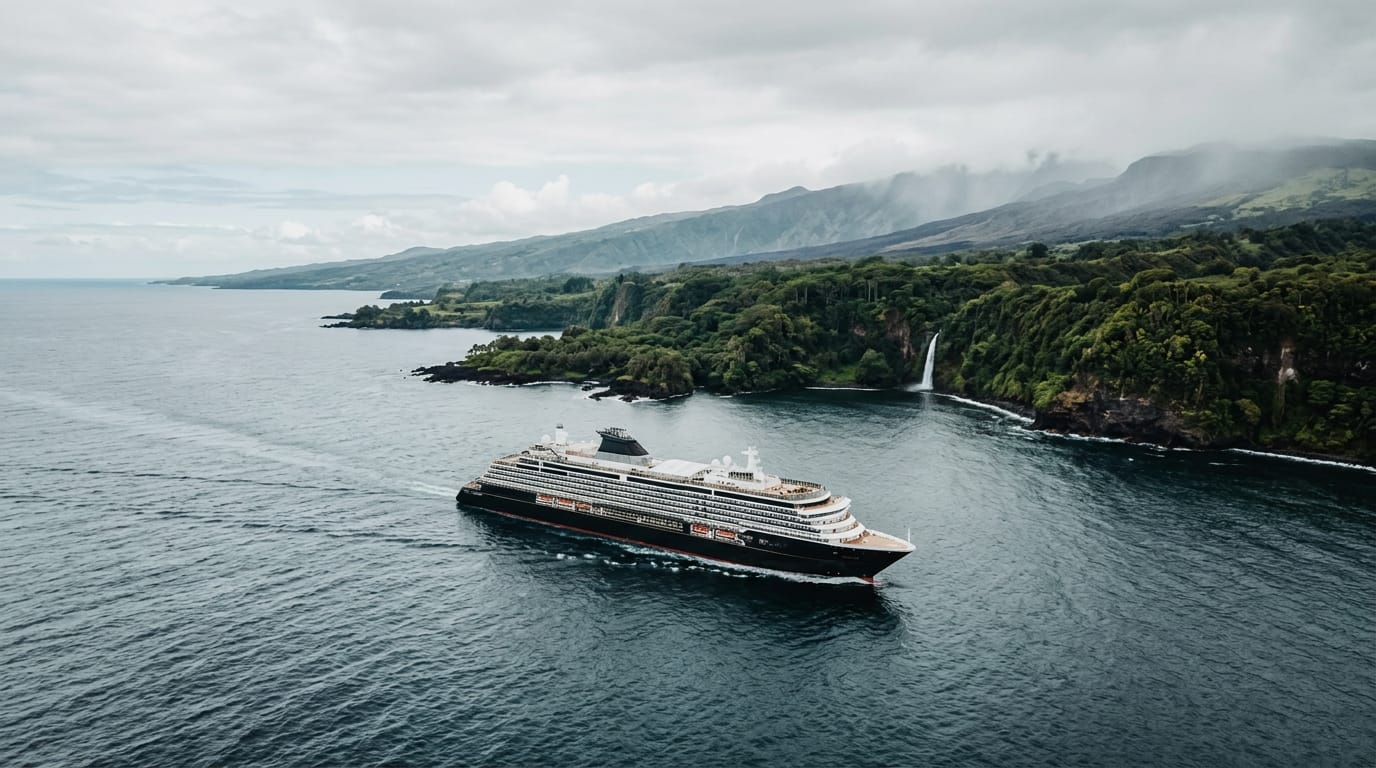
A cruise calling at Honolulu and Hilo gives you two different Hawaiian experiences: Oahu's capital-city sights and beaches, followed by the Big Island's waterfalls and volcanic terrain. A short visit can deliver a rewarding introduction to each, provided you choose one main pr...
By World Cruise by Design • November 21, 2026
Yes, U.S. citizens can vote absentee while traveling on a world cruise, but the rules of their state or territory of voting residence control the process. Start before sailing: request your ballot early, choose a return method your state accepts, and allow extra time for mail...
By World Cruise by Design • November 20, 2026
A cruise land extension is worth the added cost when it gives you meaningful time in a destination, takes pressure off embarkation day, or makes a long journey easier to manage. For a world cruise, the decision matters because flights, hotels, transfers, and extra days ashore...
By World Cruise by Design • November 19, 2026
You can sometimes get a world cruise price adjustment after booking, but a lower advertised fare doesn't automatically change your reservation. Your options depend on the cruise line's terms, your fare type, the promotion, and when you request the change. For a voyage lasting...
By World Cruise by Design • November 18, 2026
Yes, credit card rewards can help pay for a world cruise by reducing the fare, covering flights, or offsetting eligible expenses. For most travelers, though, rewards will cover part of the trip , with cash paying the balance. The right choice depends on where your points have...
By World Cruise by Design • November 17, 2026
A cabin problem during a world cruise starts with a report to the ship's crew. Give them a clear description of what's wrong, explain how it affects your stay, and mention any safety or medical concerns. Over a voyage that can last more than 100 nights, your cabin is much more...

Show More