Fitness on Sea Days: A Routine for Long Voyages
Fitness on sea days is easier to maintain when you build a flexible routine around walking, strength, and rest. You don't need a demanding workout schedule to stay active during a long voyage.
On a world cruise, your plans will change with the weather, the ship's schedule, and your energy level. A repeatable routine with a few alternatives gives you room to enjoy the journey without starting over after every interruption.
Build a Sustainable Sea-Day Routine
The strongest routine is one that fits your life aboard. If you enjoy a morning walk at home, begin with a walk on an open deck. If you prefer strength training, make space for a gym visit or a cabin workout when conditions allow.
Start with What You Already Enjoy
You don't have to fill every free hour with exercise. Choose activities you look forward to, then connect them to something already on your schedule. A walk before breakfast or a stretch after an afternoon lecture can become a comfortable habit.
If you're new to regular exercise, start gently and build at a pace that feels manageable. Travelers with heart, lung, joint, or balance conditions should discuss suitable activity and limits with a clinician before departure.
Make Room for Different Kinds of Days
A long crossing gives you chances to move, but it also gives you permission to slow down. Some days may suit a gym session. On others, a walk and gentle stretches may feel better.
Your itinerary matters, too. Consecutive sea days can provide a welcome pause after demanding excursions. Our guide to how sea days shape a world cruise looks at how those stretches affect the pace of a voyage.
Walk the Deck When Conditions Allow
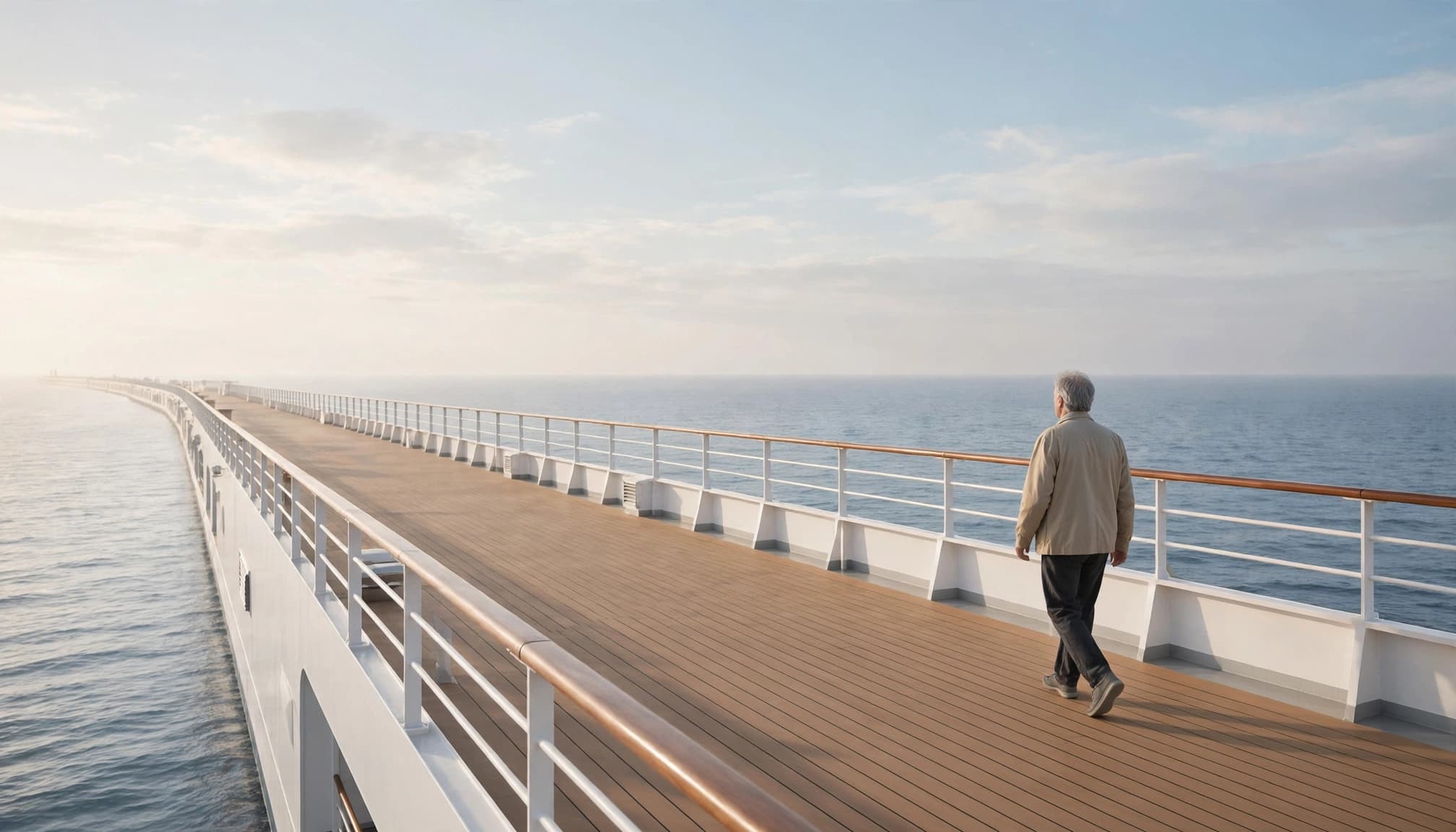
Deck walking is one of the simplest ways to add movement to a sea day. You can enjoy fresh air and ocean views without committing to a class or changing your entire schedule.
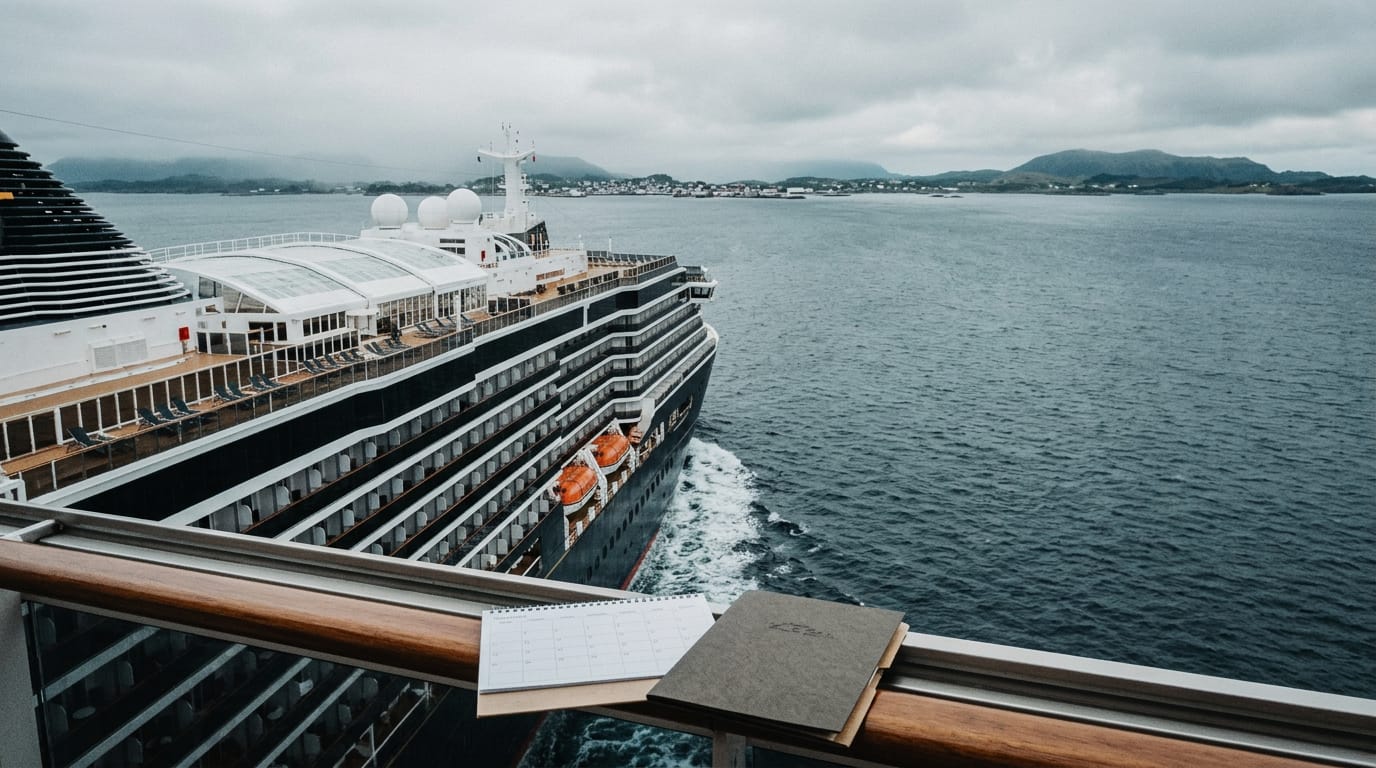
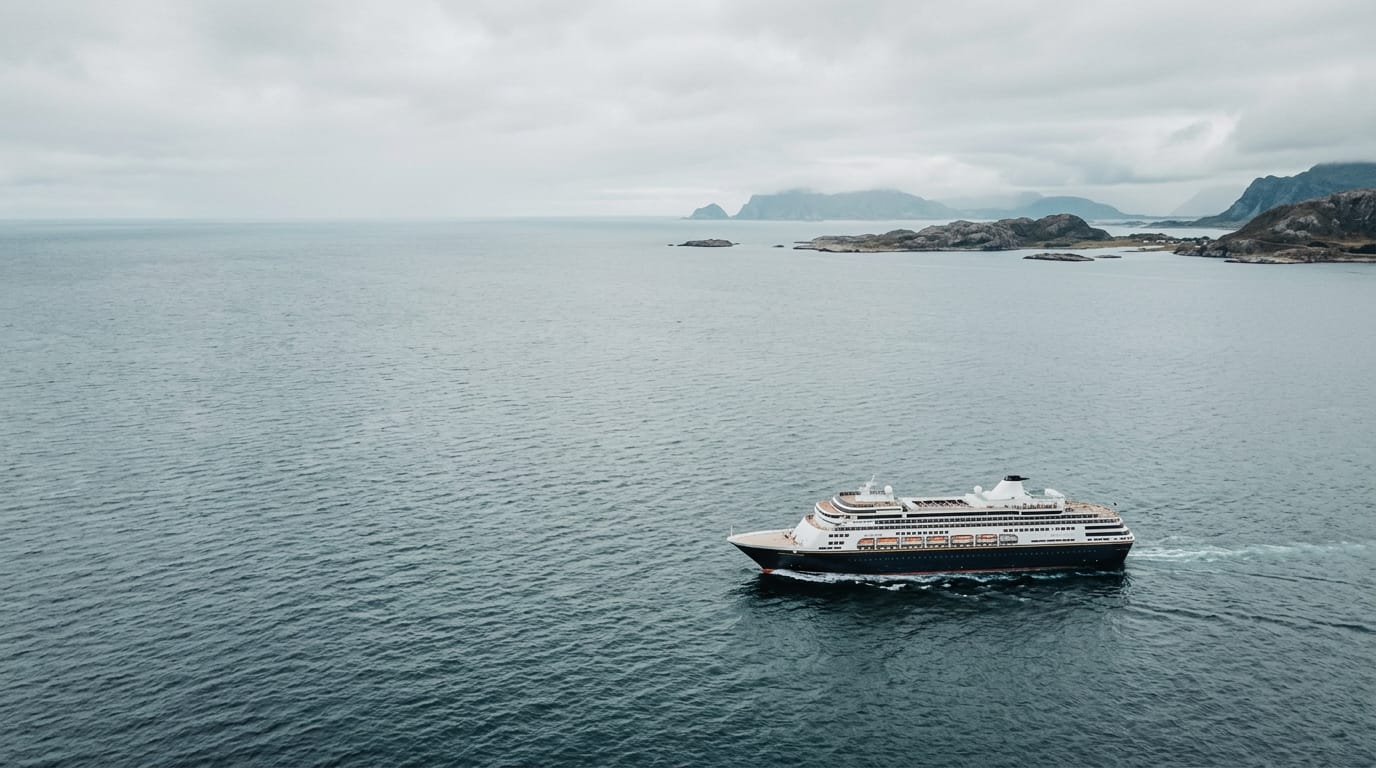
Start at a comfortable pace on an open, permitted walking area. Wear supportive shoes with good grip, and leave room for other passengers. Some ships have walking tracks or promenade routes, while others offer different outdoor layouts. The available space may also change when crew members close sections of the deck.
Weather can make an inviting walk less comfortable. Wind, rain, strong sun, and a moving deck all call for a little judgment. Use sunscreen and a secure hat in bright conditions, carry water when appropriate, and head inside if the surface feels slippery or the ship's movement affects your balance.
You can divide your walking across the day rather than treating it as a single workout. A stroll after breakfast and another before dinner may fit around activities better than one longer outing. On a scenic passage, a gentle walk can also leave you free to pause and enjoy the view.
Use the Onboard Gym at Your Own Pace
A fitness center can make strength and aerobic exercise easier to continue at sea. Equipment and available space differ by ship, so plan to adapt rather than rely on a particular machine or class.
Start with familiar equipment when possible. A treadmill or stationary bike may suit your usual routine, while resistance machines or free weights can provide strength work. If the ship is moving, choose an option that feels stable and use support where appropriate.
Choose a Comfortable Time
Sea-day programming can make certain periods busier than others. If you prefer a quieter space, try a different time around meals, lectures, or other popular activities. A shorter visit can still fit your routine when the day is full.
Classes can offer structure and company if they're available and suit your ability. Leave enough flexibility in your plans to skip one when you're tired or have another activity you don't want to miss.
Adjust for the Ship's Movement
Exercise can feel different on a moving ship. Reduce the difficulty or stop if you feel unsteady. A machine with a seat may feel more comfortable than a standing exercise, and a gentle walk may be a better choice than balancing with weights.
Keep walkways clear, wear suitable shoes, and follow posted instructions. When conditions make safe movement difficult, rest and return another day.
Try Small-Space Bodyweight Workouts
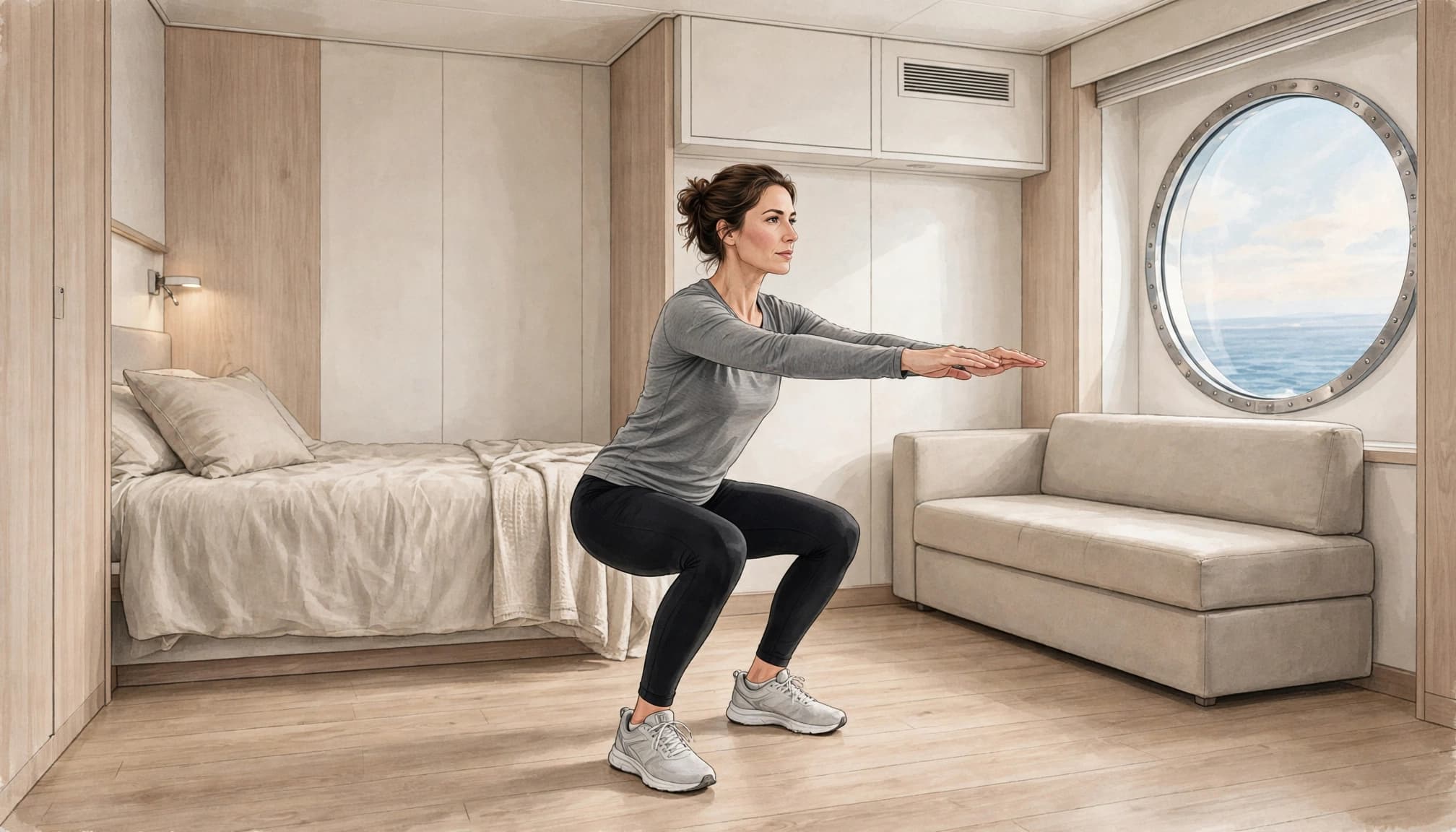
Your cabin may offer a convenient alternative when the gym is busy or the outdoor deck is closed. A modest routine can work without special equipment, provided you have enough clear floor space and feel steady.
Pick Simple Movements
Choose movements you already know and can perform comfortably. Sitting down and standing up from a sturdy, stable chair can work your legs. Wall push-ups offer an option for the upper body, while gentle stretches can help you move after a long period of sitting.
Move with control and stop if you feel pain or dizziness. If you use a chair or another surface for support, make sure it won't slide or tip. Avoid using furniture that shifts with the ship.
Give Yourself Enough Space
Clear shoes, bags, and loose items before you start. Leave room to move without hitting a bed, table, or cabin door, and keep noise considerate for neighboring guests.
A compact cabin won't suit every movement. If you need more room, an accessible public space or the fitness center may be a better choice. Our guide to cabin features for everyday life can help you consider how a room will support your routine over a long voyage.
Adapt When Weather or Schedules Change
A routine that depends on perfect weather won't always survive a long crossing. Keep a few indoor options in mind, and let the day's conditions guide your choice.
Move Indoors When Decks Close
If the outdoor route is closed, the gym may be an option when it's open and you feel steady. Depending on the ship's layout and traffic, walking through suitable public areas can also offer gentle movement. Respect crew instructions and avoid obstructing doorways or busy passages.
Stairs can add activity for travelers who are comfortable using them. Hold the handrail, take your time, and use the elevator when you're tired or the ship's motion makes stairs feel unsafe.
Treat Rough Days Differently
If you feel seasick or unsteady, give yourself permission to rest. A midship location on a lower deck may feel steadier than the front or rear of the ship, although conditions can affect any area.
Discuss seasickness treatments with a medical professional before departure, particularly if you take other medication. Some treatments can cause drowsiness. Once you feel better, return to movement gradually instead of trying to make up for missed workouts.
Fit Movement Around Meals and Activities
Long voyages bring a tempting choice of dining, entertainment, and enrichment. Exercise works best when it has a place among those pleasures rather than competing with all of them.
Look at the daily program and choose an opening that suits your energy. A morning walk might leave the afternoon free for a lecture. On another day, a cabin workout before getting ready for dinner may be more convenient. If a scenic passage or special event overlaps your usual routine, move it or skip it.
Meals can provide useful anchors. A gentle stroll before or after eating may feel pleasant, while a demanding workout immediately after a large meal may not. Give yourself the time you need to feel comfortable.
Hydration matters, especially in warm weather or during outdoor activity. Keep a water bottle handy and drink regularly. If you have medical instructions about fluids, follow your clinician's advice.
Pace Yourself Across the Whole Voyage
Fitness on sea days includes recovery. A full schedule of excursions, early departures, and late evenings can leave you tired even when you've spent little time in the gym.
Count Active Port Days
Walking tours, stairs, and uneven ground all add to the demands on your body. After an active day ashore, a relaxed sea day may be more useful than a strenuous workout. Likewise, an easier day before a long excursion can leave you feeling ready to enjoy it.
Pay attention to how you feel rather than comparing your routine with another passenger's. Persistent soreness or unusual fatigue are reasons to ease back and seek medical advice when needed.
Protect Your Sleep and Balance
Time-zone changes can disrupt sleep on a long itinerary. Follow the ship's official time, seek morning daylight when practical, and keep meals and bedtime reasonably consistent. If a clock change leaves you tired, choose gentler movement or rest.
Stop exercising and seek prompt medical attention for chest pain, severe shortness of breath, or fainting. The ship's medical team can assess symptoms that need attention while you're aboard.
For more ways to make everyday life comfortable, see our first-time world cruise planning tips.
Choose a Ship That Supports Your Habits
Before you book, consider how you want an ordinary sea day to feel. A traveler who enjoys outdoor walks may value usable deck space, while someone who prefers guided exercise may place more weight on the fitness program.
Compare the ship's layout and published amenities alongside its itinerary. Also consider the distance between your cabin and the spaces you expect to use. A convenient location can make it easier to fit movement into the day, especially if mobility is a concern.
Pack supportive shoes and comfortable clothing for changing climates. Light layers can help on cool decks and in air-conditioned spaces, while suitable warm-weather clothing makes outdoor walks more pleasant. Leave space for the items you already use and enjoy, rather than bringing equipment you may never unpack.
If you're weighing ships and routes, Schedule a Consultation to discuss a voyage that fits your preferred pace. You can also Subscribe to Our YouTube Channel for more long-voyage planning guidance.
Make Movement Part of the Journey
A sustainable sea-day routine leaves room for exercise and the experiences you came aboard to enjoy. Walking, simple strength work, and rest can all have a place in your week.
Choose activities that suit your abilities, then adjust when the weather or your plans change. Over a long voyage, consistency and flexibility will take you further than an ambitious schedule you don't enjoy.
Recent Posts