How World Cruise Routes Balance Distance and Port Access

World Cruise by Design • November 13, 2026

Share this article

World cruise routes bring together places travelers want to visit with the distance a ship can cover, the ports it can enter, and the time available for the voyage. Every extra stop or overnight stay has to fit within that larger schedule.

For you, the result is more than a line on a map. It determines how many days you spend at sea, how much time you have ashore, and where your trip begins and ends.

Understanding those trade-offs can help you choose an itinerary that feels right for the whole journey.

How Distance Shapes World Cruise Routes

Cruise planners start with a voyage length and a broad set of destinations. Then they arrange those destinations into a route the ship can sail within the available days.

A port that looks appealing on its own may add a substantial detour. That detour takes time that could have gone toward another destination, an overnight stay, or a less hurried passage.

The Order of Ports Matters

Planners generally group ports into a geographic sequence rather than having the ship crisscross the same ocean. Calls in Australia, for example, can connect with Southeast Asia before a ship continues toward the Indian Ocean.

The order also affects the experience on board. A cluster of nearby ports can create several busy days ashore, while a crossing between regions brings a longer stretch at sea.

A Longer Route Needs More Time

Adding destinations to a fixed-length voyage can shorten individual port calls or require more time under way. Extending the voyage gives planners more room, although passengers must also be comfortable spending longer away.

The itinerary's total length matters, but so does where those days fall. A voyage with several uninterrupted sea days may suit you better than one with frequent early starts in port.

Speed, Fuel and Days at Sea

A ship's speed affects how much distance it can cover between calls. Faster sailing can help a ship reach the next port sooner, but fuel use and operating costs also rise with speed. Planners balance the timetable against an efficient operating speed rather than assuming the ship can always sail faster.

Weather, currents and maritime traffic can also affect a passage. A schedule that leaves some room for delays is more practical than one that depends on ideal conditions every day.

Ship range matters , too. A vessel needs sufficient fuel and reserves for each leg, with suitable places along the route to refuel. The ship also needs food and other supplies, which it generally replenishes during port calls rather than carrying everything needed for the entire voyage.

For passengers, these decisions show up as sea days. Consider how you would spend several days on board between ports, not only what you'll do when the ship arrives.

How Geography and Seasons Set the Order

A world voyage moves through different climates and sailing conditions. Planners must consider when the ship will reach each region, as well as which direction it will travel.

The Season Follows the Ship

A route through the Caribbean, the South Pacific and southern Australia encounters different seasonal patterns. Tropical storm seasons can influence timing in some regions, while temperatures and daylight affect the appeal of others.

Visiting southern Australia during its summer, for example, offers a different experience from arriving during its winter. Neither season guarantees perfect weather, but the timing can affect what you pack and how you plan days ashore.

Eastbound and Westbound Feel Different

Direction changes the order in which you visit regions and may affect how the ship schedules clock changes. Eastbound travel generally involves setting clocks forward; westbound travel generally involves setting them back.

However, the direction alone won't tell you which destinations come first or how long you'll spend in each one. Our guide to eastbound versus westbound itineraries looks at the regional order as well as the compass direction.

Canals, Ship Limits and Route Choices

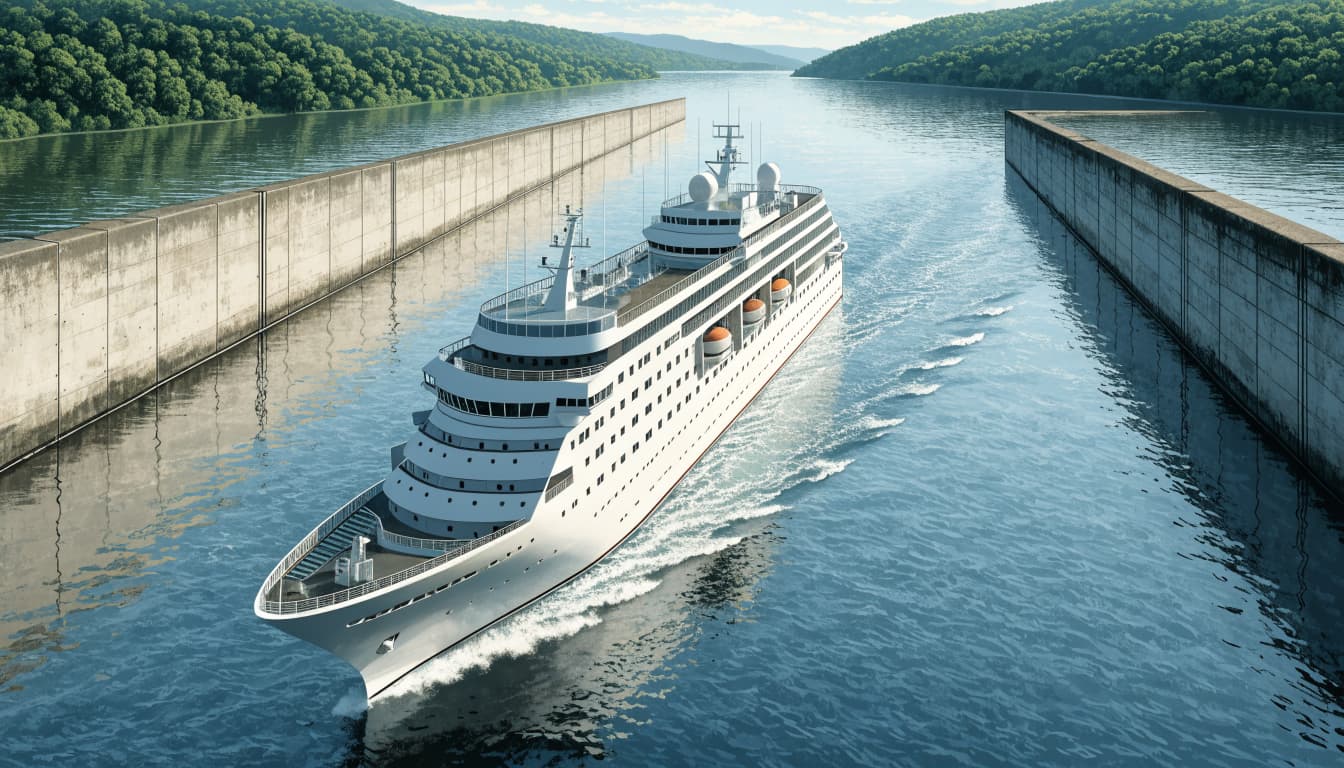
Canals can connect regions without requiring a ship to sail around an entire continent. They can also be memorable parts of the journey, but access depends on the vessel and the conditions of the passage.

Fitting the Ship and the Schedule

A ship must meet a canal's applicable requirements, and the cruise line must arrange a transit within the itinerary. Vessel dimensions, operating restrictions and available transit times can all affect the plan.

A canal passage takes time within the voyage, too. Planners must account for the transit itself and the sea days and port calls on either side.

When a Route Changes

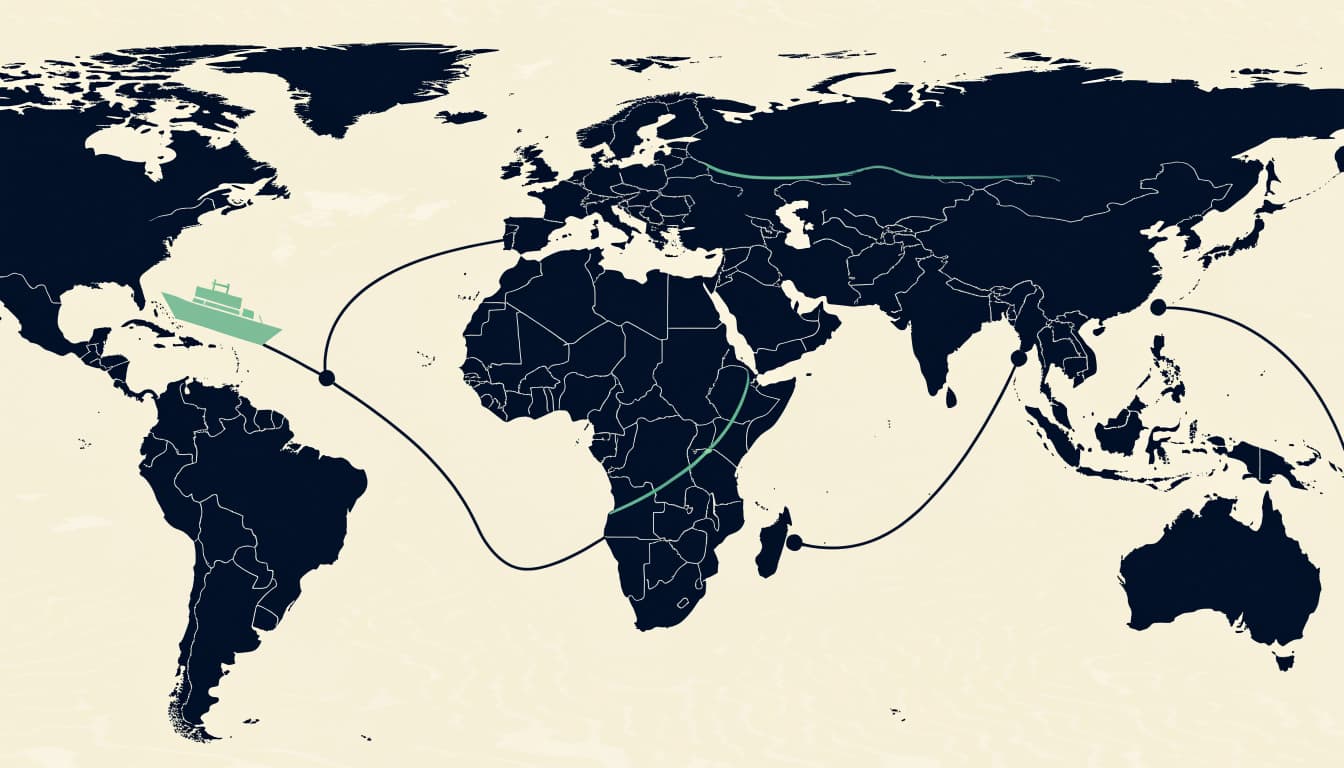
The Panama Canal connects the Atlantic and Pacific oceans, while the Suez Canal connects the Mediterranean Sea and the Red Sea. A ship that can't use a planned passage may need a substantially different route.

For example, sailing around southern Africa instead of using the Suez Canal changes the sequence of ports and can require more time at sea. Weather, security concerns and operational conditions can all lead to changes.

Seabourn's announced 2027 World Cruise offers an example of how a canal can shape a route: the Miami roundtrip itinerary includes two Panama Canal crossings. Even a published passage remains subject to operational conditions.

Why a Ship Can't Call at Every Port

A destination may look ideal on a map and still be unsuitable for a particular ship. Port planners and cruise lines must match the vessel to available facilities and operating conditions.

Berths, Depth and Capacity

A port needs enough water depth and a suitable berth for the ship, or an appropriate place for it to anchor. Berth availability matters as well. If other vessels have already reserved the space, a cruise line may need a different date or destination.

Larger ships can bring more passengers ashore, but their size may limit access to some harbors. A smaller ship may have more options at certain ports, although it still faces scheduling and weather restrictions.

Tendering Changes the Experience

When a ship anchors offshore, passengers may travel ashore in smaller boats called tenders. Tendering can make a call possible where docking isn't practical, but it adds travel and waiting time.

Sea conditions can interrupt tender service or prevent it altogether. For travelers with mobility concerns, boarding a tender can also be more demanding than walking down a gangway. A port listed on an itinerary is worth considering alongside the way you'll reach shore.

Time in Port Matters More Than the Count

Princess's announced 2028 world cruise lists 49 destinations across 24 countries and five continents. That breadth gives travelers many places to anticipate, but the number alone doesn't describe any individual day ashore.

Arrival and departure times tell you more. A full day can make a longer excursion practical, while a shorter call may leave time for one activity near the port. An overnight stay can open up an evening performance or a less rushed visit to a city farther away.

The advertised destination may also be some distance from the berth. Civitavecchia, for example, is a gateway to Rome. Travel time in both directions reduces the hours available in the city, even when the itinerary lists a full port day.

Look at the rhythm around each stop as well. Several long excursions in consecutive ports can be rewarding, but they can also leave you tired. Our guide to evaluating ports and sea days offers more ways to judge that balance.

Where the Voyage Starts and Ends

A departure port needs more than a place for the ship to dock. It must support passengers joining the voyage, luggage handling, supplies and the practical work of preparing the ship for its next journey.

Some ports also act as turnaround points during a longer cruise. Travelers finishing one segment leave the ship, while others board for the next part of the route.

Roundtrip Voyages

Returning to the departure city can make flight planning simpler, especially if you can book a roundtrip ticket. It may also be convenient if family or friends are helping with your departure and return.

Crown Princess was scheduled to sail a 114-day world cruise roundtrip from Sydney in 2026. That structure gives travelers the same starting and ending city, although it doesn't mean every part of the route repeats.

Different Starting and Ending Cities

An itinerary that finishes elsewhere can avoid retracing part of the journey. Viking Vesta's announced world voyage, for example, departs Fort Lauderdale on December 28, 2027, and arrives in London on May 18, 2028.

For travelers, different endpoints can mean separate flight arrangements and hotel nights in two cities. Our guide to choosing an embarkation port explores how those logistics affect the overall trip.

Compare Routes by the Way You'll Travel

Start with the places you most want to experience, then look at how the itinerary reaches them. A route with fewer destinations may be more appealing if it offers longer stays in the ports that matter to you.

Next, consider the stretches between those calls. If you enjoy unhurried days on board, a long crossing may be a highlight. If you prefer frequent time ashore, a port-intensive segment may suit you better than a full voyage.

Also consider the cost of experiencing the route. Flights, transfers and excursions can vary considerably between itineraries, even when the advertised fares look similar. A distant gateway city or a series of organized tours may add more to your budget than you expect.

If you'd like help weighing destinations, ship style and travel days, Schedule a Consultation with us. You can also Subscribe to Our YouTube Channel for more world cruise planning ideas.

Choose the Journey, Not Only the Map

A world cruise itinerary is a balance of distance, available ports and time. Each decision affects what happens elsewhere on the voyage, including the days you spend at sea.

The right route gives you enough time in the places you care about and a pace you can enjoy for months. When you look beyond the port count, the journey between destinations becomes part of the choice.

Recent Posts

By World Cruise by Design • November 26, 2026
A premium world cruise generally offers a lower starting fare and more choice over what you add, while a luxury voyage often bundles more services into a higher price. The right choice depends on what you'll use and how you want to live aboard for months. The total cost matter...
By World Cruise by Design • November 25, 2026
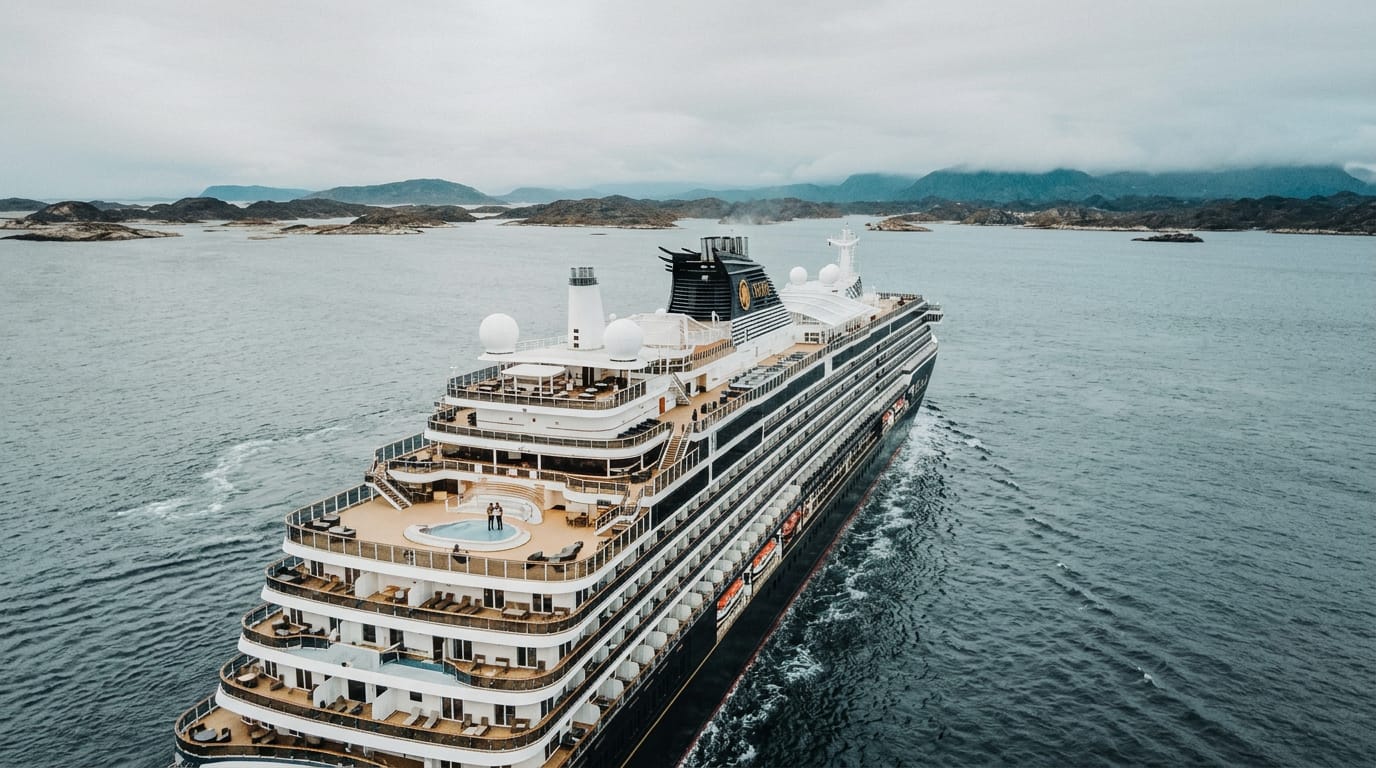
A good world cruise plan starts with five priorities you both agree on: budget, trip length, itinerary, cabin comfort, and daily life aboard. You don't need identical tastes, but you do need a shared definition of a good trip before comparing sailings. One of you may care most...
By World Cruise by Design • November 24, 2026
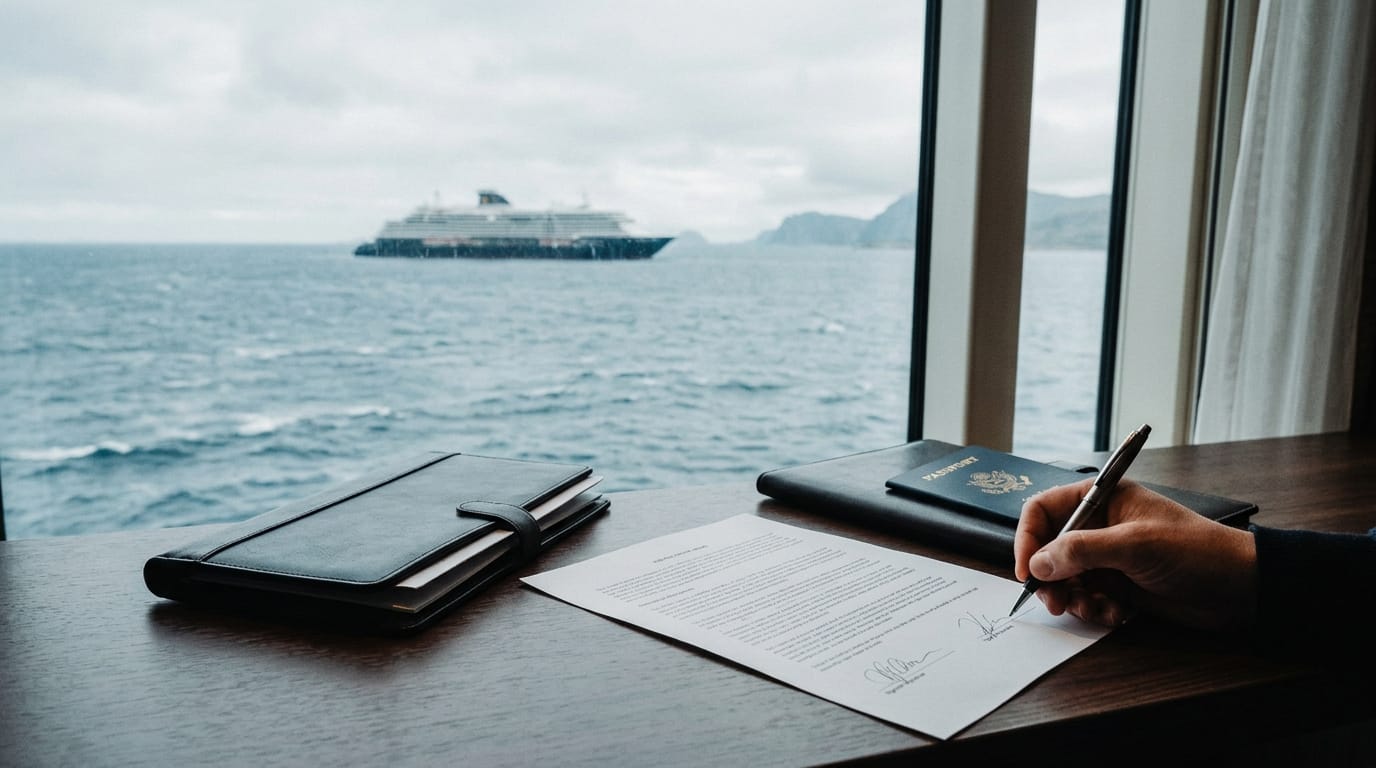
Yes, you can arrange power of attorney before a world cruise, and doing so can help someone handle matters at home while you're away. Complete the documents while you have the legal capacity to grant authority, with advice suited to your state or province. A months-long voyage...
By World Cruise by Design • November 23, 2026
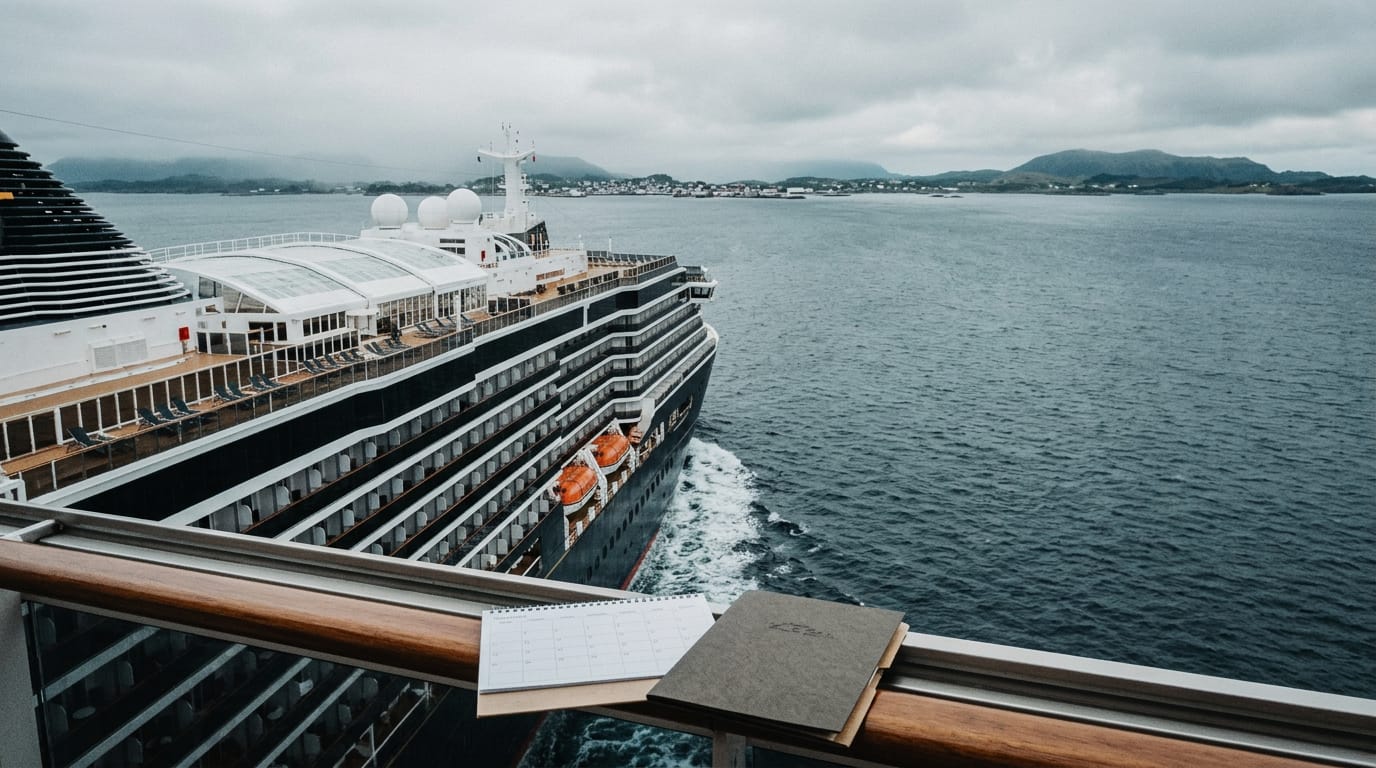
A world cruise generally doesn't end your U.S. federal tax filing obligations or your home state's claim that you're a resident. For most travelers, several months aboard are a temporary absence , even when the itinerary circles the globe. The bigger questions arise if you're...
By World Cruise by Design • November 22, 2026
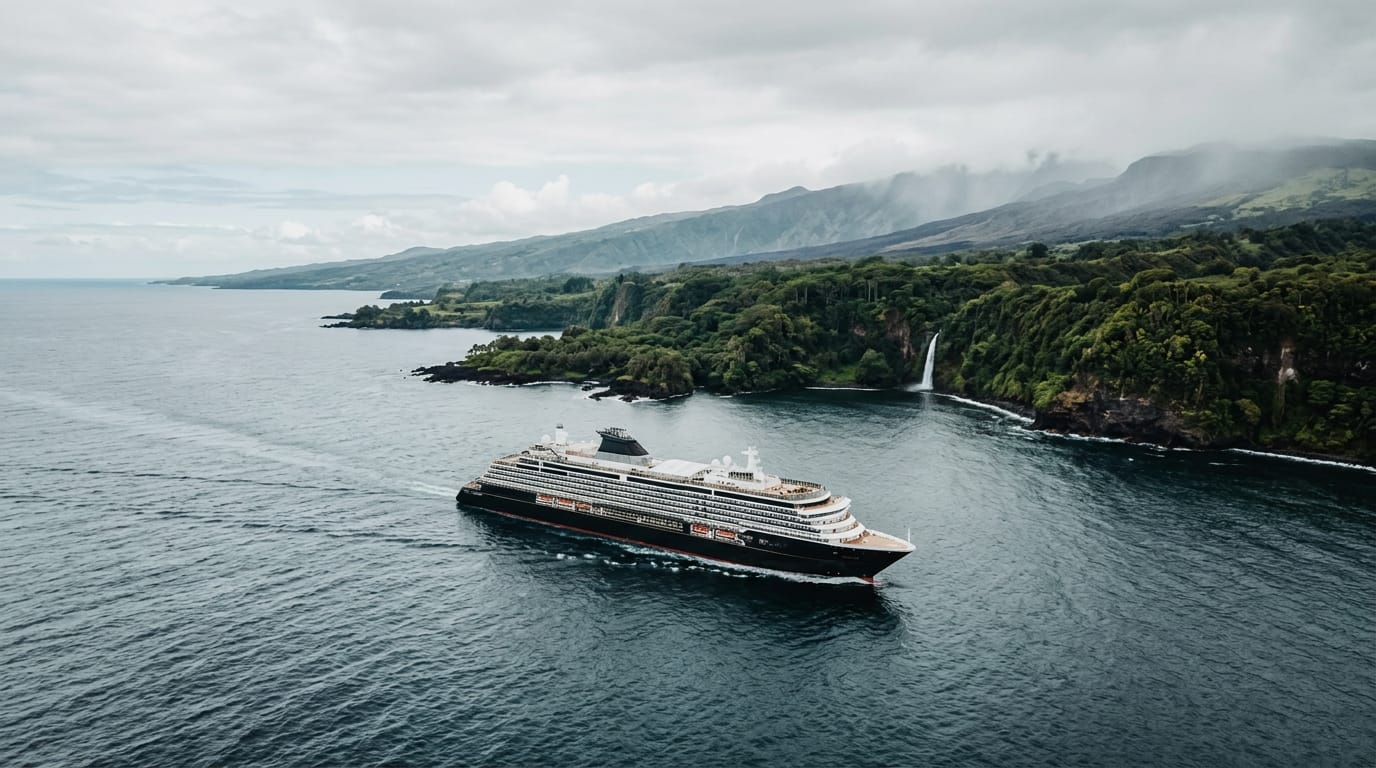
A cruise calling at Honolulu and Hilo gives you two different Hawaiian experiences: Oahu's capital-city sights and beaches, followed by the Big Island's waterfalls and volcanic terrain. A short visit can deliver a rewarding introduction to each, provided you choose one main pr...
By World Cruise by Design • November 21, 2026
Yes, U.S. citizens can vote absentee while traveling on a world cruise, but the rules of their state or territory of voting residence control the process. Start before sailing: request your ballot early, choose a return method your state accepts, and allow extra time for mail...
By World Cruise by Design • November 20, 2026
A cruise land extension is worth the added cost when it gives you meaningful time in a destination, takes pressure off embarkation day, or makes a long journey easier to manage. For a world cruise, the decision matters because flights, hotels, transfers, and extra days ashore...
By World Cruise by Design • November 19, 2026
You can sometimes get a world cruise price adjustment after booking, but a lower advertised fare doesn't automatically change your reservation. Your options depend on the cruise line's terms, your fare type, the promotion, and when you request the change. For a voyage lasting...
By World Cruise by Design • November 18, 2026
Yes, credit card rewards can help pay for a world cruise by reducing the fare, covering flights, or offsetting eligible expenses. For most travelers, though, rewards will cover part of the trip , with cash paying the balance. The right choice depends on where your points have...
By World Cruise by Design • November 17, 2026
A cabin problem during a world cruise starts with a report to the ship's crew. Give them a clear description of what's wrong, explain how it affects your stay, and mention any safety or medical concerns. Over a voyage that can last more than 100 nights, your cabin is much more...
Show More