What Happens If You Miss Your Ship in Port?
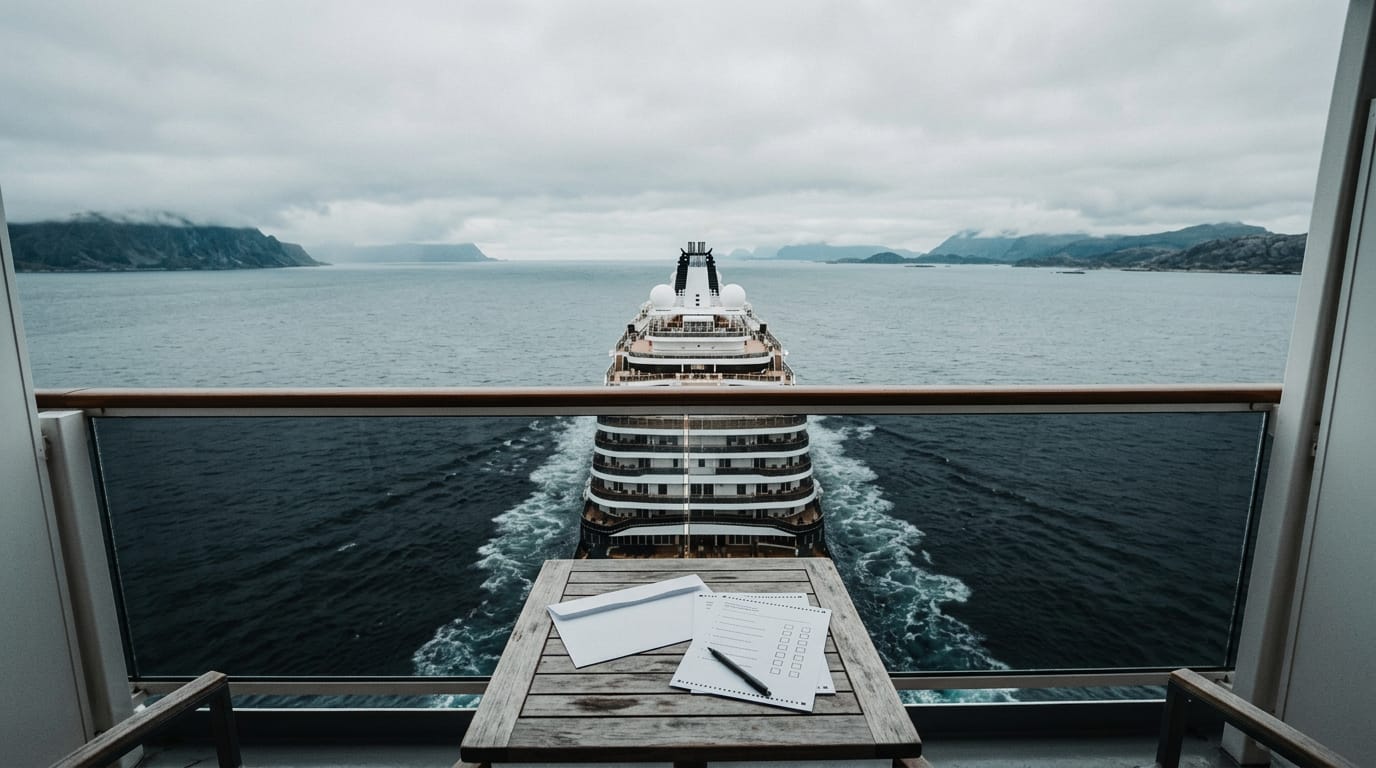
If you miss your ship during a world cruise, the vessel may leave without you. You'll need to contact the cruise line, arrange a way to catch up, and potentially pay for transportation and lodging yourself.
A ship-booked excursion or travel insurance may help in certain circumstances, but neither guarantees that every expense will be covered. The first priority is getting in touch with the ship and finding out where you can rejoin it.
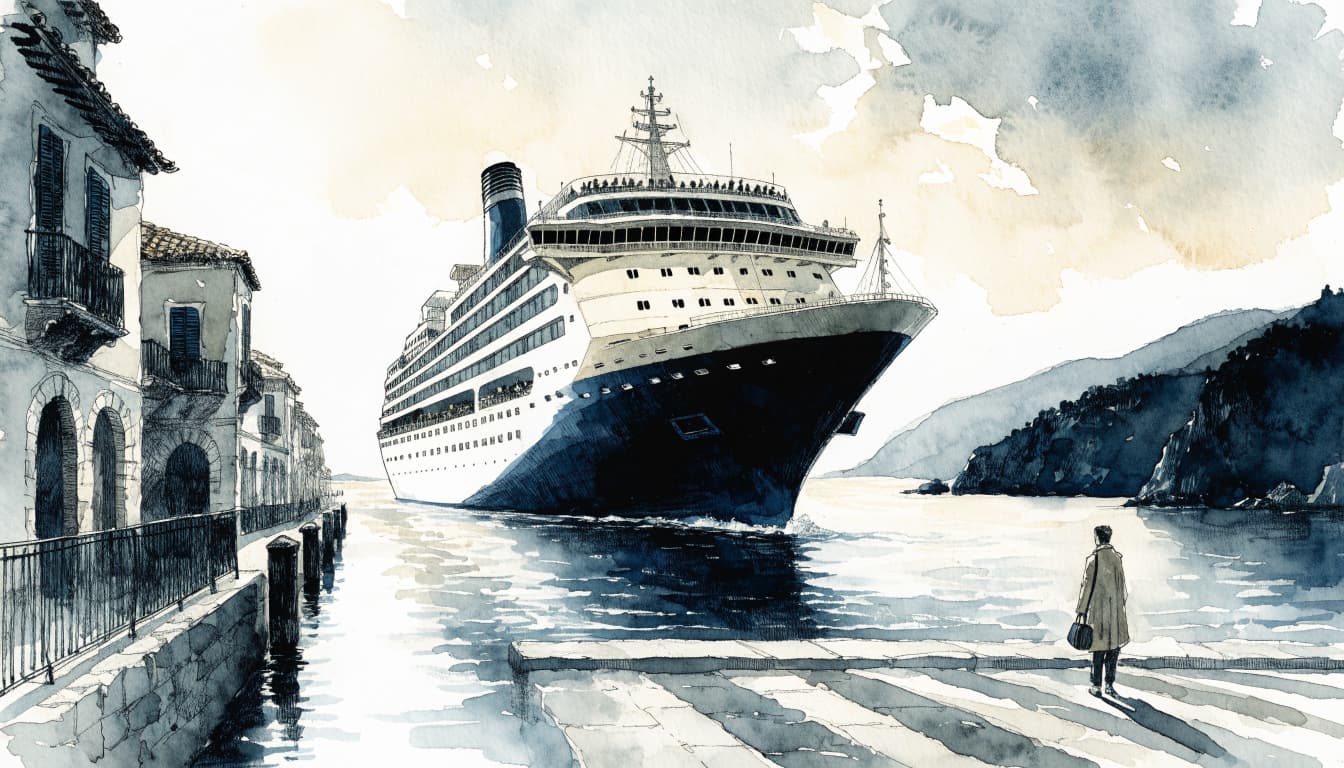
What Happens When Your Cruise Ship Leaves Without You?
Cruise ships have scheduled departures and may be unable to wait for individual passengers. Port rules, tides, weather, and the next scheduled arrival can all affect how long a vessel remains at the dock.
If you're running late, contact the ship immediately rather than assuming it will wait. Even if you can see the vessel at the pier, boarding may have closed.
Once the ship departs, the cruise line can help determine your options. Rejoining at a later port is sometimes possible, but it's subject to permission, travel arrangements, and local entry rules. A world cruise can make that process more complicated because the next stop may be in another country or several sea days away.
Your cabin and belongings will generally remain aboard while you arrange your next steps. You'll still need to find out how to retrieve any essentials you left behind.
What to Do Immediately If You're Left Ashore
Contact the ship or cruise line
Call the ship using the contact information in your daily program or cruise documents. If you can't reach someone onboard, call the cruise line's emergency number and explain that you've missed departure during a port call.
Have your name, ship, sailing details, and location ready. Tell the representative whether you're alone or traveling with someone, and explain if you need medication, mobility assistance, or urgent medical care.
Give the line a number where it can reach you. If your phone isn't working, ask your tour operator, a hotel, or the port agent for help placing the call.
Find the local port agent
The port agent is a local representative who assists the ship during its visit. The agent may be able to contact the vessel, help with local arrangements, and tell you whether the crew left any belongings ashore for you.
Contact details may appear in the ship's daily program. If you don't have it, ask the cruise line or terminal staff to connect you. Stay at the terminal or another agreed meeting point until you know where to go.
If you're injured or otherwise unsafe, seek local emergency assistance first. Then contact the cruise line as soon as you're able.
Where Are Your Passport and Belongings?
The port agent may have your passport
Cruise Critic reports that crew members often leave a missing passenger's passport, phone, or medication with the port agent. That's helpful when it happens, but it's not guaranteed .
Tell the cruise line what you left in your cabin and ask whether anything was brought ashore. Don't assume you can return to the vessel to collect it after boarding has closed.
If your passport remains onboard, the line and port agent can discuss the available options. Your embassy or consulate may also be able to assist with emergency travel documents, depending on your citizenship and circumstances.
Make a plan for medication and other essentials
A delay can last longer than one night. If your medication is on the ship, explain that immediately and seek local medical help if needed. A prescription copy or medication list can help a clinician understand what you take, although it doesn't guarantee a replacement.
Keep receipts for essential purchases. Also record who assisted you and any instructions you receive, since that information may help with an insurance claim.
Can You Rejoin a World Cruise at a Later Port?
Often, catching up is possible, but the next port on the itinerary isn't automatically the best or permitted place to board. Work with the cruise line before purchasing a nonrefundable ticket.
Choose a port with the cruise line
The line can identify a practical reboarding point based on its schedule and local requirements. A port farther along the route may be more realistic if the ship has several sea days ahead or the nearest stop has limited flights.
Itinerary changes can affect the plan, too. Weather or operational issues may cause the ship to skip a port or arrive at a different time. Ask for the agreed reboarding arrangements in writing before you commit to travel.
Until you're back aboard, keep the line informed about your itinerary and a working contact number.
Allow for flights, visas, and transfers
You may need a flight, an overnight hotel, and a transfer to the terminal. In remote regions, connections may be limited, so catching up can take longer than the distance suggests.
Entry rules can also change when you arrive by air instead of by ship. Your nationality, connecting airports, and whether you leave the airport can affect the documents you need. Our guide to world cruise visa requirements by port explains why one authorization may not cover every part of the journey.
If reboarding isn't feasible, discuss travel home and the status of the remaining voyage with the cruise line.
Who Pays When You Miss the Ship?
If you miss departure while traveling independently, you may be responsible for the cost of catching up. The amount depends on where you are, how quickly you can travel, and how much of the route requires flights.
Expenses can include:
- Last-minute airfare and airport transfers.
- Hotel stays and meals while you wait for a connection.
- Replacement documents, medication, or essential clothing.
- Transportation to the new cruise terminal.
You may also lose the value of prepaid excursions or other arrangements during the days you're away from the ship. Whether any expense is reimbursed depends on the cruise contract, the reason for the delay, and any applicable insurance.
Cruise-line assistance and cruise-line payment are different things. A representative may help coordinate a route without covering its cost. For a long itinerary, it's sensible to keep access to a payment method with enough room for unexpected travel.
Does a Cruise-Line Excursion Protect You?
A shore excursion booked through the cruise line may offer more support if the tour returns late. The exact arrangement depends on the operator and the excursion terms.
Royal Caribbean provides one clear example. Its shore excursion FAQ says the ship will wait for a delayed Royal Caribbean excursion. If the delay is significant and the ship can't wait, the company says it will arrange the guest's return at no expense.
That is Royal Caribbean's stated policy, not a promise for every line or every tour. A private guide who meets you at the pier is not necessarily operating a cruise-line excursion.
Independent tours can offer more flexibility, but you take on more responsibility for getting back on time. Build a generous margin for traffic and long distances, especially when the attraction is far from the port. At tender ports, leave time for the boat ride back to the ship as well.
Will Travel Insurance Cover a Missed Ship?
Travel insurance may cover additional costs when a delay or interruption meets the policy's conditions. Missing the ship because you returned late does not automatically qualify.
Missed connections and trip interruption
A missed-connection benefit can require a minimum delay and a named cause. For example, World Nomads says its U.S. Explorer and Epic plans include missed-connection coverage for certain delays exceeding three consecutive hours. The stated maximums are $3,000 for Explorer and $5,000 for Epic.
That benefit concerns a qualifying delay that causes a missed scheduled cruise departure. It shouldn't be assumed to cover a passenger who returns late from a port visit.
Trip interruption benefits have their own covered reasons and limits. For a long voyage, the policy also needs to accommodate the full trip length and the prepaid costs you want insured, including eligible flights and hotels booked separately.
A missed port is a different benefit
A policy's "missed port of call" benefit can refer to the ship skipping a scheduled stop , rather than a passenger missing the ship.
For example, AXA Cruise Explorer lists a missed-port benefit with a six-hour minimum delay and a $500 maximum. That wording doesn't make it protection against being left ashore.
Keep receipts and written evidence of the cause of a delay. Our guide to world cruise insurance coverage covers the other limits that matter on a months-long trip.
How to Reduce the Risk Before a Port Day
The ship's all-aboard time is the deadline that matters. It may be earlier than the advertised departure, and the ship may use a different time from the one displayed on your phone. Follow the time communicated onboard.
Save the ship's contact number and the local port agent's details before going ashore. Carry your cruise card, a payment method, and enough essential medication for an unexpected delay. Keep passport and prescription copies accessible, while recognizing that a copy isn't a substitute for a travel document.
When choosing an itinerary, look at the length of each visit, not only the destination names. Our first-time world cruise planning guide explains how short calls and stretches at sea can shape your plans.
For more planning discussions, you can Subscribe to Our YouTube Channel.
Plan for the Unexpected Before You Sail
A missed departure doesn't always end a world cruise, but catching up can take time and money. Contact the ship first, then work with the line and port agent on a safe, practical reboarding plan.
Before booking, consider how much independent touring you want and what support matters to you. You can Schedule a Consultation to discuss an itinerary and the practical arrangements around it.
Recent Posts