World Cruise Packing List for Every Climate
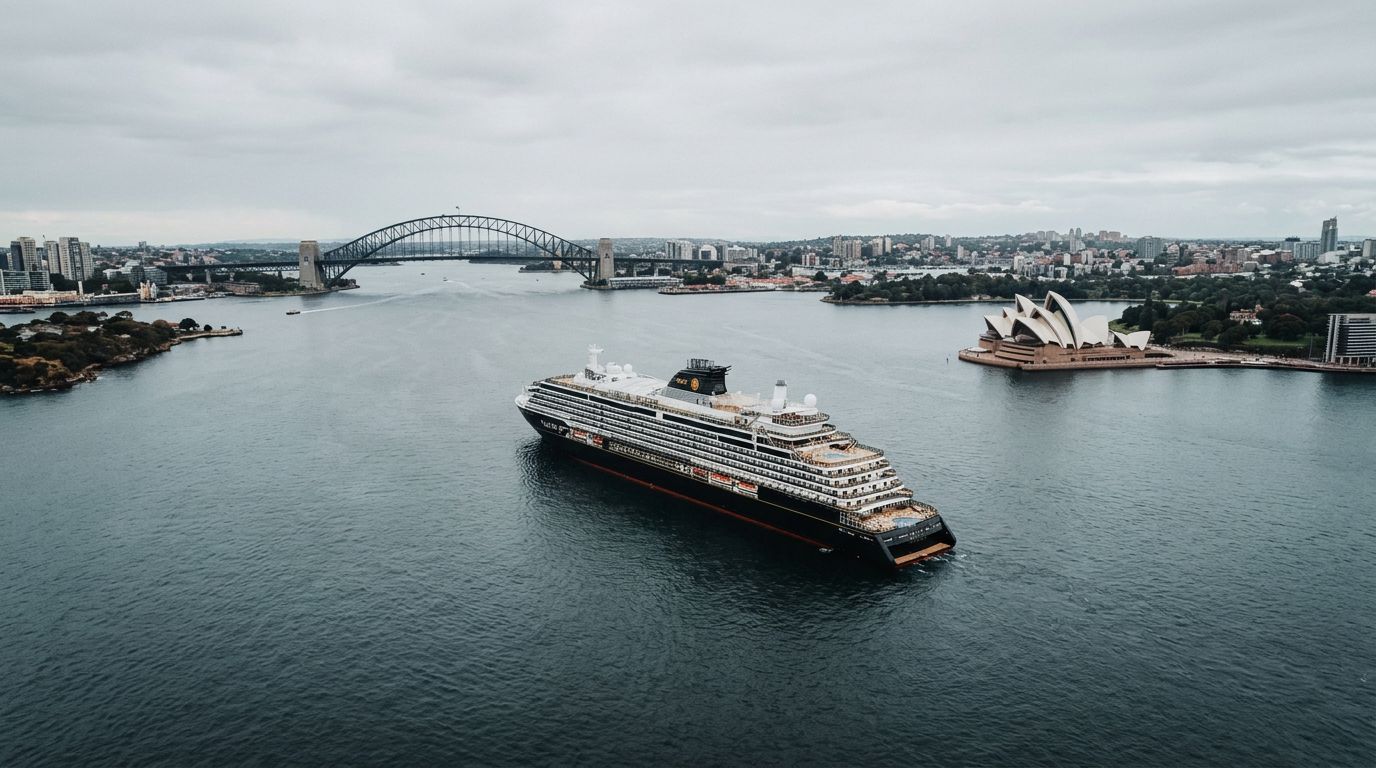
A good world cruise packing list has to cover humid afternoons, cool sea days, rainy ports, and formal dinners without filling every suitcase. The answer is a compact wardrobe built around layers, repeatable outfits, and clothing that dries easily.
You don't need separate clothes for every country on the itinerary. You need a practical system that adjusts to changing weather, onboard dress codes, laundry access, and limited cabin storage. Start with the route, then build your bags around the conditions you'll actually face.
Build your packing plan around the route
A world cruise can cross several climate zones during one voyage. The same week might include tropical humidity, strong wind on deck, and a cool morning in port. Packing by destination alone often creates duplicate items that only work once.
Instead, divide the itinerary into broad climate patterns. Mark each port as warm and humid, warm and dry, cool and wet, or cold. Add a note for special needs such as hiking, snorkeling, religious sites, formal evenings, or long walking days.
Check seasonal conditions, not only departure weather
Look at typical seasonal conditions for each region, then review the forecast closer to departure. Long-range averages help you choose clothing, but they can't predict every rainy day or cold front.
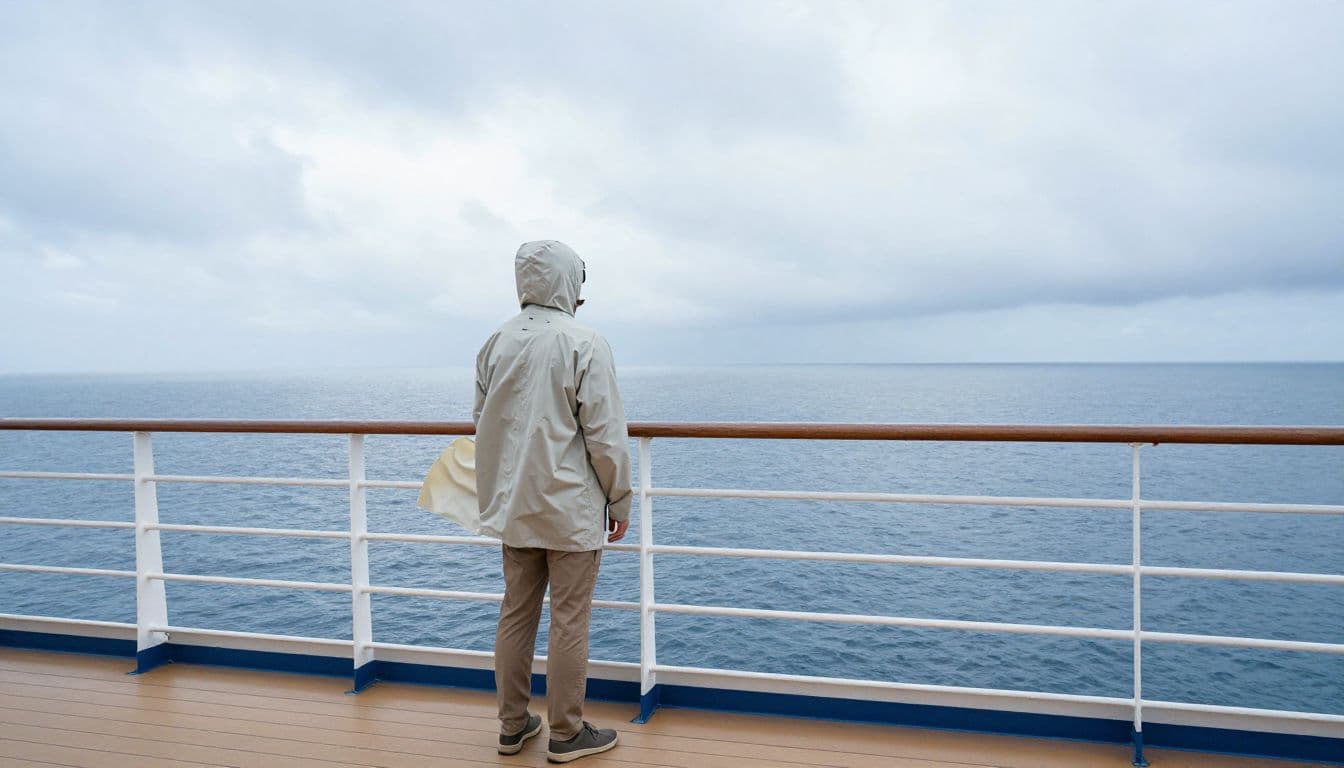
Wind deserves attention because a sunny day at sea can feel cool. Ports with warm daytime temperatures may also have chilly mornings, heavy rain, or strong air conditioning indoors. A light sweater and rain shell often earn more space than a second pair of shorts.
Keep a small route chart on your phone or in your travel folder with:
- The expected climate for each section of the voyage.
- Excursion types that require specific clothing.
- Formal or special dining nights listed by the cruise line.
- Any destination-specific clothing expectations.
- Laundry plans for each longer stretch at sea.
Use layers as your capsule wardrobe
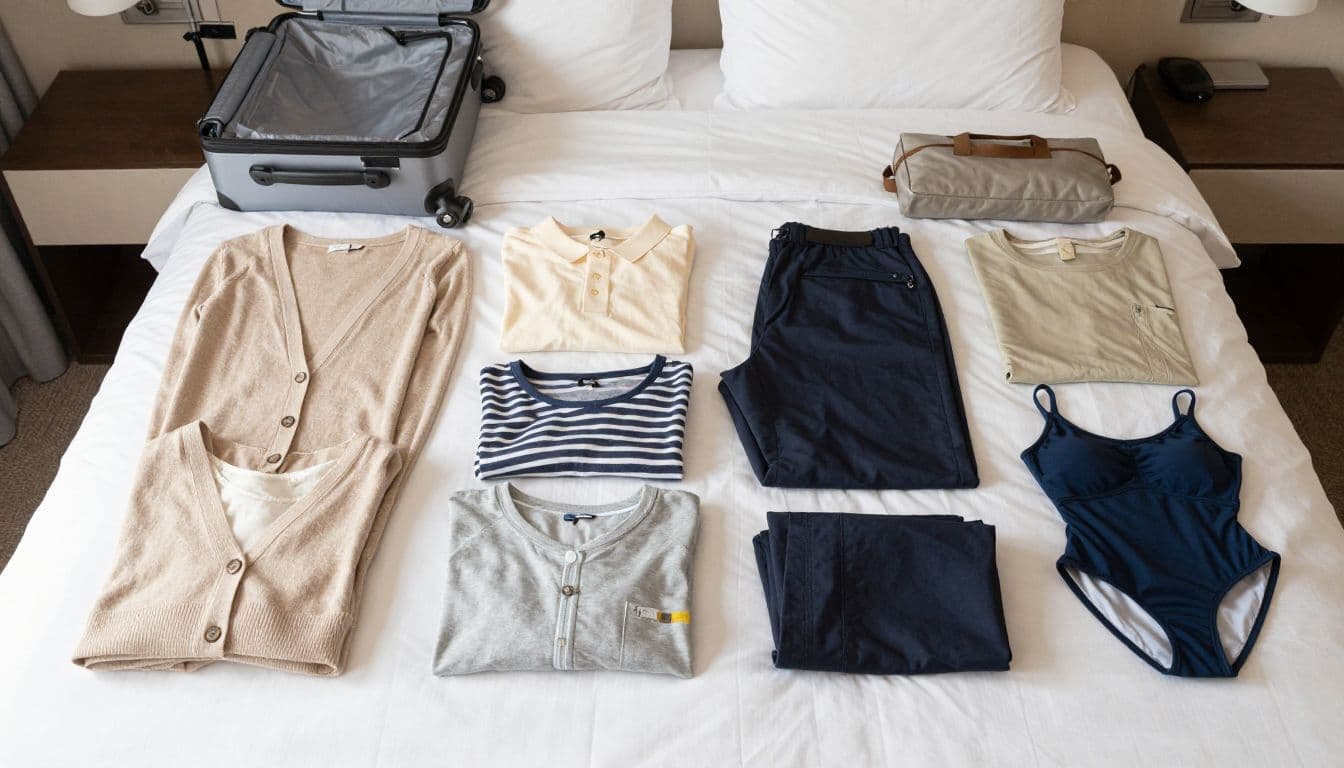
A reliable capsule wardrobe has three levels: a breathable base layer, a comfortable middle layer, and a protective outer layer. You can wear the first layer alone in a hot port, add a cardigan in an air-conditioned venue, and use a rain shell on a windy deck.
Choose colors that coordinate easily. Black, navy, khaki, cream, gray, and denim create more combinations than a suitcase full of single-purpose outfits. Patterns are fine, but limit them to a few pieces that work with the rest.
If a garment works in only one temperature range, it should also solve a clear dress-code or activity need before it earns space.
Choose the must-have clothing first
Start with clothes you can wear several times before adding special-purpose items. The quantities below suit a long cruise with regular laundry, but adjust them if you prefer more frequent outfit changes or plan to use ship laundry services.
| Category | Suggested quantity | Practical choice |
|---|---|---|
| Everyday tops | 8 to 10 | Mix short sleeves, long sleeves, and quick-drying fabrics |
| Bottoms | 4 to 5 | Include trousers, skirts, shorts, or lightweight travel pants |
| Dresses or jumpsuits | 2 | Choose one casual and one that can work for dinner |
| Mid-layers | 2 to 3 | Cardigan, light sweater, fleece, or overshirt |
| Rain protection | 1 | Packable rain shell with a hood |
| Warm layer | 1 | Compact insulated jacket for cold ports |
| Swimwear | 2 | Rotate while one suit dries |
| Sleepwear | 2 sets | Choose lightweight, washable fabrics |
| Underwear | 10 to 14 pairs | Match the amount of laundry you expect to do |
| Socks | 8 to 10 pairs | Include comfortable walking socks |
| Sun protection | 1 each | Hat and sunglasses |
Must-have pieces that repeat well
Pack tops with different sleeve lengths and fabrics. Four or five breathable short-sleeve shirts can handle tropical days, while two long-sleeve shirts protect you from sun and cooler air conditioning.
For bottoms, select pieces with different uses. A pair of lightweight trousers works for flights, city touring, and dinner. Shorts suit hot ports, while one skirt or casual dress adds variety without requiring another full outfit.
Include one comfortable pair of jeans only if you wear them often. Denim takes longer to dry and can feel heavy in humid weather. Travel trousers, ponte pants, or lightweight cotton blends are often easier to wash and rewear.
Underwear and socks deserve a realistic quantity because they affect laundry timing. Pack enough for roughly one week, or closer to two weeks if you dislike sink washing. Two sleepwear sets also help when one set is drying.
Optional pieces for your itinerary
Optional clothing should match a known need rather than a vague possibility. A second swimsuit makes sense for frequent pool days. A packable vest helps if your route includes cold mornings but not extended winter conditions.
Consider adding:
- Lightweight rain pants for long, wet walking excursions.
- A rash guard for snorkeling, kayaking, or strong sun.
- A second casual dress if you enjoy dressing for dinner.
- A sarong or large scarf for beaches and modesty requirements.
- Thermal base layers for genuinely cold or expedition-style routes.
- A swimsuit cover-up that can double as a casual dress.
Skip duplicate hoodies, bulky robes, and clothes you keep "in case" you attend an activity you don't normally enjoy. Cruise shops and port stores may sell basics, but specialty sizes and familiar brands aren't guaranteed.
Pack for hot, cool, and cold climates
The best world cruise packing list changes slightly according to the coldest and wettest parts of the itinerary. Build the core wardrobe first, then add a small climate kit for the most demanding region.
Hot and humid ports
Breathable fabrics make tropical days easier. Lightweight cotton, linen blends, technical travel shirts, and moisture-wicking athletic fabrics are useful choices. Loose cuts allow airflow and remain comfortable during long shore days.
Pack a sun hat with a secure fit, sunglasses, sunscreen, and a refillable water bottle. A long-sleeve shirt and lightweight trousers can provide useful sun coverage without the weight of a jacket.
Some destinations expect visitors to cover shoulders or knees at religious and cultural sites. A scarf, long skirt, or loose trousers can solve that problem without creating a separate outfit.
Keep one dry set of clothing available after a humid excursion. Quick-drying fabrics help, but they still need time to air out in a small cabin.
Cool, wet, and windy days
A three-layer combination handles most unsettled weather:
- A breathable base shirt.
- A cardigan, fleece, or light sweater.
- A hooded rain shell that blocks wind and rain.
Choose an outer shell that folds into your day bag. A compact umbrella can help in cities, but wind often makes a hood more useful on exposed decks. Pack a small scarf or neck gaiter for chilly mornings and air-conditioned lounges.
Cold ports and possible snow
If the itinerary includes northern ports, high-altitude excursions, or subantarctic waters, add insulation rather than several heavy sweaters. A packable insulated jacket, warm hat, thin gloves, and wool-blend socks take less space than a thick coat.
For an expedition segment, read the operator's equipment guidance before you pack. Some voyages provide outer layers or boots, while others specify the clothing passengers must bring. Treat those instructions as separate from a standard resort-style cruise wardrobe.
Cold-weather accessories are easy to overlook because they may not be needed until late in the voyage. Keep them together in a labeled cube so they don't occupy daily packing space.
Plan formal nights without overpacking
Formal nights can create the biggest packing mistake. Many travelers bring several complete evening outfits, then wear the same comfortable combination repeatedly. A better approach uses one polished base outfit with interchangeable accessories.
Must-have formal options
Choose one main outfit that fits your personal style and the cruise line's current dress guidance. Options include:
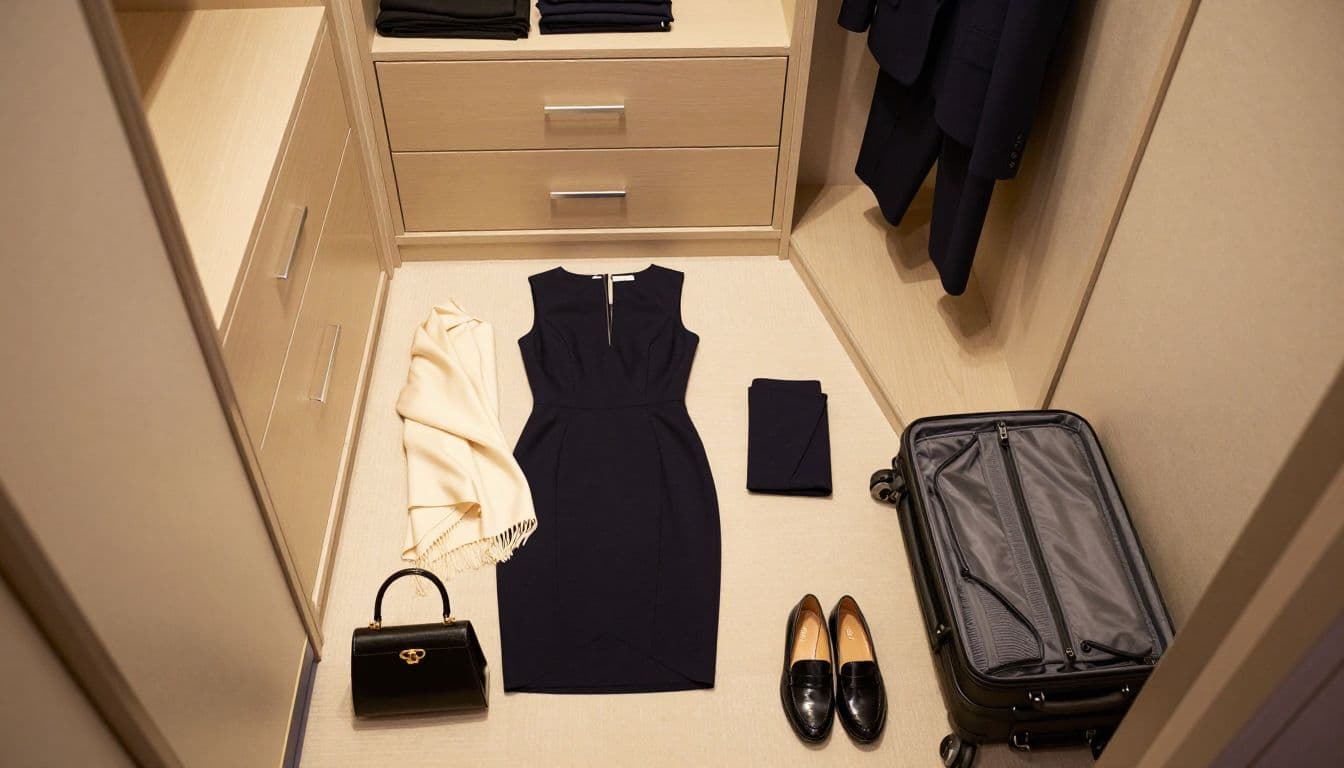
- A dark dress or jumpsuit with a shawl or jacket.
- A dark suit with two shirts and one tie.
- Dark trousers with a dress shirt and tailored jacket.
- A simple evening outfit with polished flats or loafers.
Select fabrics that resist wrinkles and don't require complicated care. A dark color hides small marks and works with different accessories. If you prefer separates, make sure the jacket also works with daytime trousers or a casual dress.
Pack one pair of evening shoes that you can wear comfortably for several hours. High heels are optional, not essential. Polished flats, loafers, low block heels, or dress shoes are more useful for walking between venues.
Optional formal accessories
Accessories create variety without adding another outfit. A second shirt, scarf, necklace, pocket square, or pair of earrings can change the look of the same base pieces.
A compact evening bag is useful if your everyday daypack feels too casual. Choose one that holds your phone, room key, glasses, and essentials. A foldable garment bag can protect one delicate outfit, but it isn't necessary for wrinkle-resistant clothing.
Read the cruise line's current dress code before sailing. Terms such as formal, elegant, gala, smart casual, and resort casual can have different meanings. Dining room rules may differ from theater, buffet, pool, and outdoor areas, so plan an outfit that gives you a comfortable alternative if you skip a formal venue.
Dress for shore excursions and port days
Shore days usually demand more practical clothing than onboard evenings. Your outfit needs to cope with uneven pavement, long transfers, weather changes, and local expectations.
City walking and cultural visits
Wear supportive walking shoes that you have already broken in. New shoes can cause problems before lunch, especially on cobblestones or long guided tours.
Lightweight trousers, a breathable top, and a packable layer work in many cities. Add a scarf or overshirt when you need extra coverage. Avoid clothing that requires constant adjustment, delicate fabrics, or large dangling accessories.
A small crossbody bag or daypack should hold water, sunscreen, medications, a phone, and a light layer. Choose a secure closure and keep important documents separate from items you use frequently.
Pack one compact tote for purchases or an extra clothing layer. It can also hold wet swimwear after a beach visit, but place the wet items in a waterproof pouch first.
Active, beach, and water excursions
Check the activity description before choosing your outfit. A beach transfer may need sandals and swimwear, while a nature walk may call for closed shoes, long trousers, and insect protection.
Must-have activity items usually include comfortable athletic clothing, a swimsuit, a cover-up, and shoes suited to the terrain. Water shoes are optional unless you expect rocky beaches, boat transfers, or activities that require them.
A dry bag or waterproof phone pouch is useful for kayaking and boat excursions. However, don't carry expensive electronics unless the activity requires them. Keep a spare shirt and underwear in your day bag for excursions where swimming or heavy rain is likely.
Pack a thin layer even for warm-weather outings. Boats, coaches, and museums can be cold after hours outside.
Organize health, toiletries, and technology
Long voyages reward careful planning in the small items category. Replacing a forgotten medication or a specialized toiletry can be harder at sea than replacing a T-shirt.
Must-have documents and health supplies
Keep travel documents in your personal carry-on, not in checked luggage. Carry your passport, cruise documents, visas or entry paperwork when required, travel insurance details, emergency contacts, and copies of important records.
Policies vary by destination and nationality, so confirm entry requirements for every country on your itinerary. Keep digital copies in a secure account, but carry accessible offline copies in case you can't connect.
Bring prescription medication in its original labeled packaging, along with enough supply for the planned trip and an appropriate backup if your clinician recommends one. Store medication in your cabin carry-on, not in a suitcase that may arrive later.
Your personal health kit can include:
- Prescription and common over-the-counter medicines you already use.
- Motion-sickness treatment recommended for you.
- Spare glasses or contact lenses with supplies.
- Basic blister care for walking days.
- Sunscreen and insect repellent suited to your route.
- Any medical devices, chargers, or written instructions you need.
Don't assume the ship's medical center or port pharmacies will stock your preferred product.
Toiletries, electronics, and small comforts
Cruise cabins may provide basic toiletries, but pack the products you need for skin, hair, and personal care. Use leakproof containers and group liquids in a clear pouch for easier inspection during travel.
A two-port USB-C charger, charging cables, and a small power bank can reduce clutter. Bring a plug adapter that matches the countries and ship requirements on your itinerary. Check the line's current policy before packing power strips, heating appliances, or electrical devices.
Useful comfort items include an eye mask, earplugs, a compact reading light, and a reusable laundry bag. A small sewing kit can handle a loose button, while stain-removal wipes help before your next laundry day.
Avoid packing every bathroom product in full size. Decant what you can, then keep a short list of products you may need to replace during the voyage.
Make laundry and cabin storage part of the plan
Laundry determines how much clothing you need. Before departure, check whether your ship offers self-service machines, paid laundry, pressing, package services, or none of these options. Availability can vary by ship and itinerary.
Must-have laundry supplies
Bring a lightweight laundry bag to separate worn clothing. Travel detergent sheets or a small leakproof container of concentrated detergent can help with sink washing, subject to the cruise line's current rules.
Quick-drying underwear, socks, and tops are especially helpful. Wash small items early, press out excess water with a towel, and hang them where the cabin allows. Don't drape clothing over balcony furniture or obstruct vents and doors.
Plan your wardrobe around a regular cycle instead of waiting until every item is dirty. A practical target is enough underwear and daily clothing for about seven to ten days, then adjust for your laundry access and personal habits.
Use cabin space without creating clutter
Unpack soon after your bags arrive, then store suitcases under the bed if the cabin provides room. Packing cubes keep categories together, but overstuffed cubes make drawers harder to use.
Keep daily items where you can reach them. Store formalwear separately from swimwear, and place cold-weather gear in a less accessible area until the route requires it.
Slim hangers can help, but don't assume the cabin has unlimited closet space. If you bring magnetic hooks, confirm that your line permits them and use them only for light items. Avoid bulky organizers that block doors or reduce walkways.
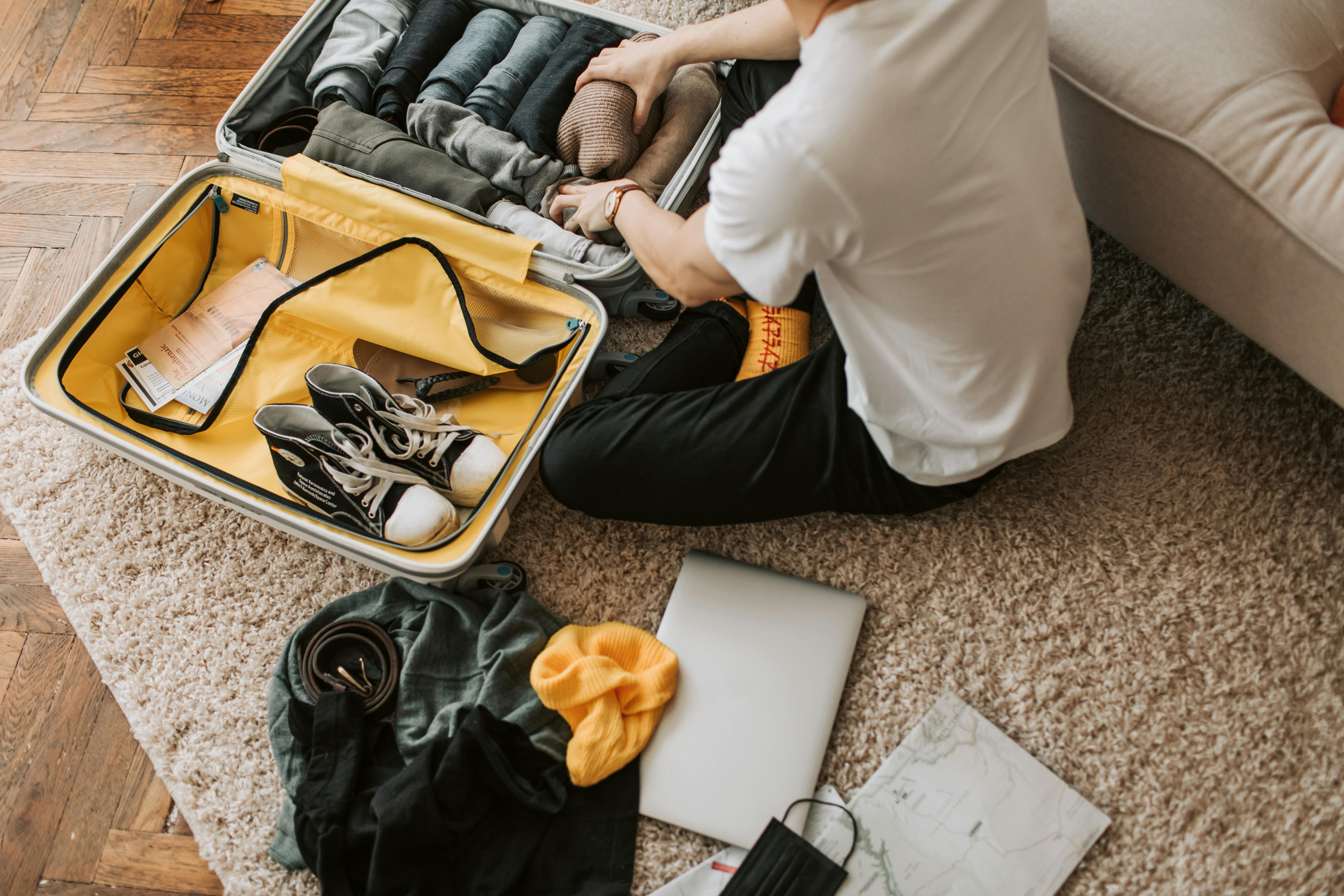
Photo by Vlada Karpovich
Prepare an embarkation-day carry-on
Your main luggage may not reach the cabin immediately after boarding. Pack a small carry-on with everything you need for the first several hours.
Keep these items with you
Place the following in a comfortable personal bag or small carry-on:
- Passport, required entry documents, cruise paperwork, and wallet.
- Prescription medication, glasses, and essential health supplies.
- Phone, charger, power bank, and headphones.
- One change of clothes, underwear, and comfortable shoes.
- Swimwear and a cover-up if you plan to use the pool.
- Basic toiletries, such as toothbrush, medication-safe skincare, and deodorant.
- Valuables, jewelry, cameras, and fragile electronics.
- A pen, reusable water bottle, and empty snack container if permitted.
Wear comfortable travel clothes that can work for boarding, lunch, and a cool ship interior. A cardigan or light jacket is more useful than a bulky coat unless you need the coat for your departure climate.
Label checked luggage carefully
Use durable luggage tags and place an identification card inside every bag. Include your name, mobile number, voyage dates, and an emergency contact, but don't place unnecessary personal information where anyone can see it.
Photograph each suitcase before handing it over. Keep a simple inventory of medication, valuables, and items that would be difficult to replace.
Cruise lines differ in baggage limits, prohibited items, delivery procedures, and rules for electrical equipment or alcohol. Check your specific line's current instructions before departure, and review the airline's requirements separately if you're flying to the port.
The safest carry-on is the bag that lets you manage a delayed suitcase, a missed connection, or a cool first evening without opening your main luggage.
Make the final world cruise packing list
A complete world cruise packing list should be short enough to use during the final packing session. Remove anything that duplicates a layer, serves no planned activity, or depends on a dress code you haven't confirmed.
Before leaving home, check each item below:
- Review the complete itinerary and mark the warmest, wettest, and coldest sections.
- Confirm the cruise line's current baggage and prohibited-item policies.
- Check formal-night guidance and pack one repeatable evening outfit.
- Test every pair of walking shoes before packing.
- Build outfits around coordinated colors and washable layers.
- Pack a hooded rain shell, light sweater, and compact warm jacket.
- Set aside prescription medication, medical records, and spare glasses.
- Verify passport validity, visas, insurance, and destination requirements.
- Prepare a boarding-day carry-on with documents, medicines, chargers, and one change of clothes.
- Put laundry supplies in a leakproof pouch.
- Weigh and measure luggage according to the line and airline instructions.
- Photograph bags and save copies of key documents securely.
- Leave room for purchases, souvenirs, and clothing you may acquire onboard.
Conclusion
Packing for multiple climates becomes manageable when every piece has more than one job. Build around breathable basics, add thin layers for wind and rain, and reserve a small part of the wardrobe for formal evenings and planned excursions.
The strongest world cruise packing list is flexible rather than large. If your clothes can move between port days, sea days, laundry cycles, and dinner venues, you'll spend less time managing luggage and more time enjoying the voyage.
Recent Posts