Solo World Cruising: Costs, Cabins, and Daily Life

World Cruise by Design • August 19, 2026

Share this article

Solo world cruising sounds like a simple choice: buy a small yacht, point it across oceans, and live by the weather. In practice, solo world cruising is demanding boat ownership, and the budget must cover refits, insurance, maintenance, communications, food, and emergencies.

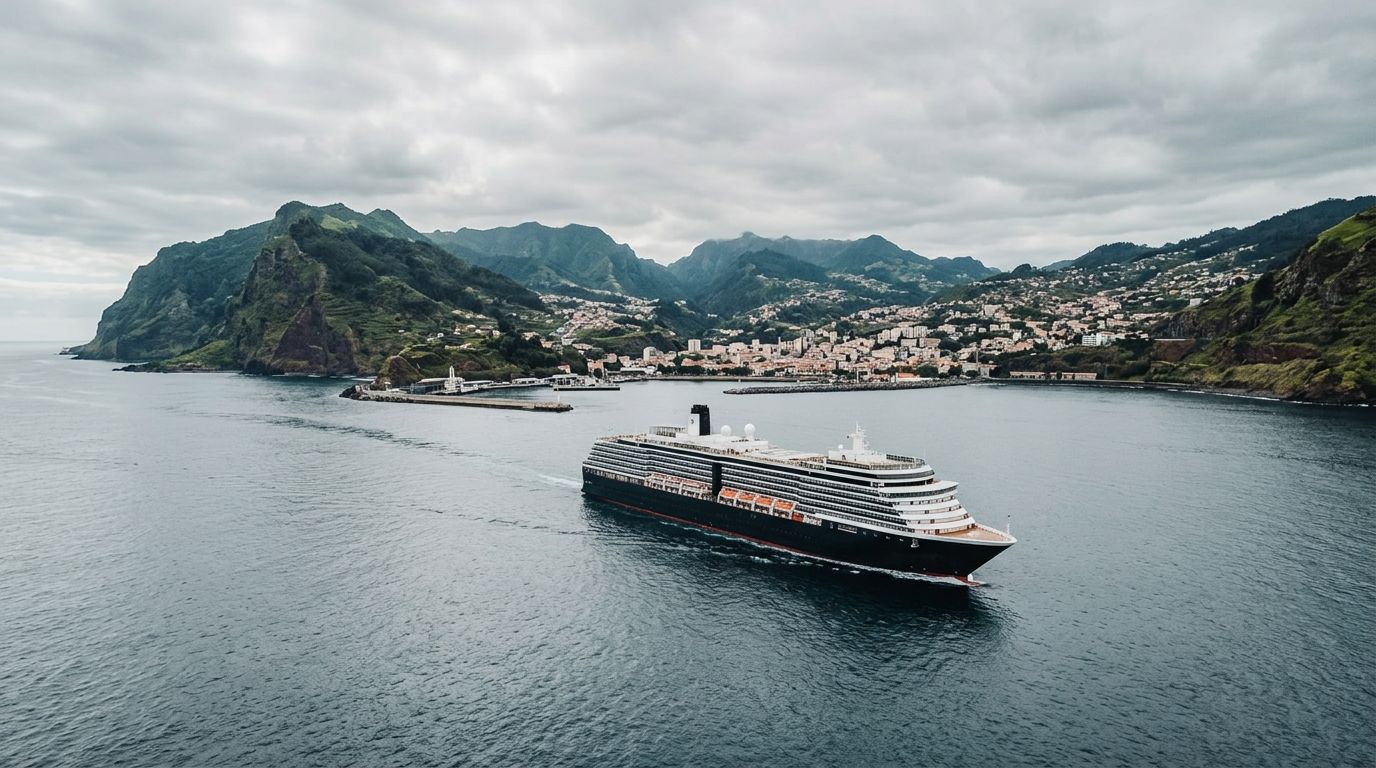
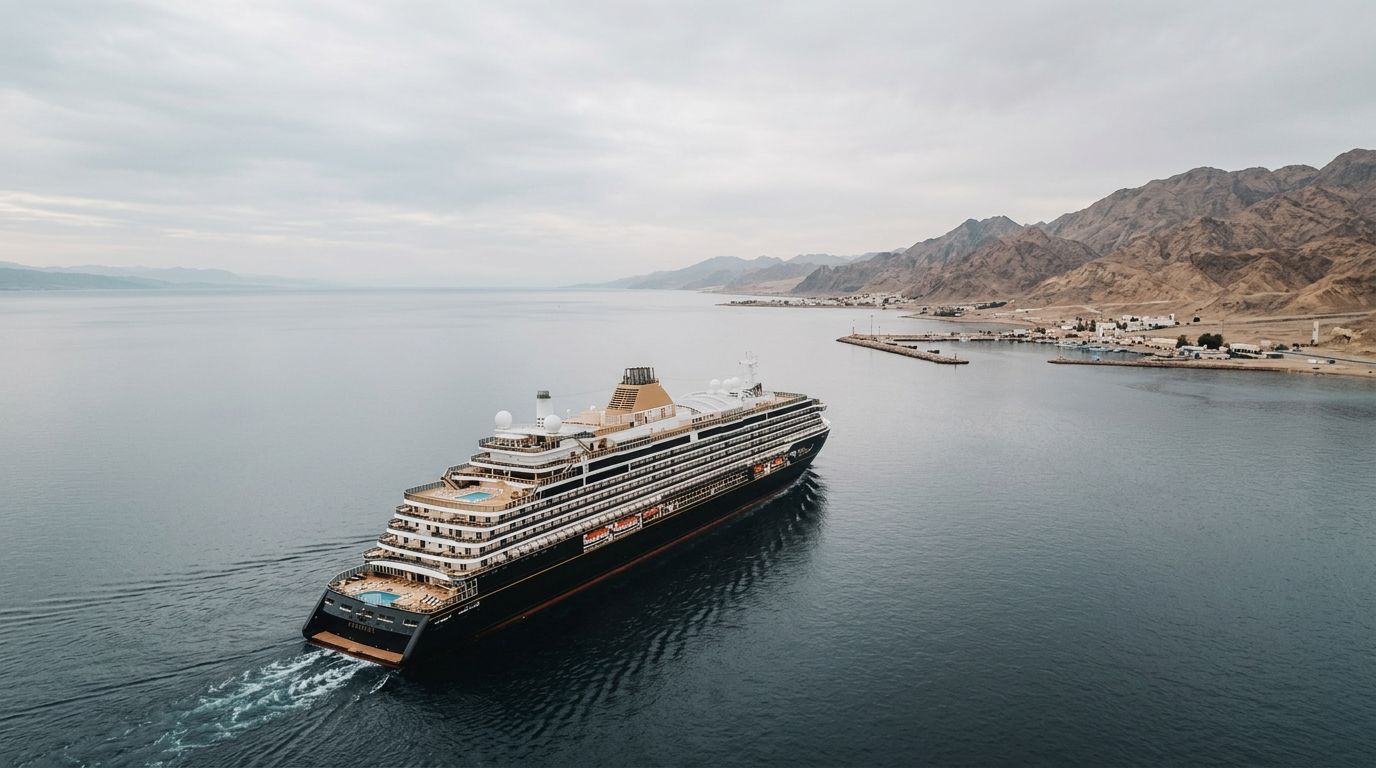
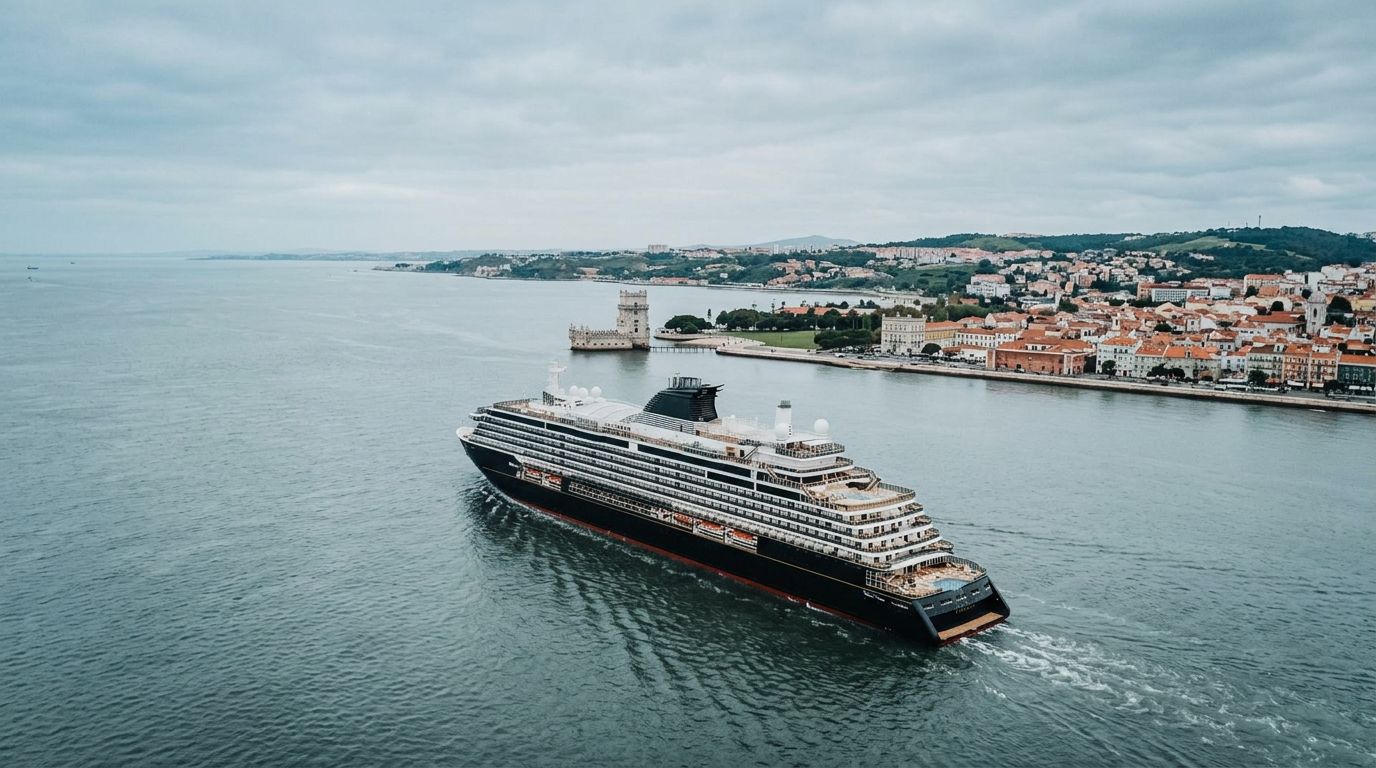
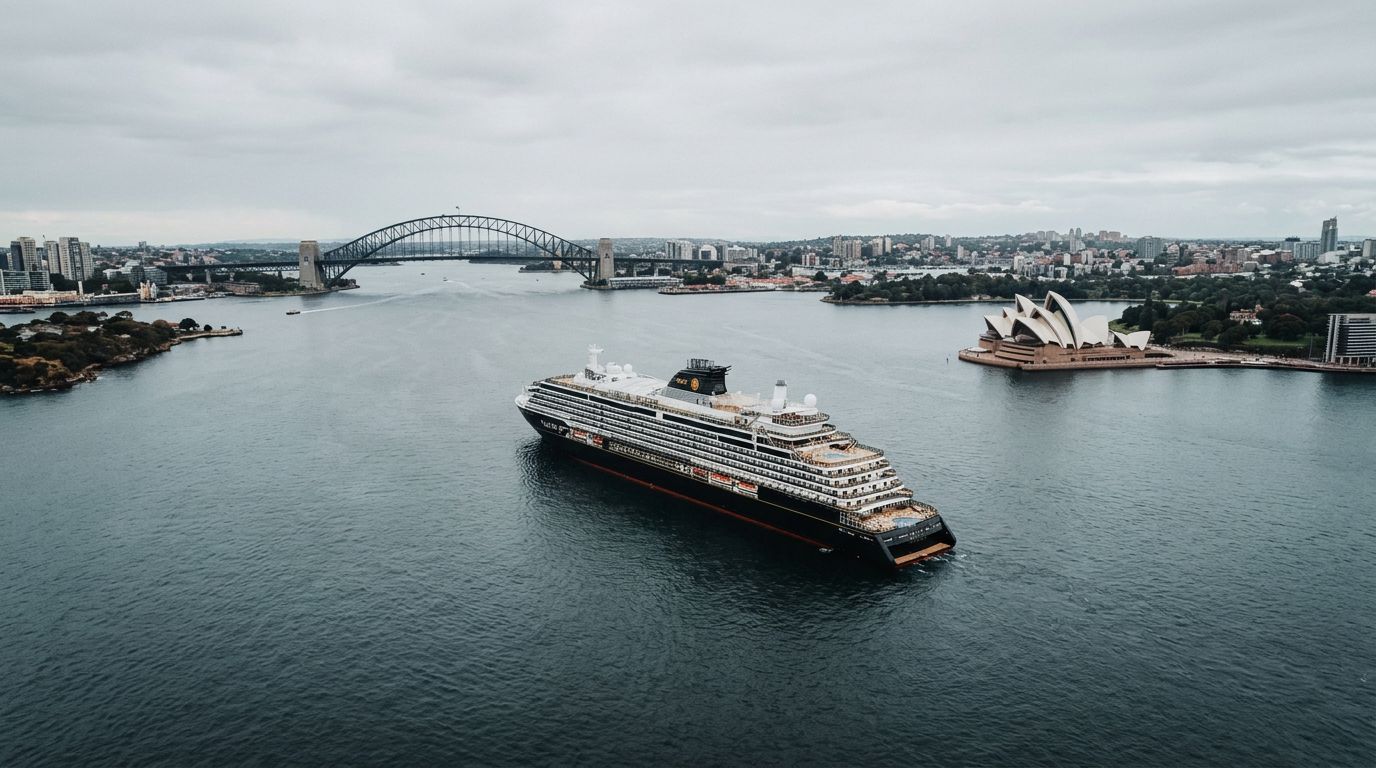
A commercial world cruise offers a very different arrangement. You book a cabin, pay a fare, and let a professional crew handle navigation, repairs, meals, and port operations. The right choice depends on whether you want a long voyage as a passenger or a long-term responsibility at sea.

What solo world cruising actually means

The phrase can describe two very different experiences. One involves joining a cruise ship for several months. The other involves sailing a privately owned boat across oceans with no crew to share the work.

The private yacht version

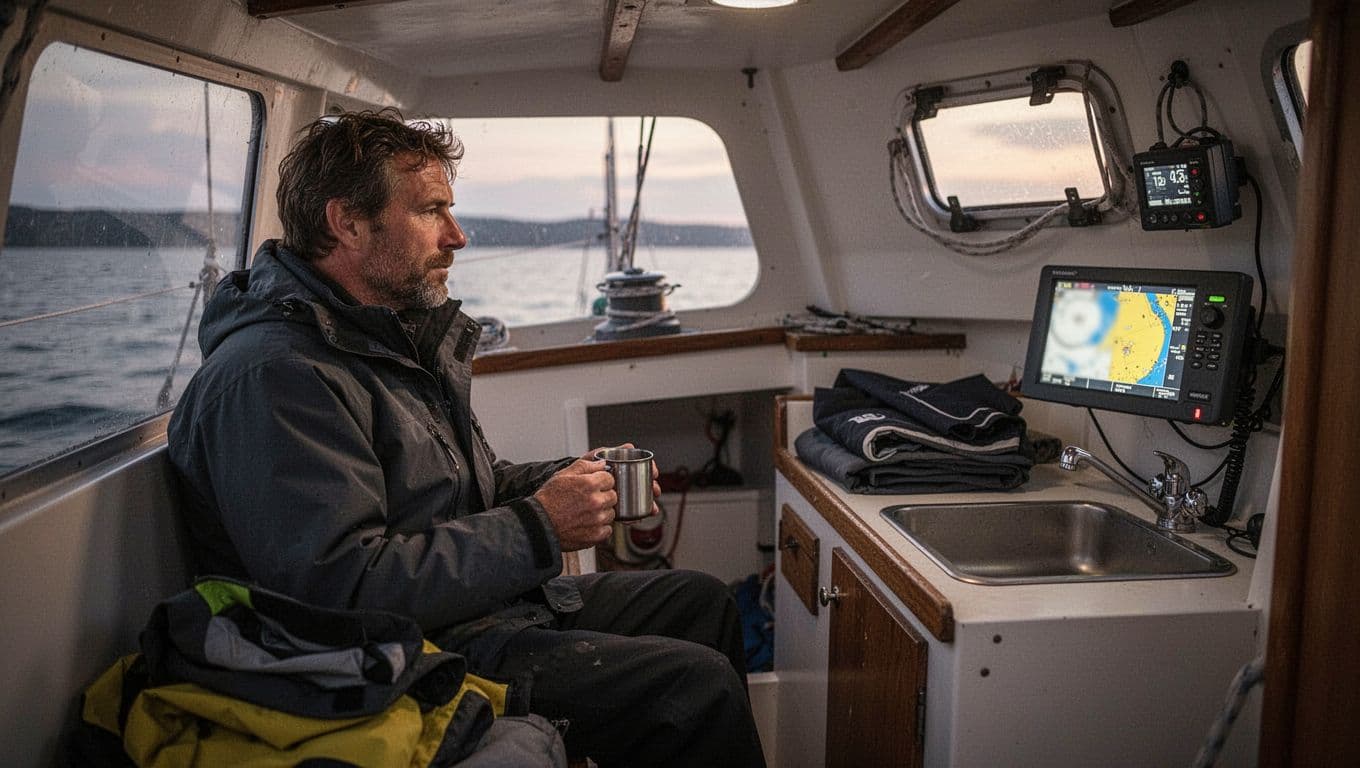
A solo sailor is responsible for every major system aboard. That includes steering, sail handling, weather decisions, engine checks, cooking, cleaning, repairs, provisioning, immigration formalities, and emergency response.

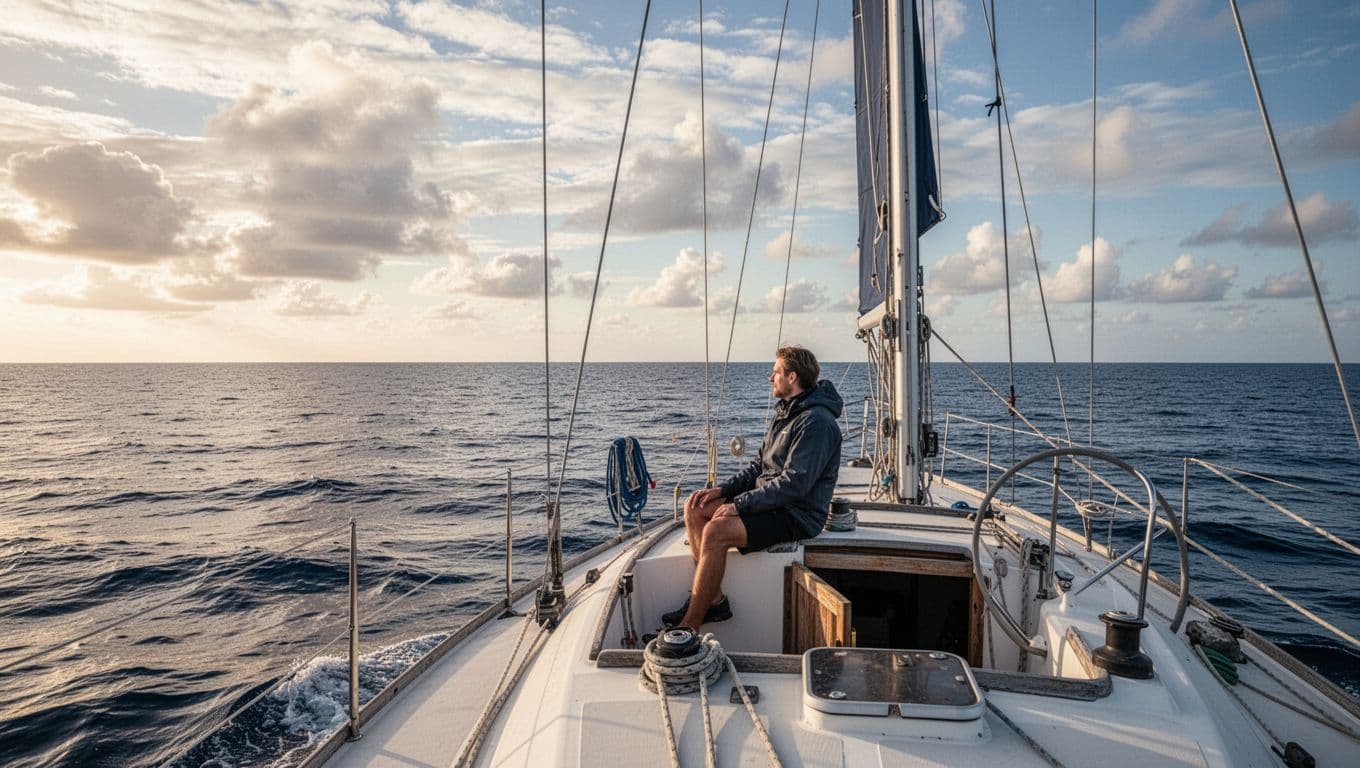
The boat may feel peaceful in calm weather, but the workload never disappears. Even while resting, you remain responsible for collision avoidance, changing conditions, alarms, and equipment failures.

The commercial cruise version

On a passenger ship, solo travel usually means booking a dedicated single cabin or paying a supplement for a standard double cabin. The crew handles ship operations, while you choose how much time to spend ashore.

That makes a commercial world cruise far easier to test. You can experience long ocean passages and multiple regions without buying, storing, insuring, or repairing a vessel.

Ship or sailboat: which experience are you seeking?

The financial comparison only makes sense after you define the experience you want. These options don't deliver the same kind of freedom, comfort, or responsibility.

A cruise ship is a booked service

A commercial cruise provides a fixed itinerary, regular meals, cabin service, entertainment, medical facilities, and organized port calls. You can read, work, socialize, or sleep while the ship travels overnight.

However, the schedule belongs to the cruise line. Weather, port changes, and operational decisions can alter the itinerary. Shore time is also limited, often lasting only several hours.

A sailboat is a long-term project

A private boat gives you control over departure dates, anchorages, routes, and time spent in each country. You can stay for weeks in a quiet bay or remain in port while waiting for better weather.

That control comes with financial exposure. The boat needs care even when you aren't sailing. A failed alternator, damaged sail, or leaking deck fitting becomes your problem, not a service department's.

A commercial world cruise is usually the better fit if your priority is comfort and predictable logistics. Private ownership fits someone who wants the work of seamanship as much as the destinations.

Solo world cruising costs more than the advertised fare

Commercial cruise fares often assume two people share a cabin. That assumption matters greatly when you're traveling alone.

Cunard's official booking page for its 2026 full world voyage states that fares are in US dollars and based on double occupancy. Its published itineraries include voyages of about 108 to 110 nights. Princess's official 2027 world-cruise page lists approximate starting figures of EUR 10,383.37 per person for a 68-day sailing and EUR 16,923.16 per person for a 110-day sailing.

A Travel Weekly report on Princess's 2027 world cruise reported an approximate lead-in fare of US$29,719 for a 129-night itinerary. These figures are starting references, not guaranteed quotes. Cabin category, departure market, taxes, availability, and booking date change the final total.

How single supplements change the total

A standard cabin may attract a single supplement of 50% to 75%. Some luxury sailings charge 100% of the second fare, meaning the solo passenger effectively pays for two occupants.

Using an approximate US$25,108 starting fare as a rough base, a 50% to 100% supplement would place the solo cabin fare near approximately US$37,700 to US$50,200. That is before any extra flights, hotels, excursions, drinks, or medical coverage.

Dedicated solo cabins can improve the calculation. Current 2026 solo-cruise comparisons identify NCL Studio Cabins, Virgin Voyages Sea Terrace solo inventory, Royal Caribbean Studio Staterooms, and Cunard solo staterooms as categories that may carry a 0% supplement. Availability is limited, and a no-supplement offer applies only to selected cabins and sailings.

What the fare may leave out

Before booking, ask for a complete solo price rather than relying on the headline fare. Check these items:

  • Port taxes, government fees, and service charges
  • Crew gratuities or crew appreciation
  • Flights, transfers, and pre-cruise hotels
  • Shore excursions and land packages
  • Specialty dining, alcoholic drinks, and premium coffee
  • Internet packages and satellite connectivity
  • Laundry, medical care, and travel insurance
  • Visa costs and personal spending ashore

Holland America's official 2027 Grand Voyages planner shows how packages can affect comparisons. Its 129-day Grand World Voyage promotion lists an approximate advertised value of US$9,900 per person in a Pinnacle Suite, based on double occupancy. The package value includes approximate components such as US$2,000 onboard credit, crew appreciation, one shore excursion, luggage delivery, Surf Wi-Fi, and laundry services. That figure is an advertised value, not the base cruise fare.

A 0% single supplement can save more than a cheaper itinerary if the alternative charges for a second passenger.

Buying the boat and paying for the refit

Private solo world cruising begins with a capital decision. The cheapest boat to buy is rarely the cheapest boat to take offshore.

Purchase prices depend on condition

For 2026 planning, an approximate budget for a used, offshore-capable 30- to 36-foot monohull is US$60,000 to US$200,000. A larger 37- to 42-foot boat may cost approximately US$150,000 to US$400,000.

These are planning estimates, not market quotes. A much cheaper boat may require major work, while a well-maintained older yacht can cost more at purchase and less during preparation. The survey, haul-out, rig inspection, engine assessment, and sea trial matter more than the asking price.

A smaller yacht usually reduces berth, insurance, sail, and maintenance costs. A larger boat gives you more storage and interior comfort, but every additional foot can increase replacement and marina expenses.

A refit can exceed the purchase price

A realistic refit budget for a sound used boat may be approximately US$25,000 to US$100,000. Major structural, rigging, engine, electrical, or water-intrusion problems can push the estimate above US$150,000.

Common refit items include:

  • Standing rigging, running rigging, sails, and winches
  • Autopilot, windvane steering, and backup steering
  • Batteries, charging systems, solar panels, and wiring
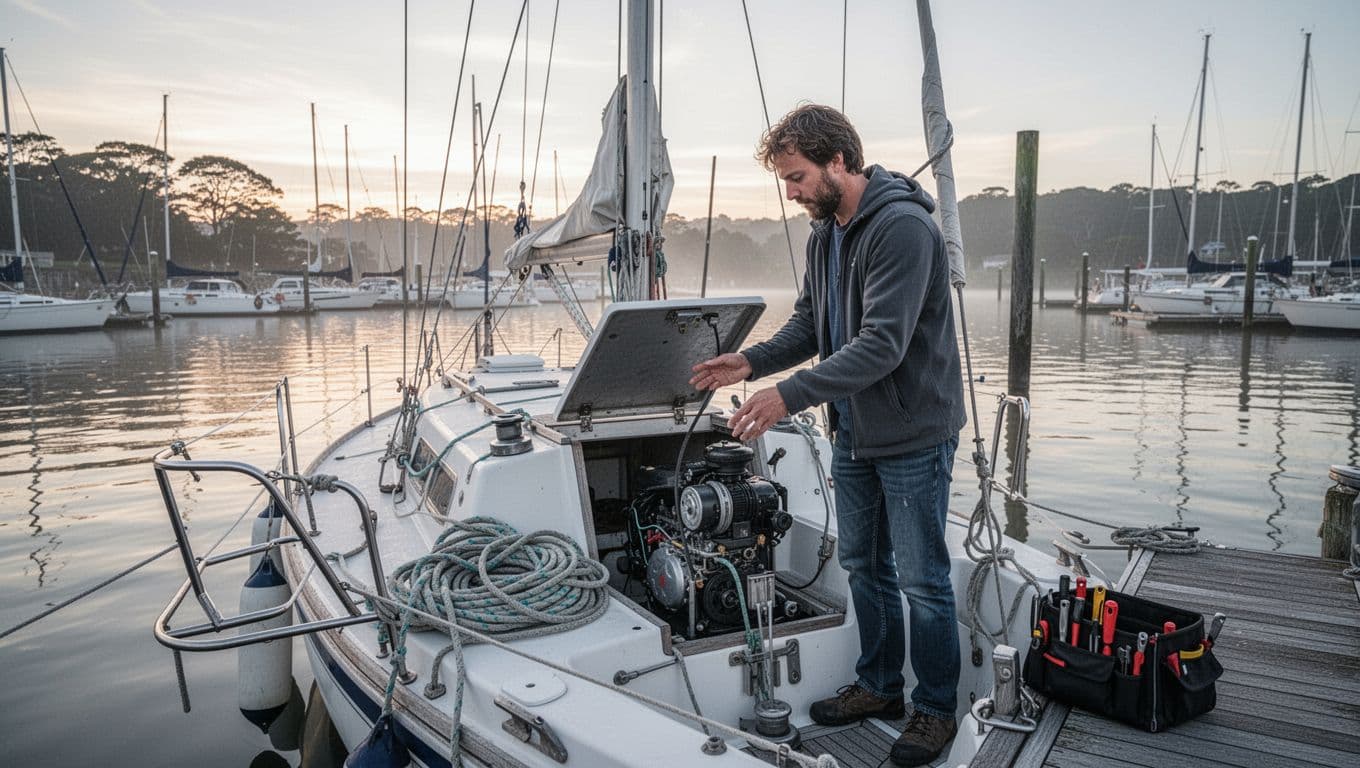
  • Engine cooling, fuel systems, belts, filters, and hoses
  • Bilge pumps, plumbing, sanitation, and freshwater systems
  • Liferaft, EPIRB, PLBs, harnesses, jacklines, and flares
  • Navigation equipment, radar, AIS, and backup instruments
  • Storm sails, anchors, ground tackle, and spare parts

A survey can identify defects, but it won't create a reliable budget by itself. Add a contingency because hidden corrosion, wet decks, obsolete electronics, and inaccessible plumbing often appear after work begins.

Annual ownership expenses for a cruising yacht

A boat can consume money while sitting at the dock. For that reason, private cruising needs an annual budget separate from the initial purchase and refit.

The table uses approximate 2026 US-dollar estimates for a 30- to 40-foot cruising sailboat. Actual costs depend on location, boat age, route, insurance restrictions, and how much work you do yourself.

Cost category Approximate annual estimate Main assumption
Marina or mooring US$7,200 to US$28,800 A berth or mooring for much of the year
Liveaboard surcharge US$2,400 to US$9,600 Added by some marinas
Insurance US$2,400 to US$10,800 Hull and liability cover for offshore use
Routine maintenance US$6,000 to US$20,000 Older cruising boat with regular upkeep
Major repairs US$10,000 to US$50,000 extra Rig, engine, sails, electronics, or haul-out work
Fuel US$1,000 to US$5,000 Moderate motoring and generator use
Food and provisions US$3,600 to US$10,800 Approximately US$300 to US$900 monthly
Communications US$1,200 to US$3,600 Satellite data, voice, weather, and backup devices
Emergency reserve US$10,000 to US$30,000 held aside Tow, medical, salvage, or urgent repairs

Berth, insurance, and maintenance

Several 2026 ownership guides estimate marina or dockage costs at approximately US$600 to US$2,400 per month. A US pricing guide places approximate annual slip costs at US$3,000 to US$7,500 for a 30-foot boat and US$6,000 to US$12,000 for a 40-foot boat. High-demand coastal marinas may exceed approximately US$15,000 per year, before liveaboard charges.

Insurance varies just as sharply. A coastal policy may be affordable, but an ocean policy can cost approximately US$200 to US$900 per month. Some insurers restrict solo passages, named-storm exposure, remote areas, or older boats. Read those conditions before choosing a route.

Maintenance is the category most likely to surprise a new owner. Routine service includes oil changes, filters, anodes, sail repairs, antifouling, electrical troubleshooting, and replacing worn lines. A 2026 ownership guide gives a broad annual ownership estimate of approximately GBP 3,000 to GBP 18,000, but a solo ocean cruiser should budget separately for major refit years.

Fuel, food, communications, and emergencies

Sailing doesn't eliminate fuel costs. You still need diesel for calms, harbor maneuvering, charging, heating, and sometimes watermaking. The route and engine hours make the difference.

Food costs depend on how often you eat ashore and how much fresh food you can store. A solo sailor can spend approximately US$300 to US$900 per month on provisions, with remote islands often costing more.

Communications need redundancy. A satellite messenger, satphone, weather data plan, and backup means of receiving forecasts may cost approximately US$100 to US$300 per month. The cheapest plan is not useful if it fails when you need a forecast or rescue contact.

Emergency reserves are cash that you hope not to spend. Keep approximately US$10,000 to US$30,000 available for an urgent haul-out, tow, medical evacuation, replacement electronics, or rigging failure. Insurance deductibles and exclusions can leave you paying first.

Cabins and layouts for one person

A solo boat doesn't need several guest cabins, but it does need enough space for safe movement and spare equipment.

One private cabin can be enough

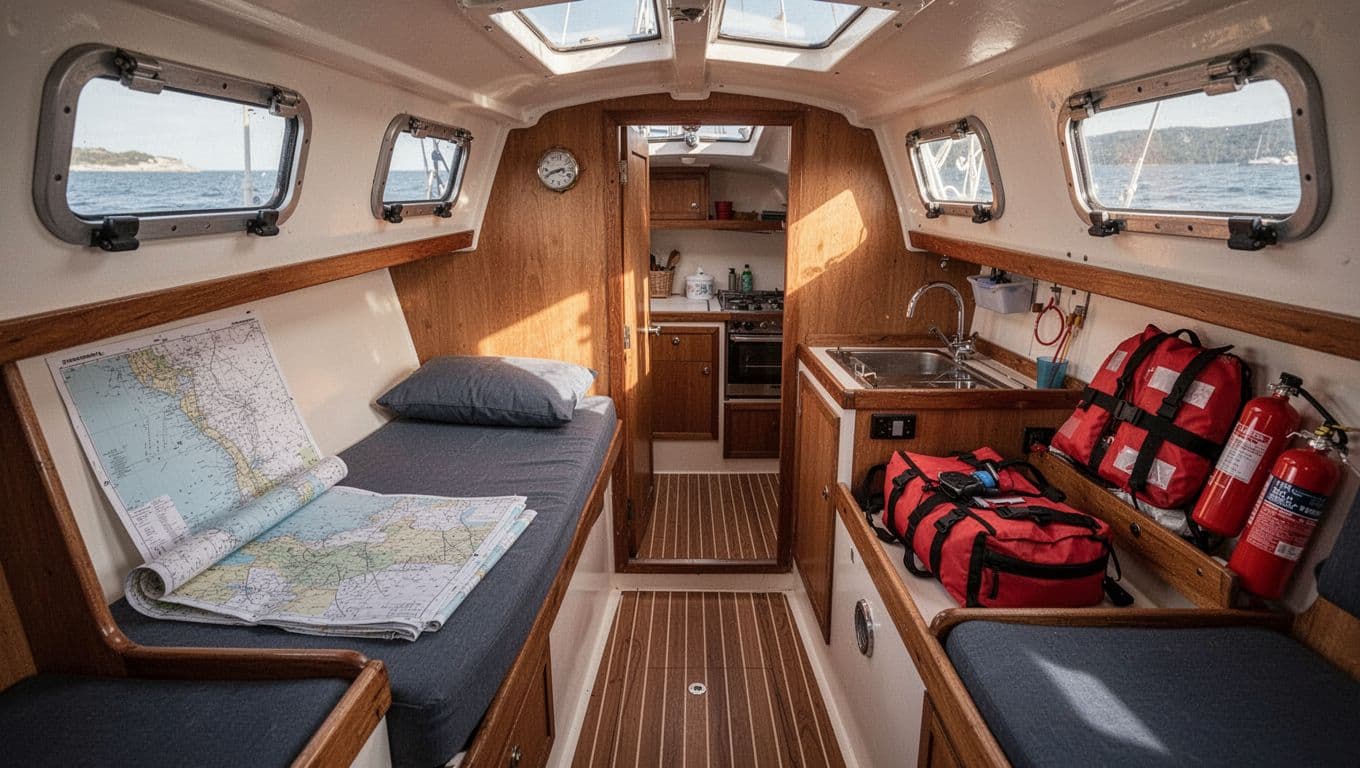
A practical solo layout usually includes one secure sleeping cabin, a protected galley, a usable head, a navigation station, and access to the engine and electrical systems.

The sleeping area needs ventilation and lee cloths or another way to keep you in place when the boat heels. A secure bunk is more useful offshore than a large berth that throws you across the cabin.

A second cabin can hold tools, spare parts, sails, medical supplies, and provisions. Still, extra interior volume adds weight and creates more areas to inspect for leaks and damage.

Storage matters more than luxury

Solo world cruising involves carrying items that a weekend sailor may never consider. Filters, belts, impellers, fasteners, sealant, fuses, shackles, lines, medical supplies, and replacement pumps all take space.

Store heavy items low and near the center of the boat. Keep frequently used safety equipment accessible without opening several lockers. Labeling storage locations also helps you find a part quickly when conditions are poor.

For a commercial world cruise, cabin choice is more about comfort, privacy, and location. A dedicated solo cabin may be compact, while a standard balcony cabin costs more but gives you additional living space.

A realistic day aboard alone

Life underway is repetitive in useful ways. You check the boat, check the weather, eat, rest, and repeat the process while the sea changes around you.

Watchkeeping changes your sleep

A solo sailor never has a full handover. An autopilot reduces steering effort, but it doesn't watch for fishing gear, ships, squalls, equipment alarms, or changes in traffic.

Sleep comes in short, planned periods when conditions allow. Busy shipping lanes, poor visibility, heavy weather, or a malfunction can remove that rest. Fatigue affects judgment, so conservative route planning matters as much as sailing skill.

Before departure, set up collision alarms, AIS, radar if fitted, navigation lights, and a reliable watch routine. Test each system in daylight. Offshore, a backup means of checking your position and contacting help is essential.

Cooking and chores continue at sea

Meals are usually simple because cooking on a moving boat uses time, water, gas, and attention. Many sailors prepare food before departure and keep easy options available for rough conditions.

Daily jobs include checking bilges, batteries, engine fluids, charging, steering, rigging, sail chafe, freshwater, and deck hardware. You also maintain a log and monitor the forecast.

No crew member will clean the galley, dry wet gear, manage laundry, or organize the next repair. Small tasks accumulate quickly in a confined cabin, so order reduces stress and helps prevent mistakes.

Weather, repairs, and emergency decisions

Weather decisions are the central operating problem. A solo sailor has fewer options when the forecast changes because there is no second person to steer, reef, or repair while the other person rests.

Conservative choices protect the schedule

A prudent sailor may delay departure, shorten a passage, seek shelter, or turn around when conditions exceed the boat or the skipper's capacity. Losing a week in port is cheaper than damaging the rig or becoming exhausted offshore.

Weather routing services can provide useful forecasts, but they don't remove responsibility. You still need to understand wind strength, wave direction, current, squalls, tropical systems, and the limits of your boat.

Plan passages around favorable weather windows, safe bail-out ports, fuel access, communications coverage, and the ability to rest. A route that looks efficient on a chart may be unsuitable for one person.

Redundancy is part of the budget

Carry independent ways to determine your position and receive weather information. Keep backup steering, spare navigation equipment, repair tools, and enough consumables to deal with delays.

A sensible inventory includes spare filters, belts, hoses, impellers, fuses, pumps, fasteners, sealants, lines, and sail-repair materials. Learn how to fit and use them before leaving.

Safety equipment should include an EPIRB, a personal locator beacon, an AIS transponder where suitable, a properly serviced liferaft, harnesses, jacklines, life jackets, flares, and a serious first-aid kit. Requirements vary by country and vessel, so check local rules and your insurer's conditions.

Shore routines and the hard parts of isolation

Arriving in a new country doesn't end the work. You may need to clear immigration and customs, arrange a berth, obtain fuel and water, find replacement parts, shop for food, and deal with laundry.

Repairs can determine how long you stay. A broken watermaker, damaged sail, or failed starter motor may require parts shipped across borders. Meanwhile, weather can keep you in one harbor after the repair is complete.

Isolation also affects decision-making. You have no crewmate to confirm a concern, share fatigue, or handle a difficult conversation with an official or contractor. Online sailing communities and local cruisers can help, but they aren't a substitute for a capable person aboard.

A commercial ship provides regular social contact, prepared meals, activities, and professional assistance. You can still feel alone in a private cabin, but daily necessities don't depend on your technical skills.

Experience matters more than the boat's brochure

A boat advertised as ocean-capable still requires a skipper who can manage it in difficult conditions. Solo world cruising shouldn't be a first major sailing experience.

Build skills in stages

Start with coastal sailing in changing weather. Then gain experience on night passages, offshore trips, anchoring, reefing, heavy-weather tactics, diesel systems, electrical faults, first aid, and man-overboard recovery.

Crew on offshore passages with experienced skippers. Take practical courses that involve real equipment rather than relying only on online theory. Practice steering, reefing, anchoring, and emergency communication until the actions are familiar.

You should be able to identify a developing problem before it becomes an emergency. That includes unusual engine sounds, battery voltage changes, rig movement, chafe, water ingress, and steering resistance.

Test the lifestyle before buying

Renting a cabin on a world cruise is a low-risk way to learn whether long periods at sea suit you. A multi-week sailing passage or offshore charter provides a better test of the work involved in boat ownership.

Pay attention to your response to poor sleep, repetitive meals, limited privacy, wet clothing, uncertain arrival dates, and mechanical problems. The destinations are only part of the experience.

If you still want a private boat, spend time aboard the exact type of layout you may buy. Check whether you can reach the engine, reef the sails, use the head, sleep securely, and move around safely in rough conditions.

Is solo world cruising financially realistic?

The answer depends on whether you are comparing a trip budget or a lifestyle budget.

A commercial world cruise may require approximately US$30,000 to US$60,000 or more for a solo passenger once a double-occupancy fare, supplement, taxes, flights, hotels, excursions, and personal spending are combined. This is an approximate planning range, not a quoted price. A dedicated solo cabin can reduce the supplement, while luxury suites and longer voyages can raise the total substantially.

Private sailing may require approximately US$100,000 to US$500,000 in acquisition and initial refit capital, followed by approximately US$25,000 to US$75,000 per year for ownership, living costs, and reserves. These are broad estimates for a used 30- to 42-foot boat. A newer boat may reduce early repair work, while an older boat can exceed the range during a major refit.

Your priority More suitable choice
Visiting many countries with limited technical responsibility Commercial world cruise
Choosing your own route and staying longer in small ports Private sailboat
Predictable meals, services, and social opportunities Commercial world cruise
Learning seamanship through daily responsibility Private sailboat
Testing long ocean travel before committing capital Commercial world cruise
Accepting maintenance, delays, and emergency planning Private sailboat

If your main goal is to see the world, book a ship after comparing the solo fare properly. If your main goal is to operate a vessel, gain offshore experience first and treat the boat as a complex home, not a travel purchase.

Conclusion

Solo world cruising combines travel with continuous responsibility. A commercial world cruise charges a large but relatively clear trip cost, while private sailing requires purchase capital, refit money, annual ownership expenses, and an emergency reserve.

Cabin size matters, but safe systems, storage, sleep, communications, and repair skills matter more. Before committing to a boat, take a long commercial cruise or offshore sailing trip and test the daily routine honestly. The best choice is the one whose costs and workload still feel manageable when the weather changes and the itinerary stops being convenient.

Recent Posts

By World Cruise by Design August 27, 2026
A canal crossing can become one of the most memorable days of a long voyage, even though you may never step ashore. Panama Suez Canal transit planning helps you choose the itinerary, cabin, and pace that make those hours feel special rather than exhausting. Both canals shorten...
By World Cruise by Design August 26, 2026
On a voyage measured in months, your cabin becomes more than a place to sleep. The balcony vs inside cabins choice shapes how you rest, reset between ports, and spend long sea days. A balcony can feel like a private escape, while an inside cabin can protect a much larger trave...
By World Cruise by Design August 25, 2026
A phone bill can become an unpleasant souvenir if it connects to a ship's cellular network without your notice. The safest approach is to treat ship internet, maritime roaming, and port-day service as three separate systems. For a long sailing, cruise Wi-Fi plans are usually t...
By World Cruise by Design August 24, 2026
Four months at sea sounds glamorous until you picture laundry, medication refills, jet lag, and dozens of unfamiliar ports. The strongest world cruise itineraries balance headline destinations with enough breathing room to enjoy them. For a first-time passenger, the right sail...
By World Cruise by Design August 23, 2026
A 129-day cruise is less a vacation than a temporary way of life. Your Holland America Princess World Cruise decision affects where you wake up, how often you unpack, and what fills the long stretches between ports. As of August 2026, Holland America Line and Princess Cruises...
By World Cruise by Design August 22, 2026
A luxury ship can feel perfect for a week and less comfortable after three months. Cabin storage, dining variety, internet limits, port intensity, and the true value of inclusions matter much more on a long sailing. If you're comparing Regent vs Silversea for a world cruise, t...
By World Cruise by Design August 22, 2026
A five-month voyage can feel very different depending on the ship, itinerary pace, and fare structure. This world cruise comparison looks at Regent Seven Seas and Silversea using their published 2026 programs, with attention to the details that affect daily life and total valu...
By World Cruise by Design August 21, 2026
A world cruise can be a three-month holiday or a nearly six-month commitment, depending on the line and itinerary. The choice between Cunard vs Viking affects how you spend sea days, what you wear to dinner, and how much you pay after the headline fare. Cunard favors tradition...
By World Cruise by Design August 21, 2026
A world cruise price can look like a single number, but that figure may cover only the voyage itself. When you compare world cruise fares , check what happens after the cabin, taxes, and port charges appear in the headline. Drinks, Wi-Fi, gratuities, flights, hotels, excursion...
By World Cruise by Design August 20, 2026
A world cruise can be a year-long financial commitment, but the cancellation window may start closing months before departure. Comparing world cruise cancellation policies before you pay a deposit can prevent an expensive surprise later. The rules depend on the cruise line, it...
Show More