
How World Cruise Ships Restock Food and Supplies

World Cruise by Design • October 25, 2026

Share this article

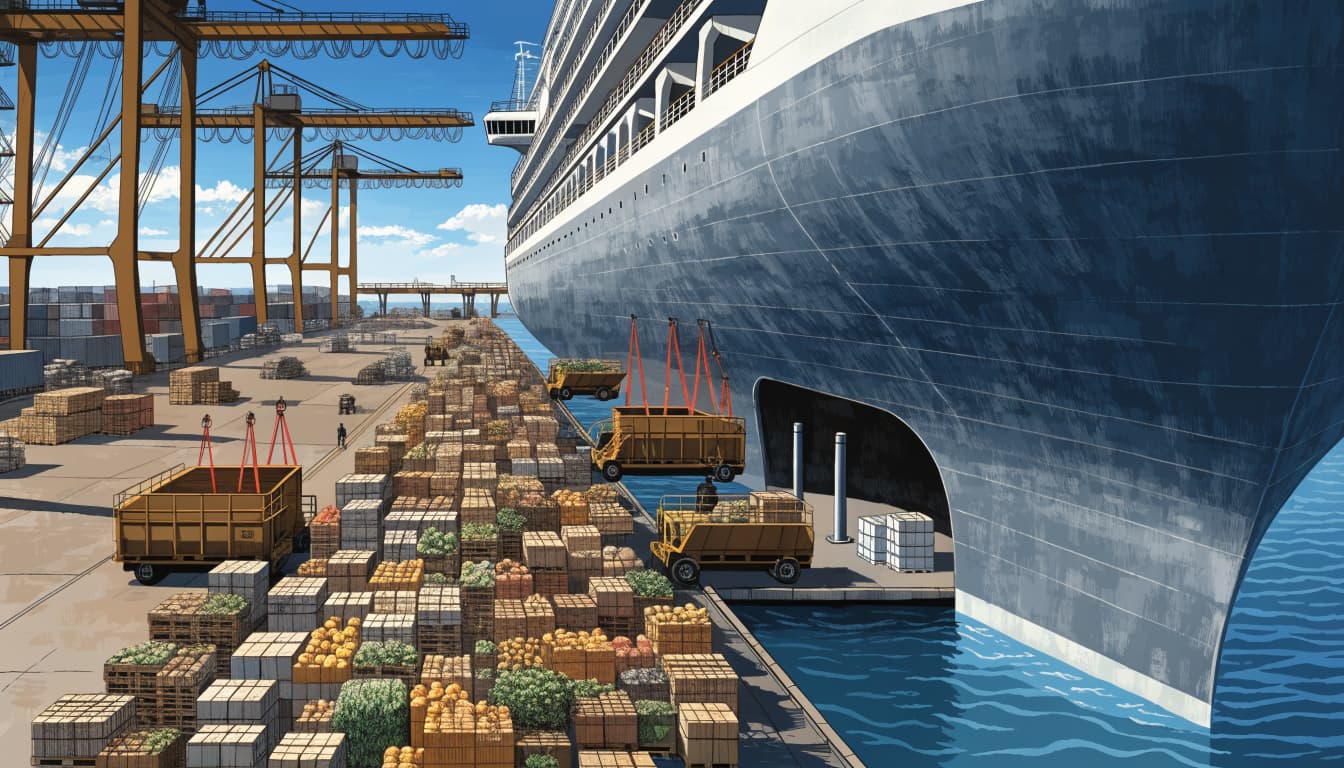
Cruise ships generally restock food and everyday supplies during port calls, rather than carrying everything for an entire world cruise from departure. Cruise ship provisioning connects the itinerary, planned meals, passenger needs, and shoreside purchasing.

For you, that means a months-long voyage doesn't require months-old produce at every meal. However, regular resupply doesn't mean every ingredient arrives fresh at every stop, or that every ship follows the same process.

The practical differences start with the route and what the ship needs to provide between ports.

Key Takeaways

  • Port calls are the normal setting for restocking. At-sea replenishment isn't a routine feature passengers should expect on a world voyage.
  • Fresh, frozen, and packaged ingredients all have legitimate roles in onboard dining. A long itinerary doesn't tell you which ingredients appear in a particular meal.
  • Shipwide purchasing and personal preparation are separate matters. Dietary requirements need advance attention, while prescription medicines remain part of your own travel planning.

Provisioning Starts With the Itinerary and Menu

A ship's shopping requirements begin with the voyage it intends to operate. The route determines where purchasing opportunities exist, while the dining program determines which ingredients the kitchens need.

However, an itinerary is only part of the calculation. Passenger numbers, crew meals, restaurant choices, and dietary requirements also shape demand.

The route shapes purchasing decisions

A long ocean crossing creates a different planning problem than an itinerary with closely spaced port calls. Even then, a stop on the passenger itinerary isn't automatically a major provisioning opportunity.

Time alongside, port facilities, local restrictions, and the availability of suitable goods all matter. A destination can be wonderful for sightseeing without being equally practical for purchasing everything a ship requires.

This distinction helps explain why the number of ports alone doesn't reveal how a voyage's supply arrangements work.

Menus turn dining promises into requirements

Breakfast buffets, afternoon tea, room service, and restaurant dinners each create ingredient requirements. Meanwhile, the crew needs meals throughout the voyage too.

A dining program also has to accommodate different eating patterns. Some guests want elaborate dinners; others prefer lighter meals after excursions.

For passengers, variety matters across the whole itinerary. A memorable first dinner tells you less than the combination of rotating menus, useful opening hours, and choices you'll enjoy repeatedly.

What Restocking at Port Means

Routine resupply is part of the working side of a port call. While passengers head ashore, the ship also has operational business to complete.

Food purchases can include fresh ingredients and packaged products, but provisioning extends beyond the galley. Toiletries, cleaning products, laundry consumables, and other everyday necessities also support life onboard.

The exact arrangements differ between ships and destinations. Local import requirements, supplier availability, and the ship's purchasing standards affect what can become part of an order.

A market near the pier therefore isn't automatically the source of that evening's dinner. Destination-inspired food and locally purchased ingredients are related ideas, but they aren't interchangeable promises.

Also, routine port resupply should be distinguished from replenishment at sea. The latter isn't the standard basis for keeping a passenger ship supplied throughout a global itinerary.

If tasting regional ingredients is important to your trip, our guide to planning memorable meals in port connects that interest with the time you have ashore.

Fresh, Frozen, and Packaged Food All Have a Place

A ship's food supply is more varied than a collection of fresh deliveries. Different ingredients have different characteristics, and no single category explains the quality of the finished meal.

For example, flour, rice, and dried pasta belong in a professional kitchen alongside vegetables and refrigerated ingredients.

Freshness depends on the ingredient

Leafy greens and dry pasta don't age in the same way. Similarly, a frozen ingredient isn't automatically a poor-quality ingredient.

Cooking technique, ingredient quality, and the suitability of a product for the dish all affect what reaches your table. The word "fresh" alone doesn't describe the whole dining experience.

That matters when evaluating a long voyage. A months-long itinerary doesn't mean every ingredient has been onboard since embarkation, nor does it mean each meal relies entirely on purchases made at the latest destination.

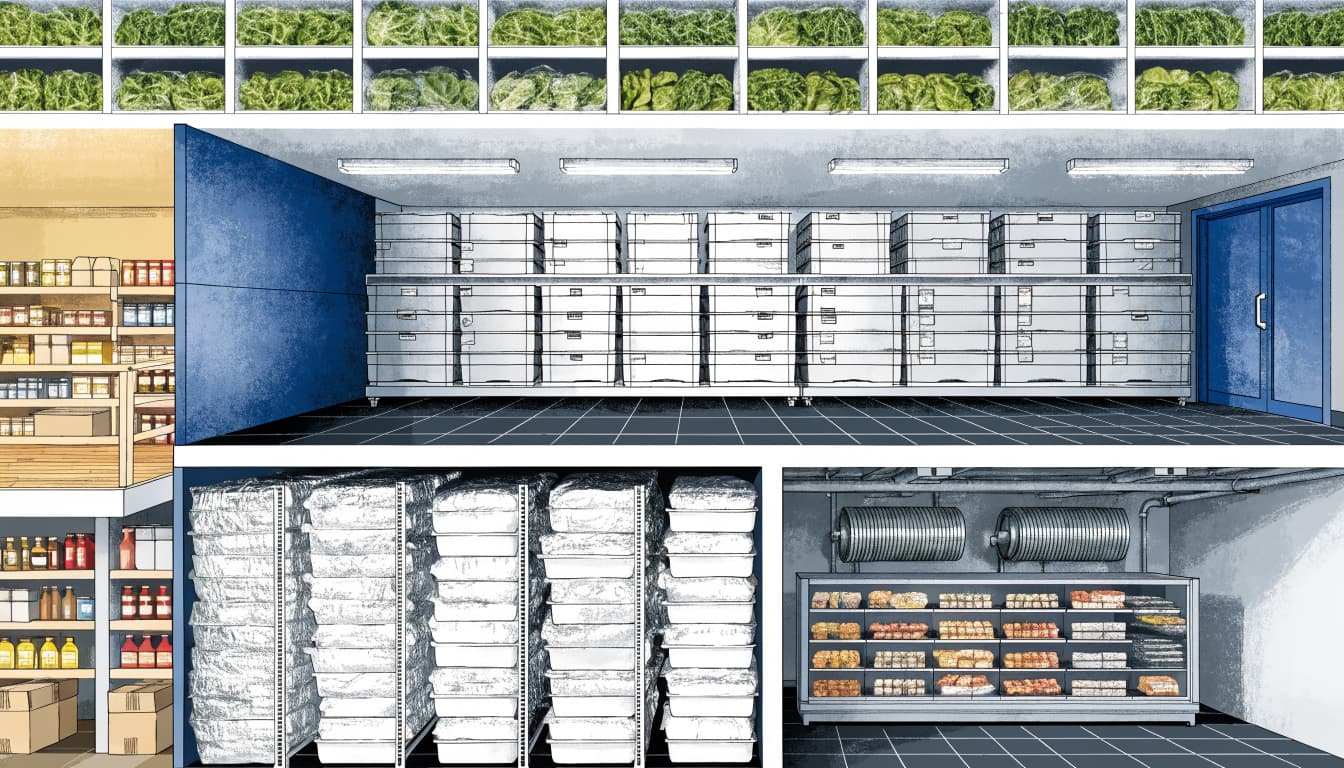
The cold chain concerns temperature-sensitive food

The cold chain means maintaining suitable temperature conditions for food that requires chilling or freezing through transport and storage. It concerns the condition of the food, rather than simply its purchase date.

Refrigerated, frozen, and shelf-stable products have different requirements. Those distinctions remain important regardless of voyage length.

However, food refrigeration and medical refrigeration are separate subjects. The presence of extensive catering facilities doesn't mean your cabin refrigerator is appropriate for temperature-sensitive medication. Personal medical needs require their own arrangements.

A Missed Port Doesn't Automatically Stop Dining

Weather, congestion, mechanical problems, public health measures, or regional events can change a world voyage's itinerary. A canceled call can remove a passenger's restaurant reservation or shopping opportunity with little warning.

Yet a missed destination doesn't automatically mean onboard meals stop. Guests generally retain access to dining when a sea day replaces a port call, although service hours or activities can change.

The consequences depend on the circumstances. The passenger itinerary doesn't reveal which purchases were associated with a particular stop, so counting canceled ports doesn't tell you what will appear on the menu.

Our explanation of how missed port calls affect a world cruise covers the broader changes passengers can experience.

There is also an important personal distinction: losing a planned pharmacy visit is different from losing lunch ashore. Your medication plan shouldn't depend on reaching a particular port.

Special Diets and Personal Supplies Need Separate Planning

Shipwide purchasing supports many people, but your individual requirements still deserve attention. A dietary restriction, medical condition, or essential personal product can affect daily comfort throughout a long voyage.

These needs belong in your pre-departure planning, rather than becoming an assumption about what routine resupply will provide.

Dietary requirements go beyond menu variety

Food allergies and medically necessary diets involve more than finding an appealing dish. Ingredients, preparation, and cross-contact all matter.

Give the cruise line your requirements before departure, then speak with the dining team onboard. Describe the actual restriction rather than relying on a broad preference such as "healthy food."

Packaged ingredients, buffet choices, and specialty restaurants can present different issues. Also distinguish a medical requirement from a preference: avoiding an allergen demands a different conversation from preferring a particular brand of tea.

Personal medicines aren't ordinary ship supplies

An onboard medical center isn't a full-service community pharmacy. Its available medicines and treatment options can be limited, especially during extended periods at sea.

Bring prescribed medicines in their original labeled packaging, together with relevant documentation and a clinician-guided reserve for delays. Keep essential medication with you during travel.

Temperature-sensitive medicines need a product-specific plan with your pharmacist or clinician. A cabin mini-fridge may not maintain the required conditions.

Routine ship resupply doesn't guarantee access to your usual prescription, dose, or brand.

The same practical caution applies to essential medical equipment and related consumables. General onboard availability shouldn't replace a personal supply plan.

What Provisioning Means When Choosing Your Ship

For a prospective passenger, the useful question is how dining will fit daily life over several months. The purchasing operation matters because it supports that experience, but restaurant choice and meal flexibility are what you'll encounter directly.

Look beyond the number of dining venues. Opening hours, reservation requirements, room service, and menu rotation can matter more than an impressive restaurant count.

A quiet breakfast option may become part of your routine. Likewise, a flexible dinner can be welcome after a long excursion, even if you usually enjoy formal dining.

Our Regent and Silversea world cruise comparison considers shipboard differences that become more important on an extended voyage.

Dining ashore adds variety, but it shouldn't be the only answer to an onboard program that doesn't suit you. Weather and itinerary changes can keep you aboard unexpectedly.

You can also Subscribe to Our YouTube Channel for more guidance on ships, itineraries, and long-voyage planning. The goal is a ship whose everyday routines suit you after the initial excitement settles.

Frequently Asked Questions

Does a world cruise carry all its food from departure?

No. Routine port resupply allows a ship to obtain provisions during the voyage. However, different products have different purchasing requirements, and a passenger itinerary doesn't show which stops are associated with particular orders. There isn't one universal process across all ships.

Does the ship buy local food at every destination?

A destination on the itinerary doesn't guarantee locally purchased ingredients onboard. Purchasing depends on practical requirements as well as the food available. A destination-themed dinner also doesn't prove that every ingredient came from that port. Meals ashore offer a more direct way to experience local restaurants and markets.

Will my favorite product always be available?

A preferred snack, drink, or toiletry isn't the same as an essential dietary requirement. Specific brands and products shouldn't be treated as guaranteed throughout a long voyage. For items you regard as indispensable, personal packing is more dependable than assuming the ship will carry your usual choice.

A Long Voyage Depends on Everyday Practicalities

A world cruise stays supplied through an ongoing operation, with routine port calls playing the central role. Fresh, frozen, and packaged ingredients all contribute to the dining experience.

Your strongest preparation is to choose a ship whose daily dining routine suits you and treat medical necessities as a separate responsibility.

If you'd like help matching dining preferences, itinerary pace, and cabin choices, Schedule a Consultation with us. A good fit matters at breakfast on an ordinary sea day as much as it does at a celebratory dinner.

Recent Posts

By World Cruise by Design • November 26, 2026
A premium world cruise generally offers a lower starting fare and more choice over what you add, while a luxury voyage often bundles more services into a higher price. The right choice depends on what you'll use and how you want to live aboard for months. The total cost matter...
By World Cruise by Design • November 25, 2026
A good world cruise plan starts with five priorities you both agree on: budget, trip length, itinerary, cabin comfort, and daily life aboard. You don't need identical tastes, but you do need a shared definition of a good trip before comparing sailings. One of you may care most...
By World Cruise by Design • November 24, 2026
Yes, you can arrange power of attorney before a world cruise, and doing so can help someone handle matters at home while you're away. Complete the documents while you have the legal capacity to grant authority, with advice suited to your state or province. A months-long voyage...
By World Cruise by Design • November 23, 2026
A world cruise generally doesn't end your U.S. federal tax filing obligations or your home state's claim that you're a resident. For most travelers, several months aboard are a temporary absence , even when the itinerary circles the globe. The bigger questions arise if you're...
By World Cruise by Design • November 22, 2026
A cruise calling at Honolulu and Hilo gives you two different Hawaiian experiences: Oahu's capital-city sights and beaches, followed by the Big Island's waterfalls and volcanic terrain. A short visit can deliver a rewarding introduction to each, provided you choose one main pr...
By World Cruise by Design • November 21, 2026
Yes, U.S. citizens can vote absentee while traveling on a world cruise, but the rules of their state or territory of voting residence control the process. Start before sailing: request your ballot early, choose a return method your state accepts, and allow extra time for mail...
By World Cruise by Design • November 20, 2026
A cruise land extension is worth the added cost when it gives you meaningful time in a destination, takes pressure off embarkation day, or makes a long journey easier to manage. For a world cruise, the decision matters because flights, hotels, transfers, and extra days ashore...
By World Cruise by Design • November 19, 2026
You can sometimes get a world cruise price adjustment after booking, but a lower advertised fare doesn't automatically change your reservation. Your options depend on the cruise line's terms, your fare type, the promotion, and when you request the change. For a voyage lasting...
By World Cruise by Design • November 18, 2026
Yes, credit card rewards can help pay for a world cruise by reducing the fare, covering flights, or offsetting eligible expenses. For most travelers, though, rewards will cover part of the trip , with cash paying the balance. The right choice depends on where your points have...
By World Cruise by Design • November 17, 2026
A cabin problem during a world cruise starts with a report to the ship's crew. Give them a clear description of what's wrong, explain how it affects your stay, and mention any safety or medical concerns. Over a voyage that can last more than 100 nights, your cabin is much more...

Show More