
World Cruise Planning: What to Decide Before Booking
World cruise planning starts with deciding how long you can be away, where you want to go, and what you can comfortably spend. Set those limits before comparing fares, because the ship and cabin will become your temporary home .
A spectacular route can lose its appeal if the pace feels exhausting or everyday expenses stretch your budget. Begin with the commitment, then compare the details that will shape ordinary days aboard.
Key Takeaways
- Choose a full voyage or a shorter segment around your available time and responsibilities at home.
- Compare time ashore and consecutive sea days, rather than judging an itinerary by its port count.
- Select your cabin for everyday comfort, including its location and suitability for your routines.
- Build a complete budget that includes travel arrangements, onboard spending, shore activities, insurance, and documents.
Understand What a World Cruise Involves
The destinations attract your attention first. However, choosing well also means deciding whether the length and structure of the journey suit your life.
Full sailing or a shorter segment
A full voyage suits travelers who want continuity and have time for the complete route. A segment deserves consideration when particular regions matter more than completing the entire journey.
Compare full voyages versus individual segments using the complete travel plan. Include flights, hotel nights, and transfers alongside the fare. Also compare the benefits attached to each booking, rather than assuming the arrangements are identical.
If you're unsure about an extended sailing, a shorter itinerary can help you assess your comfort with the ship's routines.
Your responsibilities at home
Before choosing departure dates, make a realistic plan for everything that continues while you're away. Consider property maintenance, pets, recurring bills, and family responsibilities.
Work commitments need equal attention. If you require regular video calls or access to sensitive systems, make connectivity part of your selection criteria.
Also discuss expectations with your travel companion. One person may want organized activities every day, while the other prefers quiet afternoons. Agreeing on room for separate interests can make the journey more comfortable for both.
Read the Itinerary Beyond the Port Count
An itinerary map shows geography. The daily schedule reveals how you might experience it.
Look at usable time ashore
Start with the destinations you'd be most disappointed to miss. Then examine arrival times, departure times, overnight calls, and the distance between the berth and your intended sights.
A famous city name deserves a closer look at the actual port location. For example, include transfer time when deciding whether a day offers enough room for your preferred visit.
Next, review the order of calls. Several demanding sightseeing days together may feel different from the same activities separated by restful days aboard.
Compare the hours available for sightseeing after transfers, rather than treating every port call as an equally full day.
Balance sea days with boarding logistics
Read each ocean crossing as carefully as each destination. Decide whether consecutive sea days sound restorative or restrictive, and consider how you'll spend them.
Then examine the journey's endpoints. Your choice of embarkation port should fit your flight options, luggage needs, and preferred arrival buffer.
Plan to arrive before departure day rather than tying a major voyage to a same-day flight. Include that hotel stay in your comparison from the beginning, so an apparently cheaper departure doesn't hide a more expensive travel day.
Match the Ship and Cabin to Your Daily Routine
Choose the environment you'll enjoy between destinations. Dining style, quiet spaces, and practical amenities deserve attention alongside the route.
Choose a cabin for ordinary days
Inside cabins offer value and darkness for sleeping. However, consider how comfortable you'll feel without natural light during time spent in your room.
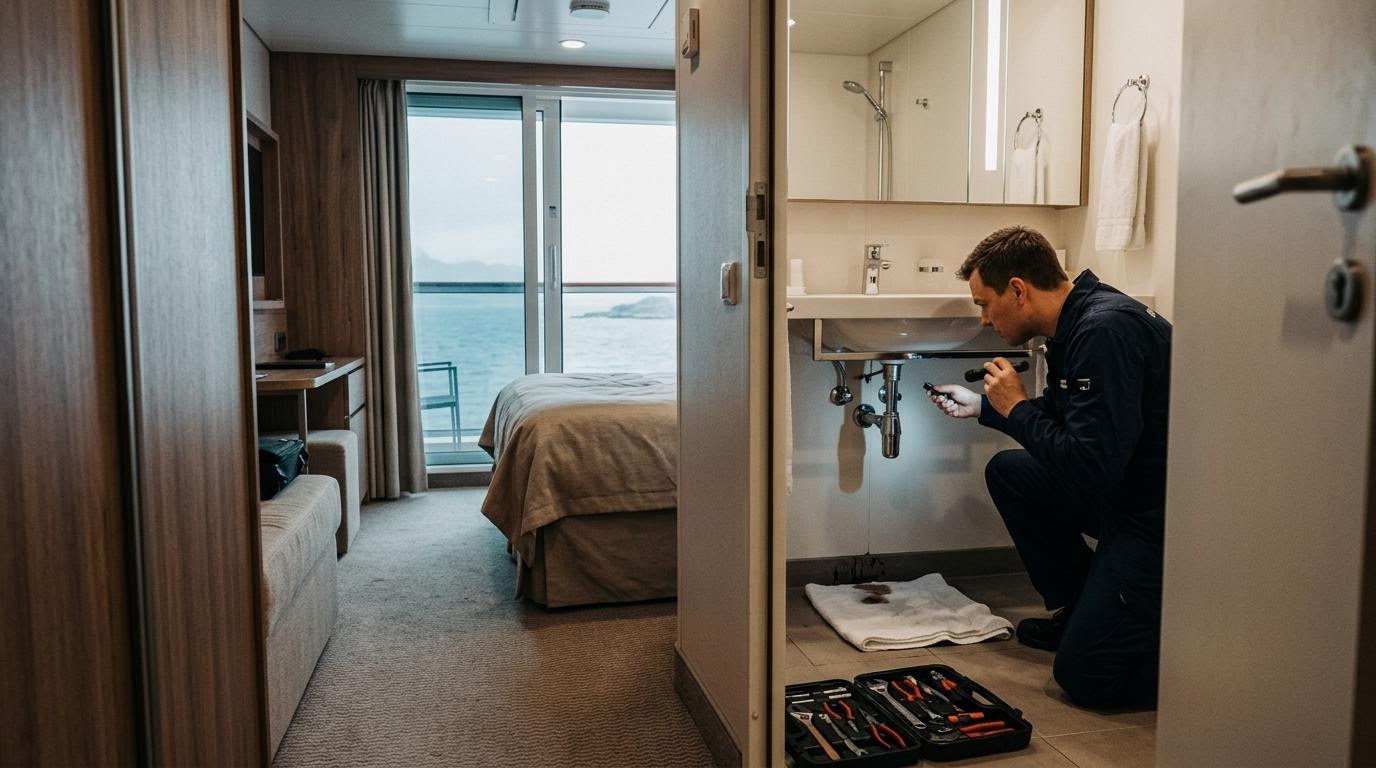
When comparing balcony and inside cabins, weigh the extra cost against how you expect to use the space. Give cabin location equal attention, including proximity to elevators and possible noise sources.
Study the layout for storage, bathroom access, and room to move comfortably. If you have mobility needs, make those requirements part of the initial cabin search.
A category name alone won't tell you whether a particular room suits your daily habits.
Compare the onboard atmosphere
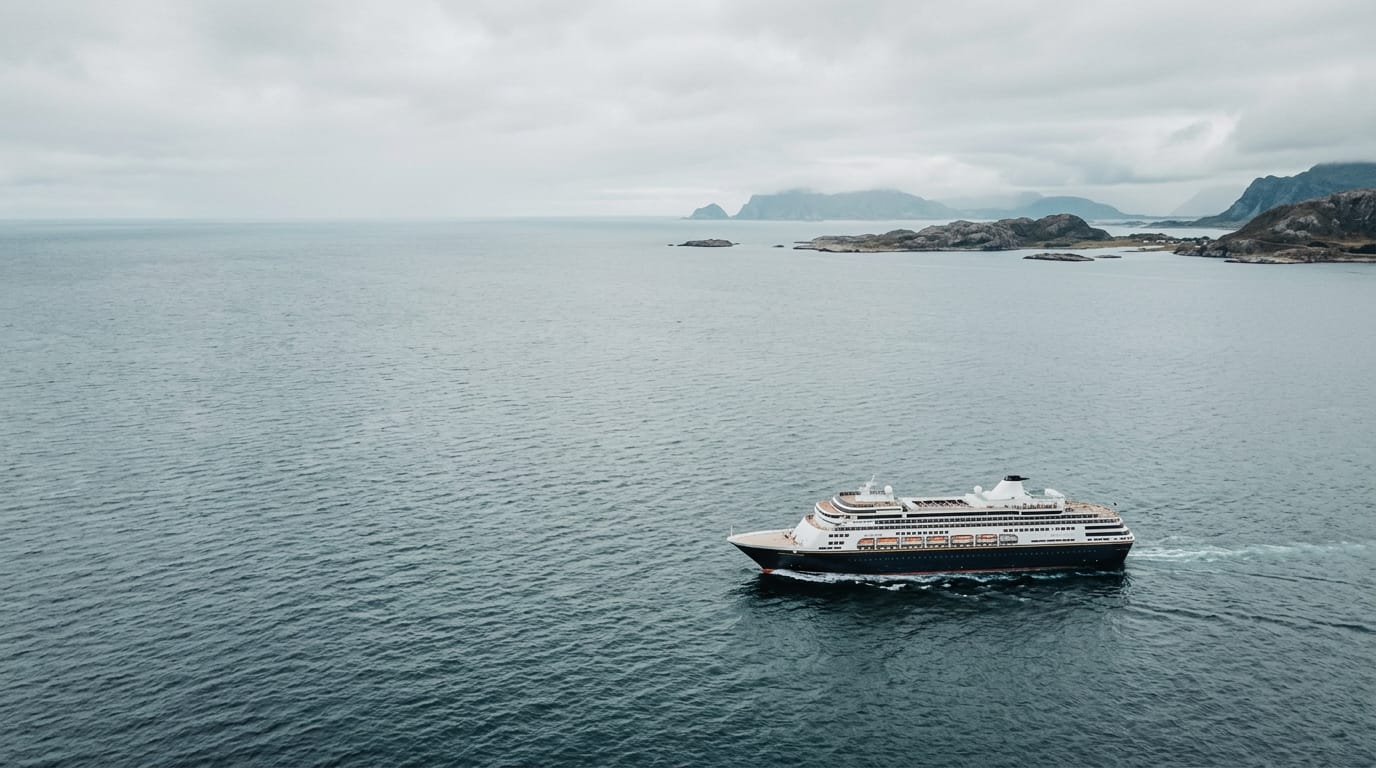
Holland America and Princess illustrate why brand differences deserve attention. Holland America's option emphasizes a classic global circuit aboard the smaller Volendam. Princess offers a Pacific-focused program with several voyage lengths and endpoints.
Our Holland America and Princess comparison considers those differences alongside onboard preferences.
Beyond the route, weigh dining flexibility, entertainment, enrichment, and opportunities for privacy. Give laundry arrangements and internet access the same attention as headline attractions.
For more on ship styles and onboard life, Subscribe to Our YouTube Channel. We publish new episodes twice each week.
Build a Budget Beyond the Advertised Fare
Start with the fare, then account for the costs that depend on how you travel. A useful budget reflects your priorities rather than the cheapest possible version of the voyage.
Use cabin prices as a starting point
Our guide to 2026 cruise costs per person provides these approximate planning benchmarks.
| Cabin type | Approximate per-person fare benchmark |
|---|---|
| Inside cabin on a premium line | Starting around $30,000 |
| Ocean-view or balcony cabin | Commonly $30,000 to $70,000 |
| Luxury suite | Can exceed $200,000 |
These figures describe broad fare levels, rather than guaranteed quotes or complete trip budgets.
Compare actual offers using the same occupancy basis and cabin category. Solo travelers should use the quoted single-occupancy total when calculating affordability.
Also separate the deposit, final payment, and later spending. The timing of those expenses matters when you decide how to fund the journey.
Price the experience you intend to have
Airfare, excursions, drinks, Wi-Fi, gratuities, and transfers belong in the total unless the fare clearly includes them. Add insurance, visa expenses, laundry, and pre-cruise accommodation where applicable.
Budget shore activities around the places you most want to experience. Distinguish included tours you'll use from optional experiences you'd pay extra to enjoy.
Then allow a separate reserve for unexpected expenses. Keep ongoing household costs visible too, because being away doesn't remove every bill at home.
Finally, compare inclusions by personal value. A laundry benefit may matter more to you than a beverage package, while included excursions deserve weight only when their pace and content suit your interests.
Protect Your Booking and Prepare for Departure
A suitable voyage also needs workable booking terms and a clear preparation plan. Handle these decisions before the excitement of departure crowds them out.
Understand cancellation terms and insurance
Read the payment schedule and cancellation conditions before committing. Identify when penalties begin, how they increase, and which booked travel arrangements fall under separate rules.
For insurance, focus on the actual journey. Look for coverage spanning the entire trip, with medical and evacuation benefits appropriate to your circumstances.
If you have pre-existing conditions, address the policy's requirements early. Also consider interruption coverage and the financial effect of returning home unexpectedly.
Arrange a pre-travel medical discussion when health needs warrant it. Include prescription quantities, medication storage, and your ability to manage planned shore activities.
Organize documents and arrival essentials
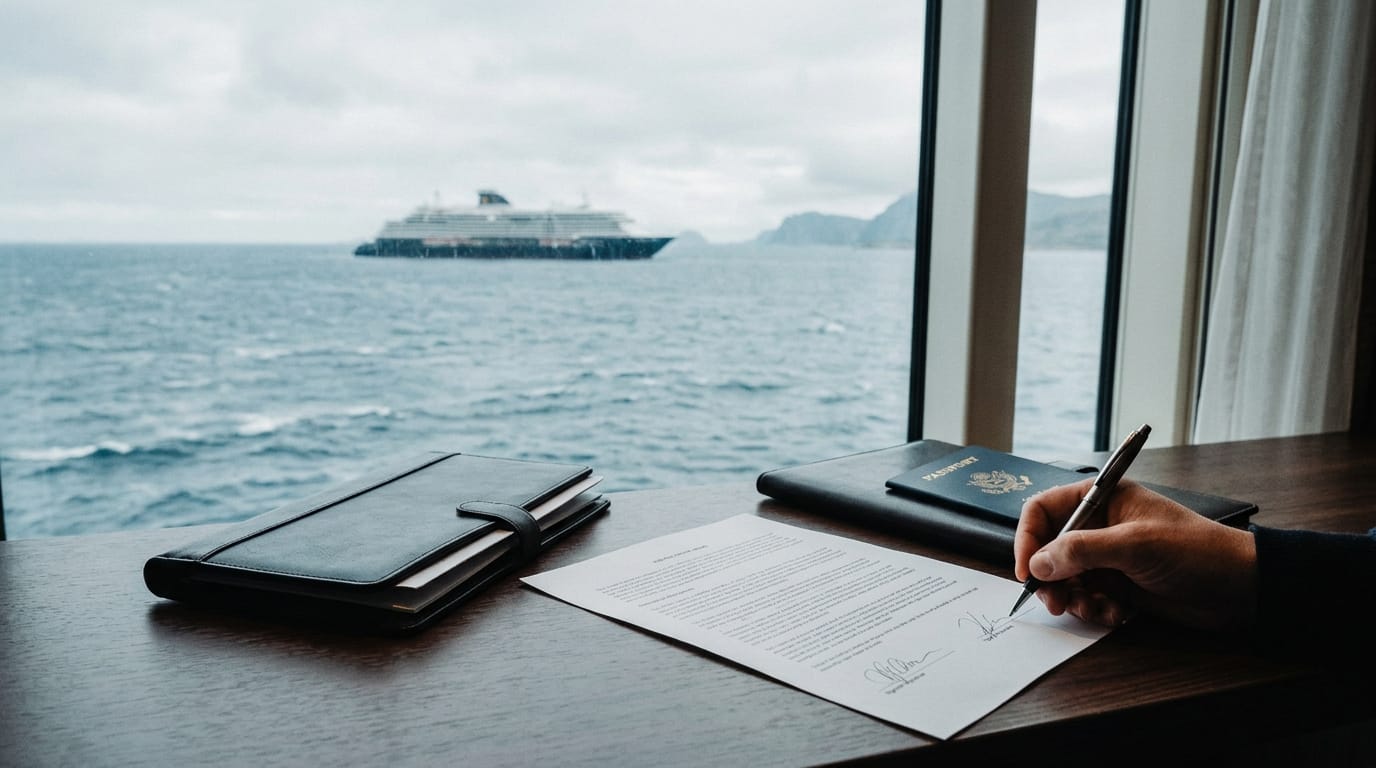
Build your document plan around your passport and the complete route, including flights, overnight stays, and any travel before or after sailing.
Our guide to planning visas for every port explains how those details fit together.
Keep a destination-by-destination record of required documents and application timing. Store accessible copies of your passport, insurance information, and itinerary separately from the originals.
For departure, pack essential medication and travel documents in your carry-on. Add a change of clothes and charging cables so you can manage comfortably while your checked luggage is elsewhere.
Frequently Asked Questions
Is an inside cabin a sensible choice?
An inside cabin can suit travelers who prioritize value and dark sleeping conditions. Base the decision on how much time you expect to spend there. Also consider whether access to daylight and private outdoor space would materially improve your daily comfort, rather than choosing by price alone.
Should the itinerary or cruise line come first?
Start with the regions and travel dates that matter most, then compare suitable ships. However, give onboard comfort enough weight to reject an appealing route on an unsuitable vessel. You'll experience both the destinations and the ship's everyday routines, so neither decision should stand alone.
What should be settled before paying a deposit?
Settle the booking format, cabin choice, and realistic total budget. Understand the payment schedule and cancellation terms, then establish a workable approach to insurance and documents. You don't need every shore excursion selected, but the major financial commitments and personal requirements should already make sense.
Choose a Voyage You Can Enjoy Every Day
A rewarding journey balances memorable destinations with a shipboard life that feels comfortable. The strongest choice fits your available time and daily habits without stretching your complete budget .
Give the ordinary days as much thought as the remarkable ports. That attention helps turn an ambitious itinerary into a voyage you can enjoy throughout.
When you're ready to compare suitable sailings, Schedule a Consultation so we can discuss the route, cabin, and travel arrangements that fit you.
Recent Posts